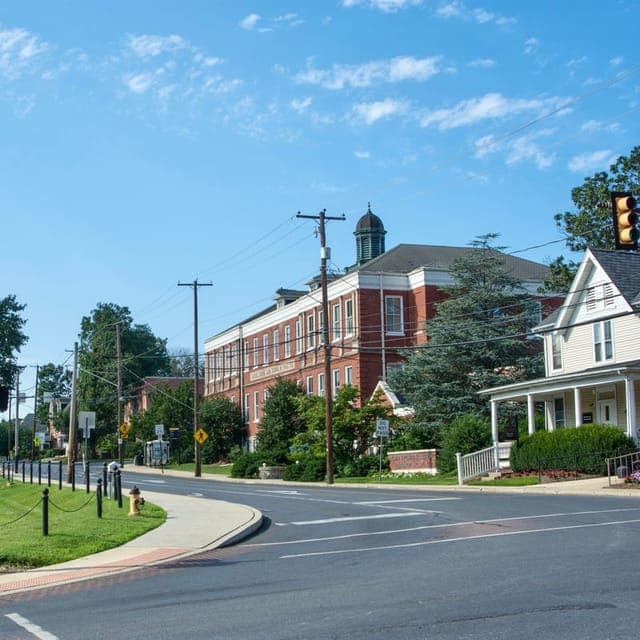
Photo: Wikipedia
Personal Sovereignty in Pennsylvania
Strong independent fundamentals that actively favor personal liberty and low regulation.
What does Personal Sovereignty tell us?
Personal Sovereignty measures your capacity for self-reliance and independence with minimal government friction. Higher scores mean fewer barriers between you and the way you want to live... but it assumes you have the space you need and good neighbors.
What does this tell us?
Personal Sovereignty measures your capacity for self-reliance and independence with minimal government friction. Higher scores mean fewer barriers between you and the way you want to live... but it assumes you have the space you need and good neighbors.
State Policy
Energy independence: Net exporter (150% of energy produced in-state)
Personal Liberty
Homesteading

Personal Liberty Analysis
Pennsylvania presents a deeply mixed picture for those prioritizing personal sovereignty, where a strong constitutional foundation and a deeply rooted culture of self-reliance coexist with some of the most aggressive state-level encroachments on individual liberty in the Northeast. The state’s legal framework grants significant leeway in areas like gun ownership and property rights, but this is counterbalanced by a heavy tax burden, restrictive zoning in key population centers, and a regulatory environment that can feel stifling for those seeking true autonomy. For the strategic relocator—whether a single individual or a family—understanding where these forces converge is critical, as the difference between living in the rural expanse of Potter County and the Philadelphia suburbs is the difference between a frontier of freedom and an extension of the administrative state.
Tax burden and regulatory posture across the Commonwealth
Pennsylvania’s tax structure is a significant drag on personal sovereignty, with a flat state income tax of 3.07% that, while not progressive, still represents a direct claim on your labor. More concerning is the state’s aggressive inheritance tax, which can reach 15% on transfers to siblings and non-lineal heirs, a clear government overreach into how families pass down property and wealth. Local earned income taxes, often hovering around 1-2% in townships like those around Harrisburg or Allentown, add another layer of compliance. The regulatory posture is bifurcated: rural counties like Tioga and Bradford enjoy minimal local interference, but the state’s Department of Environmental Protection (DEP) imposes stringent rules on everything from well drilling to septic systems, making off-grid infrastructure a bureaucratic hurdle. In contrast, areas like the city of Pittsburgh impose additional layers of business privilege taxes and licensing that can deter small-scale enterprise, while towns like Wellsboro in the north remain far more permissive for the self-employed or homesteader.
Self-defense and gun law specifics for the prepared individual
Pennsylvania is a shall-issue state for concealed carry, meaning the government cannot arbitrarily deny your right to bear arms, but the process still requires a license from your county sheriff—a bureaucratic step that some, like those in Philadelphia County, find more cumbersome than in rural Franklin County. The state preempts local gun ordinances, which is a critical win for sovereignty, preventing cities like Pittsburgh or Scranton from enacting their own bans, though Philadelphia has a long-standing carveout that allows it to restrict firearms in city parks and recreation centers. Stand-your-ground laws are not explicitly codified in statute, but Pennsylvania courts have generally upheld a person’s right to defend themselves without a duty to retreat in their home or vehicle, a position that is less robust than in states like Texas but still functional. For the prepper, the lack of a magazine capacity limit and the ability to openly carry (with a license) in most areas is a net positive, though the state’s firearm registration system for handguns—a remnant of the 1930s—is an unwelcome data collection point that should concern anyone wary of government overreach. Rural counties like Bedford and Somerset are far more gun-friendly in practice, with sheriffs who view the licensing process as a ministerial duty rather than a discretionary power.
Self-reliance and homesteading viability across the state
The viability of self-reliance in Pennsylvania is heavily dependent on location, with vast stretches of the northern tier and central ridge-and-valley region offering genuine opportunities for off-grid living, while the southeastern corner remains hostile to such pursuits. In Potter County, you can find parcels of 10-20 acres for under $5,000 per acre, with minimal zoning restrictions that allow for alternative housing like yurts or tiny homes, provided you meet basic septic and well regulations. Towns like Coudersport and Galeton have a culture of self-sufficiency, where neighbors respect property lines and government interference is minimal. However, the state’s Uniform Construction Code (UCC) applies to all new dwellings, even in remote areas, mandating specific building standards that can conflict with DIY construction or earth-sheltered homes. For those seeking true off-grid independence, the lack of a state-level right to solar access means that local ordinances in places like Lancaster County can restrict panel placement, while the DEP’s stringent water rights policies make rainwater collection a gray area. The best bet for the homesteader is to target townships in Sullivan or Wyoming counties, where the local governments are sparse and the tax base is low, allowing for a degree of autonomy that is impossible in the suburbs of State College or Erie.
Personal liberties and the erosion of parental and medical autonomy
Pennsylvania’s record on personal liberties is a study in contradictions, with strong protections for property rights and free speech under the state constitution, but a troubling trend toward government overreach in medical and parental matters. The state’s parental rights are generally respected in education, with a robust homeschooling statute that requires only a simple affidavit and a portfolio review, making it a viable option for families in areas like the Poconos or the rural Lehigh Valley. However, the state’s vaccine mandate for school attendance, which includes exemptions only for medical or religious reasons (not philosophical), represents a significant infringement on parental sovereignty, particularly for those in more progressive districts like those around Philadelphia. Medical autonomy is further compromised by the state’s strict prescription drug monitoring program and the lack of any statutory protection for alternative or holistic medicine, meaning that a doctor in Johnstown may be more cautious than one in a less regulated state. Property rights are generally strong, with no statewide rent control and a relatively straightforward process for land use appeals, but the state’s Act 537 sewage facilities planning can force rural landowners into costly centralized systems, a clear example of government overreach into private property decisions. Free speech is protected, but the state’s hate crime laws and the increasing use of “disorderly conduct” charges in cities like Harrisburg to silence political speech should give pause to anyone who values unfiltered expression.
In the broader landscape of American sovereignty, Pennsylvania occupies a precarious middle ground—better than the authoritarian enclaves of New York or New Jersey, but far from the libertarian havens of the Mountain West or the Deep South. The state’s constitutional protections for gun rights and property are genuine assets, but the heavy tax burden, the bureaucratic hurdles for off-grid living, and the creeping erosion of parental and medical autonomy make it a location that requires careful selection of county and township. For the strategic relocator, the calculus is simple: the further you get from the I-95 corridor and the influence of Philadelphia and Pittsburgh, the more personal sovereignty you will find. Places like the Endless Mountains region or the forests of Elk County offer a tangible degree of freedom, but even there, the long arm of the state capital in Harrisburg is never far away. Pennsylvania is not a state for those seeking total autonomy, but for those willing to navigate its complexities, it can be a place where a determined individual can carve out a life of self-reliance, provided they remain vigilant against the constant creep of government overreach.

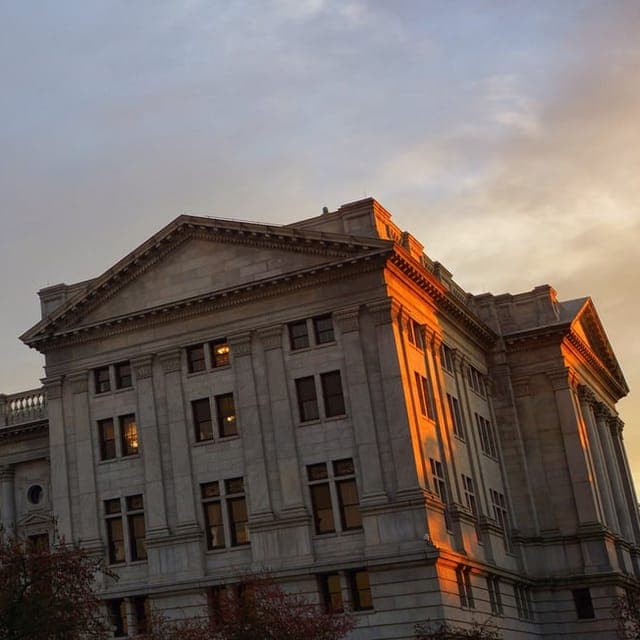
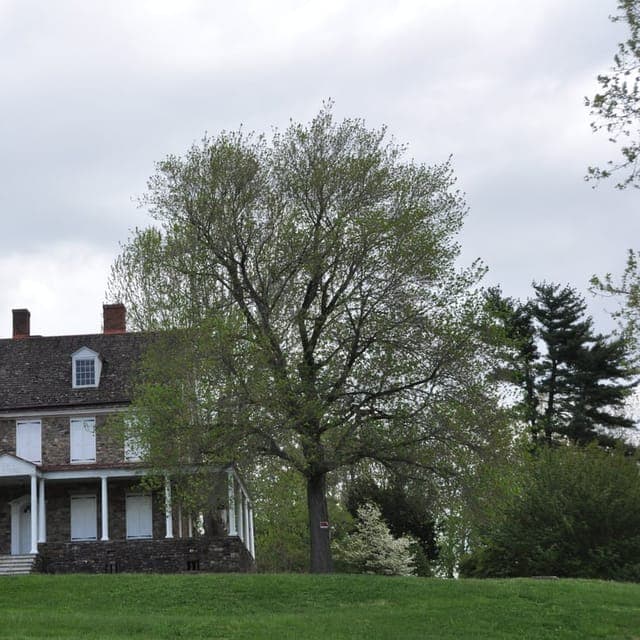
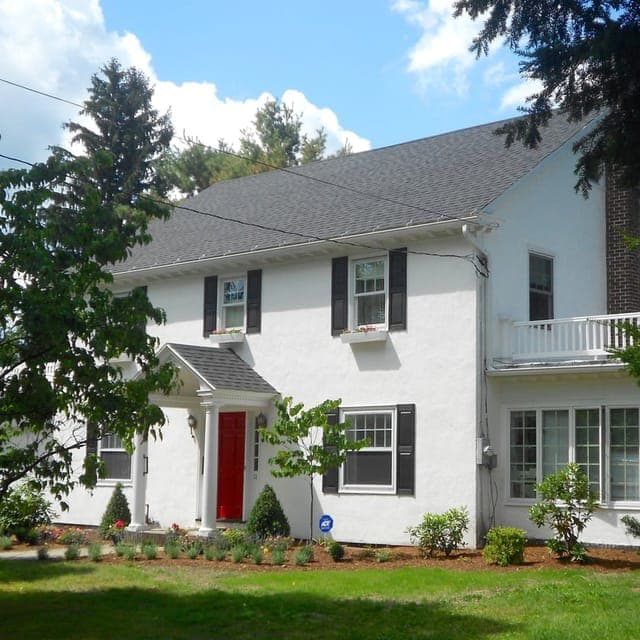
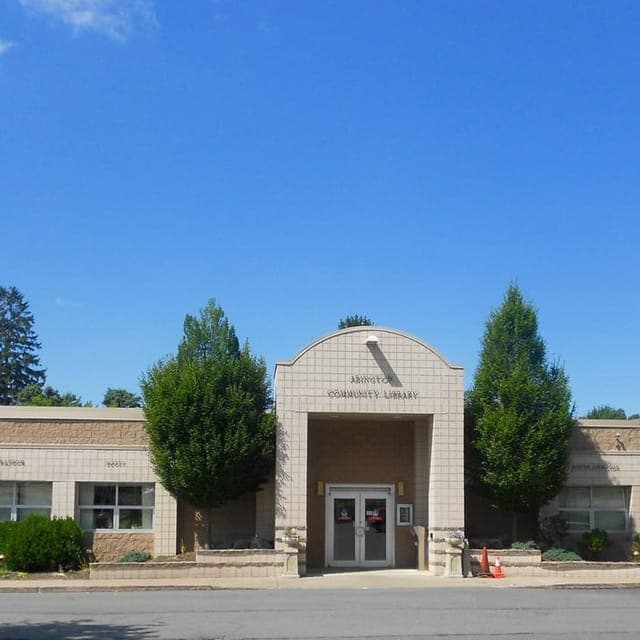
Top Cities for Personal Sovereignty in Pennsylvania




* Values derived from national, state, county, city and local statistics and may differ in a specific area. Last updated: 2026-04-19T01:35:58.000Z
Narrative content on this page is AI-generated and may contain mistakes. Verify any details that matter before acting on them.
ReloMaps may earn a commission from affiliate links at no extra cost to you.

