Photo: Wikipedia
Find The Best Places To Live in Dauphin County
PRO TIP! You can paste a Zillow or Redfin link to get info on that property.
Best Places to Live in Dauphin County
Cities & Towns in Dauphin County
Cities in Dauphin County
What It's Like Living in Dauphin County, PA
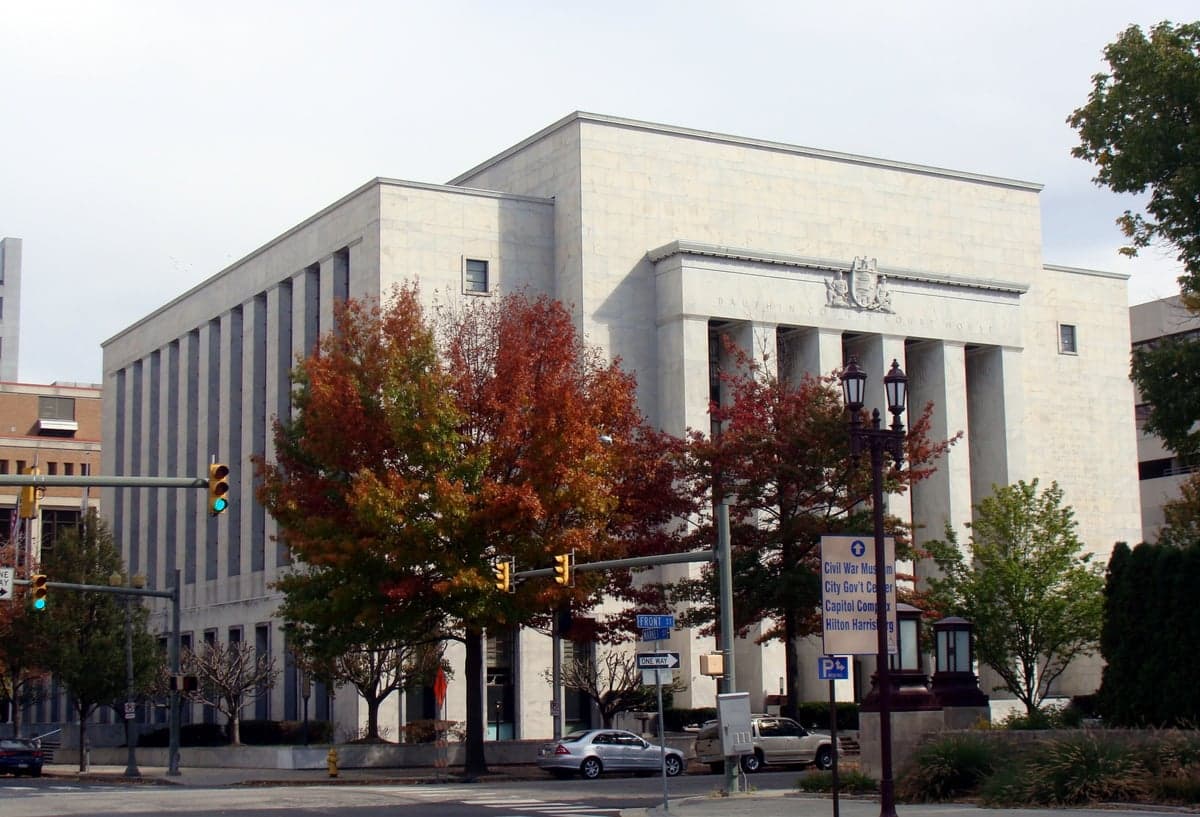
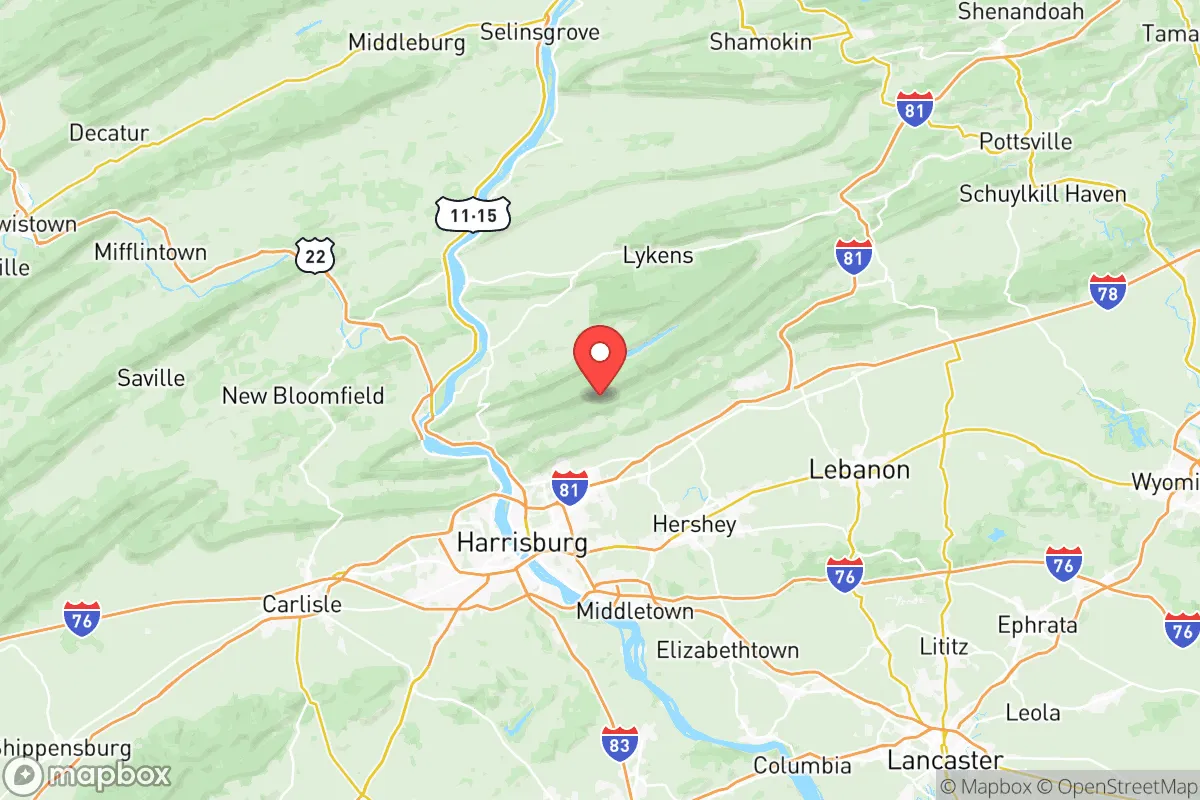
Living in Dauphin County means straddling two worlds: the steady hum of Pennsylvania’s capital city, Harrisburg, and the quiet farmland of towns like Halifax and Millersburg. It’s a place where you can grab a craft beer in Midtown Harrisburg on a Friday night and be hiking the Appalachian Trail in the St. Anthony’s Wilderness by Saturday morning. With a population just shy of 287,500, the county offers a mix of urban, suburban, and rural living that appeals to state workers, young families priced out of Philadelphia, and retirees who want to stay close to medical care without the big-city price tag.
Daily Rhythm: From Capitol Corridors to River Trails
Most mornings in Dauphin County start with a commute that averages under 22 minutes—short enough that people grumble about it but rarely move to change it. In Harrisburg, you’ll see state employees heading to the Capitol Complex, nurses walking into UPMC Harrisburg, and warehouse workers clocking in along the I-81 corridor. Over in Hershey, the smell of chocolate isn’t a cliché—it’s a daily reality, especially near the Hershey Company headquarters and the sprawling Hershey Medical Center, one of the region’s largest employers. Families in Lower Paxton Township and Susquehanna Township often drop kids at school before heading to offices in the city or commuting east to Lancaster or west to Carlisle. The median age here is 39.4, right in line with the national average, which means you’ll find plenty of thirtysomethings settling down, buying homes, and complaining about school taxes.
Weekends have a predictable but comfortable rhythm. In warmer months, the Susquehanna River draws kayakers and paddleboarders out of Harrisburg’s Riverfront Park, while the Appalachian Trail section near Duncannon sees thru-hikers and day-trippers alike. Winter shifts things indoors: high school basketball in Steelton and Middletown packs gyms, and the Hersheypark Christmas lights turn the area into a family destination. Shopping leans practical—you’ll find Target and Wegmans in the suburbs—but Broad Street Market in Harrisburg is a genuine local gem, one of the oldest continuously operating markets in the country, where you can grab pierogies, fresh produce, and a conversation with a farmer from Halifax.
Sports, Schools, and the Fabric of Community
Sports loyalty in Dauphin County is split between the pros and the local pride. The Harrisburg Senators, a Washington Nationals affiliate, draw a loyal but laid-back crowd to FNB Field on City Island—think dollar hot dog nights and summer fireworks, not playoff tension. The real heat is in high school sports. Bishop McDevitt and Steelton-Highspire football games are community events, with rivalries that span generations. On any given Friday night in the fall, you’ll find bleachers full of parents, alumni, and kids who’ll be playing in those same uniforms in a few years. Hockey fans follow the Hershey Bears, the AHL affiliate of the Washington Capitals, whose games at Giant Center are a surprisingly big deal—tickets are affordable, the crowd is loud, and the championship banners on the wall remind everyone this is a winning franchise.
Schools themselves are a major factor in where people choose to live. Lower Dauphin School District and Hershey School District consistently rank well, and families often base their home search around district boundaries. The median home value in Dauphin County sits at $222,300, which feels reasonable compared to the national average—especially when you consider that a similar house in Philadelphia or the D.C. suburbs would cost double. That affordability, combined with a cost of living index of 91 (9% below the U.S. average), is a big reason why people move here. The trade-off? Property taxes can sting, especially in districts with older infrastructure, and the 34.3% college-educated rate is below the national average, which some residents cite as a reason the area doesn’t attract as many high-paying white-collar jobs as it could.
What’s There to Do—and What Frustrates People
Entertainment in Dauphin County punches above its weight for a mid-sized metro. Hersheypark is the obvious draw, a full-scale amusement park that also hosts concerts at the Hersheypark Stadium and the Star Pavilion—everyone from country headliners to legacy rock acts rolls through. The Whitaker Center for Science and the Arts in Harrisburg offers IMAX films and live theater, while the National Civil War Museum provides a thoughtful, non-glorifying look at the conflict that shaped the region. For outdoor types, Wildwood Park in Harrisburg is a 229-acre nature preserve with boardwalk trails through wetlands, and Memorial Lake State Park near Grantville is a quiet spot for fishing and short hikes. Festivals like Kipona on Labor Day weekend bring the city to the riverfront with arts, food, and live music.
But living here isn’t without frustrations. The violent crime rate of 226.5 per 100,000 is slightly above the national average, and while most of that is concentrated in specific Harrisburg neighborhoods, it makes some suburbanites nervous about venturing into the city after dark. Traffic on I-81 between Harrisburg and Hershey can turn a 20-minute commute into a 45-minute slog during rush hour, and there’s no good alternative route. Longtime residents also grumble about the lack of late-night dining options—if you’re craving food past 10 p.m. outside of a chain diner, you’re often out of luck. And while the median household income of $74,159 is respectable, it doesn’t stretch as far as it used to, especially with rising rents in Harrisburg and Hershey pushing younger workers into older housing stock in Steelton and Middletown.
Still, the people who stay here tend to love the balance. You can own a home with a yard, send your kids to a decent school, and still be within two hours of Philadelphia, Baltimore, or the Poconos. It’s not flashy, and nobody moves to Dauphin County for the nightlife. But for someone who wants a grounded, affordable life with access to both nature and a capital city’s amenities, it’s a surprisingly good fit.

* Values derived from national, state, county, city and local statistics and may differ in a specific area. Last updated: 2026-06-27T15:24:27.000Z
Narrative content on this page is AI-generated and may contain mistakes. Verify any details that matter before acting on them.
ReloMaps may earn a commission from affiliate links at no extra cost to you.

