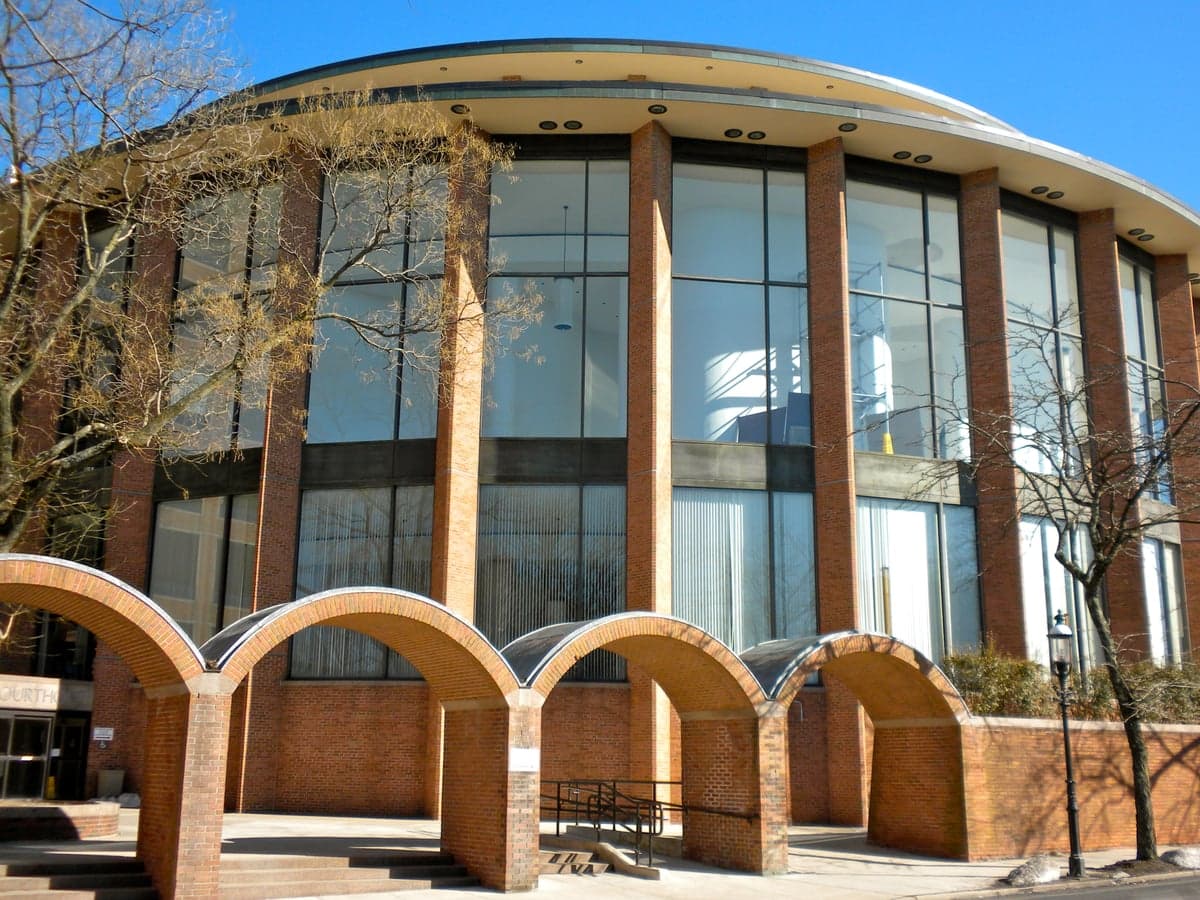
Photo: Wikipedia
Find The Best Places To Live in Bucks County
PRO TIP! You can paste a Zillow or Redfin link to get info on that property.
Best Places to Live in Bucks County
Cities & Towns in Bucks County
Cities in Bucks County
What It's Like Living in Bucks County, PA
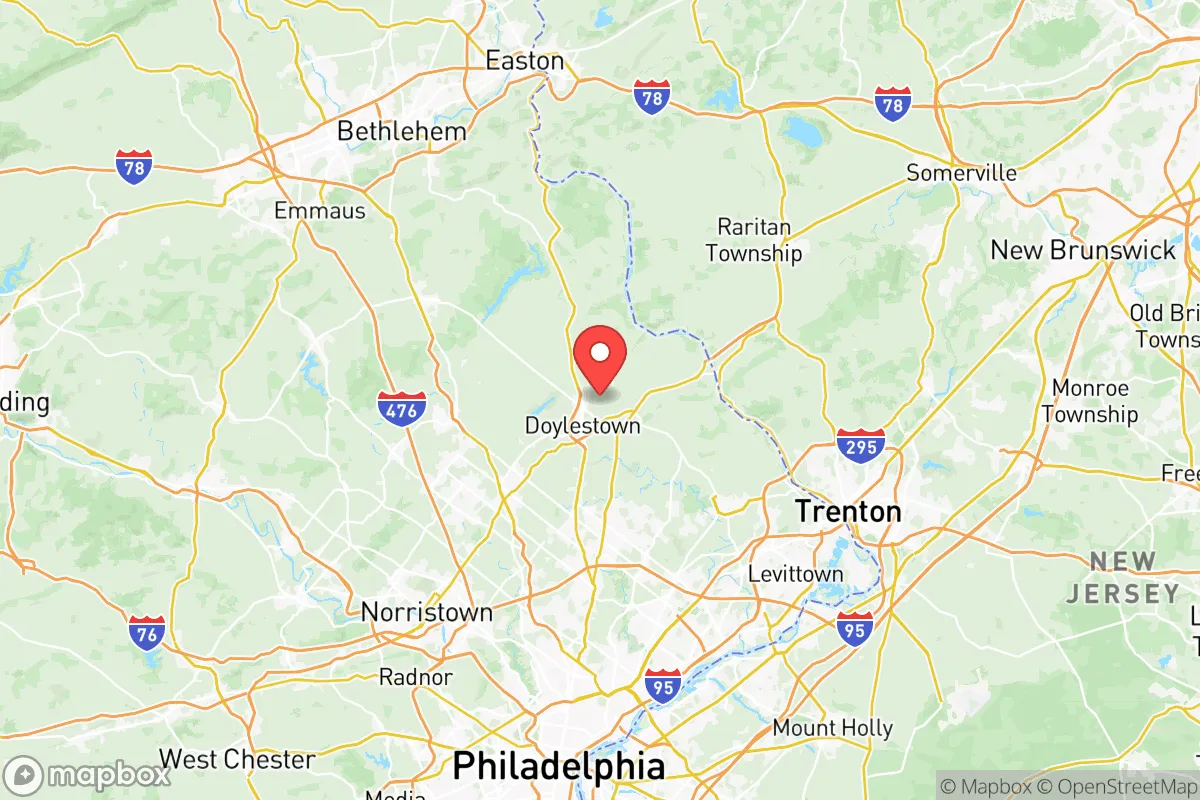
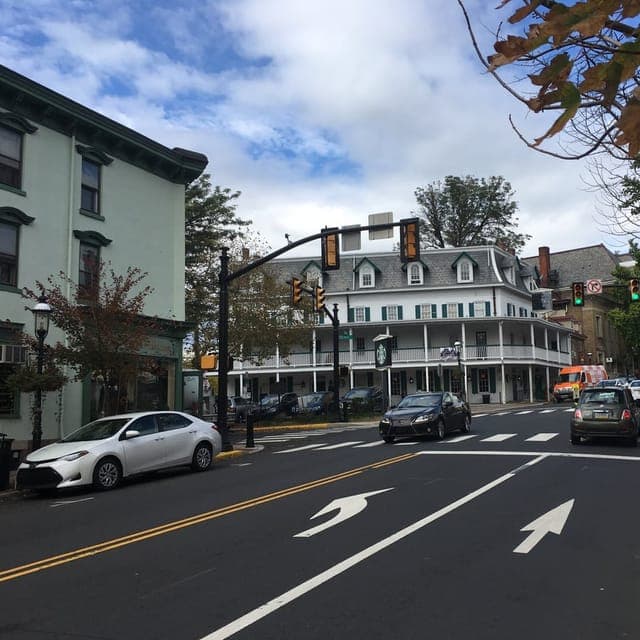
Living in Bucks County means straddling two worlds: the tranquil, rolling countryside of Upper Bucks and the dense, historic river towns like New Hope and Bristol, all within a long commute of Philadelphia and New York. It’s a place where you can grab a craft beer in Doylestown after a hike at Ralph Stover State Park, then drive 20 minutes past horse farms and cornfields to a quiet village like Ottsville. The county’s identity is deeply rooted in its colonial history and suburban comfort, but it’s also a region wrestling with rising costs and traffic that can make a 30-mile drive feel like a marathon.
Daily Rhythm: From Farm Markets to Philly Commutes
For most residents, the day starts early. The average commute here clocks in at about 30 minutes, but that number hides a lot of variation. Someone living in Yardley might spend 45 minutes on the SEPTA train into Center City Philadelphia, while a person in Quakertown could drive 20 minutes to a job in Montgomery County. The county’s median income of $111,951 reflects a workforce heavy on healthcare, education, and professional services—many people work at companies like Johnson & Johnson in Newtown or the sprawling Merck campus in Upper Gwynedd, just over the county line.
Weekends are a different story. The Doylestown Farmers Market is a Saturday ritual, drawing families for fresh produce and baked goods. In warmer months, the New Hope & Ivyland Railroad offers scenic rides, and the Delaware Canal towpath is packed with cyclists and runners. For groceries, you’ll find Wegmans in Warrington and Giant in Langhorne, but locals swear by the smaller shops—like the family-run butcher in Perkasie or the Amish market in Wrightstown. The median home value of $421,700 puts a decent single-family home out of reach for many first-time buyers, but it’s still cheaper than comparable suburbs in New Jersey or New York.
Sports & Community: Friday Night Lights and River Rivalries
High school sports are a genuine cultural anchor here. On a Friday night in the fall, you’ll see the stands packed at Central Bucks High School South in Warrington or Pennridge High School in Perkasie for football games. The rivalry between Neshaminy High School and Pennsbury High School in Lower Bucks is legendary—it’s not uncommon for alumni to drive hours back for the annual game. For college sports, many residents root for Penn State or Temple, but the local community college sports scene at Bucks County Community College in Newtown draws a smaller, loyal crowd.
Beyond the gridiron, the county’s cultural quirks run deep. The Mercer Museum in Doylestown houses a bizarre collection of pre-industrial tools, and the annual Bucks County Wine & Jazz Festival in Newtown draws thousands. There’s also a strong tradition of volunteer fire companies—towns like Chalfont and Dublin still host pancake breakfasts and carnivals that feel like a throwback to the 1950s. The median age of 44.1 skews older than the national average, which means you’ll see plenty of empty-nesters at the local coffee shops, but also young families moving in from Philadelphia for the school districts.
What’s There to Do: Parks, Pubs, and a Touch of Glamour
Outdoor life is a major draw. Ralph Stover State Park in Pipersville offers rock climbing and tubing on the Tohickon Creek, while Washington Crossing Historic Park lets you walk the same ground George Washington did. For a more polished experience, New Hope’s main street is lined with art galleries, antique shops, and restaurants like the Logan Inn, a tavern dating to 1727. The Bucks County Playhouse in New Hope hosts Broadway-caliber shows, and the nearby Bucks County River Country offers tubing trips that are a summer rite of passage.
Nightlife is more low-key than in Philadelphia. Doylestown has a handful of craft breweries like Bucks County Brewery and the Hops/Scotch 36 bar, while Bristol’s waterfront has a few Irish pubs and a casino at Parx. The county’s cost of living index of 139 means dining out isn’t cheap—expect $15-20 for a burger and a beer at a gastropub. But the trade-off is access to the Delaware River, where you can kayak or fish for striped bass in season.
Pros and Cons of Living Here
Longtime residents love the balance of rural and suburban life, the strong public schools (especially in the Central Bucks and Council Rock districts), and the proximity to both Philadelphia and New York. The violent crime rate of 226.7 per 100,000 is lower than the national average, and most towns feel safe even at night. The 43.9% college-educated population means you’ll find neighbors who are engaged and well-informed.
- Pros: Excellent schools, low crime, beautiful parks, historic charm, easy access to two major cities.
- Cons: High cost of living (especially housing), heavy traffic on Route 202 and I-95, limited nightlife outside Doylestown and New Hope, and a slower pace that can feel isolating for singles under 30.
The biggest frustration for many is the commute. The average commute time of 30 minutes is a best-case scenario; during rush hour, a drive from Quakertown to Philadelphia can stretch to 90 minutes. Winters are cold and snowy, with January highs around 38°F, and summers are humid with highs in the mid-80s. The seasonal rhythm is real—fall foliage in the Delaware River Valley is spectacular, but the gray of February can wear on you.
Who fits in here? Families who value good schools and outdoor space, professionals who don’t mind a long train ride for a city job, and retirees who want a slower pace without giving up cultural amenities. Singles in their 20s might find it quiet, but the county’s mix of small-town charm and access to urban energy means there’s a niche for almost everyone—as long as you’re willing to drive a little.

* Values derived from national, state, county, city and local statistics and may differ in a specific area. Last updated: 2026-08-14T08:27:42.000Z
Narrative content on this page is AI-generated and may contain mistakes. Verify any details that matter before acting on them.
ReloMaps may earn a commission from affiliate links at no extra cost to you.

