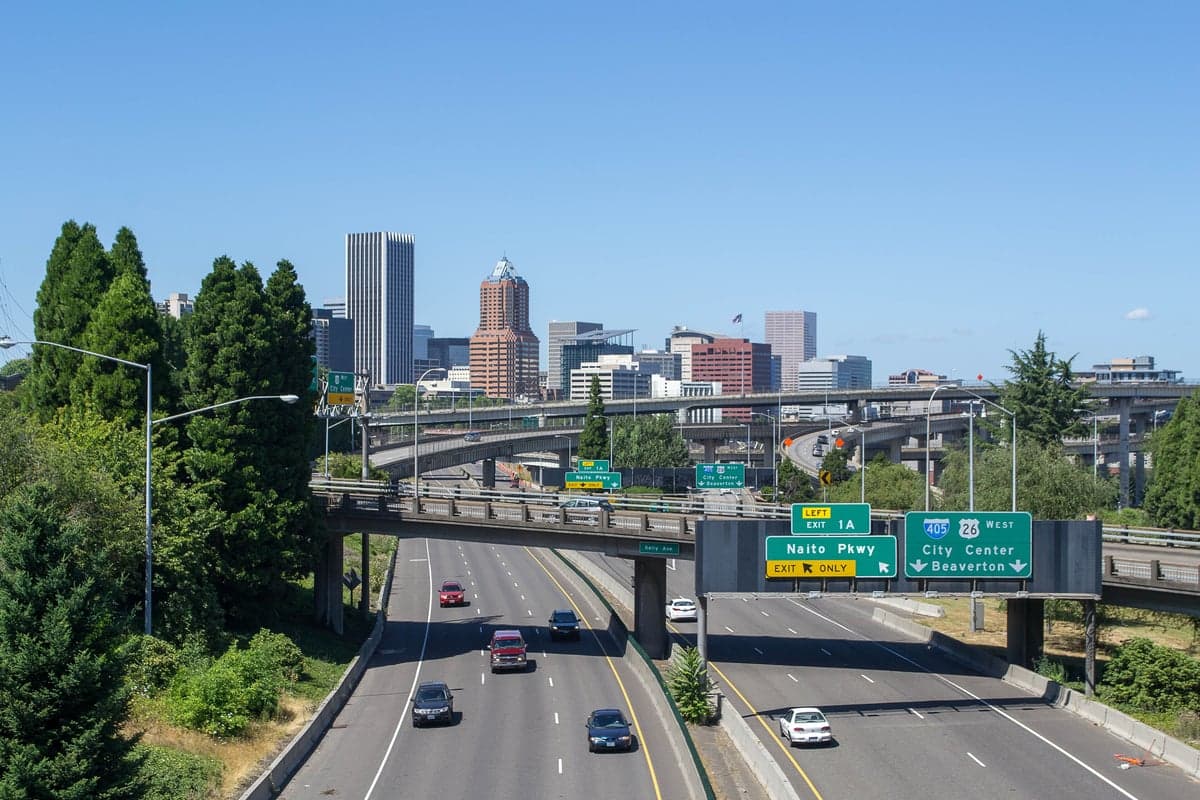
Photo: Wikipedia
Personal Sovereignty in Multnomah County
Viable for self-reliance. Generally workable, though some barriers may limit total independence.
What does Personal Sovereignty tell us?
Personal Sovereignty measures your capacity for self-reliance and independence with minimal government friction. Higher scores mean fewer barriers between you and the way you want to live... but it assumes you have the space you need and good neighbors.
What does this tell us?
Personal Sovereignty measures your capacity for self-reliance and independence with minimal government friction. Higher scores mean fewer barriers between you and the way you want to live... but it assumes you have the space you need and good neighbors.
State Policy
Energy independence: Importer (35% of energy produced in-state)
Personal Liberty
Homesteading

Personal Liberty Analysis
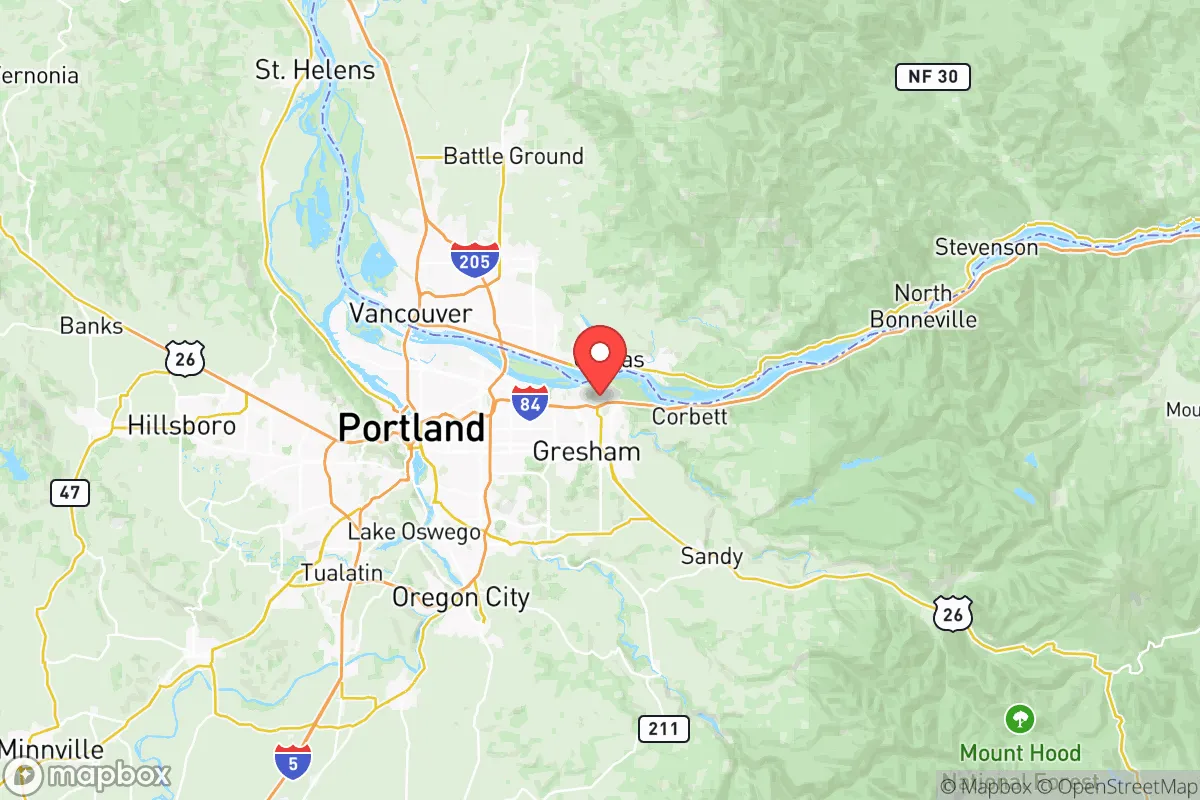
Multnomah County presents a complex environment for personal sovereignty, where progressive governance and dense urban regulation coexist with pockets of rural independence and a strong tradition of civil liberties. The county’s approach to autonomy is heavily shaped by its urban core—Portland—which enforces some of the most restrictive land-use, business, and public health policies in Oregon, while outlying communities like Gresham, Troutdale, and Corbett offer more breathing room for self-reliant lifestyles. For a conservative-leaning individual or family weighing relocation, the key trade-off is access to economic opportunity versus the regulatory friction that comes with living in a politically dominant urban county.
Tax burden and regulatory posture in Multnomah County
Oregon has no state sales tax, which keeps everyday purchases affordable, but Multnomah County imposes a combined income tax rate that can exceed 9.9% for high earners when state and county taxes are combined. Property taxes are moderate by West Coast standards, averaging around 1.0% of assessed value, but Portland’s urban growth boundary (UGB) artificially constrains land supply, driving up home prices and making large lots expensive. The county’s regulatory posture is heavy: Portland requires mandatory composting, strict short-term rental permits, and energy-efficiency upgrades for older homes. Businesses face a 2.6% business license tax on gross receipts over $50,000, plus a new 1% metro-area homeless services tax. In contrast, unincorporated areas like Corbett and parts of Fairview have fewer zoning overlays, allowing for home-based businesses and larger lot development without city-level permitting delays. The county’s land-use planning is among the most prescriptive in the state, with the UGB limiting rural sprawl and requiring urban-level infrastructure for any new construction outside existing city limits.
Self-defense and gun law specifics in Multnomah County
Oregon is a shall-issue state for concealed carry permits, but Multnomah County adds local friction. The sheriff’s office processes permits with a typical wait time of 30–60 days, and applicants must complete a certified safety course. Open carry is legal without a permit in unincorporated areas, but Portland, Gresham, and Troutdale have local ordinances restricting firearms in city parks and public buildings. Measure 114, passed in 2022 but currently blocked by court injunction, would require a permit to purchase any firearm and ban magazines over 10 rounds—if upheld, it would apply statewide but disproportionately affect Multnomah County’s urban gun owners. Self-defense law in Oregon follows the Castle Doctrine, with no duty to retreat in one’s home, but the state does not have a Stand Your Ground statute for public spaces. Gun ranges and firearm retailers are concentrated in Gresham and Sandy, where zoning is more permissive than in Portland proper. For those prioritizing self-defense autonomy, the county’s urban centers are less accommodating than rural areas east of the Cascade Range, but the legal framework remains functional for law-abiding residents.
Self-reliance and homesteading viability across Multnomah County
Homesteading and off-grid living are severely constrained within Portland’s city limits, where minimum lot sizes are typically 5,000 square feet and accessory dwelling units (ADUs) require costly permits and utility connections. In contrast, unincorporated areas like Corbett and Dodson allow for 5- to 20-acre parcels where residents can keep chickens, goats, and even small livestock without city interference. Off-grid feasibility is low countywide due to Oregon’s building code, which mandates connection to municipal water and sewer in urban growth boundary areas; however, properties outside the UGB in the Columbia River Gorge can use septic systems and well water. Zoning in Troutdale and Wood Village permits hobby farms on parcels as small as 2 acres, but solar panel installation requires county electrical permits and grid-tie approval. Rainwater collection is legal for non-potable use, but the county health department restricts graywater systems. For serious homesteaders, the best options are the rural eastern edges of the county, where land prices are lower and enforcement of urban-style codes is minimal.
Personal liberties: parental rights, medical autonomy, speech, and property
Parental rights in Multnomah County are shaped by Oregon’s progressive education policies. The Portland Public Schools district mandates comprehensive sex education starting in kindergarten and has a non-discrimination policy that includes gender identity, which some conservative families view as overreach. School boards in Gresham-Barlow and Corbett have more moderate approaches, with Corbett’s small district allowing greater parental input on curriculum. Medical autonomy is mixed: Oregon has legalized physician-assisted suicide and recreational marijuana, but Multnomah County mandates COVID-19 vaccine requirements for county employees and has strict mask mandates in healthcare settings. Free speech is protected under the Oregon Constitution, which has broader protections than the First Amendment, but Portland’s city council has passed ordinances restricting camping on public property and amplified sound near residential areas, which can affect protest and street preaching. Property rights are heavily regulated: the county’s rent control law caps annual rent increases at 7% plus inflation, and Portland’s “Residential Infill Project” allows triplexes and fourplexes in single-family zones, reducing exclusive use of land. In Sandy and Fairview, property owners face fewer restrictions on fencing, signage, and home-based businesses.
Overall, Multnomah County ranks among the most regulated urban counties in the Pacific Northwest, with personal sovereignty strongest in its rural eastern fringe and weakest in Portland’s dense core. For a conservative-leaning individual or family, the county offers a viable compromise if you choose a location like Corbett or Troutdale over the city center, but the county’s tax burden and land-use controls are significantly heavier than in neighboring Clackamas or Washington counties. If maximum autonomy is the priority—especially regarding firearms, homeschooling, and off-grid living—rural counties east of the Cascades or southern Oregon provide a lighter regulatory touch. However, for those who value urban amenities and are willing to navigate the permitting and tax landscape, Multnomah County’s strong civil liberties protections and lack of sales tax can still support a self-directed lifestyle with careful planning.

* Values derived from national, state, county, city and local statistics and may differ in a specific area. Last updated: 2026-06-12T09:29:35.000Z
Narrative content on this page is AI-generated and may contain mistakes. Verify any details that matter before acting on them.
ReloMaps may earn a commission from affiliate links at no extra cost to you.

