
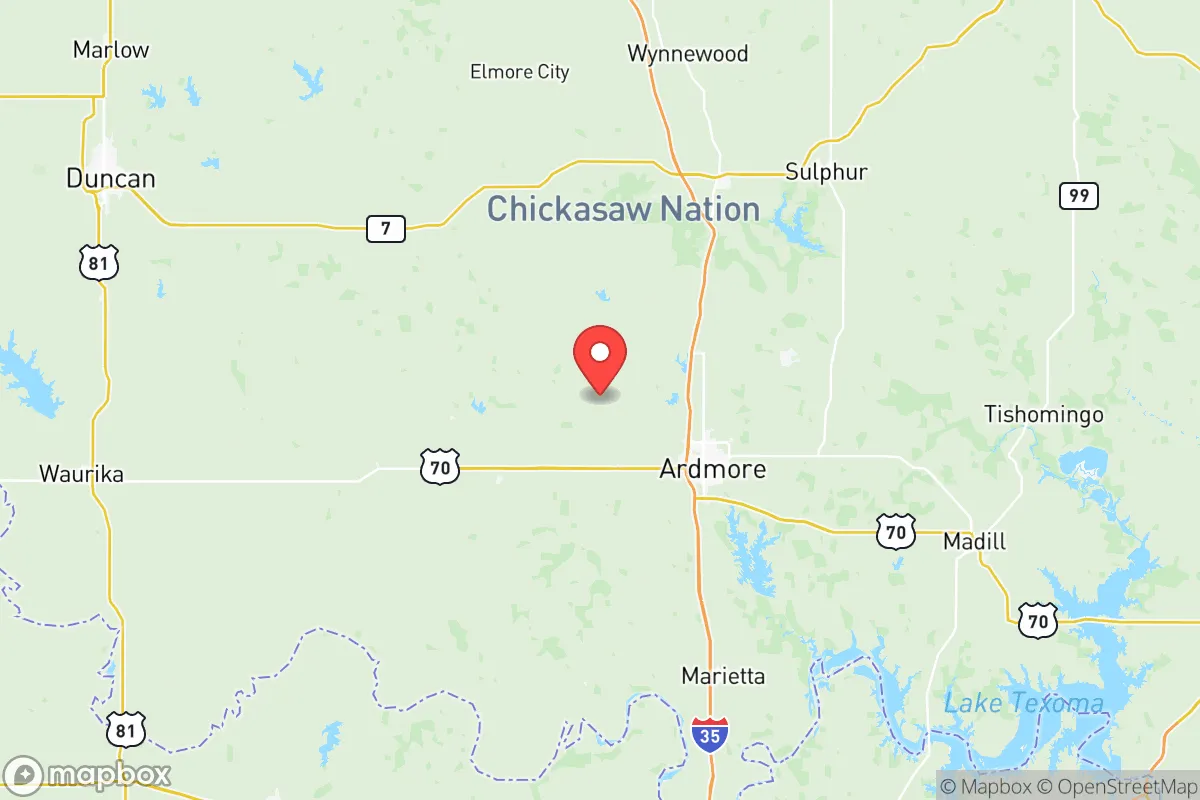
Photo: Wikipedia
Quality of Life in Carter County
A livable area that tracks near national norms for affordability, walkability, and neighborhood health.
What does Quality of Life tell us?
Quality of Life measures an area by evaluating factors like cost of living, nearby amenities, country club access, airport proximity, socioeconomic signals and neighborhood character. For large states, this is a general average — quality of life can vary dramatically between metro areas, suburbs, and rural communities within the same state.
What does this tell us?
Quality of Life measures an area by evaluating factors like cost of living, nearby amenities, country club access, airport proximity, socioeconomic signals and neighborhood character. For large states, this is a general average — quality of life can vary dramatically between metro areas, suburbs, and rural communities within the same state.
Cost of Living
29% below national average
134%
The Real Cost of Living in Carter County for 2026
| Tier | Individual | Family (4) |
|---|---|---|
| Survival | $15k | $28k |
| Comfortable | $30k | $44k |
| Luxury | $106k+ | $165k+ |
| Elite (Top 5%) | $127k+ | $197k+ |
Quality-of-Life Analysis
Carter County, Oklahoma, offers a distinct quality-of-life spectrum that ranges from the historic, amenity-rich Ardmore to the quiet, unincorporated crossroads of Dickson and the open ranchlands south of the county line. The county draws a mix of commuters working in Ardmore’s industrial and healthcare sectors, retirees seeking low property taxes, and families looking for affordable acreage within striking distance of the Dallas-Fort Worth metroplex. The key differentiator across the county is proximity to services versus access to land, with each end of the spectrum presenting a clear trade-off in daily convenience and space.
Largest town(s) & population centers
Ardmore is the undisputed hub of Carter County, home to roughly 25,000 residents and the county seat. Daily life here centers around the downtown revitalization along Main Street, the Ardmore Regional Park, and the Mercy Hospital Ardmore campus. The town supports a full slate of big-box retail, a regional airport, and the Ardmore Convention Center. Commuting patterns are notable: the average commute across the county is just over 21 minutes, but many Ardmore residents work locally at the Michelin tire plant or the Oklahoma State University Arbuckle Agricultural Research Station. The presence of the Chickasaw Nation’s headquarters and the Artesian Hotel & Casino adds a cultural and employment anchor that smaller towns in the county lack.
Smaller towns & rural pockets
South of Ardmore, Lone Grove (population ~5,000) functions as a bedroom community with its own school district and a handful of local restaurants, but residents typically drive into Ardmore for groceries and medical care. Further south, Wilson (population ~1,600) sits near the Red River and offers a slower pace, with a historic downtown that has seen modest reinvestment. Healdton (population ~2,700) anchors the western side of the county and is known for the Healdton Oil Museum, reflecting the area’s early-20th-century oil boom. Unincorporated areas like Dickson and Springer are essentially crossroads with a post office and a gas station, where residents rely on Ardmore for most services. The rural pockets east of Ardmore, toward the Murray County line, are characterized by larger ranchettes and working cattle operations, with the nearest grocery store often a 20-minute drive.
Cost & lifestyle range
The cost of living in Carter County is a major draw, with a composite index of 71 (100 = U.S. average). The median home value sits at $153,500, and median rent is $945, making homeownership accessible even on a single income. At the low end of the spectrum, older homes in Healdton or Wilson can be found for under $100,000, though these often require renovation. At the higher end, newer subdivisions in Ardmore’s northwest side and lakefront properties near Lake Murray (just east of the county line) push above $300,000. Lifestyle varies accordingly: Ardmore residents enjoy walkable downtown events, a YMCA, and multiple dining options, while those in Lone Grove or Healdton trade those amenities for larger lots, lower property taxes, and quieter streets. The trade-off is most visible in commute times—a Healdton resident commuting to Ardmore faces a 25-minute drive, while a Dickson resident might have a 15-minute trip to the same job.
Families and retirees who prioritize low housing costs and a slower pace tend to thrive in Carter County’s smaller communities, while professionals and those who want access to healthcare, retail, and cultural events gravitate toward Ardmore. The county’s overall affordability and short commutes make it a practical choice for anyone seeking a lower-cost alternative to the Dallas suburbs, provided they are comfortable with a limited local job market outside of Ardmore’s core industries.

Crime in Carter County
Crime rates similar to the national median for U.S. locations.
Violent CrimeViolent Crime Analysis
Property CrimeProperty Crime Analysis
Crime Analysis
Carter County, Oklahoma, reports a violent crime rate of 409.6 per 100,000 residents and a property crime rate of 1,820.6 per 100,000, placing its violent crime above the national average while property crime sits slightly below. These countywide figures mask significant variation between the urban hub of Ardmore and smaller towns such as Lone Grove, Wilson, and Healdton, where localized policing strategies and judicial philosophies directly affect day-to-day safety.
Crime in context
To understand Carter County’s numbers, it is useful to compare them with state and national benchmarks. The 2022 U.S. violent crime rate was roughly 380 per 100,000, meaning Carter County’s 409.6 exceeds that figure by nearly 8%. Property crime – including burglary, theft, and motor vehicle theft – occurred at 1,820.6 per 100,000, slightly below the national average of approximately 1,954. Oklahoma’s statewide violent crime rate in recent years has hovered around 430–470 per 100,000, so Carter County is slightly safer than the state as a whole for violent crime but remains a moderate-risk area. The county’s property crime rate is roughly 7% lower than the national median, a statistic driven largely by lower rates in smaller communities like Springer and Ratliff City. However, the county’s concentration of crime in Ardmore means that overall figures can mislead newcomers about the safety of outlying towns.
What residents experience
Residents of Ardmore, the county seat and largest city, encounter the majority of Carter County’s crime. Ardmore’s violent crime rate is estimated to be 25–30% above the county average, with aggravated assaults and robberies concentrated near the downtown corridor and along major thoroughfares such as Broadway and Veterans Boulevard. Property crime in Ardmore – particularly vehicle break-ins and package theft – is a persistent annoyance for renters and homeowners in neighborhoods within a mile of Interstate 35. In contrast, Lone Grove (population roughly 5,000) and Wilson (population approximately 1,600) report violent crime rates well below the county figure, often 50% lower, due to smaller populations and tighter-knit communities. Healdton and Springer are similarly quiet, with residents citing trespassing or occasional theft as the most common safety grievance. The absence of a large, urbanized center with progressive criminal justice policies in Carter County is a notable positive for public safety. Unlike metropolitan counties where district attorneys elected on reform platforms have reduced incarceration and supervision, Carter County’s District Attorney (District 20) has historically pursued traditional, law-enforcement-friendly charging practices. This approach correlates with fewer reoffending cycles and a higher sense of justice among victims, as criminals face consistent consequences rather than diversion programs that prioritize offender rehabilitation over community protection.
Neighborhood-level variation within Ardmore itself deserves attention. The northwest side of Ardmore – including areas near Lake Murray – shows property crime rates roughly 30% lower than the city average, while south Ardmore near the Love County line experiences the highest incidence of burglaries and drug-related offenses. Police presence is heavier in the downtown and commercial zones, but residential patrols are thinner in peripheral subdivisions. For families weighing a move to Carter County, choosing a home in Lone Grove, Wilson, or the Lake Murray corridor generally provides a significant safety advantage over living inside Ardmore’s city limits.
* Values derived from national, state, county, city and local statistics and may differ in a specific area. Last updated: 2026-06-01T23:31:28.000Z
Narrative content on this page is AI-generated and may contain mistakes. Verify any details that matter before acting on them.
ReloMaps may earn a commission from affiliate links at no extra cost to you.

