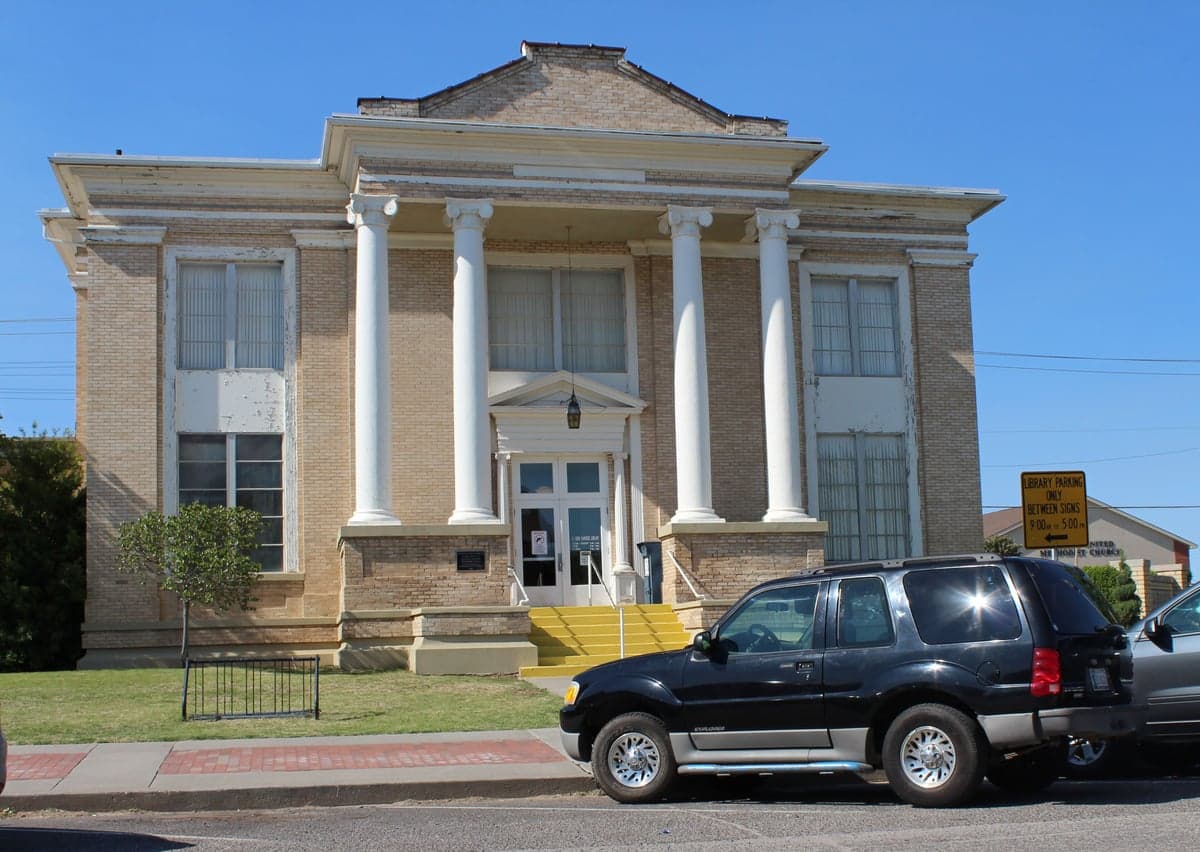
Photo: Wikipedia
Strategic Assessment of Canadian County
Meaningful friction. Expect exposure to either population pressure, blast zones, or natural disaster risk. Consider buying a retreat property.
What does the Strategic Assessment tell us?
Our Strategic Assessment grades tactical survivability of an area. Major population centers, military targets, fallout zones, natural disasters, and border exposure all drive risk — lower exposure means a more defensible position in a crisis.
This is heavily inspired by Joel Skousen's Strategic Relocation book. Highly recommended you checkout the book ($)What does this tell us?
Our Strategic Assessment grades tactical survivability of an area. Major population centers, military targets, fallout zones, natural disasters, and border exposure all drive risk — lower exposure means a more defensible position in a crisis.
This is heavily inspired by Joel Skousen's Strategic Relocation book. Highly recommended you checkout the book ($)Strategic Pillars

Key Distances
Strategic Assessment Analysis
Canadian County, Oklahoma, sits in a strategic sweet spot that resilience-minded relocators should take seriously. It offers the logistical advantages of being part of the Oklahoma City metro while maintaining enough distance from the urban core to avoid the worst of a collapse scenario. The county’s growth trajectory—fueled by a mix of energy, logistics, and aerospace jobs—has created a built-in infrastructure buffer that most rural counties lack, yet it hasn’t yet attracted the density that makes a target of itself. For someone weighing civic unrest, supply chain disruptions, or natural disasters, Canadian County presents a rare combination: proximity to resources without the vulnerability of being inside the blast radius.
Geographic position and natural advantages for long-term security
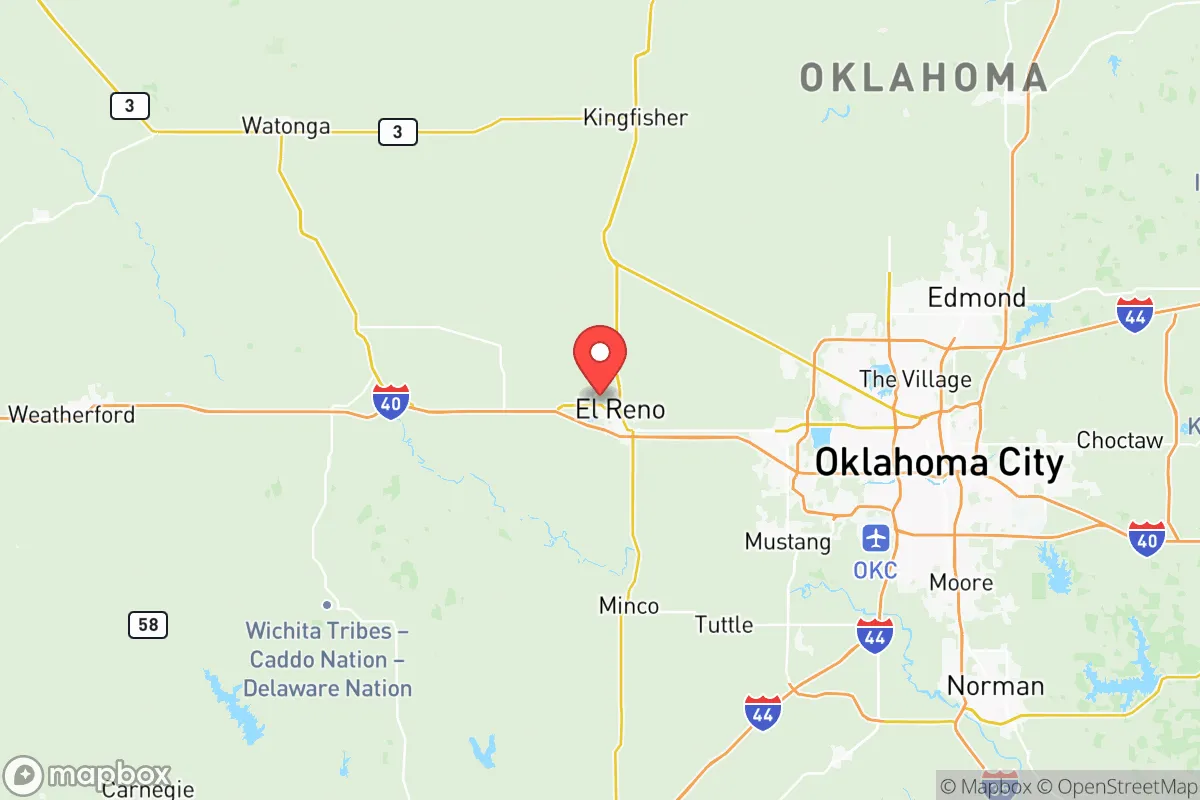
Canadian County anchors the western edge of the Oklahoma City metropolitan area, with its seat at El Reno and the fastest-growing population hub at Yukon. This placement puts you roughly 20–30 miles from downtown Oklahoma City—close enough to access major medical centers, federal buildings, and supply chains, but far enough that a localized event in the city won’t automatically cascade into your backyard. The county sits in the Central Oklahoma Plains, which means flat to gently rolling terrain that’s easy to defend visually and offers good agricultural soil. The Canadian River runs through the southern part of the county, providing a natural water source that isn’t dammed or controlled by a single municipal entity. That river, combined with the North Canadian River near the northern edge, gives you multiple surface water options if municipal systems go down. The climate is semi-arid continental—hot summers, cold winters, but low humidity means fewer mold and rot issues for stored supplies. Tornado risk is real (this is the heart of Tornado Alley), but the flat terrain also means you can build a storm shelter or bermed structure without major excavation costs. For a prepper, the natural advantages boil down to: defensible terrain, multiple water sources, and a climate that supports long-term food storage.
Risks, exposures, and proximity to fallout-relevant landmarks
No strategic assessment is honest without naming the liabilities. Canadian County’s biggest exposure is its proximity to Tinker Air Force Base in Oklahoma City—a major strategic asset that, in a conflict scenario, becomes a high-value target. Tinker is the Air Force’s largest depot and a hub for logistics and maintenance of the B-1, B-52, and E-3 AWACS. If you’re within 30 miles of that base, you’re in the secondary blast zone for a conventional strike and in the fallout plume for a nuclear event. The county also sits near the Cushing oil storage hub (about 60 miles northeast), the largest commercial crude oil storage facility in North America. A disruption at Cushing would ripple through fuel supplies nationwide, and its proximity means Canadian County could see secondary effects like fuel shortages or targeted infrastructure attacks. On the plus side, the county itself has no major refineries, chemical plants, or military bases within its borders. The El Reno Federal Correctional Institution is a low-risk facility—not a target. The Will Rogers World Airport is about 25 miles east, which is close enough to matter for evacuation routes but far enough that a runway closure won’t trap you. The real risk is being caught between two major infrastructure nodes—Tinker and Cushing—in a coordinated attack. For a relocator, the mitigation strategy is simple: live on the western edge of the county, closer to Calumet or Union City, where you’re 40+ miles from Tinker and have multiple escape routes west toward the Texas Panhandle or southwest toward Fort Sill.
Practical resilience for a relocator: food, water, energy, and defensibility
For daily life and long-term survival, Canadian County offers a mix that’s hard to beat in the Southern Plains. Water is the first concern: the county relies on a combination of municipal systems (Oklahoma City’s water supply from Lake Hefner and the Canadian River) and private wells. In the western parts of the county, groundwater is accessible at depths of 100–300 feet, and the Garber-Wellington Aquifer underlies much of the area. A well with a hand pump or solar-powered pump gives you independent water security. Food is a strong point: the county has active agricultural production—wheat, cattle, and hay—and the El Reno Farmers Market and Yukon’s Czech Festival (a cultural touchstone) reflect a community that still values local food. You can buy a small acreage (5–20 acres) for $5,000–$10,000 per acre in the western parts, which is affordable for a homesteading setup. Energy is robust: the county sits on the Western Oklahoma wind corridor, with several wind farms operating near Calumet and Hinton. Natural gas is plentiful, and the electrical grid is tied to the Southwest Power Pool, which is more stable than the Texas grid. For defensibility, the county’s layout works in your favor: the population is concentrated in Yukon, El Reno, and Mustang, leaving vast stretches of open farmland with long sightlines. A rural property with a gravel road approach and a bermed house is hard to approach unnoticed. The county sheriff’s office is well-funded and has a reputation for quick response in rural areas, but in a SHTF scenario, you’re relying on neighbors and your own perimeter. The Canadian County Gun Club and multiple shooting ranges in the area indicate a culture of firearm ownership and self-reliance—a soft signal that the community won’t fold easily.
The overall strategic picture for Canadian County is one of calculated risk. It’s not a remote bunker location—you’re still within a two-hour drive of Oklahoma City’s hospitals, the OU Medical Center, and the Oklahoma City National Stockyards (a major food distribution hub). But it’s also not a dense suburb that will turn into a refugee corridor overnight. The county’s growth is steady but not explosive, meaning you can still buy land at reasonable prices and build a resilient setup before the area becomes another exurban sprawl. The biggest threat is the proximity to Tinker and Cushing, but that’s a trade-off for access to the region’s economic engine. If you’re a conservative-leaning relocator who values community self-reliance, low crime rates (Canadian County’s violent crime rate is roughly half the national average), and a government that doesn’t overreach, this is a solid bet. Just don’t buy east of Yukon, and make sure your well is deep.

* Values derived from national, state, county, city and local statistics and may differ in a specific area. Last updated: 2026-05-28T04:02:23.000Z
Narrative content on this page is AI-generated and may contain mistakes. Verify any details that matter before acting on them.
ReloMaps may earn a commission from affiliate links at no extra cost to you.

