Photo: Wikipedia
Quality of Life in North Olmsted, OH
A high quality of life with strong walkability, manageable living costs, healthy neighborhood signals, and solid amenity access.
What does Quality of Life tell us?
Quality of Life blends cost of living, nearby amenities, socioeconomic signals, and neighborhood character. City-level scores represent the whole municipality; individual neighborhoods can differ.
What does this tell us?
Quality of Life blends cost of living, nearby amenities, socioeconomic signals, and neighborhood character. City-level scores represent the whole municipality; individual neighborhoods can differ.
Cost of Living
15% below national average
The Real Cost of Living in North Olmsted, OH for 2026
| Tier | Individual | Family (4) |
|---|---|---|
| Survival | $17k | $33k |
| Comfortable | $39k | $58k |
| Luxury | $136k+ | $210k+ |
| Elite (Top 5%) | $159k+ | $247k+ |
148%
The Area Signal
A metric tracking the socioeconomic signals of the area.
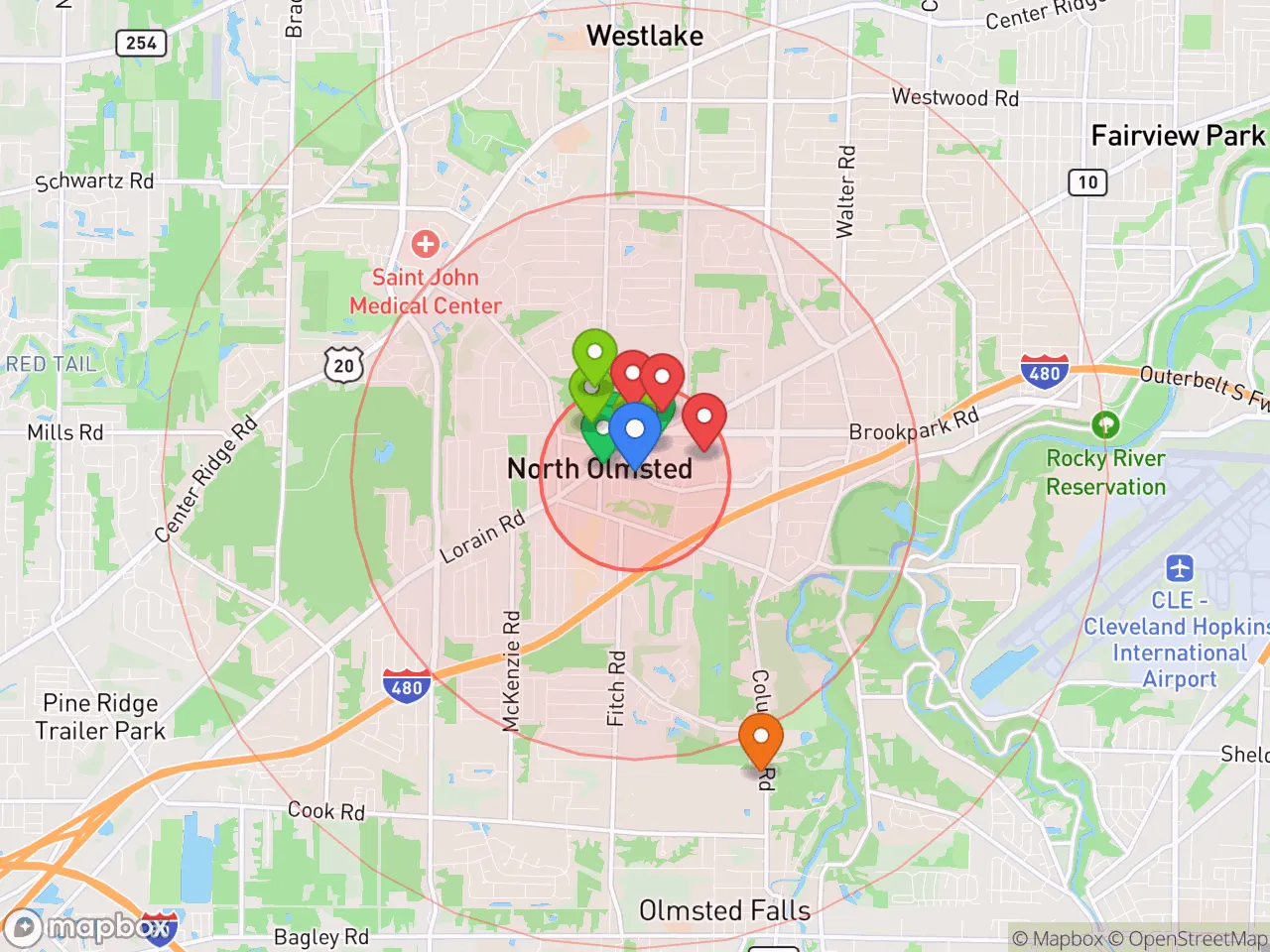
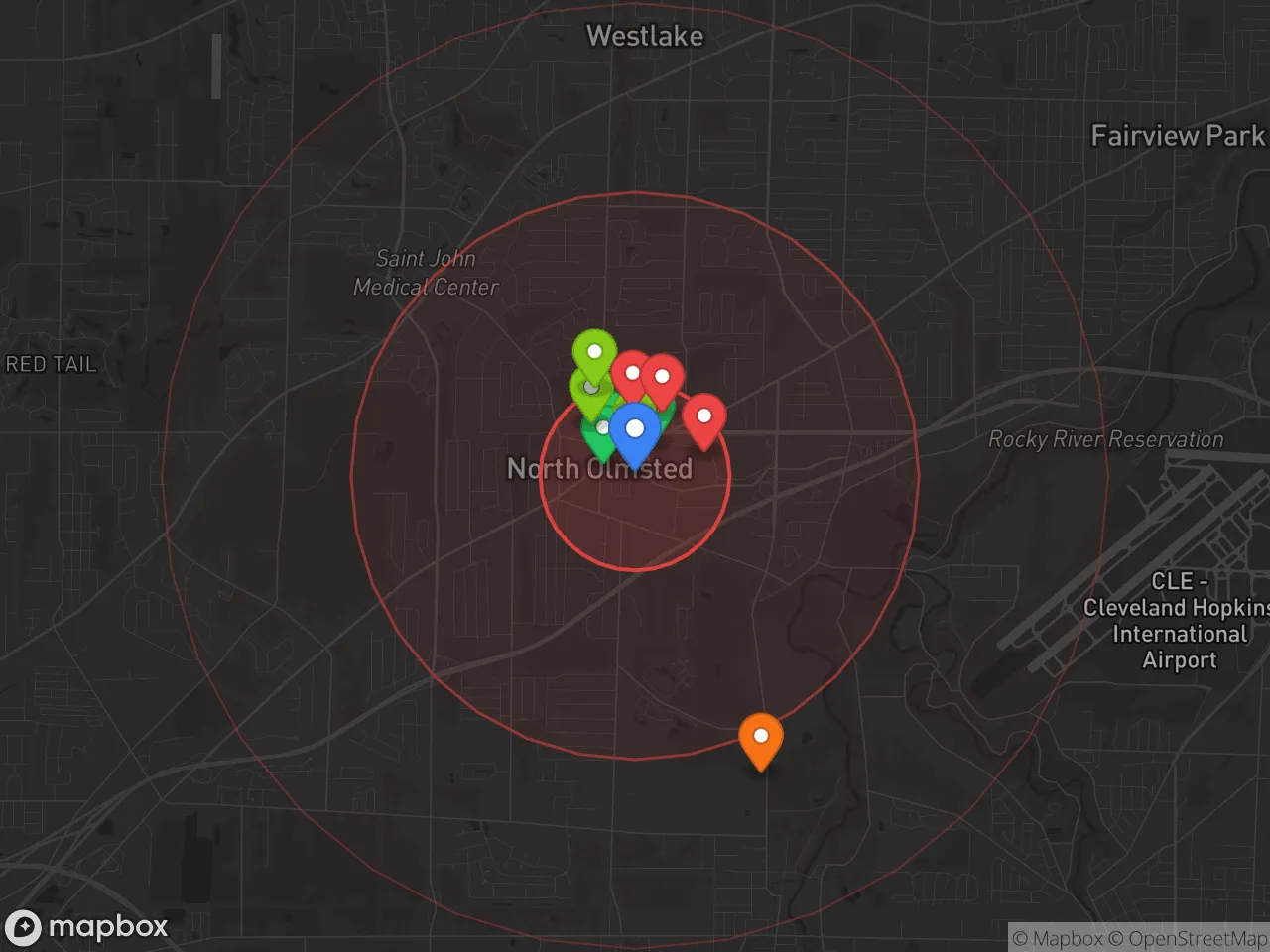
Hobbies
Explore the areaGroceries
0 within 10 miles
Gas
0 within 10 miles
Hospital
0 within 20 miles
Airport
DTW — Detroit Metropolitan Wayne County
Post Office
Critical Amenities
Quality-of-Life Analysis
North Olmsted, Ohio, offers a quality of life defined by solid middle-class stability, with a cost of living index of 85 (15% below the U.S. average) that attracts families and long-term residents seeking value near Cleveland. The city’s population of roughly 32,000 is predominantly owner-occupied, with a median home value of $202,400 and a median rent of $1,092, creating a community where homeownership is attainable for many. The average commute of just under 24 minutes keeps daily life efficient, reinforcing North Olmsted’s reputation as a practical, family-oriented suburb rather than a high-gloss enclave.
How housing costs and affordability compare to nearby suburbs
North Olmsted’s housing market is notably more affordable than neighboring communities like Westlake (median home value ~$310,000) or Rocky River (~$280,000), making it a strong entry point for first-time buyers. With a median home value of $202,400 and a cost of living index of 85, a household earning the area’s median income of roughly $70,000 can comfortably afford a mortgage without being cost-burdened. Renters also benefit: the median rent of $1,092 is roughly $200–$300 less per month than comparable units in Westlake or Fairview Park. Property taxes in Cuyahoga County average around 2.2% of assessed value, which is higher than the national norm but typical for Northeast Ohio, and the city’s lack of a local income tax (only the 2.5% state and county school district tax applies) keeps take-home pay competitive. For buyers priced out of lakefront suburbs, North Olmsted offers a clear affordability advantage without sacrificing proximity to Cleveland’s job centers.
What daily life is like for families: schools, parks, and amenities
Daily life in North Olmsted revolves around the well-regarded North Olmsted City School District, which serves roughly 4,500 students and maintains a 14:1 student-teacher ratio. The district’s high school offers Advanced Placement courses and a strong athletics program, while the city’s 50+ parks and recreational facilities—including the 200-acre North Olmsted Recreation Center and the sprawling Bradley Woods Reservation—provide ample green space for youth sports and outdoor activities. The retail corridor along Lorain Road and Great Northern Boulevard is anchored by Great Northern Mall and a dense mix of big-box stores, grocery chains, and local restaurants, meaning most errands are a five-minute drive. The average commute of 23.9 minutes is shorter than the national average of 26.4 minutes, and residents can reach downtown Cleveland in under 20 minutes via I-480 or the Ohio Turnpike. The city also hosts seasonal events like the North Olmsted Home Days festival and a farmers market, fostering a neighborly, small-town feel within a suburban setting.
North Olmsted is best suited for families, young professionals, and retirees who prioritize affordability, convenience, and a low-key suburban lifestyle over urban excitement or prestige. The combination of below-average costs, solid schools, and a short commute makes it a logical choice for commuters working in Cleveland’s healthcare, manufacturing, or education sectors. Those seeking nightlife or high-end dining may find the city too quiet, but for buyers and renters who want a stable, walkable-to-driveable suburb with strong community ties, North Olmsted delivers consistent value.

Crime in North Olmsted, OH
Lower crime rates than 81% of comparable U.S. locations.
Violent CrimeViolent Crime Analysis
Property CrimeProperty Crime Analysis
Crime Analysis
North Olmsted, Ohio, reports a violent crime rate of 31.7 incidents per 100,000 residents and a property crime rate of 774.4 per 100,000, according to the most recent data. These figures place the city in a complex safety landscape: violent crime is significantly below national averages, but property crime rates are elevated, reflecting challenges common to inner-ring suburbs near a major metropolitan area. The city’s proximity to Cleveland means it is subject to regional crime trends, and the broader Cuyahoga County justice system—influenced by progressive prosecutors and judges—raises legitimate concerns about recidivism and offender accountability that directly affect public safety in communities like North Olmsted.
Crime in context
North Olmsted’s violent crime rate of 31.7 per 100,000 is roughly one-fifth the national average and well below the Ohio state average of approximately 300 per 100,000. This makes the city one of the safer options in Greater Cleveland for violent offenses such as homicide, robbery, and aggravated assault. However, the property crime rate of 774.4 per 100,000 is about 30% higher than the national average of roughly 600 per 100,000. Theft, burglary, and motor vehicle theft are the primary drivers. Residents should note that Cuyahoga County’s elected officials, including a district attorney who has prioritized diversion programs and reduced sentencing for non-violent offenders, may contribute to a higher likelihood of property crime recidivism. This ideological approach, while well-intentioned, can result in more criminals remaining on the street, undermining the deterrent effect of prosecution and increasing risks for homeowners and businesses.
What residents experience
Daily life in North Olmsted is generally quiet, with most violent crime concentrated in isolated incidents rather than random attacks. The city’s police department maintains a visible presence, particularly around the Great Northern Mall and major commercial corridors like Lorain Road and Brookpark Road. Property crime, however, is a persistent annoyance: package thefts from porches, vehicle break-ins, and shoplifting are common complaints. The progressive criminal justice policies at the county level mean that many property offenders face minimal jail time or are released on recognizance, which frustrates residents who see repeat offenders cycling through the system. For families, the low violent crime rate is reassuring, but the property crime environment demands vigilance—locking cars, securing garages, and using home security systems are standard precautions.
Neighborhood-level variation in North Olmsted is modest but notable. Areas closer to the city’s borders with Fairview Park and Westlake tend to see slightly lower property crime rates, while neighborhoods adjacent to the mall and Interstate 480 experience more theft-related incidents. The city’s housing stock is predominantly post-war single-family homes, and most blocks feel safe during the day. However, the overarching influence of Cuyahoga County’s liberal justice system means that residents cannot rely on strong deterrence from prosecution alone; personal and community-based safety measures are essential to maintaining the city’s generally peaceful character.
* Values derived from national, state, county, city and local statistics and may differ in a specific area. Last updated: 2026-11-27T14:57:00.000Z
Narrative content on this page is AI-generated and may contain mistakes. Verify any details that matter before acting on them.
ReloMaps may earn a commission from affiliate links at no extra cost to you.

