Quality of Life in North Dakota
A livable area that tracks near national norms for affordability, walkability, and neighborhood health.
What does Quality of Life tell us?
Quality of Life measures an area by evaluating factors like cost of living, nearby amenities, country club access, airport proximity, socioeconomic signals and neighborhood character. For large states, this is a general average — quality of life can vary dramatically between metro areas, suburbs, and rural communities within the same state.
What does this tell us?
Quality of Life measures an area by evaluating factors like cost of living, nearby amenities, country club access, airport proximity, socioeconomic signals and neighborhood character. For large states, this is a general average — quality of life can vary dramatically between metro areas, suburbs, and rural communities within the same state.
Cost of Living
18% below national average
110%
The Real Cost of Living in North Dakota for 2026
| Tier | Individual | Family (4) |
|---|---|---|
| Survival | $15k | $28k |
| Comfortable | $47k | $69k |
| Luxury | $135k+ | $209k+ |
| Elite (Top 5%) | $159k+ | $246k+ |
Quality-of-Life Analysis
North Dakota offers a surprisingly broad spectrum of quality-of-life options, ranging from the energy-driven boomtowns of the Bakken oil patch to the quiet, depopulating farm communities of the eastern Drift Prairie. With a statewide cost of living index of 82 (well below the US average of 100), a median home value of $241,100, and a median rent of $934, the financial barrier to entry is low, but the lifestyle trade-offs are significant. The state essentially splits into three tiers: the urban-service hubs of Fargo and Bismarck, the mid-sized energy and college towns, and the vast, sparsely populated rural expanse where a 20-minute commute (the state average is just 18 minutes) can feel like a trip to the next county.
Major metros: Fargo, Bismarck, and Grand Forks
For those seeking urban amenities without big-city costs, North Dakota's three largest metro areas provide distinct options. Fargo, the state's largest city with a population over 125,000, is the economic and cultural engine of the east, anchored by a robust healthcare sector (Sanford Health is the largest employer), North Dakota State University, and a growing tech scene. Its vibe is Midwestern progressive — walkable downtown with breweries, a thriving arts district, and a younger demographic drawn by jobs and relatively affordable housing. Bismarck, the state capital, offers a more conservative, family-oriented pace with a strong government and energy-sector employment base; its Missouri River waterfront and newer suburban developments attract those who want stability and outdoor access. Grand Forks, home to the University of North Dakota, is the smallest of the three metros but punches above its weight in aerospace and drone research, offering a quieter, college-town feel with lower home prices than Fargo. Each metro provides a genuine urban core, but none approach the density or traffic of a major national city — the average commute across the state is under 19 minutes.
Mid-size cities & college towns: Minot, Williston, Dickinson, and Valley City
The mid-tier cities in North Dakota are often defined by a single dominant industry or institution. Minot, known as the "Magic City," is a regional retail and medical hub for the northwestern part of the state, with a strong Air Force base presence (Minot AFB) that brings a transient, patriotic energy. Williston and Dickinson are the epicenters of the Bakken oil boom; Williston has seen explosive growth and higher wages, but also higher rents and a rougher-edged, transient feel, while Dickinson offers a slightly more settled, family-oriented version of the same energy economy. Valley City, home to Valley City State University, is a classic small college town on the Sheyenne River, offering a slower, more affordable pace for those who want academic culture without the size of Fargo. These cities serve as gateways: they have the retail and healthcare infrastructure of a small city but are surrounded by the working landscapes of agriculture and energy extraction.
Small towns & rural areas: Medora, Watford City, and the Red River Valley
The true rural experience in North Dakota is defined by vast distances, strong community ties, and a pace of life that can be either idyllic or isolating depending on perspective. Medora, in the Badlands, is a tiny tourist town that transforms into a bustling western-themed destination in summer, offering a unique lifestyle centered on the Theodore Roosevelt National Park and the Medora Musical — ideal for retirees or hospitality workers who value scenery over convenience. Watford City, in the heart of the oil patch, has experienced a boom-and-bust cycle that makes it a high-risk, high-reward place for those willing to work in energy. In the eastern Red River Valley, towns like Hillsboro and Mayville offer classic agricultural living: quiet streets, strong Lutheran and Catholic parish life, and a deep connection to the land. These areas attract people who want space, low crime, and a known community, but they require self-reliance — the nearest hospital or big-box store may be 30 to 60 minutes away.
Luxury vs. affordable living: enclaves of wealth and pockets of value
Luxury in North Dakota is relative, but specific enclaves command premium prices. In the Fargo metro, the Southpointe and Osgood neighborhoods offer new construction homes with walkout basements and proximity to the Red River, often exceeding $500,000. In Bismarck, the Fox Island area along the Missouri River features high-end custom homes with private docks. The oil towns of Williston and Watford City have pockets of luxury housing built for energy executives, with rents that can rival Minneapolis. On the affordable end, Jamestown and Wahpeton offer median home values well below the state average — often under $180,000 — with a stable, slow-paced lifestyle. Devils Lake, despite its flooding history, remains one of the most affordable places to buy a home in the state, with prices that can dip below $100,000 for a fixer-upper. The spread between the most expensive and most affordable areas is narrower than in most states, but the trade-off is access to jobs and amenities.
The practical reality of living in North Dakota is that the state's low cost of living and short commutes come with a trade-off in climate extremes and geographic isolation. Young professionals and families thrive in Fargo and Bismarck, where job diversity and amenities are strongest. Energy workers and risk-takers find opportunity in the western oil towns, accepting higher costs and transience for higher wages. Retirees and those seeking true quiet often settle in the small towns of the Red River Valley or the scenic Badlands around Medora. The statewide median home value of $241,100 and median rent of $934 make homeownership achievable for most, but the choice of where to live in North Dakota is less about budget and more about tolerance for winter, distance from services, and the kind of community one wants to build.

Crime in North Dakota
Generally safer than 65% of comparable U.S. locations.
Violent CrimeViolent Crime Analysis
Property CrimeProperty Crime Analysis
Crime Analysis
North Dakota maintains one of the lowest violent crime rates in the nation, with a statewide figure of 234.1 incidents per 100,000 residents — well below the national average of roughly 380 per 100,000. Property crime, however, runs higher at 1,467.8 per 100,000, a rate that approaches the national median and reflects challenges concentrated in the state’s energy-boom towns and larger cities. While the state is generally safe, residents in certain jurisdictions face elevated risks tied to oil-industry transience, limited law enforcement staffing, and, in some areas, progressive prosecutorial policies that critics argue reduce accountability for repeat offenders.
Crime in context
North Dakota’s violent crime rate is roughly 38% lower than the U.S. average, placing it among the ten safest states by that metric. Homicide rates are especially low — typically 1.5 to 2.0 per 100,000 versus the national 6.5 — and aggravated assault accounts for the majority of violent incidents. Property crime, by contrast, is a more pressing concern. The statewide rate of 1,467.8 per 100,000 is slightly above the national property crime average of about 1,450, driven largely by larceny-theft and motor vehicle theft in the Bakken oil region. Cities like Williston and Dickinson have historically reported property crime rates 20–40% above the state average, a pattern linked to the high turnover of temporary oil-field workers and the prevalence of unsecured camp housing. In contrast, Fargo and Bismarck post property crime rates closer to the state median, though Fargo’s overall crime index still exceeds smaller communities such as Mandan or West Fargo.
What residents experience
For most North Dakotans, the risk of violent victimization is low. The state’s rural character means that many counties report fewer than 50 violent crimes annually, and residents in communities like Minot or Grand Forks generally feel safe walking alone at night. However, property crime — particularly vehicle break-ins, theft from construction sites, and burglary of unoccupied homes — is a routine frustration. In the Bakken counties of Williams and McKenzie, property crime rates have at times doubled the state average, straining local sheriff’s offices. A more systemic concern involves the East Central Judicial District (covering Fargo and Cass County), where some defense attorneys and advocacy groups have pushed for progressive bail reform and diversion programs. Critics argue that these policies, while well-intentioned, have led to repeat property offenders cycling through the system without meaningful consequences, eroding public confidence in the justice system. In contrast, the South Central Judicial District (Bismarck and Burleigh County) maintains a more traditional approach, with higher pretrial detention rates and longer sentences for habitual offenders — a stance that correlates with lower recidivism in that region.
Neighborhood-level variation is pronounced in North Dakota’s larger cities. In Fargo, the downtown core and areas near the North Dakota State University campus report higher rates of theft and vandalism, while suburban neighborhoods in south Fargo and West Fargo see significantly fewer incidents. Bismarck’s south side and the Lincoln area experience elevated property crime relative to the city’s northwest quadrant. In Williston, the transient-worker housing zones east of downtown account for a disproportionate share of both property and drug-related offenses. Prospective residents should examine block-level crime maps for their specific target neighborhood, as the difference between a safe street and a problematic one can be stark — especially in communities where progressive judicial policies have reduced the deterrent effect of prosecution.
Top Cities for Quality of Life in North Dakota
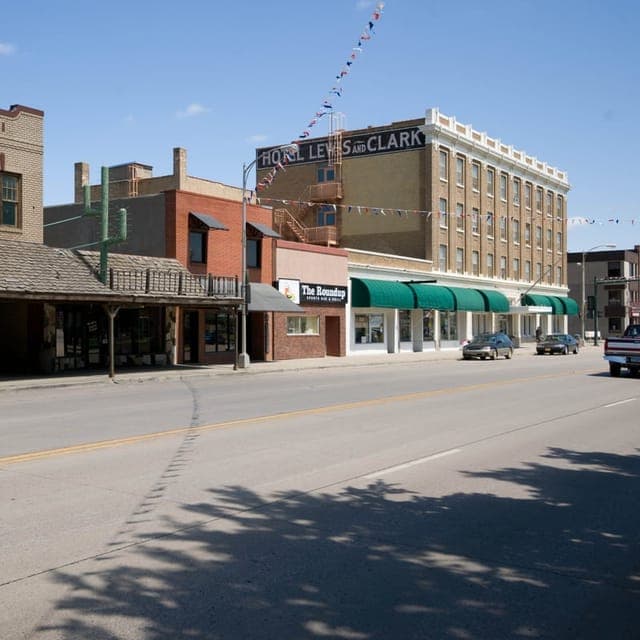
* Values derived from national, state, county, city and local statistics and may differ in a specific area. Last updated: 2026-06-16T04:23:01.000Z
Narrative content on this page is AI-generated and may contain mistakes. Verify any details that matter before acting on them.
ReloMaps may earn a commission from affiliate links at no extra cost to you.

