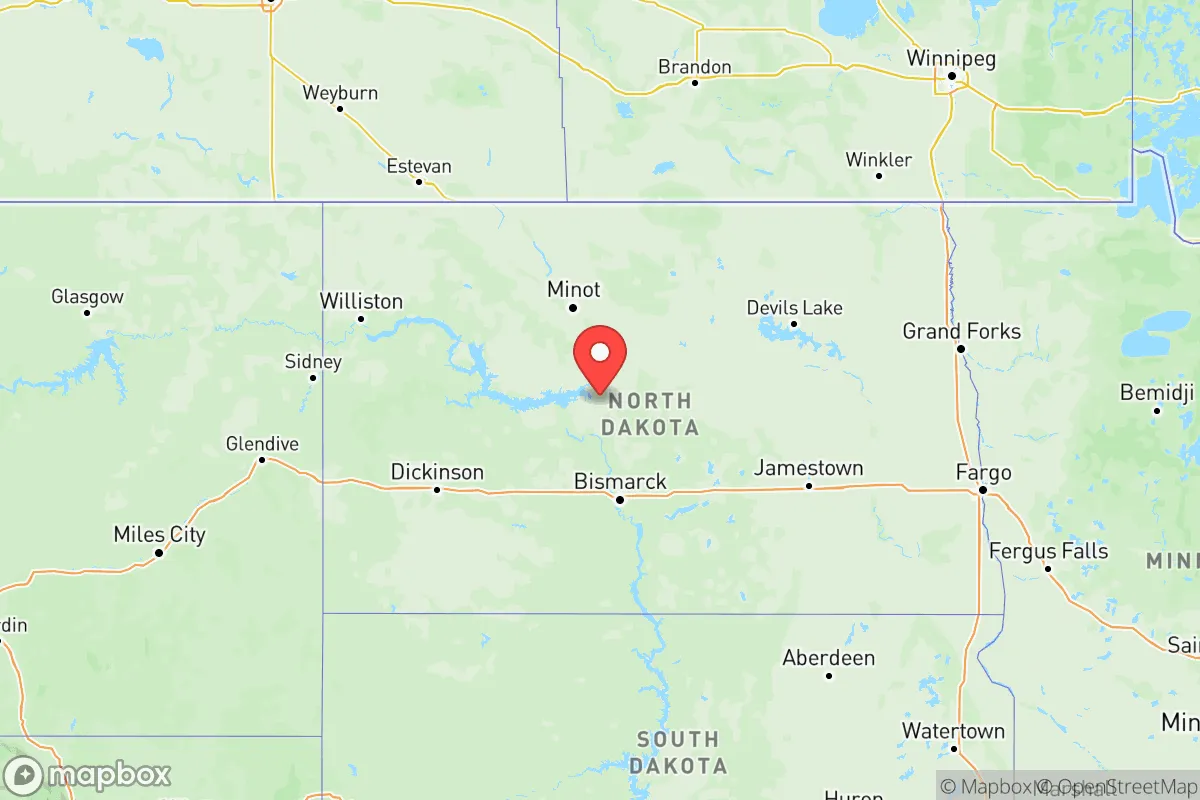
Personal Sovereignty in North Dakota
Viable for self-reliance. Generally workable, though some barriers may limit total independence.
What does Personal Sovereignty tell us?
Personal Sovereignty measures your capacity for self-reliance and independence with minimal government friction. Higher scores mean fewer barriers between you and the way you want to live... but it assumes you have the space you need and good neighbors.
What does this tell us?
Personal Sovereignty measures your capacity for self-reliance and independence with minimal government friction. Higher scores mean fewer barriers between you and the way you want to live... but it assumes you have the space you need and good neighbors.
State Policy
Energy independence: Net exporter (500% of energy produced in-state)
Personal Liberty
Homesteading

Personal Liberty Analysis
North Dakota offers one of the most robust personal sovereignty environments in the United States, characterized by a state government that consistently ranks among the least intrusive in the nation. With no state income tax, a constitutionally protected right to keep and bear arms, and a regulatory climate that actively encourages self-reliance, the state presents a compelling option for individuals and families seeking maximum autonomy. The autonomy environment is not uniform across the state, however, with distinct differences between the oil-boom towns of the northwest, the agricultural heartland, and the more populated eastern corridor around Fargo and Grand Forks.
Tax burden and regulatory posture: how North Dakota compares
North Dakota’s tax burden is among the lowest in the country, a direct result of its reliance on energy and agricultural revenues. The state imposes no state income tax on individuals, a fact that immediately distinguishes it from neighboring Minnesota and Montana. Property taxes are locally set and vary, but the statewide average effective rate is roughly 0.98% of assessed value, slightly below the national average. Sales tax is 5% at the state level, with local options pushing it to 6-7% in cities like Bismarck, Fargo, and Minot. The regulatory posture is equally light: North Dakota is a right-to-work state, has no statewide building code outside of cities, and its Department of Environmental Quality is known for a cooperative rather than adversarial approach to small businesses and farms. For a family or individual, this means less paperwork, lower overhead, and fewer bureaucratic hurdles when starting a business, building a home, or simply living day-to-day. The state’s approach is best described as "trust the citizen first," a philosophy that resonates strongly with those seeking to minimize government entanglement.
Self-defense and gun law specifics: constitutional carry and castle doctrine
North Dakota is a premier destination for those prioritizing self-defense rights. The state enacted constitutional carry in 2017, meaning any legal resident 18 or older may carry a concealed firearm without a permit. For those who still want a permit for reciprocity with other states, the process is straightforward and shall-issue. The state’s castle doctrine is unambiguous: there is no duty to retreat in one’s home, vehicle, or place of business, and the use of deadly force is presumed reasonable against unlawful entry. Stand-your-ground protections extend to any place where a person has a legal right to be. Local attitudes vary: in rural areas like Watford City and Williston, gun ownership is near-universal and openly practiced, while in Fargo and Grand Forks, the culture is still strongly pro-gun but more discreet. No major city in North Dakota has attempted to impose local gun ordinances that exceed state law, a testament to the state’s preemption statute. For a family, this means children can be taught firearm safety from a young age without social stigma, and a homeowner can defend their property without fear of prosecution.
Self-reliance and homesteading viability: lot sizes, zoning, and off-grid feasibility
North Dakota is one of the most viable states in the Lower 48 for off-grid living and homesteading. Outside of incorporated city limits, zoning is virtually nonexistent in most counties. In areas like Hettinger and Bowman in the southwest, or Cavalier and Langdon in the northeast, a family can purchase a 5- to 40-acre parcel for under $50,000 and build a home with minimal permitting. There is no statewide ban on rainwater collection, composting toilets, or alternative energy systems. Solar panels and wind turbines are common sights on rural properties, and the state offers net metering for grid-tied systems. The biggest practical challenge is water access: drilling a well can cost $10,000-$20,000 depending on depth, and in the western part of the state, water quality can be an issue. Septic systems require a county permit, but the process is straightforward. For those seeking true self-reliance, the Turtle Mountains region near Bottineau offers affordable land with timber, water, and relative isolation. The key distinction is between city and county: within Bismarck or Minot city limits, building codes and zoning apply, but a 15-minute drive into the county removes nearly all restrictions.
Personal liberties: parental rights, medical autonomy, speech, and property
North Dakota has a strong track record on personal liberties across multiple domains. Parental rights are explicitly protected: the state’s laws require parental consent for minors seeking medical procedures, and there is no state-level mandate for comprehensive sex education that overrides parental opt-out. Medical autonomy is respected, with no state mask or vaccine mandates during the pandemic era, and a legal framework that allows for conscientious objection to medical treatments. Free speech is robustly protected, with no hate speech laws that chill expression, and the state’s public universities, including the University of North Dakota in Grand Forks and North Dakota State University in Fargo, have generally avoided the speech-code controversies seen elsewhere. Property rights are among the strongest in the nation: North Dakota has a constitutional provision against the taking of private property for economic development, and the state’s agricultural land laws restrict foreign ownership. For a family, this means the ability to homeschool without excessive state oversight, to choose medical treatments without government interference, and to speak one’s mind in public without fear of legal reprisal.
Overall, North Dakota’s personal sovereignty environment is among the top tier in the United States, comparable to states like Alaska, Wyoming, and South Dakota. The combination of no income tax, constitutional carry, minimal zoning outside cities, and strong protections for parental and property rights creates a legal ecosystem where self-reliance is not just possible but encouraged. The trade-off is a harsh winter climate and a sparse population, but for those who value freedom over convenience, North Dakota offers a rare and genuine opportunity to live life on one’s own terms.

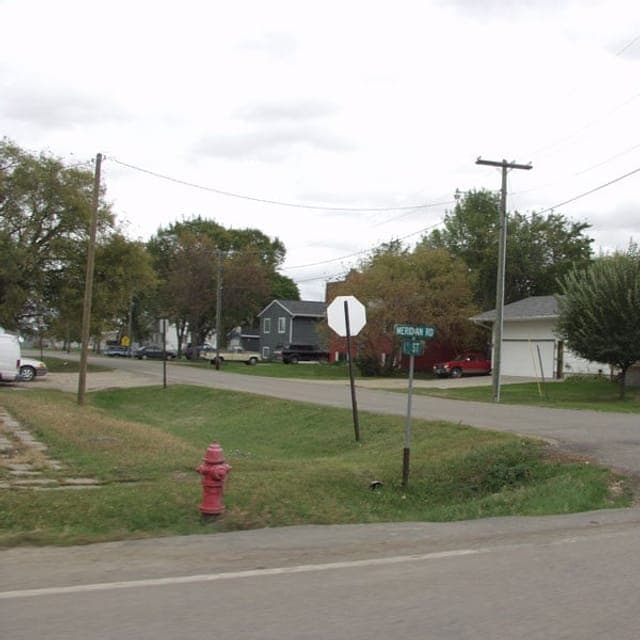
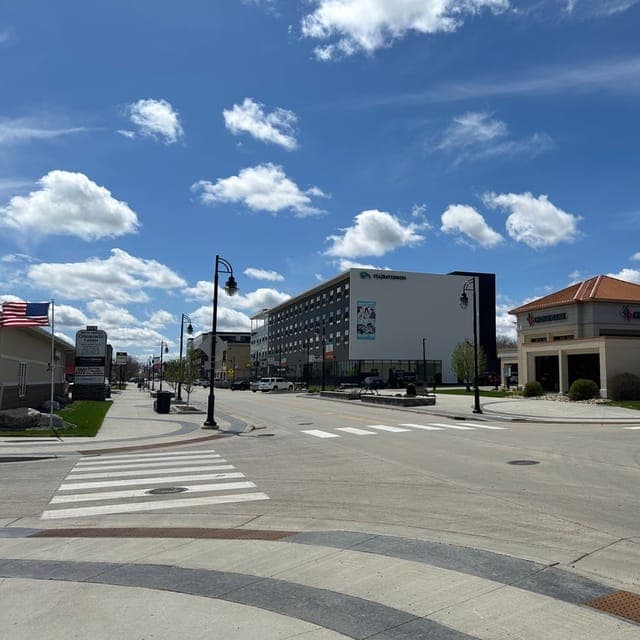
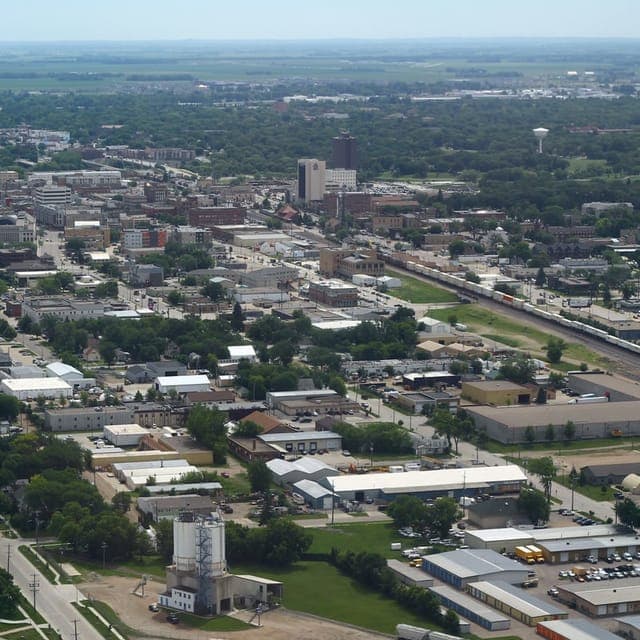
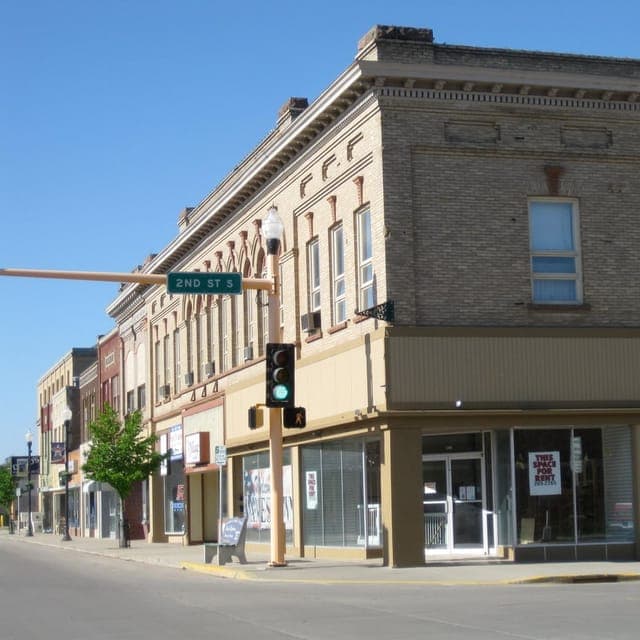
Top Cities for Personal Sovereignty in North Dakota
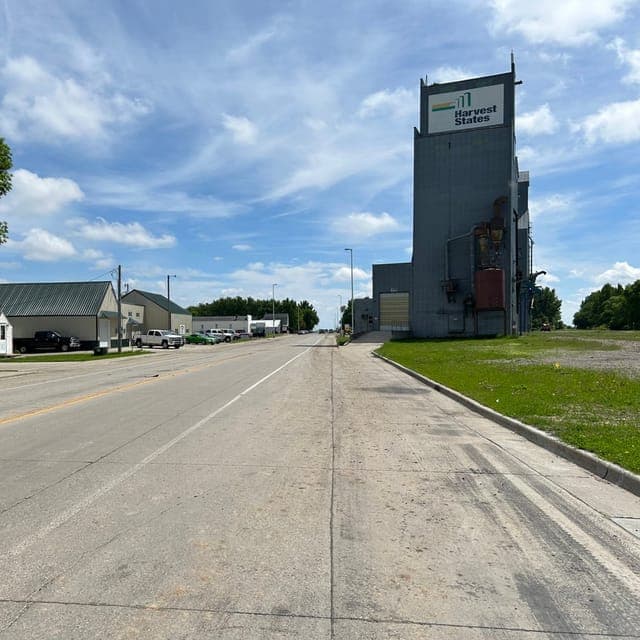
* Values derived from national, state, county, city and local statistics and may differ in a specific area. Last updated: 2026-06-16T04:23:01.000Z
Narrative content on this page is AI-generated and may contain mistakes. Verify any details that matter before acting on them.
ReloMaps may earn a commission from affiliate links at no extra cost to you.

