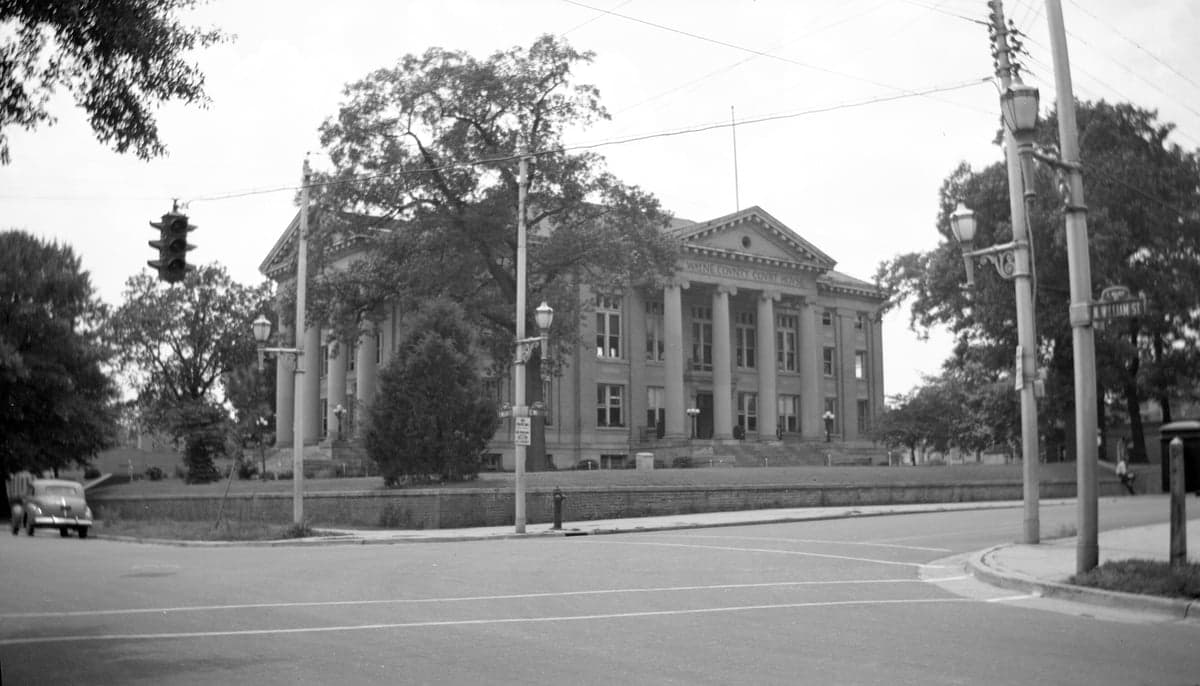
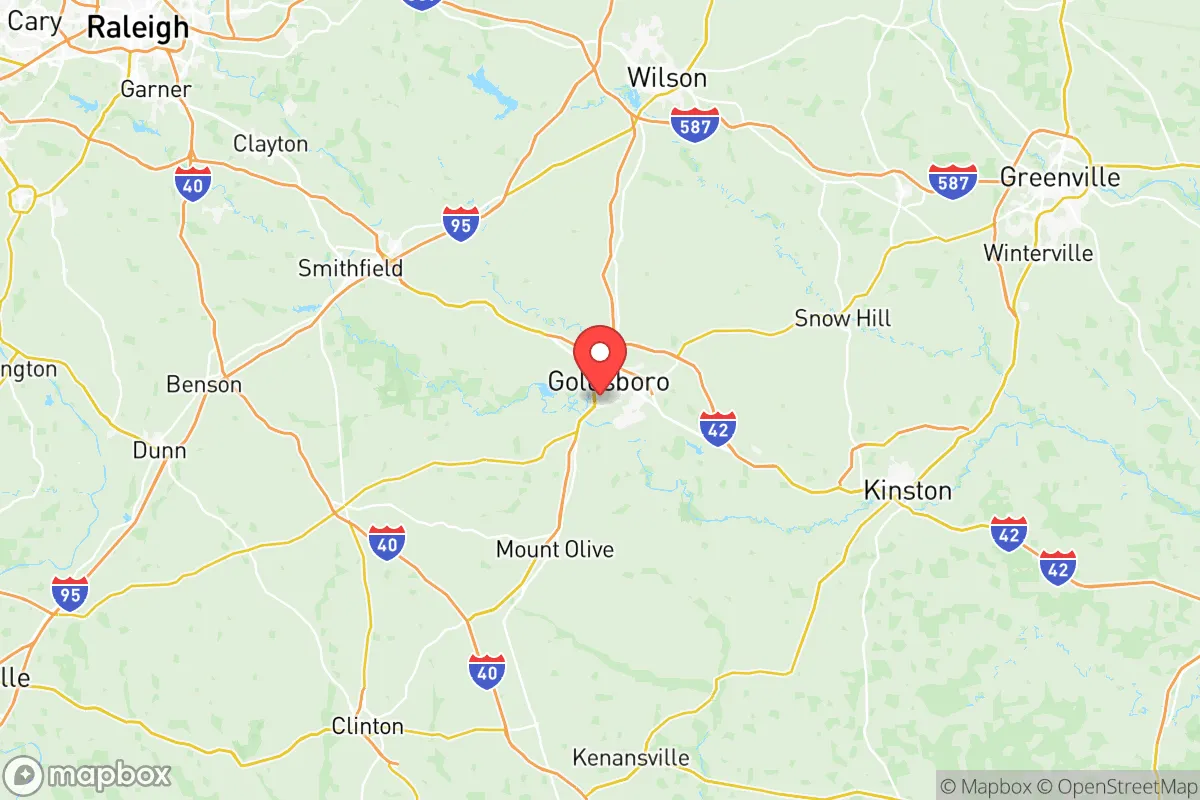
Photo: Wikipedia
Quality of Life in Wayne County
A livable area that tracks near national norms for affordability, walkability, and neighborhood health.
What does Quality of Life tell us?
Quality of Life measures an area by evaluating factors like cost of living, nearby amenities, country club access, airport proximity, socioeconomic signals and neighborhood character. For large states, this is a general average — quality of life can vary dramatically between metro areas, suburbs, and rural communities within the same state.
What does this tell us?
Quality of Life measures an area by evaluating factors like cost of living, nearby amenities, country club access, airport proximity, socioeconomic signals and neighborhood character. For large states, this is a general average — quality of life can vary dramatically between metro areas, suburbs, and rural communities within the same state.
Cost of Living
29% below national average
125%
The Real Cost of Living in Wayne County for 2026
| Tier | Individual | Family (4) |
|---|---|---|
| Survival | $15k | $28k |
| Comfortable | $32k | $46k |
| Luxury | $103k+ | $160k+ |
| Elite (Top 5%) | $121k+ | $188k+ |
Quality-of-Life Analysis
Wayne County, North Carolina, offers a broad quality-of-life spectrum that ranges from the historic downtown and suburban-style neighborhoods of its largest city, Goldsboro, to the quiet, unincorporated crossroads communities like Grantham and Pikeville. With a cost of living index of 71 (well below the national average of 100), a median home value of $162,700, and a median rent of $932, the county attracts a mix of military families connected to Seymour Johnson Air Force Base, agricultural workers, and commuters seeking affordable housing within an hour of Raleigh. The character of daily life shifts noticeably depending on whether one lives in the county's primary population center, its smaller towns, or its deeply rural pockets.
Largest town(s) & population centers
Goldsboro is the county seat and the undisputed hub, home to roughly 33,000 residents and the core of the county's commercial, medical, and cultural activity. Daily life here centers around the historic downtown area along Center Street, which features local restaurants, the Paramount Theatre, and the Wayne County Museum. The presence of Seymour Johnson Air Force Base is a defining factor, bringing a steady population of active-duty personnel and civilian contractors who live in neighborhoods like the Berkeley Manor and the areas near the base's main gate. For families, the city offers a range of public schools within Wayne County Public Schools, including the magnet programs at Wayne School of Engineering and Goldsboro High School. The commute is manageable: the average county-wide commute is just under 23 minutes, though Goldsboro residents heading to jobs in Raleigh (about 50 miles west) face a longer drive. Retail and dining are concentrated along Berkeley Boulevard and Spence Avenue, with big-box stores and chain restaurants dominating the commercial corridors.
Smaller towns & rural pockets
Outside Goldsboro, the county's smaller towns each have a distinct identity. Mount Olive, home to the Mt. Olive Pickle Company, is a working-class town of about 4,600 with a strong agricultural base and a compact downtown. Fremont (population roughly 1,200) is a quieter community with a historic railroad depot and a slower pace. Pikeville (population ~700) and Grantham (unincorporated) are essentially rural crossroads with limited services, where residents often drive 15–20 minutes to Goldsboro for groceries and medical care. Seven Springs, on the Neuse River, is a tiny village popular with anglers and kayakers but offers almost no commercial amenities. These smaller communities are characterized by older, often smaller homes on larger lots, with many properties sitting on one to five acres. The rural pockets east of Goldsboro, toward the Lenoir County line, are dominated by tobacco, soybean, and hog farms, and housing stock there is a mix of mobile homes and modest single-family houses.
Cost & lifestyle range
The cost spread across Wayne County is significant, though the entire county remains affordable by national standards. At the lower end, rural areas near Grantham and eastern Wayne County have median home values well below the county average of $162,700, with some older three-bedroom homes selling for under $120,000. Rent in these areas can dip below $750 for a two-bedroom unit, though inventory is scarce. At the higher end, Goldsboro's newer subdivisions—such as the neighborhoods off Salem Church Road and the Berkeley Place area—feature homes in the $250,000 to $350,000 range, with some custom builds exceeding $400,000. The lifestyle range is equally broad: a family in a Goldsboro subdivision has access to the Wayne Memorial Hospital, the Berkeley Mall, and multiple grocery chains, while a retiree on a rural lot near Pikeville may rely on a well and septic system and drive 20 minutes for a pharmacy. The county's overall cost of living index of 71 means that even the priciest neighborhoods in Goldsboro are cheaper than the average U.S. metro area, making the county attractive to first-time homebuyers priced out of Raleigh's market.
Wayne County is best suited for those who value affordability and a slower pace over urban amenities and career density. Military families assigned to Seymour Johnson will find the base's support network and the Goldsboro housing market a practical fit. Commuters willing to drive 45–60 minutes to Raleigh or Greenville can leverage the county's low housing costs. Agricultural workers and retirees seeking quiet, land-based living will find the rural crossroads like Grantham and Seven Springs appealing. For anyone needing walkable urbanism, high-end dining, or a dense job market, Wayne County will feel limited—but for those prioritizing space, low cost, and a straightforward daily routine, it delivers consistently.

Crime in Wayne County
Crime rates similar to the national median for U.S. locations.
Violent CrimeViolent Crime Analysis
Property CrimeProperty Crime Analysis
Crime Analysis
Wayne County, North Carolina, presents a mixed safety profile, with violent crime rates below the national average but property crime rates that exceed both state and national benchmarks. The county's overall violent crime rate of 309.4 per 100,000 residents is notably lower than the U.S. average of 380 per 100,000, but property crime at 1,689.6 per 100,000 sits above the national figure of 1,954 per 100,000. These numbers, however, mask significant variation between the county's urban center, Goldsboro, and its more rural communities, where residents report markedly different day-to-day experiences with crime and public safety.
Crime in context
When compared to North Carolina's statewide violent crime rate of approximately 350 per 100,000, Wayne County's 309.4 per 100,000 places it in a moderately safer tier, though not among the safest counties in the state. Property crime in Wayne County, at 1,689.6 per 100,000, is roughly 10% higher than the North Carolina average of 1,530 per 100,000. This disparity is driven largely by incidents in Goldsboro, the county seat and largest city, which accounts for the majority of reported thefts, burglaries, and motor vehicle thefts. The county's proximity to Interstate 795 and U.S. Highway 70, both major freight corridors, contributes to property crime rates, as transient theft and vehicle break-ins are common along these routes. By contrast, the rural towns of Mount Olive and Fremont report property crime rates roughly 30% lower than the county average, reflecting less dense populations and fewer commercial targets.
What residents experience
Residents in Wayne County's more urban areas, particularly in central and eastern Goldsboro, report higher instances of both violent and property crime, with the Goldsboro Police Department responding to the bulk of calls. The county's judicial system, overseen by the District Attorney for the 8th Prosecutorial District, has faced criticism from some residents for what they perceive as lenient sentencing in property crime cases, a concern that echoes broader frustrations with progressive-leaning judicial policies in North Carolina's urban centers. In contrast, residents in Pikeville and Walnut Creek describe a quieter daily life, where neighborhood watch programs and a visible sheriff's presence in unincorporated areas contribute to a stronger sense of security. Property crime in these areas tends to be opportunistic—unlocked vehicles and outdoor equipment theft—rather than the organized burglaries seen in parts of Goldsboro. The county's violent crime, while below national averages, is concentrated in specific neighborhoods near the downtown Goldsboro area, where drug-related incidents and domestic disputes are the most common triggers.
Neighborhood-level variation
The safety landscape in Wayne County is not uniform. Goldsboro's older neighborhoods near the historic downtown and along the U.S. 117 corridor experience the highest crime densities, with some blocks reporting violent crime rates double the county average. Conversely, the western portions of the county, including Seven Springs and the area around the Neuse River, see crime rates that are among the lowest in the region, often comparable to rural Johnston County. The presence of Seymour Johnson Air Force Base, located just outside Goldsboro, creates a unique dynamic: the base itself maintains low crime rates due to military security, but the surrounding commercial corridors see elevated property crime from transient populations. For prospective residents, choosing a home in the county's southern or western townships—such as Grantham or Brogden—typically means significantly lower exposure to both violent and property crime, while living within Goldsboro city limits requires more vigilance, particularly regarding vehicle and home security.
* Values derived from national, state, county, city and local statistics and may differ in a specific area. Last updated: 2026-06-11T18:20:02.000Z
Narrative content on this page is AI-generated and may contain mistakes. Verify any details that matter before acting on them.
ReloMaps may earn a commission from affiliate links at no extra cost to you.

