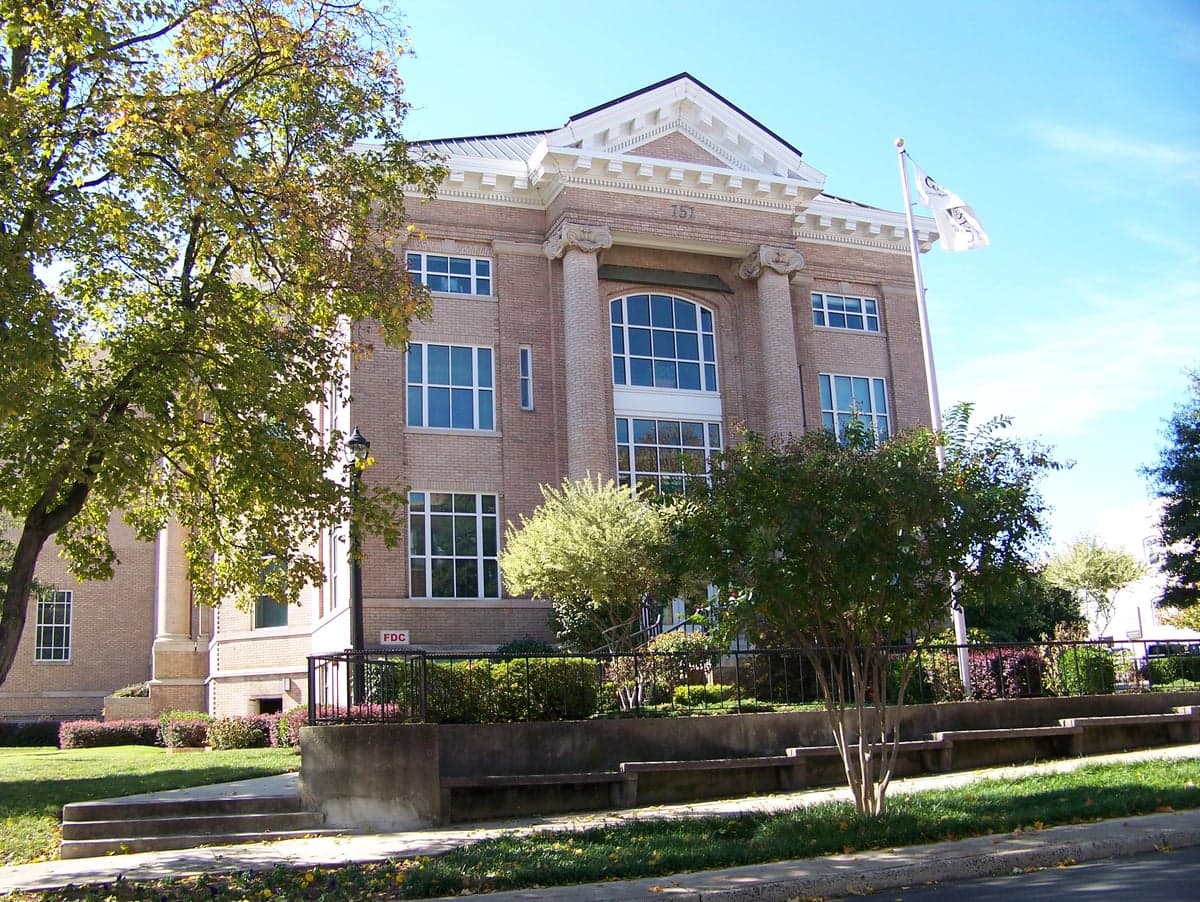
Photo: Wikipedia
Quality of Life in Gaston County
A livable area that tracks near national norms for affordability, walkability, and neighborhood health.
What does Quality of Life tell us?
Quality of Life measures an area by evaluating factors like cost of living, nearby amenities, country club access, airport proximity, socioeconomic signals and neighborhood character. For large states, this is a general average — quality of life can vary dramatically between metro areas, suburbs, and rural communities within the same state.
What does this tell us?
Quality of Life measures an area by evaluating factors like cost of living, nearby amenities, country club access, airport proximity, socioeconomic signals and neighborhood character. For large states, this is a general average — quality of life can vary dramatically between metro areas, suburbs, and rural communities within the same state.
Cost of Living
11% below national average
98%
The Real Cost of Living in Gaston County for 2026
| Tier | Individual | Family (4) |
|---|---|---|
| Survival | $17k | $33k |
| Comfortable | $46k | $67k |
| Luxury | $118k+ | $183k+ |
| Elite (Top 5%) | $140k+ | $217k+ |
Quality-of-Life Analysis
Gaston County, North Carolina, offers a broad quality-of-life spectrum that ranges from the walkable, historic core of its largest city, Gastonia, to the quiet, rural crossroads of communities like Stanley and Bessemer City. With a cost of living index of 89—11 percent below the national average—and a median home value of $235,000, the county attracts a mix of Charlotte commuters, manufacturing workers, and families seeking more land for their money. The character of daily life shifts noticeably depending on whether one lives in the county's denser population centers, its smaller towns, or its unincorporated rural pockets.
Largest town(s) & population centers
Gastonia is the county's undisputed hub, home to roughly 80,000 residents and the region's primary employment, retail, and healthcare center. Daily life here centers around the historic downtown district, which has seen reinvestment in breweries, the Gaston County Museum, and the Schiele Museum of Natural History. The city offers a mix of older mill-worker neighborhoods and newer subdivisions, with a median rent of $1,085 making it more affordable than nearby Charlotte. Commute times average 26 minutes, which is manageable for those working locally but can stretch to 40-50 minutes for residents driving to Uptown Charlotte. The adjacent city of Belmont, with its riverfront access and growing craft beer scene, functions as a secondary population center that feels more suburban and is popular with young professionals who want proximity to Charlotte without the urban price tag.
Smaller towns & rural pockets
Beyond the main cities, Gaston County contains a string of smaller towns that each retain distinct identities. Mount Holly, located along the Catawba River, offers a small downtown with antique shops and a growing number of riverfront apartments, appealing to those who want a quieter version of Belmont. Stanley and Dallas are former mill towns where daily life remains slower-paced, with older housing stock and a strong sense of local history. Bessemer City, in the western part of the county, feels more rural, with larger lots and a population under 6,000. Unincorporated areas like Hardin and Tryon (not to be confused with the Polk County town) consist of scattered homes, farmland, and small churches, where residents often rely on Gastonia or Shelby for shopping and services. These rural pockets offer the most land per dollar, with some properties available well below the county's median home value.
Cost & lifestyle range
The cost of living varies noticeably across the county. At the higher end, Belmont and Mount Holly command premium prices due to their riverfront locations and shorter commutes to Charlotte; homes here often exceed the county median of $235,000, with some newer developments reaching $400,000 or more. At the lower end, Dallas and Bessemer City offer median home values closer to $180,000-$200,000, and rental options in these areas can dip below $900 per month. Lifestyle trade-offs are clear: residents in Belmont and Mount Holly enjoy walkable downtowns, river access, and more dining options, while those in Stanley or rural Hardin trade amenities for acreage, privacy, and lower property taxes. The county's average commute of 26 minutes reflects the fact that many residents work locally in manufacturing, healthcare, or retail, though a significant minority commutes east to Mecklenburg County for higher-paying jobs.
Gaston County works best for people who want affordable homeownership within striking distance of Charlotte's job market but prefer a slower, more community-oriented pace. Families and retirees drawn to the county's smaller towns will find good value and low crime rates in places like Mount Holly and Stanley, while those who need urban amenities and public transit will likely gravitate toward Gastonia's core. The county's diversity of settings—from riverfront suburbs to quiet crossroads—means that almost any budget or lifestyle preference can find a fit, provided the trade-off in commute time and entertainment options is acceptable.

Crime in Gaston County
Crime rates similar to the national median for U.S. locations.
Violent CrimeViolent Crime Analysis
Property CrimeProperty Crime Analysis
Crime Analysis
Gaston County, North Carolina, presents a mixed safety picture for prospective residents. With a violent crime rate of 299.4 per 100,000 residents and a property crime rate of 1,659.9 per 100,000, the county sits above the national average for both categories, though it is not among the most dangerous areas in the Charlotte metro region. The county's proximity to Charlotte, combined with its mix of suburban towns and rural stretches, creates significant variation in day-to-day safety depending on where you live.
Crime in context
Gaston County's violent crime rate of 299.4 per 100,000 is roughly 15% higher than the national average of about 260 per 100,000, but notably lower than North Carolina's statewide average of approximately 350 per 100,000. Property crime in the county, at 1,659.9 per 100,000, exceeds the national average of roughly 1,950 per 100,000, meaning property crime is actually slightly below the U.S. norm. However, these countywide averages mask sharp contrasts between individual municipalities. The city of Gastonia, the county seat and largest population center, drives a disproportionate share of the county's crime statistics. By contrast, smaller towns like Belmont, Mount Holly, and Cramerton consistently report lower crime rates, often falling well below both the county and national averages. The county's judicial district falls under the 27A Prosecutorial District, which includes Gaston County alone. The district attorney's office in this area has historically taken a more moderate approach to prosecution compared to the more progressive policies seen in neighboring Mecklenburg County (Charlotte), which many residents view as a positive factor for public safety.
What residents experience
For those living in Gaston County, the most common safety concerns revolve around property crime, particularly theft from vehicles and burglary. These incidents occur most frequently in commercial corridors and apartment complexes in Gastonia and along the busy Highway 74/321 corridors. Violent crime, while less common, is concentrated in specific neighborhoods within Gastonia, especially areas near the downtown core and older industrial sections. Residents in Dallas, Lowell, and Ranlo report moderate crime levels, generally lower than Gastonia but higher than the safest river towns. The county's law enforcement landscape includes the Gaston County Police Department, which patrols unincorporated areas, alongside municipal police forces in each town. The Gaston County Sheriff's Office also plays a significant role, particularly in rural areas and in operating the county detention center. The presence of multiple agencies can sometimes create coordination challenges, but most residents in the safer suburbs report feeling secure in their daily routines.
Neighborhood-level variation is pronounced in Gaston County. The safest areas are generally found in the eastern and southeastern parts of the county, closer to the Catawba River. Belmont, with its growing downtown and proximity to Charlotte, has some of the lowest crime rates in the county, particularly in newer subdivisions and the historic district. Mount Holly and Cramerton similarly offer low-crime environments, with many families choosing these towns specifically for their safety reputation. Conversely, parts of western Gastonia, particularly neighborhoods near the Franklin Boulevard commercial strip and older housing stock east of the downtown, experience higher rates of both violent and property crime. The city of Cherryville, in the county's western rural area, has moderate crime rates but faces challenges with property crime related to its agricultural and industrial character. For anyone considering a move to Gaston County, choosing a specific town or neighborhood is the single most important factor in determining personal safety, as the gap between the safest and least safe areas is substantial.
* Values derived from national, state, county, city and local statistics and may differ in a specific area. Last updated: 2026-05-11T22:26:52.000Z
Narrative content on this page is AI-generated and may contain mistakes. Verify any details that matter before acting on them.
ReloMaps may earn a commission from affiliate links at no extra cost to you.

