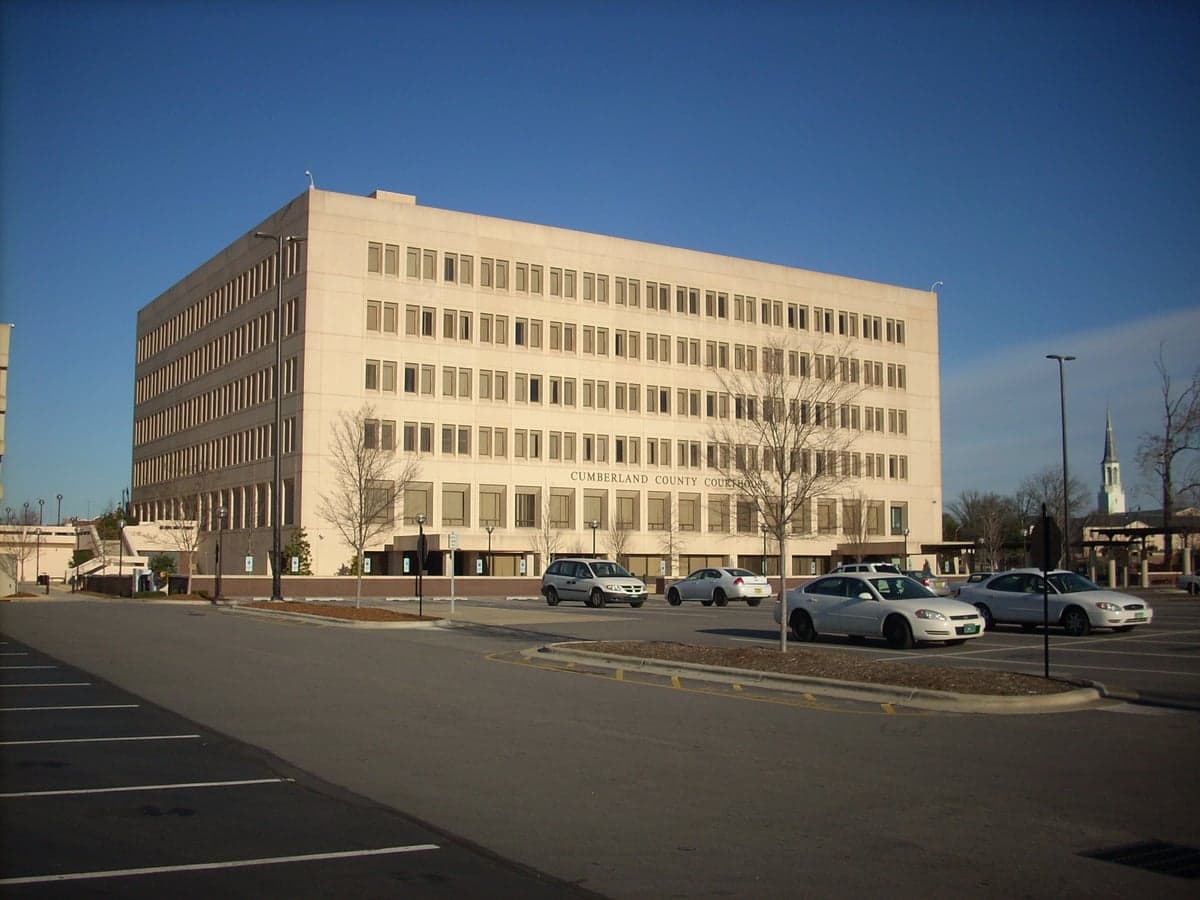
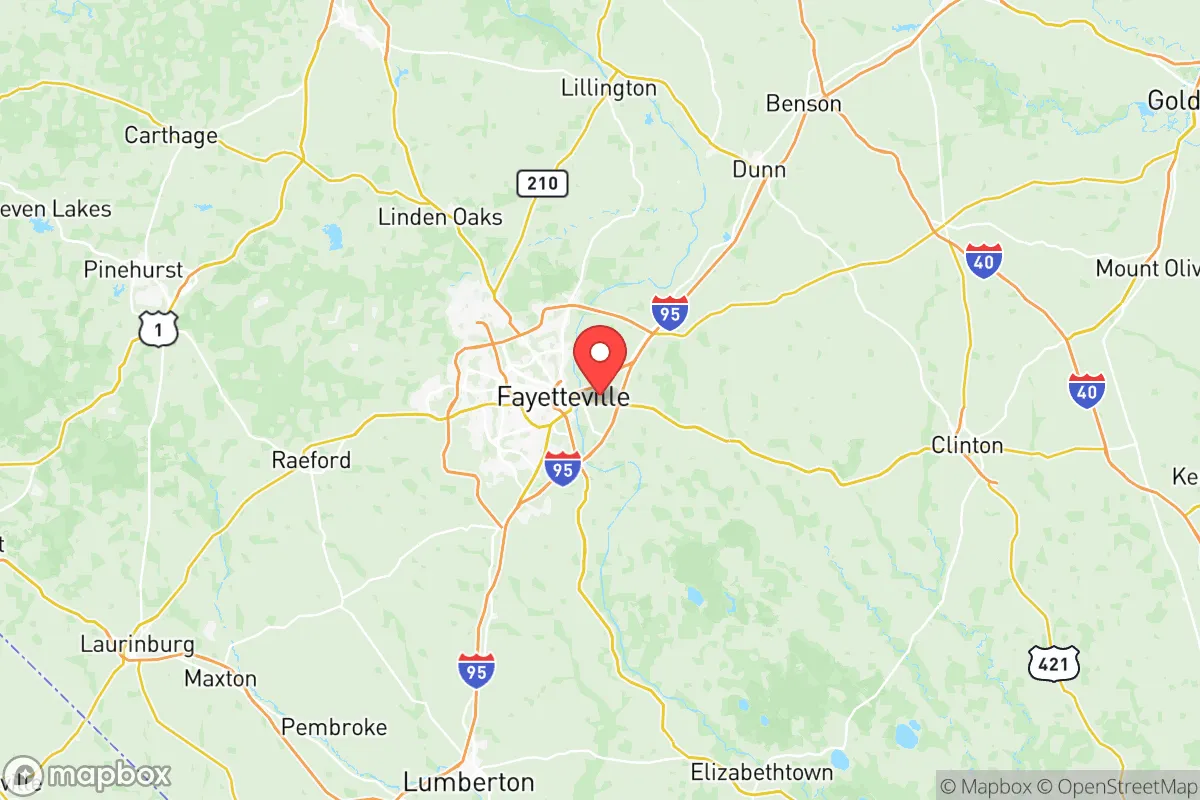
Photo: Wikipedia
Quality of Life in Cumberland County
A livable area that tracks near national norms for affordability, walkability, and neighborhood health.
What does Quality of Life tell us?
Quality of Life measures an area by evaluating factors like cost of living, nearby amenities, country club access, airport proximity, socioeconomic signals and neighborhood character. For large states, this is a general average — quality of life can vary dramatically between metro areas, suburbs, and rural communities within the same state.
What does this tell us?
Quality of Life measures an area by evaluating factors like cost of living, nearby amenities, country club access, airport proximity, socioeconomic signals and neighborhood character. For large states, this is a general average — quality of life can vary dramatically between metro areas, suburbs, and rural communities within the same state.
Cost of Living
14% below national average
112%
The Real Cost of Living in Cumberland County for 2026
| Tier | Individual | Family (4) |
|---|---|---|
| Survival | $18k | $35k |
| Comfortable | $36k | $52k |
| Luxury | $101k+ | $157k+ |
| Elite (Top 5%) | $119k+ | $184k+ |
Quality-of-Life Analysis
Cumberland County, North Carolina, offers a broad spectrum of living environments, from the dense, military-influenced urban core of Fayetteville to the quiet, agricultural crossroads of communities like Stedman and Wade. This diversity attracts a wide range of residents: active-duty personnel and veterans drawn to Fort Bragg (now Fort Liberty), professionals commuting to Raleigh via the I-95 corridor, and families seeking affordable acreage in the county’s eastern and southern rural pockets. The county’s character shifts noticeably within a 20-minute drive, making it essential for newcomers to match a specific area’s pace and amenities to their lifestyle.
Largest town(s) & population centers
Fayetteville is the county’s dominant population center and economic engine, home to roughly 210,000 residents. Daily life here is shaped by the presence of Fort Liberty, with a constant flow of military families, defense contractors, and support services. The city offers the region’s densest concentration of retail, dining, and healthcare, anchored by the Cross Creek Mall and Cape Fear Valley Medical Center. Hope Mills, a town of about 16,000 just south of Fayetteville, functions as a popular suburban alternative, centered around Hope Mills Lake and offering a quieter, family-oriented feel with its own school district and local parks. Spring Lake, adjacent to the Fort Liberty main gate, is heavily transient and service-oriented, with a high concentration of rental properties and a daily rhythm dictated by the base schedule. These three towns form the county’s urbanized spine, where commute times average near the county’s 21-minute mark and access to amenities is highest.
Smaller towns & rural pockets
East of Fayetteville, Stedman (pop. ~1,300) retains a distinct small-town identity with its historic depot and annual Stedman Heritage Day, surrounded by farmland and pine forests. Wade, even smaller at roughly 600 residents, sits along the Cape Fear River and offers little more than a post office and a few churches, appealing to those seeking true rural seclusion. Linden and Godwin are unincorporated communities where residential lots often measure one to five acres and the nearest grocery store may be a 15-minute drive into Fayetteville. These areas lack municipal services like public water and sewer in many sections, which keeps land prices lower but requires well and septic maintenance. The county’s far western edge, near the Harnett County line, contains similar low-density pockets around Eastover, where larger homes on wooded lots are common.
Cost & lifestyle range
The cost-of-living index of 86 (100 is the U.S. average) reflects the county’s overall affordability, but the spread between areas is significant. At the low end, neighborhoods in eastern Fayetteville and parts of Spring Lake offer median home values well below the county’s $183,700 median, with many three-bedroom homes available for under $150,000. Median rent of $1,156 is achievable in these areas, though inventory of quality rental units can be tight. At the higher end, the VanStory Hills and Haymount neighborhoods in Fayetteville feature historic homes and newer constructions in the $300,000–$500,000 range, with tree-lined streets and proximity to the Cape Fear River Trail. Hope Mills commands a premium for lakefront property and newer subdivisions, with many homes in the $250,000–$350,000 bracket. Rural areas like Stedman and Wade offer the lowest land costs per acre, but residents trade off convenience: the average commute stretches to 25–30 minutes for those working in Fayetteville or on base, and access to specialty healthcare or entertainment requires a drive into the city.
Newcomers who thrive in Cumberland County are typically those who can align their expectations with a specific sub-area. Military families often prioritize proximity to Fort Liberty and accept the turnover and rental focus of Spring Lake or western Fayetteville. Remote workers and retirees seeking space and quiet gravitate to Stedman or the rural eastern corridor, where a lower cost of living buys acreage and privacy. Professionals who want walkable neighborhoods and cultural amenities—such as the Fayetteville Symphony or the Airborne & Special Operations Museum—tend to settle in Haymount or central Fayetteville. The county’s strength lies in offering a viable, affordable option for each of these lifestyles within a single, compact geography.

Crime in Cumberland County
Crime rates similar to the national median for U.S. locations.
Violent CrimeViolent Crime Analysis
Property CrimeProperty Crime Analysis
Crime Analysis
Cumberland County, anchored by Fayetteville and home to Fort Liberty (formerly Fort Bragg), reports a violent crime rate of 311.3 per 100,000 residents and a property crime rate of 1,699.6 per 100,000. These figures place the county above the national average for property crime but slightly below the national violent crime benchmark, creating a mixed safety profile that varies significantly depending on the specific neighborhood or municipality. The presence of a large military installation and a major urban center in Fayetteville shapes the county's overall crime dynamics, with certain areas experiencing higher incident concentrations than others.
Crime in context
Cumberland County's violent crime rate of 311.3 per 100,000 sits below the national average of approximately 380 per 100,000, but it is notably higher than the statewide North Carolina average of roughly 310 per 100,000. The property crime rate of 1,699.6 per 100,000 substantially exceeds both the national average (around 1,954 per 100,000) and the North Carolina state average (approximately 1,550 per 100,000). These statistics indicate that while residents face a slightly lower risk of violent victimization compared to the rest of the country, property crimes such as burglary, larceny, and motor vehicle theft occur at elevated frequencies. Fayetteville, as the county seat and largest city, accounts for the majority of reported incidents, while smaller towns like Hope Mills and Spring Lake show lower overall crime volumes but still experience property crime rates above state averages. The county's proximity to Fort Liberty introduces transient population factors that can influence both crime reporting and actual incident rates.
What residents experience
Daily life in Cumberland County involves navigating a landscape where property crime is the more pressing concern for most households. Vehicle break-ins and package thefts are frequently reported in Fayetteville's residential areas, particularly near the Murchison Road corridor and along Bragg Boulevard. Residents in Hope Mills often cite lower property crime rates than the county average, though the town has seen increases in thefts from vehicles in recent years. Spring Lake, located near the Fort Liberty gates, experiences periodic spikes in larceny and burglary tied to the military turnover cycle. The judicial environment in Cumberland County has been a point of contention, as progressive-leaning district attorneys in the 12th Prosecutorial District have implemented diversion programs and reduced bond requirements for non-violent offenders. Critics argue these policies contribute to repeat property crime offenses, as suspects released on low or no bond sometimes re-offend before their court dates. Residents in neighborhoods like Haymount and VanStory Hills generally report feeling safer than those in downtown Fayetteville or the Cedar Creek area, where crime incidents cluster more densely.
Neighborhood-level variation in Cumberland County is pronounced, with safety outcomes diverging sharply between incorporated towns and unincorporated areas. Eastover and Stedman consistently report the lowest crime rates in the county, with violent incidents being rare and property crime rates well below the county average. These communities benefit from smaller populations and stronger neighborhood watch participation. Conversely, areas near the Fayetteville Regional Airport and along the Ramsey Street corridor see elevated property crime numbers. The presence of Fort Liberty creates a unique dynamic where military police handle incidents on base, while civilian law enforcement addresses crime in surrounding communities. Prospective residents should examine block-level crime maps for specific subdivisions, as a street in the Bordeaux neighborhood may have drastically different safety outcomes than a street just two blocks away. The county's overall crime picture requires careful attention to location choice rather than blanket assumptions about safety across all of Cumberland County.
* Values derived from national, state, county, city and local statistics and may differ in a specific area. Last updated: 2026-08-08T12:36:14.000Z
Narrative content on this page is AI-generated and may contain mistakes. Verify any details that matter before acting on them.
ReloMaps may earn a commission from affiliate links at no extra cost to you.

