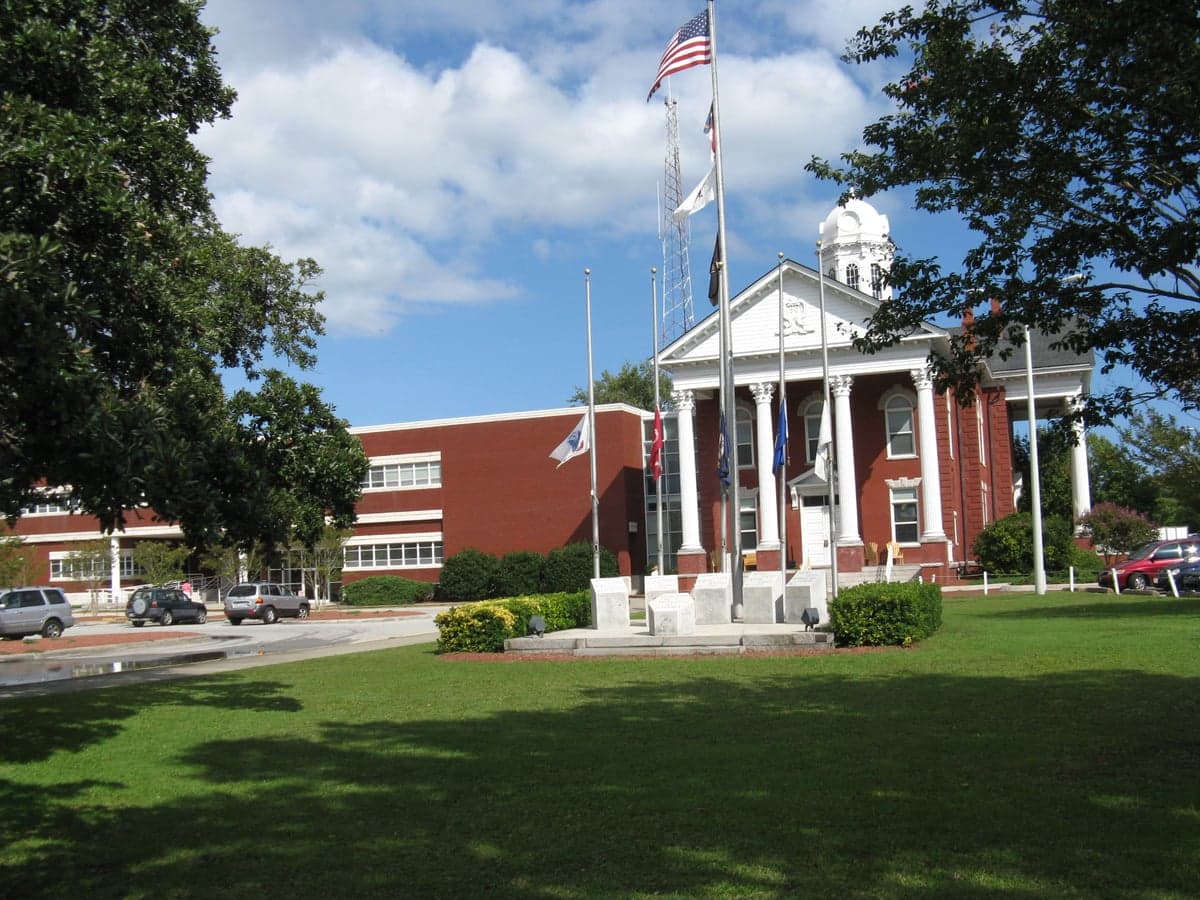
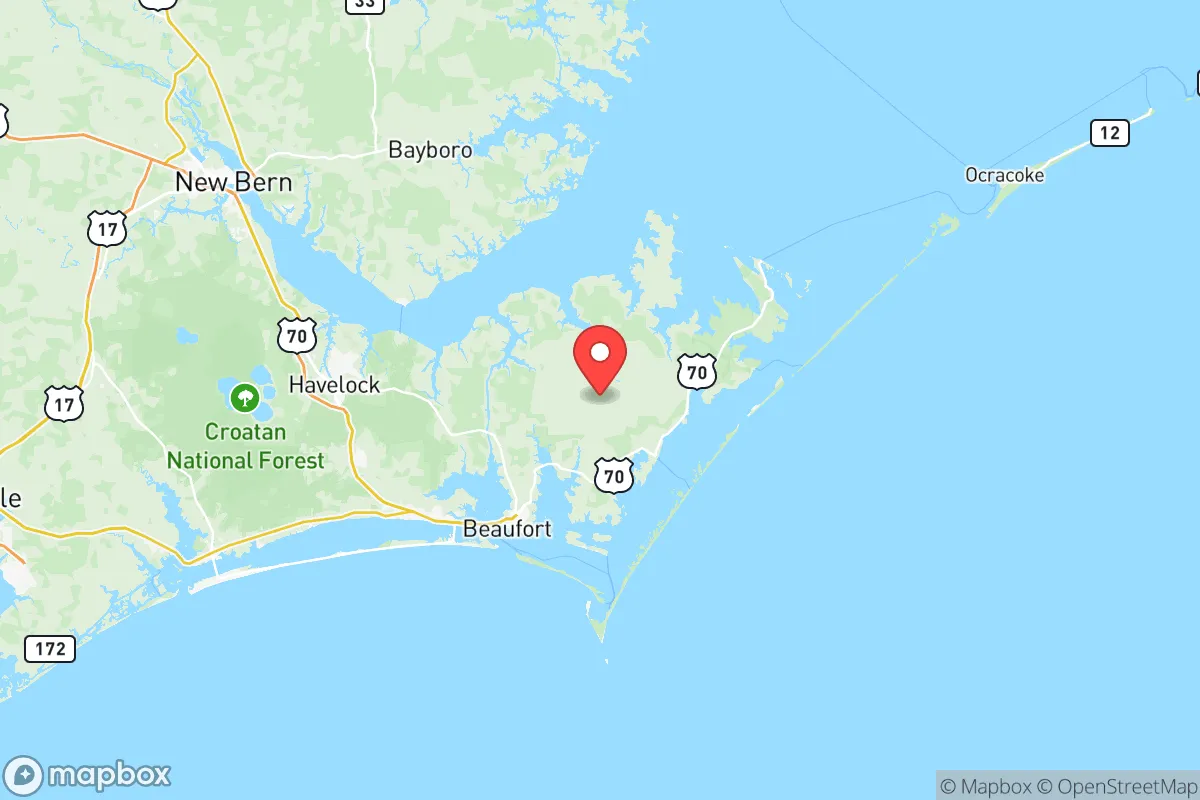
Photo: Wikipedia
Quality of Life in Carteret County
A livable area that tracks near national norms for affordability, walkability, and neighborhood health.
What does Quality of Life tell us?
Quality of Life measures an area by evaluating factors like cost of living, nearby amenities, country club access, airport proximity, socioeconomic signals and neighborhood character. For large states, this is a general average — quality of life can vary dramatically between metro areas, suburbs, and rural communities within the same state.
What does this tell us?
Quality of Life measures an area by evaluating factors like cost of living, nearby amenities, country club access, airport proximity, socioeconomic signals and neighborhood character. For large states, this is a general average — quality of life can vary dramatically between metro areas, suburbs, and rural communities within the same state.
Cost of Living
2% below national average
81%
The Real Cost of Living in Carteret County for 2026
| Tier | Individual | Family (4) |
|---|---|---|
| Survival | $17k | $32k |
| Comfortable | $59k | $87k |
| Luxury | $127k+ | $197k+ |
| Elite (Top 5%) | $151k+ | $235k+ |
Quality-of-Life Analysis
Carteret County, North Carolina, offers a broad spectrum of living environments, from the bustling tourist and retirement hub of Morehead City to the quiet, unincorporated fishing villages of Down East and the rural farmlands of the county's northern reaches. The county's character is defined by its coastal geography, with the Crystal Coast attracting those seeking an active beach lifestyle, while inland areas appeal to residents looking for space, privacy, and a lower cost of living. The type of person drawn to Carteret County varies significantly by location, ranging from second-home owners and remote workers in the towns to multi-generational fishing families and military-affiliated personnel near Marine Corps Air Station Cherry Point.
Largest towns & population centers
The primary population centers are Morehead City, Beaufort, and Newport. Morehead City, the county's largest municipality, functions as the commercial and retail hub, with a working waterfront, a lively downtown along Arendell Street, and a dense concentration of restaurants, shops, and marine-related businesses. Daily life here is walkable in the historic core but car-dependent in the sprawling commercial corridors. Beaufort, the county seat, is a historic port town with a preserved waterfront boardwalk, the North Carolina Maritime Museum, and a quieter, more tourist-oriented pace. Newport, located inland along U.S. 70, serves as a bedroom community for commuters to both Morehead City and the Cherry Point military base, offering more affordable housing stock and a suburban feel with fewer tourist crowds. Atlantic Beach, while small in year-round population, is a major seasonal destination with oceanfront condos and a summer-centric lifestyle that shifts to a quiet off-season rhythm.
Smaller towns & rural pockets
Beyond the main towns, Carteret County contains distinct smaller communities. The "Down East" region, encompassing communities like Harkers Island, Marshallberg, Otway, Stacy, and Atlantic, is a string of unincorporated fishing villages along Core Sound. Life here is deeply tied to the water, with a strong maritime heritage, working shrimp and fishing fleets, and a slower, more isolated pace. Cedar Island, at the county's eastern tip, is a remote ferry terminal community with a population under 400. Inland, the town of Cape Carteret and the unincorporated area of Peletier offer suburban subdivisions and golf course communities near the Croatan National Forest. The northern part of the county, around Merrimon and Mill Creek, is predominantly rural with farmland, pine forests, and scattered residential lots, offering a landlocked alternative to the coastal lifestyle.
Cost & lifestyle range
The cost of living and available amenities vary dramatically across the county. The county-wide cost of living index is 98 (slightly below the U.S. average of 100), but this masks significant internal variation. The median home value is $304,200, and median rent is $1,062, but oceanfront condos in Atlantic Beach and historic homes in Beaufort's Olde Towne district can exceed $600,000, while older homes in Down East communities like Marshallberg or rural properties near Mill Creek can be found for under $200,000. At the high end, Emerald Isle and Indian Beach feature luxury oceanfront homes and resort-style amenities. At the lower end, unincorporated areas like Gloucester and Davis offer modest housing stock with fewer commercial services. The average commute county-wide is 23 minutes, but residents of Down East communities may face 30- to 45-minute drives to reach grocery stores and medical facilities in Morehead City, while those in Newport or Cape Carteret typically have shorter trips to shopping and schools.
Carteret County is best suited for people who value coastal access and a slower pace but are willing to trade urban amenities for natural beauty and space. Retirees and remote workers often gravitate to Beaufort and Morehead City for walkability and services, while families seeking affordability and land look to Newport and the rural northern corridor. Watermen and those seeking true isolation thrive in the Down East villages, where community ties are strong and development pressure is minimal. The county's diversity of settings means that a beachfront condo, a historic townhouse, a suburban subdivision home, and a remote waterfront fish camp all exist within a 45-minute drive, making it one of the most varied coastal counties in North Carolina.

Crime in Carteret County
Crime rates similar to the national median for U.S. locations.
Violent CrimeViolent Crime Analysis
Property CrimeProperty Crime Analysis
Crime Analysis
Carteret County, North Carolina, presents a mixed safety profile for potential residents, with property crime rates that demand attention but violent crime figures that remain below national averages. The county's 2024 reported violent crime rate of 325.1 per 100,000 residents and property crime rate of 1,765.6 per 100,000 place it in a middle tier among North Carolina's 100 counties, though significant variation exists between the coastal tourist hubs and inland communities. Understanding these numbers requires examining how they compare to broader trends and what daily life actually feels like in towns like Morehead City, Beaufort, and Emerald Isle.
Crime in context
Carteret County's violent crime rate of 325.1 per 100,000 sits roughly 7% below the national average of approximately 350 per 100,000, but exceeds the North Carolina state average of about 300 per 100,000. Property crime at 1,765.6 per 100,000 runs about 12% below the national average of roughly 2,000 per 100,000, though it is slightly above the state median for coastal counties. These figures place Carteret in a similar range to neighboring Craven County but notably higher than more rural Pamlico County to the north. The county's status as a major tourism destination—drawing millions of visitors annually to Atlantic Beach, Pine Knoll Shores, and Cape Lookout—creates seasonal crime spikes that inflate annual per-capita rates, particularly for larceny and vehicle break-ins during summer months. The 3rd Prosecutorial District, which covers Carteret County, operates under a district attorney whose office has maintained a generally tough-on-crime stance, though residents should remain vigilant about any shifts toward progressive sentencing policies that could weaken public safety outcomes.
What residents experience
Daily life in Carteret County varies sharply by location. Morehead City, the county's largest municipality, concentrates the majority of reported incidents, including drug-related offenses and property crimes tied to its working port and commercial districts. Beaufort, the historic county seat, experiences moderate property crime but very low violent crime, making it one of the safer small towns in eastern North Carolina. Emerald Isle and Pine Knoll Shores consistently report the lowest crime rates in the county, benefiting from seasonal police staffing increases and gated or monitored beachfront communities. Newport and Cape Carteret fall in the middle, with property crime rates that track the county average but violent crime figures that remain well below the Morehead City level. Residents in unincorporated areas along Highway 24 and Highway 70 report fewer incidents overall, though response times from the Carteret County Sheriff's Office can exceed 20 minutes in remote stretches.
Neighborhood-level variation is pronounced. Waterfront properties in the Bogue Banks barrier-island communities see almost no violent crime but experience seasonal property theft from rental turnovers and beach access points. Inland subdivisions near Western Carteret High School and Croatan National Forest boundaries report the lowest overall incident rates in the county. Conversely, areas within a mile of the Morehead City port and the downtown Beaufort waterfront see elevated larceny and occasional aggravated assaults tied to bar crowds and transient populations. The county's drug enforcement efforts have focused on methamphetamine and opioid trafficking along the US-70 corridor, with interdiction operations concentrated near the Havelock border in western Carteret. Prospective residents should prioritize properties in the southern beach towns or inland subdivisions for the safest daily experience, while remaining aware that Carteret County's overall safety profile remains favorable compared to urban centers like Jacksonville or Wilmington.
* Values derived from national, state, county, city and local statistics and may differ in a specific area. Last updated: 2026-10-18T15:21:25.000Z
Narrative content on this page is AI-generated and may contain mistakes. Verify any details that matter before acting on them.
ReloMaps may earn a commission from affiliate links at no extra cost to you.

