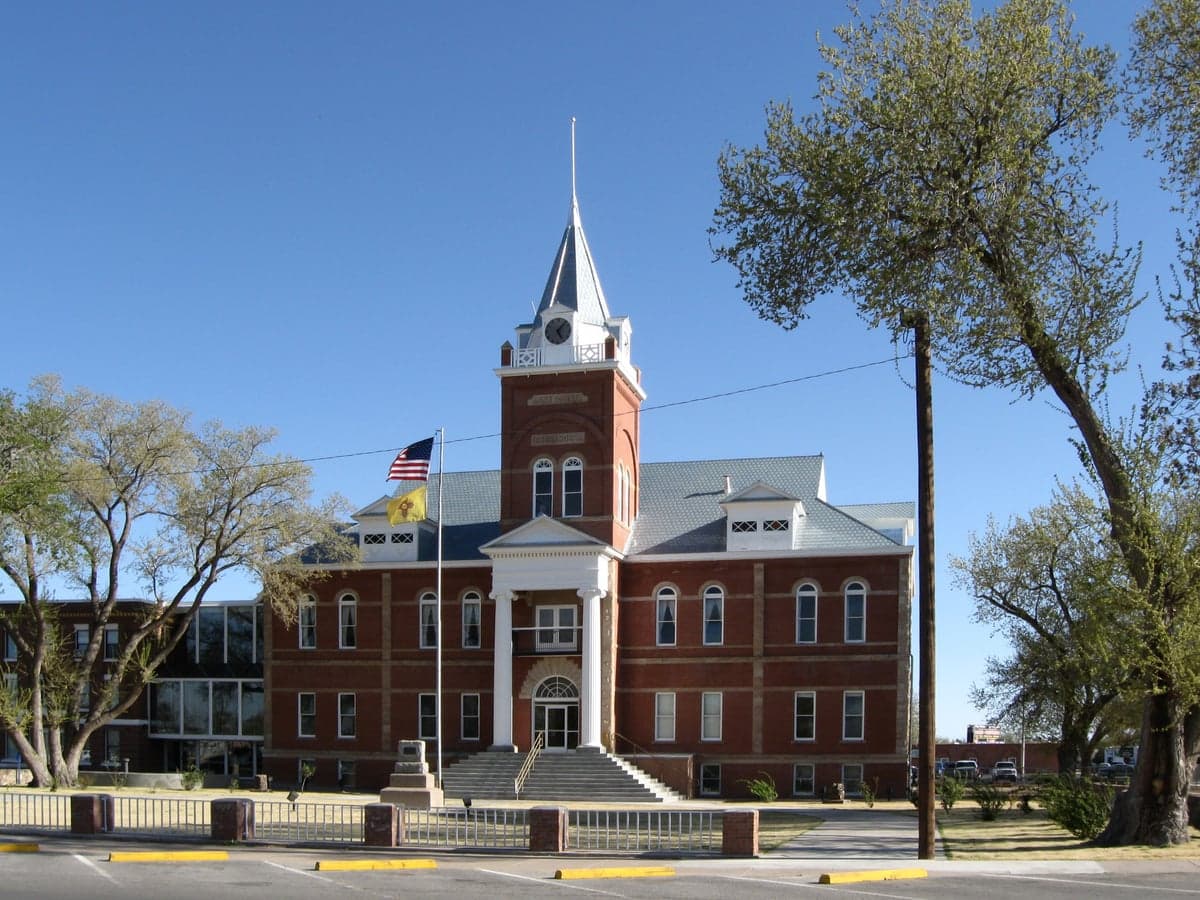
Photo: Wikipedia
Strategic Assessment of Luna County
Strong survivability profile. Good buffer from population centers, with manageable environmental and tactical risks.
What does the Strategic Assessment tell us?
Our Strategic Assessment grades tactical survivability of an area. Major population centers, military targets, fallout zones, natural disasters, and border exposure all drive risk — lower exposure means a more defensible position in a crisis.
This is heavily inspired by Joel Skousen's Strategic Relocation book. Highly recommended you checkout the book ($)What does this tell us?
Our Strategic Assessment grades tactical survivability of an area. Major population centers, military targets, fallout zones, natural disasters, and border exposure all drive risk — lower exposure means a more defensible position in a crisis.
This is heavily inspired by Joel Skousen's Strategic Relocation book. Highly recommended you checkout the book ($)Strategic Pillars

Key Distances
Strategic Assessment Analysis
Luna County, New Mexico, offers a distinctive strategic profile for relocators prioritizing resilience and self-sufficiency, balancing genuine geographic advantages with real-world risks that demand clear-eyed assessment. Its position in the southwestern corner of the state, anchored by the county seat of Deming and the smaller community of Columbus, places it far from major metropolitan targets while still providing access to essential infrastructure. For a reader thinking seriously about disaster readiness, Luna County presents a mixed picture: low population density and distance from primary fallout zones are strong positives, but the area’s dependence on external supply chains and its proximity to certain border-related risks require careful planning.
Geographic position and natural advantages for self-sufficiency
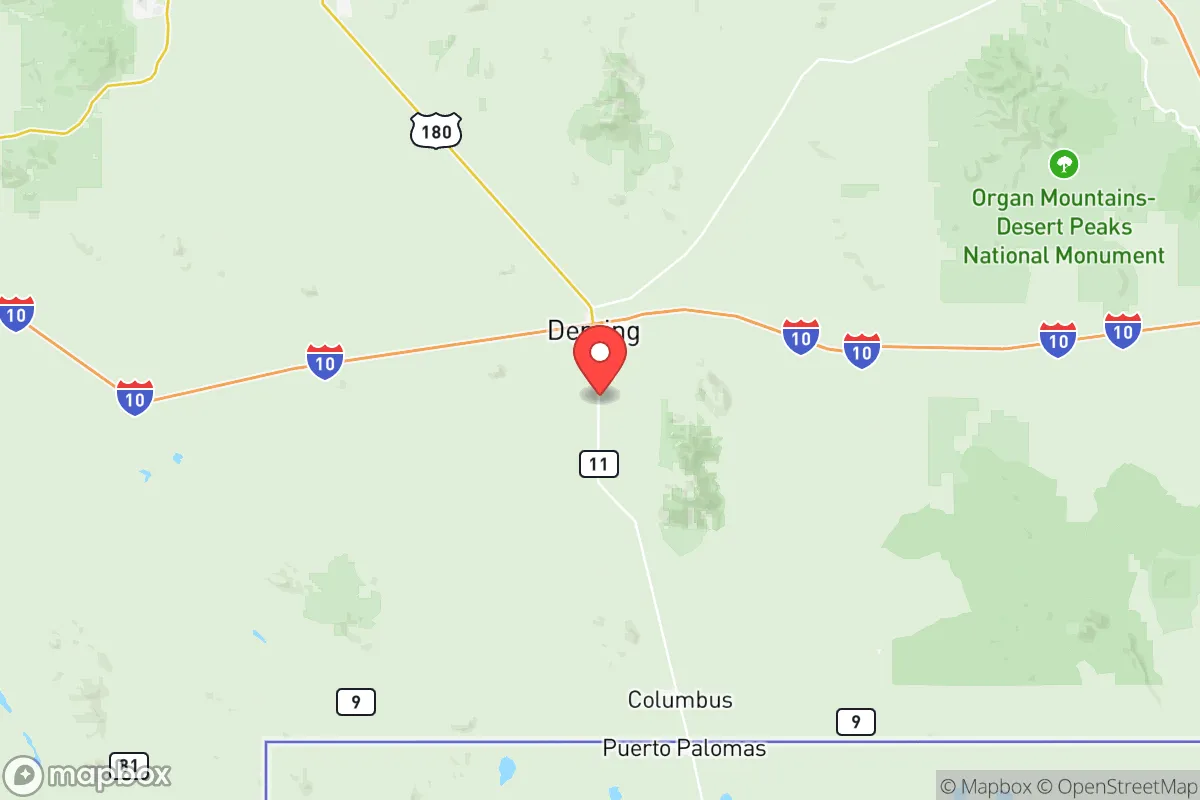
Luna County’s primary strategic asset is its location. Situated roughly 60 miles west of Las Cruces and 120 miles northwest of El Paso, Texas, it sits well outside the blast and fallout zones of any major city or military installation. The county is not near any nuclear power plants, major oil refineries, or large-scale chemical facilities—the closest significant industrial targets are the refineries in El Paso and the White Sands Missile Range, both over 100 miles away. This distance provides a meaningful buffer against both initial blast effects and secondary fallout patterns, which typically follow prevailing winds eastward. The terrain itself is high desert, averaging around 4,300 feet in elevation, with the Florida Mountains rising just east of Deming. This topography offers natural defensibility: the mountains provide vantage points and potential water catchment areas, while the surrounding flatlands are sparsely populated, reducing the likelihood of large-scale refugee flows from a crisis. The region’s arid climate also means fewer weather-related disruptions like hurricanes or flooding, though drought and wildfire risk are real considerations. For a relocator, the key takeaway is that Luna County is not a primary target, and its isolation is a genuine asset in a national emergency scenario.
Risks, exposures, and proximity to fallout-relevant landmarks
While Luna County avoids the worst-case scenarios of coastal or metropolitan areas, it is not without significant risks. The most immediate concern is its location along the U.S.-Mexico border. The Columbus Port of Entry, just 30 miles south of Deming, is a persistent source of illegal cross-border traffic, drug smuggling, and occasional violence. In a societal collapse or major disruption, this border area could become a flashpoint, with potential for large numbers of people moving north. The county’s law enforcement presence is thin—the Luna County Sheriff’s Office and a small Border Patrol station are the primary security assets—so personal security and community defense become paramount. Additionally, the county lies within 150 miles of the White Sands Missile Range, which conducts routine missile tests and occasionally hosts sensitive military exercises. While not a direct target, any escalation involving that facility could produce secondary effects, including airspace closures or ground contamination from a malfunction. The nearby Interstate 10 corridor, running just north of Deming, is a major east-west logistics route; in a crisis, it could become a chokepoint for both military and civilian traffic, potentially drawing unwanted attention. Finally, the area’s water supply is a vulnerability: the Mimbres River, which flows through the county, is seasonal and unreliable, and most residents rely on groundwater from the Mimbres Basin aquifer, which is being depleted faster than it recharges. A prolonged drought or contamination event would strain local resources significantly.
Practical resilience for a relocator: food, water, energy, and defensibility
For a relocator serious about self-sufficiency, Luna County offers a mixed but workable foundation. Water is the critical limiting factor. The average annual rainfall is only about 10 inches, making traditional rain-fed agriculture difficult. However, the Mimbres Basin aquifer provides decent groundwater for those who drill deep enough—wells in the Deming area typically reach 200-400 feet. A well-equipped property with a solar-powered pump and storage tanks is essential. The county does have a small municipal water system in Deming, but rural properties are almost entirely on well water. Food production is possible but requires effort. The growing season is long (roughly April to October), and the high desert climate supports crops like chile, onions, and alfalfa with irrigation. Small-scale livestock—goats, chickens, and even cattle—are common, and the county has a strong ranching tradition. The Deming Farmers Market and local co-ops provide some fresh food, but the area is not a breadbasket; most staples are trucked in from larger cities. Energy is a bright spot. Luna County averages over 300 sunny days per year, making solar power highly viable. Off-grid solar setups are common, and net metering is available through the local utility, Deming Electric. Wind is also a possibility, though less consistent. Defensibility is moderate. The low population density (about 5 people per square mile) means few neighbors, which reduces both social friction and the risk of large-scale looting. However, the open terrain offers little natural cover, and the border proximity means that a determined group could approach from the south. A well-chosen property in the foothills of the Florida Mountains or near the Cooke’s Range provides better vantage points and natural barriers. The local culture is generally self-reliant and gun-friendly, with a strong hunting tradition, which can be an asset for both food and security. The Deming Gun Club and several local firearms retailers support a prepared mindset.
The overall strategic picture for Luna County is one of trade-offs. Its isolation from major targets and its abundant solar resource make it a strong candidate for a long-term resilience plan, especially for those willing to invest in water infrastructure and off-grid energy. The border risk is real but manageable with proper security measures and community ties. The area’s small population and agricultural heritage provide a social fabric that values self-sufficiency, but the lack of local manufacturing and heavy reliance on external supply chains means that a relocator must be prepared to stockpile critical goods—medical supplies, ammunition, spare parts, and non-perishable food—for extended periods. For a single individual or family with the resources to develop a well-equipped property and the willingness to integrate into a tight-knit rural community, Luna County offers a defensible, low-target location with genuine strategic depth. It is not a paradise, but for those who understand the risks and plan accordingly, it represents a viable and rational choice in an uncertain world.

* Values derived from national, state, county, city and local statistics and may differ in a specific area. Last updated: 2026-06-22T16:36:01.000Z
Narrative content on this page is AI-generated and may contain mistakes. Verify any details that matter before acting on them.
ReloMaps may earn a commission from affiliate links at no extra cost to you.

