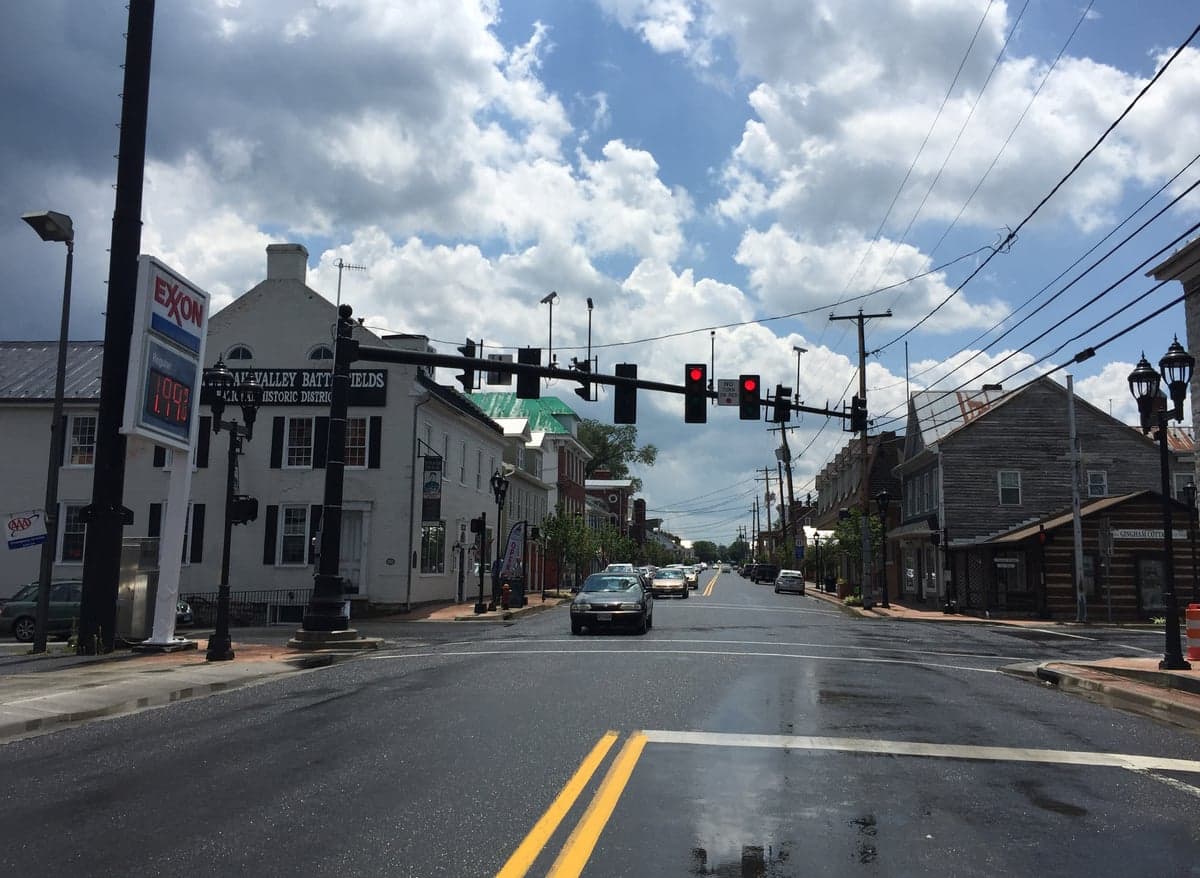
Photo: Wikipedia
Strategic Assessment of New Market, VA
Meaningful friction. Expect exposure to either population pressure, blast zones, or natural disaster risk. Consider buying a retreat property.
What does the Strategic Assessment tell us?
Our Strategic Assessment grades tactical survivability of an area. Major population centers, military targets, fallout zones, natural disasters, and border exposure all drive risk — lower exposure means a more defensible position in a crisis.
This is heavily inspired by Joel Skousen's Strategic Relocation book. Highly recommended you checkout the book ($)What does this tell us?
Our Strategic Assessment grades tactical survivability of an area. Major population centers, military targets, fallout zones, natural disasters, and border exposure all drive risk — lower exposure means a more defensible position in a crisis.
This is heavily inspired by Joel Skousen's Strategic Relocation book. Highly recommended you checkout the book ($)Strategic Pillars
Key Distances
Regional Safe Places
Below is our recommended "safe zones" in Virginia and the surrounding area based on our strategic heuristics. For most people, it's unrealistic to live in a “safe zone” full-time due to work, family or other personal reasons. They tend to be more rural. However, many of these areas are perfect for second homes and retreat properties that double as a vacation home or even a short-term rental.
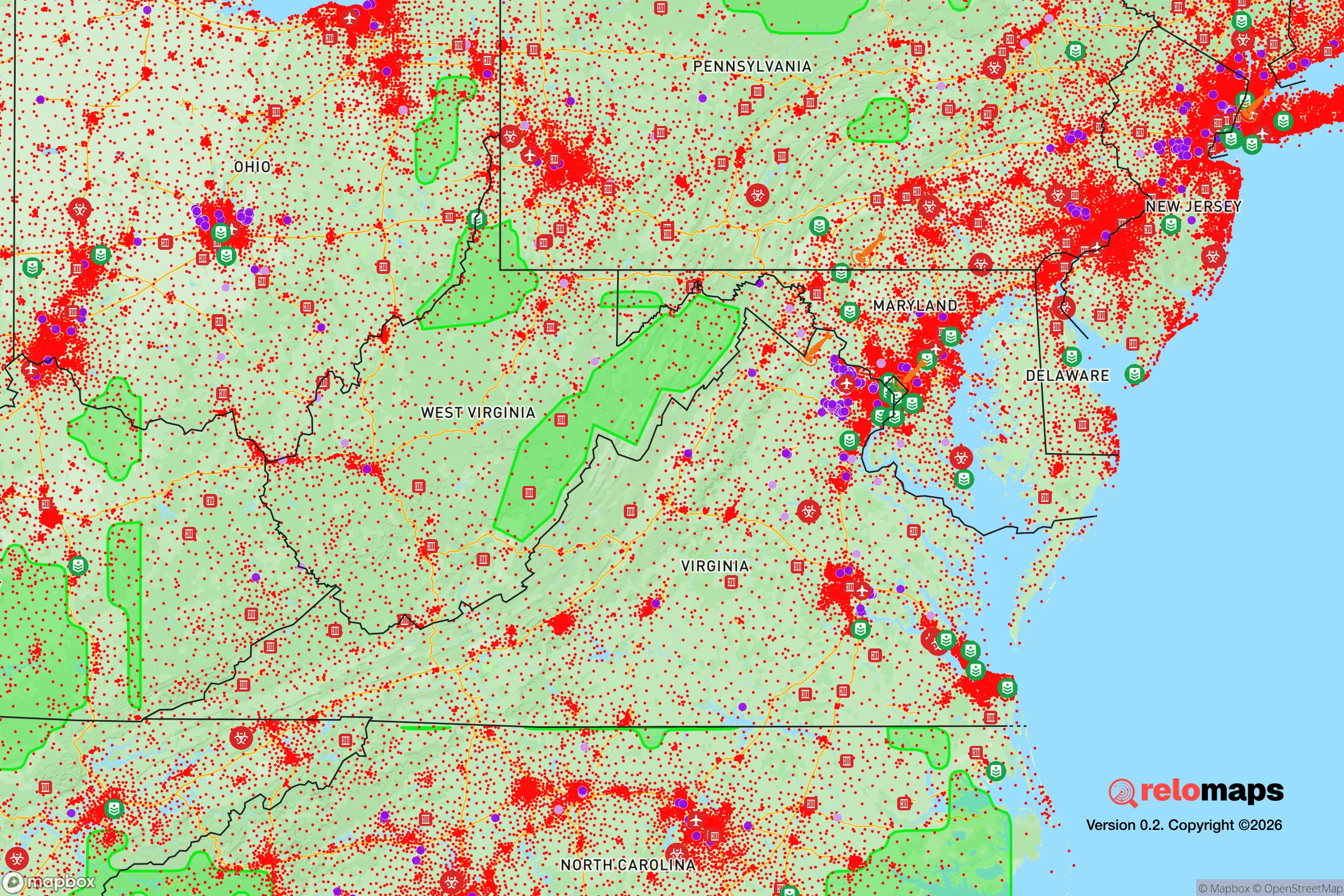
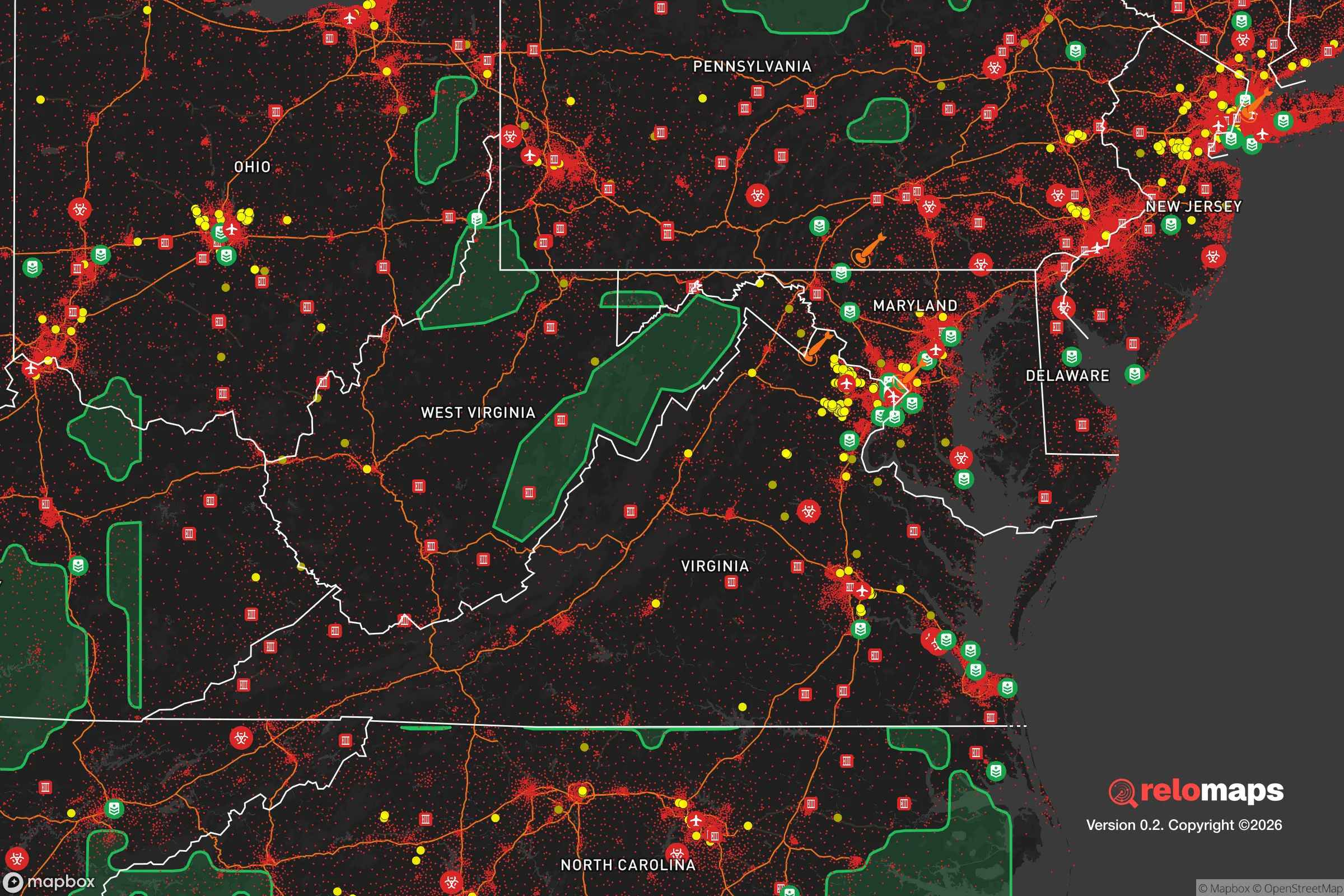


Important Note: For informational purposes only. This does not mean nothing bad ever happens in the green zones. Please use common sense. This is based on public data and modeled with AI. We tried to take a conservative approach but mistakes happen. We update this regularly as new information becomes available.
Solar Generator Recommendations
Backup power matters more here than in safer locations. We've picked three solar generators across budgets and capacity tiers — start with the budget unit if you only need a few essentials, or step up if you want to run a fridge and HVAC for days at a time.
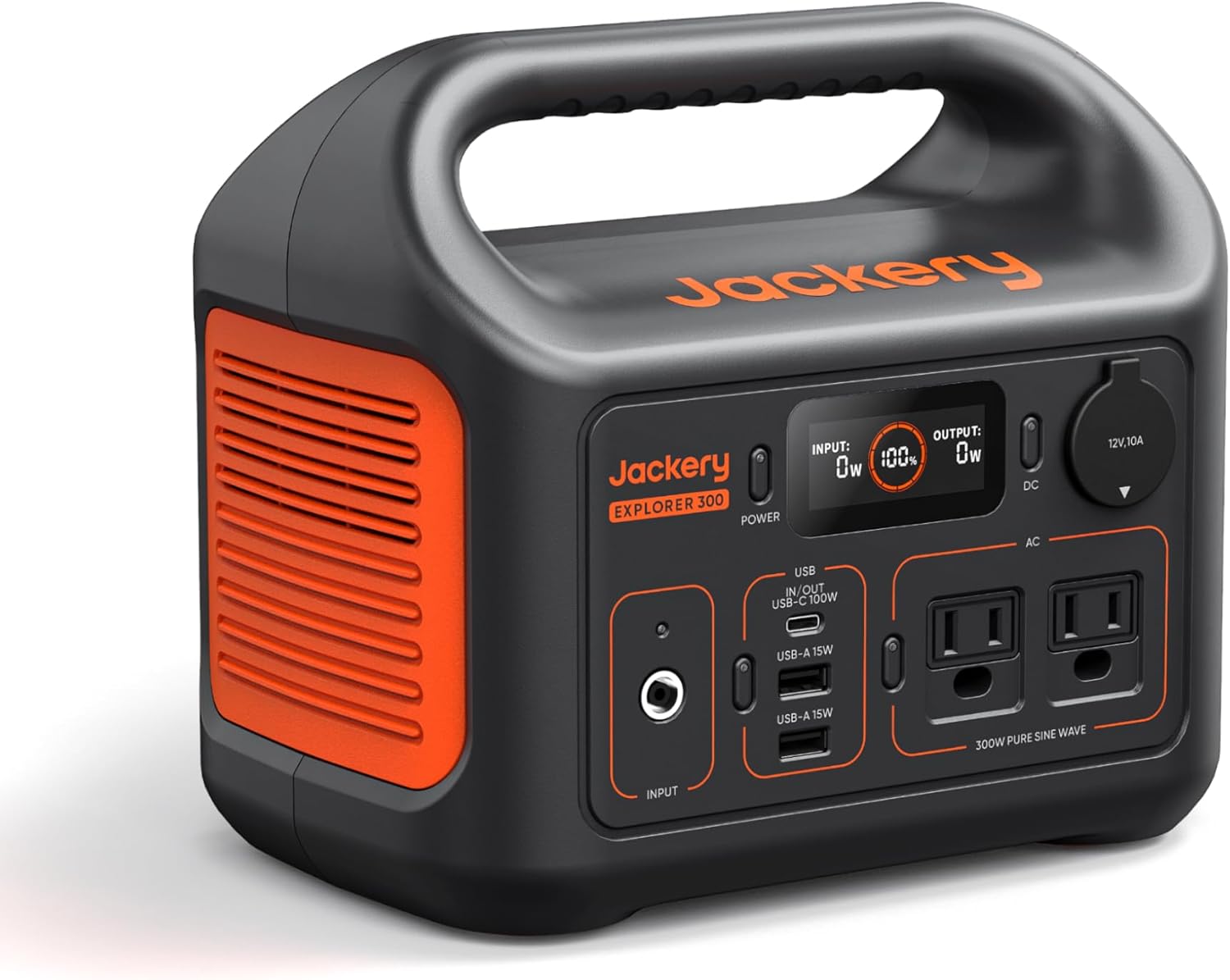
Jackery Portable Power Station Explorer 300
Budget OptionPower on the Go: Weighing only 11 lbs, it's convenient to set up and store with book-sized foldable solar panels

BLUETTI Portable Power Station AC180
Designed for both indoor and outdoor scenarios, AC180 is highly capable as it has a robost capacity and continuous output power.

EF ECOFLOW DELTA Pro Ultra Power Station
Upgraded PickEcoFlow DELTA Pro Ultra is a whole-home energy system designed to grow with your family. Integrated with the Smart Home Panel 2, it scales to meet your evolving energy needs — keeping your home powered, intelligent, and secure through every stage of life.
We earn a commission, at no additional cost to you.
Strategic Assessment Analysis
New Market, Virginia, sits in a sweet spot for the resilience-minded relocator: it’s far enough from the urban chaos of the I-95 corridor to feel genuinely removed, yet close enough to real infrastructure that you’re not completely off the grid. The town’s strategic value comes from its position in the Shenandoah Valley—a natural funnel that has been a military corridor for centuries, which means the terrain offers both defensive advantages and logistical access. For someone thinking seriously about disaster readiness, New Market offers a blend of rural self-sufficiency potential and regional connectivity that’s hard to beat in the Mid-Atlantic.
Geographic position and natural advantages for long-term security
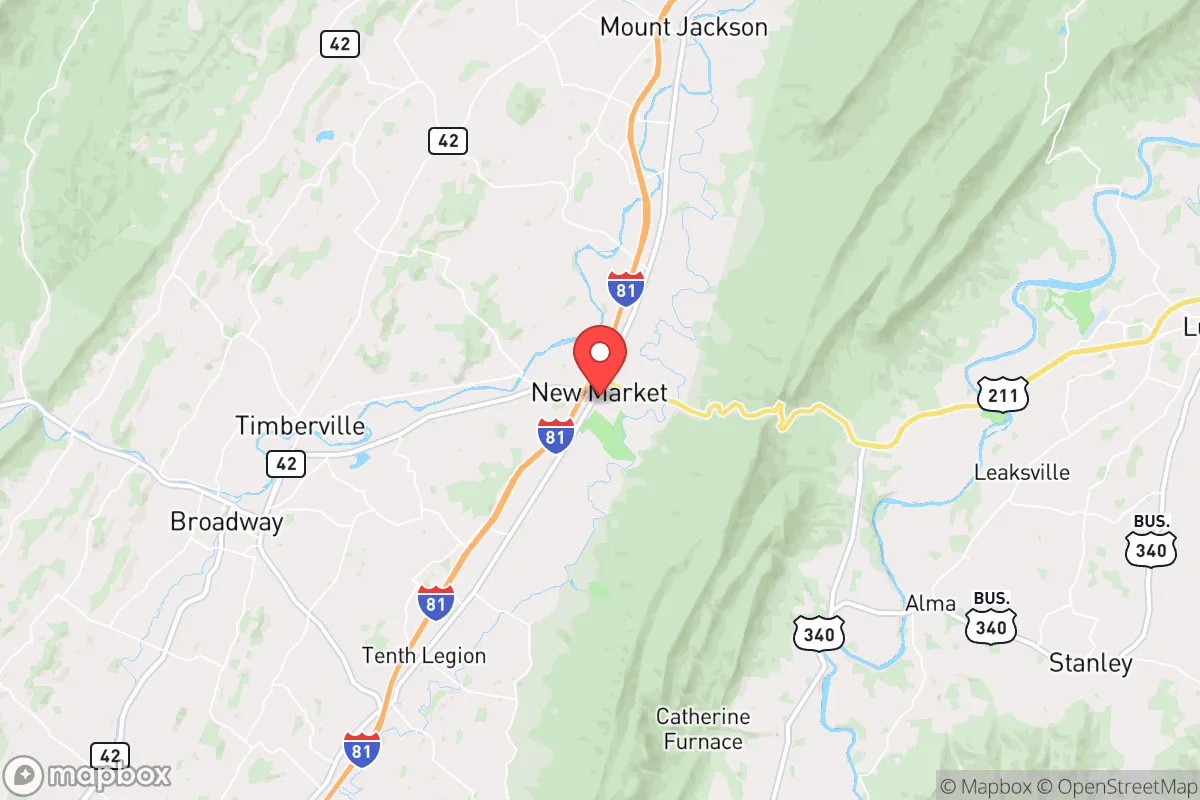
New Market’s geography is its primary asset. The town sits in the northern Shenandoah Valley, flanked by the Massanutten Mountain range to the east and the Allegheny Mountains to the west. This creates a natural bowl with multiple escape routes—Route 211 crosses the mountains to the east toward the Piedmont, while I-81 runs north-south through the valley floor. For a relocator, that means you’re not trapped in a single choke point; if one route is compromised, you have alternatives.
The valley itself is some of the most productive agricultural land in Virginia. The limestone-based soils around New Market are ideal for row crops, orchards, and livestock, and the area is dotted with working farms that have been operational for generations. This isn’t speculative farmland—it’s proven, productive ground. The Shenandoah River and the North Fork of the Shenandoah run nearby, and the region’s karst geology means abundant spring water and well water potential. The Massanutten range also provides a rain shadow effect that, while modest, gives the area slightly more predictable weather patterns than the coastal plain.
Elevation is another quiet advantage. New Market sits at roughly 1,000 feet above sea level, which puts it above the worst of the valley’s fog and flood zones while still being low enough to avoid the harsh winters of the higher Alleghenies. The climate is four-season but moderate—hot summers, cold but not brutal winters, and enough rainfall to keep agriculture viable without the hurricane-driven deluges that plague the Tidewater region.
Risk exposure and proximity to fallout-relevant landmarks
No honest strategic assessment ignores the risks. New Market’s biggest vulnerability is its proximity to I-81, a major north-south freight corridor that runs directly through town. In a peacetime disruption—a fuel shortage, a supply chain breakdown, a major accident—I-81 can become a liability, drawing congestion and chaos into the valley. In a wartime or national emergency scenario, that same highway becomes a target for disruption, and the valley’s role as a transit corridor means military traffic could pass through or near the area.
The region’s proximity to larger population centers is a double-edged sword. Harrisonburg is only 15 miles south, with a population of roughly 50,000 and a major university (James Madison University). Winchester is about 40 miles north, and the Washington, D.C. metro area is roughly 90 miles east. In a fallout scenario, prevailing winds from the east could carry particulate contamination toward the valley, though the Blue Ridge and Massanutten ranges provide significant shielding. The more immediate concern is the potential for displaced populations fleeing the D.C. metro area—New Market sits on a natural evacuation route, and a sudden influx of refugees could strain local resources quickly.
There are no nuclear power plants within immediate range—the closest is North Anna, about 90 miles southeast—but the region does have industrial and rail infrastructure that could be secondary targets. The Shenandoah Valley is also home to several data centers and logistics hubs tied to the broader D.C. economy, which could draw attention in a conflict scenario. The realistic assessment is that New Market is not a primary target, but it is not far enough from the Eastern Seaboard’s critical infrastructure to be considered truly remote.
Practical resilience for a relocator: food, water, energy, and defensibility
For the individual or family looking to build practical resilience, New Market offers strong fundamentals. The local food system is robust—the valley produces poultry, beef, dairy, apples, and grains, and there are multiple year-round farmers markets within a 20-minute drive, including the historic New Market Farmers Market and larger operations in Harrisonburg. For those wanting to grow their own food, the growing season runs roughly 170 days, and the soil quality is significantly better than the clay-heavy Piedmont or the sandy coastal plain. Water is less of a concern here than in many parts of Virginia; well-drilling is common, and the karst aquifers provide reliable yields at moderate depths.
Energy resilience is a mixed picture. The area is served by Shenandoah Valley Electric Cooperative, which has a decent reliability record but is still subject to storm outages. Wood heat is a practical option—the surrounding national forests (George Washington National Forest is just west of town) provide ample firewood, and many homes in the area already have wood stoves or fireplaces as primary or secondary heat sources. Solar is viable, though the valley’s cloud cover and mountain shading mean you’ll need to size your array carefully. Propane is widely available and many rural properties have on-site tanks, which is a solid backup for heating and cooking.
Defensibility is where New Market’s geography shines. The town itself is small—roughly 2,500 residents—and the surrounding countryside is a patchwork of farms and forest with long sightlines and natural chokepoints. The Massanutten range to the east provides a natural barrier, and the valley’s many small roads offer multiple ingress and egress options that are easy to monitor. The local community is tight-knit and historically self-reliant; this is a region that weathered the Civil War’s Shenandoah Valley campaigns and the Great Depression without losing its character. For a relocator, that means neighbors who are already inclined toward mutual aid rather than dependency on distant institutions.
The overall strategic picture for New Market
New Market is not a bug-out location for the paranoid; it’s a sustainable, livable community for someone who wants to be prepared without living in constant alert mode. The trade-offs are clear: you’re close enough to I-81 and Harrisonburg to access hospitals, big-box retail, and professional services, but that same proximity means you’re not fully insulated from regional disruptions. The area’s agricultural base, water availability, and defensible terrain make it a strong choice for a family or individual looking to build a resilient lifestyle in the Mid-Atlantic. If your priority is being far from targets and close to resources, New Market earns a solid recommendation—just understand that “remote” here is relative, and the valley’s strategic importance is both its strength and its vulnerability.

* Values derived from national, state, county, city and local statistics and may differ in a specific area. Last updated: 2026-11-02T05:08:37.000Z
Narrative content on this page is AI-generated and may contain mistakes. Verify any details that matter before acting on them.
ReloMaps may earn a commission from affiliate links at no extra cost to you.

