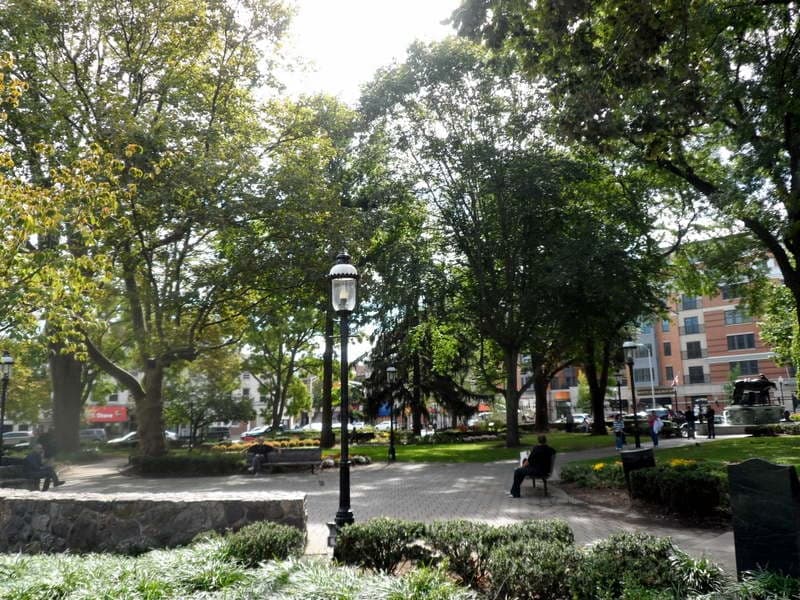
Photo: Wikipedia
Strategic Assessment of Morris County
Multiple tactical vulnerabilities. Population density, target proximity, or disaster risk are likely compounding. A retreat property and exit planning is required.
What does the Strategic Assessment tell us?
Our Strategic Assessment grades tactical survivability of an area. Major population centers, military targets, fallout zones, natural disasters, and border exposure all drive risk — lower exposure means a more defensible position in a crisis.
This is heavily inspired by Joel Skousen's Strategic Relocation book. Highly recommended you checkout the book ($)What does this tell us?
Our Strategic Assessment grades tactical survivability of an area. Major population centers, military targets, fallout zones, natural disasters, and border exposure all drive risk — lower exposure means a more defensible position in a crisis.
This is heavily inspired by Joel Skousen's Strategic Relocation book. Highly recommended you checkout the book ($)Strategic Pillars
Key Distances
Strategic Assessment Analysis
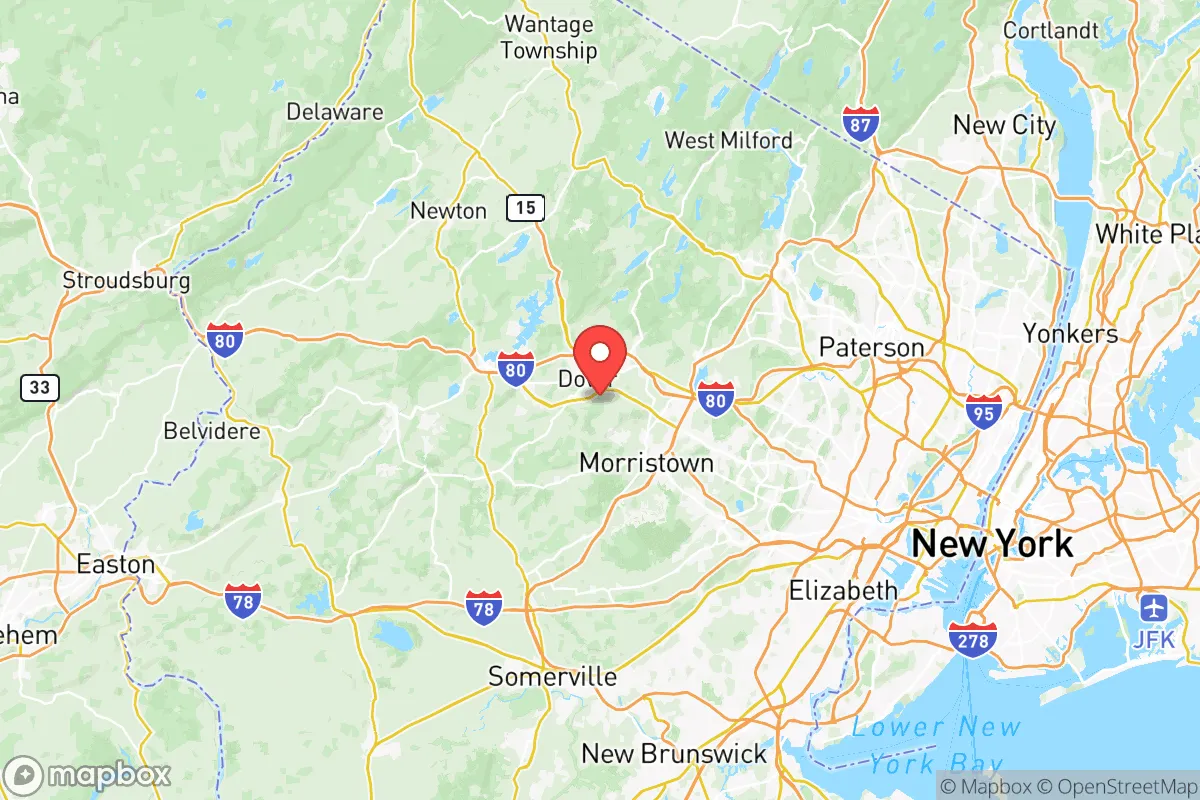
Morris County, New Jersey offers a compelling mix of strategic depth and practical resilience for the relocation-minded reader, balancing proximity to the New York metro area with a surprisingly robust set of natural and infrastructural advantages. Its position in the Highlands region, roughly 30 miles west of Manhattan, provides a meaningful buffer from the densest population centers while still offering access to major employment hubs. For those prioritizing disaster readiness and self-sufficiency, the county’s topography, water resources, and energy infrastructure present a more defensible and sustainable profile than most suburban rings around a major city.
Geographic position and natural advantages: The Highlands buffer and water security
Morris County sits squarely within the New Jersey Highlands, a region of rolling hills, ridges, and valleys that provides a natural defensive layer against both storm surge and the worst of coastal flooding. The county’s highest point, near Mendham Township, rises over 1,200 feet, offering elevation that reduces vulnerability to sea-level rise and storm-driven flooding that plagues coastal and low-lying areas. The Passaic River and its tributaries, including the Rockaway River and the Whippany River, drain the county, but the terrain generally sheds water efficiently, with most flood risks confined to narrow floodplains near Morristown and Dover. This is not a region that will see saltwater intrusion or storm surge, a critical advantage for long-term habitability.
Water security is a standout feature. The county is home to the Splitrock Reservoir and the Budd Lake system, part of the larger Jersey City watershed, which supplies drinking water to millions. For a relocator, this means surface water is abundant and relatively protected from contamination due to the Highlands Act’s strict land-use regulations. The region’s average annual rainfall of 45-50 inches also supports rain catchment and well-based systems, though most suburban homes rely on municipal water. The presence of the Picatinny Arsenal in the county’s northern reaches—a major U.S. Army research and development facility—adds a layer of federal interest that can translate into priority infrastructure maintenance and emergency response resources.
Risks, exposures, and proximity to fallout-relevant landmarks
No location is without risk, and Morris County’s proximity to the New York-Newark metropolitan area introduces several man-made vulnerabilities. The county lies within roughly 40 miles of Newark Liberty International Airport and the Port of Newark-Elizabeth, one of the busiest container ports on the East Coast. A major incident at the port—whether a terrorist attack, industrial accident, or natural disaster—could disrupt supply chains and create secondary hazards, though prevailing winds typically carry fallout eastward over the Atlantic. The Linden Cogeneration Plant and the Bayway Refinery in nearby Linden are significant fixed industrial sites; a worst-case release could affect Morris County if weather patterns shift, but the distance (over 25 miles) and intervening hills provide substantial dilution.
More directly, the county contains its own potential targets. Picatinny Arsenal is a high-value military installation involved in weapons development, making it a plausible target in a conflict scenario. The Morristown Municipal Airport and the county’s numerous corporate campuses (including major pharmaceutical and tech firms) could be secondary targets or sources of economic disruption. For the resilience-minded relocator, the key takeaway is that Morris County is not a remote, off-grid haven—it is a suburban buffer zone. The risk of fallout from a nuclear event in New York City is real but significantly reduced by distance and terrain; prevailing winds would carry most contamination east over Long Island and the Atlantic. The county’s location also means it would likely be a staging area for emergency response, which could bring both resources and unwanted attention.
Practical resilience for a relocator: Food, water, energy, and defensibility
For a family or individual serious about self-sufficiency, Morris County offers a mixed but workable picture. Food security is moderate: the county has a strong agricultural heritage, with working farms in Chester Township, Washington Township, and Mount Olive that produce hay, corn, and livestock. Farmers’ markets are common, and community-supported agriculture (CSA) shares are available. However, the county is not a major grain or vegetable producer—most food is trucked in from the Midwest and the Delaware Valley. A relocator would need to supplement with home gardening, which is feasible given the climate and soil quality in the western half of the county.
Energy resilience is a stronger suit. The county is served by Jersey Central Power & Light and PSE&G, with a relatively modern grid that has been hardened after Superstorm Sandy. Many towns, including Randolph and Roxbury, have seen increased adoption of solar panels and backup generators. The presence of the Hope Creek and Salem nuclear plants in southern New Jersey is a distant concern, but the county’s own energy mix includes natural gas and some hydro. For off-grid capability, the terrain supports small-scale solar and wind, though zoning in more affluent towns like Chatham or Madison may restrict visible installations. Defensibility is where the county’s geography shines: the hills, narrow roads, and wooded areas create natural chokepoints. A determined group could secure a rural property in the western part of the county (near Long Valley or Mendham) with relative ease, though suburban density in the east makes that impractical.
The overall strategic picture for Morris County
Morris County is not a survivalist’s paradise, but it is one of the better-positioned suburban counties in the Northeast for a resilience-focused relocator. Its elevation, water abundance, and distance from the coast provide natural buffers against the most common climate and industrial risks. The presence of Picatinny Arsenal and proximity to Newark introduce man-made risks, but these are manageable with situational awareness and a well-stocked emergency kit. For a family that wants to stay within commuting distance of New York City while maintaining a credible self-sufficiency plan—with space for a garden, a backup generator, and a defensible property—the western half of the county offers a realistic balance. The key is to choose a location west of Route 287, away from the densest suburbs, and to invest in local networks and supplies. Morris County is a strategic compromise, not a fortress, but for most relocators, that is exactly the right call.

* Values derived from national, state, county, city and local statistics and may differ in a specific area. Last updated: 2026-11-14T02:08:46.000Z
Narrative content on this page is AI-generated and may contain mistakes. Verify any details that matter before acting on them.
ReloMaps may earn a commission from affiliate links at no extra cost to you.

