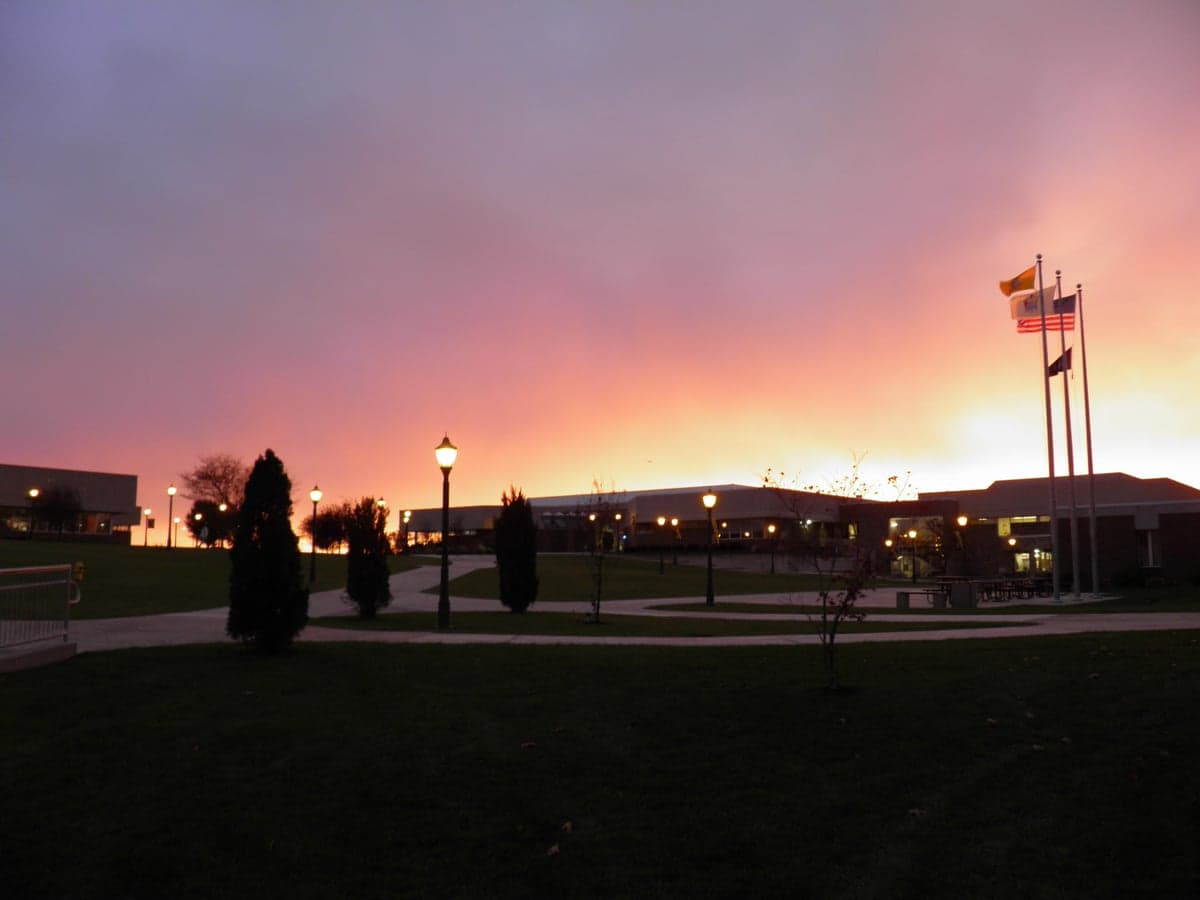
Photo: Wikipedia
Quality of Life in Gloucester County
A livable area that tracks near national norms for affordability, walkability, and neighborhood health.
What does Quality of Life tell us?
Quality of Life measures an area by evaluating factors like cost of living, nearby amenities, country club access, airport proximity, socioeconomic signals and neighborhood character. For large states, this is a general average — quality of life can vary dramatically between metro areas, suburbs, and rural communities within the same state.
What does this tell us?
Quality of Life measures an area by evaluating factors like cost of living, nearby amenities, country club access, airport proximity, socioeconomic signals and neighborhood character. For large states, this is a general average — quality of life can vary dramatically between metro areas, suburbs, and rural communities within the same state.
Cost of Living
17% above national average
127%
The Real Cost of Living in Gloucester County for 2026
| Tier | Individual | Family (4) |
|---|---|---|
| Survival | $24k | $44k |
| Comfortable | $55k | $81k |
| Luxury | $158k+ | $245k+ |
| Elite (Top 5%) | $186k+ | $288k+ |
Quality-of-Life Analysis
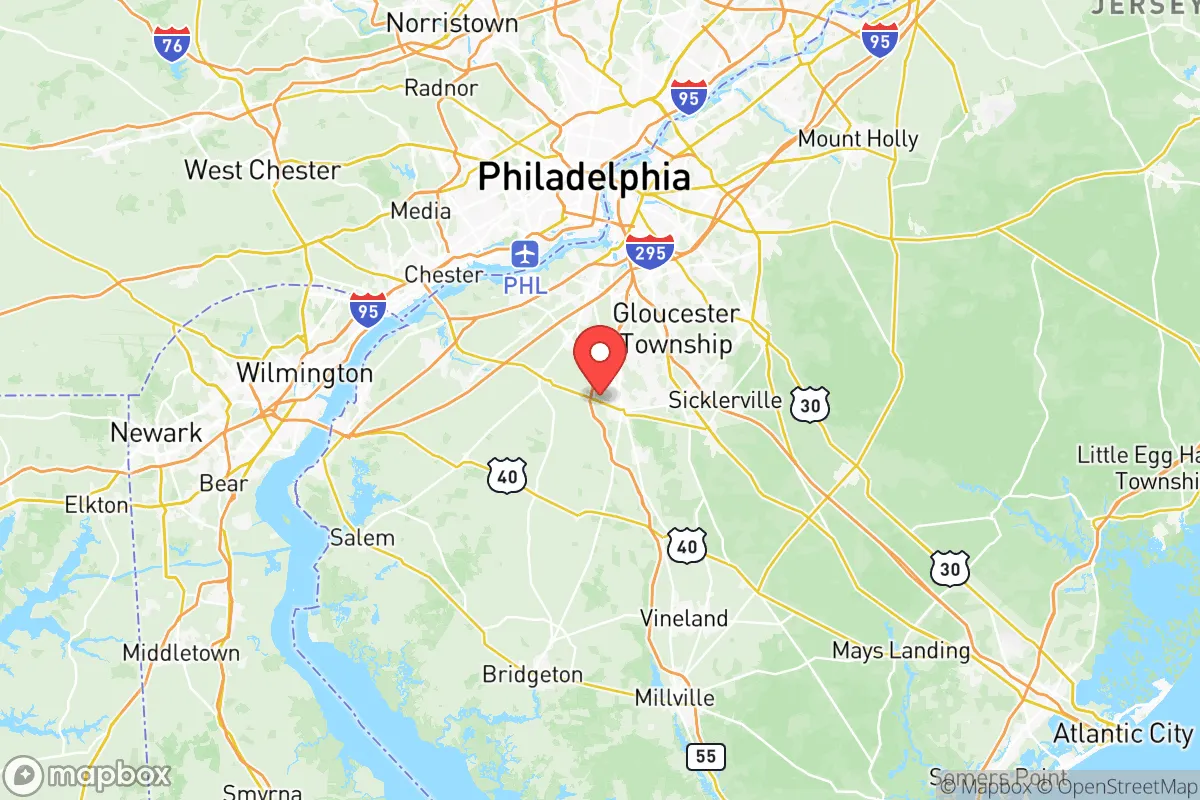
Gloucester County, New Jersey, offers a broad quality-of-life spectrum that ranges from walkable, transit-connected towns along the Delaware River to quiet, agricultural hamlets in its southern and eastern reaches. The county's character shifts noticeably as you move from the historic riverfront communities, which attract commuters and young professionals, to the more suburban and rural interior, which appeals to families seeking larger lots and lower property taxes. With a cost-of-living index of 117 (100 = U.S. average), a median home value of $283,500, and a median rent of $1,480, the county provides a more affordable alternative to neighboring Philadelphia suburbs while still maintaining strong access to the region's job centers.
Largest town(s) & population centers
The county's largest municipality is Washington Township (population ~48,000), a sprawling suburban hub centered around the Deptford Mall and the Route 42 corridor. Daily life here is car-dependent, with most residents commuting an average of 29 minutes to jobs in Philadelphia, Cherry Hill, or Camden. The township offers extensive retail, chain restaurants, and the 1,100-student Washington Township High School. Glassboro (population ~20,000) is the county's second-largest town and home to Rowan University, which anchors a lively downtown with student-oriented apartments, breweries, and the Rowan Boulevard development. Glassboro's walkable core and university events draw a younger demographic, while its surrounding neighborhoods include older single-family homes. Pitman (population ~9,000), adjacent to Glassboro, is a smaller, historic borough with a preserved downtown, a community theater, and a strong sense of local identity, often attracting families and retirees who want a small-town feel with proximity to Rowan.
Smaller towns & rural pockets
South and east of the population centers, Gloucester County opens into agricultural and wooded areas. Harrison Township (population ~13,000) includes the unincorporated village of Mullica Hill, a historic town with a quaint Main Street lined with antique shops, a weekly farmers market, and preserved 18th-century homes. Mullica Hill is a magnet for those seeking a rural aesthetic with modern amenities. Woolwich Township (population ~12,000) is a fast-growing area where new subdivisions sit alongside working farms; its unincorporated community of Swedesboro offers a small historic district and access to the Commodore Barry Bridge into Delaware. South Harrison Township (population ~3,000) and East Greenwich Township (population ~10,000) are largely rural, with horse farms, cornfields, and scattered housing developments. The unincorporated village of Clarksboro in East Greenwich provides a quiet riverfront setting along the Delaware, with limited services and a strong sense of isolation.
Cost & lifestyle range
The cost of living varies significantly across the county. At the higher end, Mullica Hill and Woolwich Township command median home values above $400,000, driven by newer construction and desirable school districts. These areas offer large lots, low crime rates, and a semi-rural lifestyle, but require a car for every errand. At the lower end, Glassboro and Paulsboro (population ~6,000) have median home values closer to $200,000, with Paulsboro offering some of the county's cheapest housing stock, though it faces higher crime rates and fewer retail options. Renters find the most affordable units in Clayton (population ~8,000) and Woodbury (population ~10,000), where two-bedroom apartments often rent for under $1,200. The county's overall median rent of $1,480 is below the national average, but renters in Glassboro near Rowan University pay a premium for proximity to campus. Commute times are longest for residents of southern towns like Harrison Township (averaging 35+ minutes to Philadelphia) and shortest for those in Woodbury and Paulsboro, which have direct PATCO and NJ Transit bus access to Center City Philadelphia in under 25 minutes.
Gloucester County's diversity of settings means that different household types can find a fit. Commuters who prioritize transit access and walkability thrive in Woodbury, Glassboro, or Pitman. Families seeking good schools, newer homes, and space gravitate toward Woolwich or Harrison Township. Those wanting the lowest housing costs and a rural, self-sufficient lifestyle often settle in South Harrison or East Greenwich. The county's mix of historic river towns, university-anchored communities, and working farmland ensures that no single description captures the whole experience — the key is matching the specific town to the specific lifestyle need.

Crime in Gloucester County
WARNING: The crime statistics are unreliable for this jurisdiction. Local authorities have either not reported or under reported their data to the FBI. This could be due to bad intentions, incompetence or technical issues. Regardless, we suggest skepticism.
Crime rates similar to the national median for U.S. locations.
Violent CrimeViolent Crime Analysis
Property CrimeProperty Crime Analysis
Crime Analysis
Gloucester County, New Jersey, presents a mixed safety profile for prospective residents. With a violent crime rate of 192.1 incidents per 100,000 residents and a property crime rate of 1,233.1 per 100,000, the county sits below the national average for violent offenses but above the national average for property crime. However, these countywide figures mask significant variation between communities, and the influence of progressive prosecutorial policies in nearby urban centers raises legitimate concerns about regional crime trends and their spillover effects into Gloucester County’s more suburban and rural areas.
Crime in context
Gloucester County’s violent crime rate of 192.1 per 100,000 is roughly 45% lower than the national average of approximately 380 per 100,000, and significantly below New Jersey’s own state average of about 220 per 100,000. This places the county among the safer suburban rings of the Philadelphia metro area. Property crime, however, tells a different story: the county’s rate of 1,233.1 per 100,000 is about 15% higher than the national average of roughly 1,100 per 100,000. This elevated property crime rate is driven largely by thefts from vehicles and package thefts in denser suburban nodes like Deptford Township and Washington Township, where retail corridors and commuter parking lots create opportunities for opportunistic crime. By comparison, neighboring Camden County—which includes the city of Camden—has a violent crime rate nearly three times higher, underscoring Gloucester County’s relative safety but also its proximity to higher-risk urban areas.
What residents experience
For most residents, daily life in Gloucester County does not involve direct exposure to violent crime. The county’s violent offenses are concentrated in specific contexts: domestic disputes, drug-related incidents, and occasional robberies near transit hubs. Glassboro, home to Rowan University, sees a modest uptick in thefts and minor assaults tied to the student population, but these rarely involve strangers. Woodbury, the county seat, has a slightly elevated crime index compared to outlying townships, though still well below state averages. Property crime is the more tangible concern: residents in Mantua Township and Harrison Township report frequent vehicle break-ins, especially in neighborhoods near Route 55 and the New Jersey Turnpike exits. The county’s reliance on the Gloucester County Prosecutor’s Office for major felony cases provides a relatively consistent law enforcement response, but residents should be aware that the broader New Jersey judicial system has adopted progressive bail reform and sentencing guidelines that critics argue reduce accountability for repeat property offenders. This means that while a car break-in may be reported, the likelihood of prosecution and incarceration for low-level property crimes is lower than in more conservative jurisdictions, potentially emboldening thieves.
Neighborhood-level variation and regional concerns
The safest areas in Gloucester County are the more rural and exurban townships in the southern and western portions, such as South Harrison Township and Woolwich Township, where violent crime is nearly nonexistent and property crime rates are roughly half the county average. Conversely, the highest crime concentrations appear in the more densely developed and transit-connected communities: Deptford Township (home to the Deptford Mall and major retail) and Glassboro (college town) see the bulk of reported incidents. A critical factor for prospective residents is the county’s proximity to Camden and Philadelphia, both of which have district attorneys elected on progressive platforms emphasizing decarceration and reduced prosecution for nonviolent offenses. This creates a dynamic where criminals from these higher-crime cities may view Gloucester County’s suburban towns as attractive targets for property crime, knowing that even if caught, the regional justice system is unlikely to impose severe penalties. For families and professionals prioritizing safety, choosing a township with a strong local police presence—such as Mantua Township or Harrison Township—and avoiding properties near major highway interchanges or retail corridors is a prudent strategy.
* Values derived from national, state, county, city and local statistics and may differ in a specific area. Last updated: 2026-07-13T08:06:18.000Z
Narrative content on this page is AI-generated and may contain mistakes. Verify any details that matter before acting on them.
ReloMaps may earn a commission from affiliate links at no extra cost to you.

