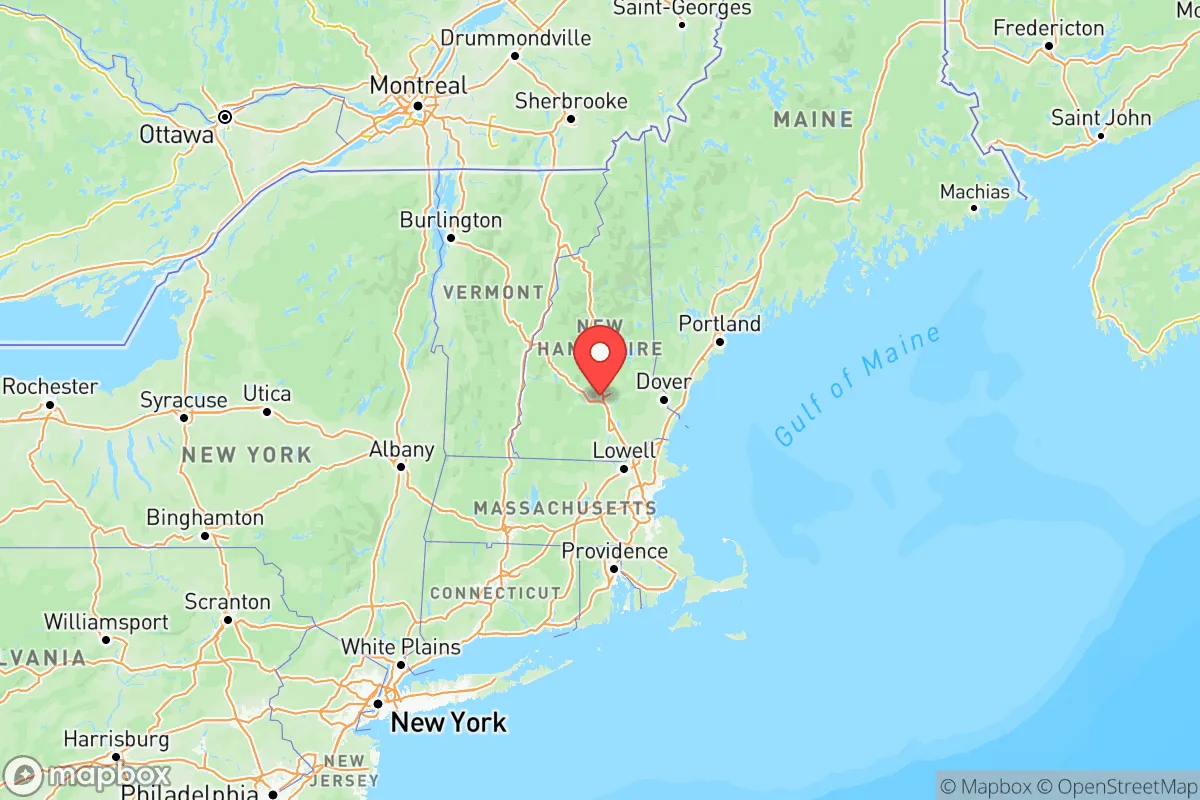
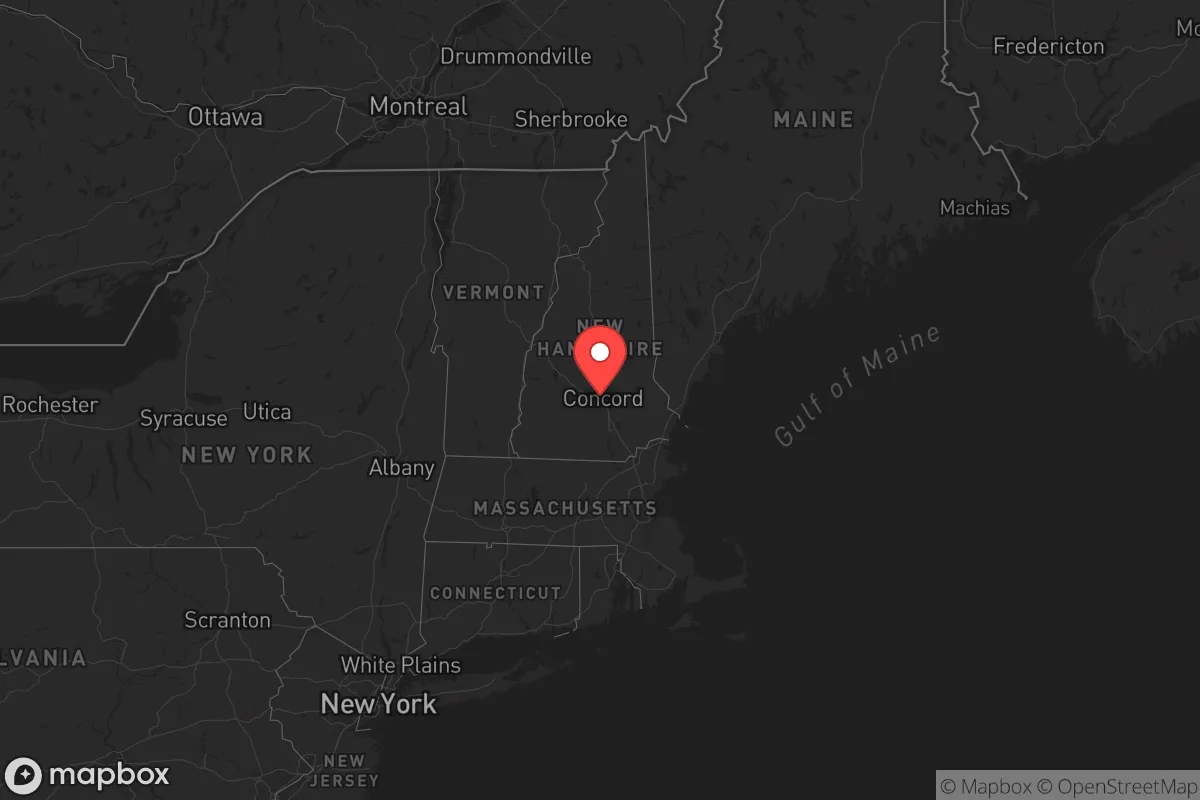
Photo: Wikipedia
Quality of Life in New Hampshire
A livable area that tracks near national norms for affordability, walkability, and neighborhood health.
What does Quality of Life tell us?
Quality of Life measures an area by evaluating factors like cost of living, nearby amenities, country club access, airport proximity, socioeconomic signals and neighborhood character. For large states, this is a general average — quality of life can vary dramatically between metro areas, suburbs, and rural communities within the same state.
What does this tell us?
Quality of Life measures an area by evaluating factors like cost of living, nearby amenities, country club access, airport proximity, socioeconomic signals and neighborhood character. For large states, this is a general average — quality of life can vary dramatically between metro areas, suburbs, and rural communities within the same state.
Cost of Living
26% above national average
91%
The Real Cost of Living in New Hampshire for 2026
| Tier | Individual | Family (4) |
|---|---|---|
| Survival | $23k | $43k |
| Comfortable | $71k | $105k |
| Luxury | $163k+ | $253k+ |
| Elite (Top 5%) | $192k+ | $297k+ |
Quality-of-Life Analysis
New Hampshire offers a remarkably broad spectrum of quality-of-life options, from dense urban centers to remote mountain hamlets, each attracting a distinct type of resident. The state’s overall cost of living index sits at 126 (100 = U.S. average), with a median home value of $367,200 and median rent of $1,423, but these averages mask a wide range: living in downtown Manchester costs significantly more than in rural Coos County. The average commute of 26.8 minutes is manageable for most, though it stretches longer for those commuting from exurbs into the major employment hubs.
Major metros
New Hampshire’s two primary urban centers are Manchester and Nashua, both in the southern tier along the Massachusetts border. Manchester, the state’s largest city, offers a gritty, post-industrial vibe with a growing tech and healthcare sector anchored by Elliot Hospital and Southern New Hampshire University; its downtown has seen a revival of breweries, arts venues, and loft apartments, appealing to young professionals and empty-nesters seeking walkability. Nashua, just west, feels more suburban and family-oriented, with a strong defense and manufacturing base (BAE Systems is a major employer) and a highly rated school system that draws commuters to Boston (about 45 minutes south). For those who want urban density without Boston prices, these two cities provide the closest approximation, with median home values around $350,000–$400,000 and rents near the state average.
Mid-size cities & college towns
Beyond the big two, several mid-size cities and college towns offer distinct lifestyles. Portsmouth, on the seacoast, is a historic port city with a vibrant restaurant scene, boutique shopping, and a high cost of living (median home value above $500,000); it attracts creative professionals and retirees who value coastal access and cultural amenities. Concord, the state capital, is a government and insurance hub (home to the State House and Lincoln Financial Group) with a slower pace, good schools, and a median home value around $300,000, making it a practical choice for families and state employees. Hanover, home to Dartmouth College, is a classic college town with a walkable downtown, Ivy League intellectual energy, and very high housing costs (median home value exceeding $600,000); it suits academics, medical professionals at Dartmouth-Hitchcock, and outdoor enthusiasts who ski at nearby Dartmouth Skiway. Keene, in the Monadnock region, offers a small-city feel with a vibrant downtown, affordable housing (median home value around $250,000), and a strong sense of community, appealing to artists, remote workers, and families seeking a lower cost of living. Durham, home to the University of New Hampshire, is a classic college town with a young population, rental-heavy market, and easy access to the seacoast.
Small towns & rural areas
New Hampshire’s small towns and rural areas define its “Live Free or Die” character. North Conway, in the White Mountains, is a tourist-oriented village with outlet shopping, skiing at Cranmore Mountain, and a seasonal economy; it attracts outdoor enthusiasts and retirees who prioritize scenery over convenience. Peterborough, in the Monadnock region, is a classic New England village with a strong arts scene (home to the MacDowell Colony) and a walkable downtown, drawing writers, artists, and remote workers. Littleton, in the North Country, is a revitalized mill town with a charming main street, affordable homes (median around $200,000), and a growing community of entrepreneurs and telecommuters. Colebrook, near the Canadian border, offers true rural isolation with vast forests, low property taxes, and a median home value under $150,000, but limited jobs and services; it suits homesteaders, hunters, and those seeking maximum privacy. The Lakes Region (towns like Meredith, Wolfeboro, and Laconia) offers a mix of seasonal tourism, lakefront living, and year-round communities, with home values ranging from $250,000 inland to over $1 million on the water.
Luxury vs. affordable living
The luxury tier in New Hampshire is concentrated in a few high-end enclaves. Rye and New Castle, on the seacoast, feature oceanfront estates with median home values above $800,000, attracting wealthy retirees and second-home owners. Hanover and Etna, near Dartmouth, have some of the state’s highest property values, driven by academic and medical professionals. Waterville Valley, a gated ski resort town, offers luxury condos and homes with ski-in/ski-out access, with prices often exceeding $1 million. On the affordable end, Berlin in the North Country has a median home value around $120,000, reflecting its post-industrial decline, but offers low property taxes and proximity to outdoor recreation. Franklin, in the central region, has homes under $200,000 and a revitalizing downtown, appealing to first-time buyers. Claremont and Newport, in the Sunapee region, offer homes in the $150,000–$200,000 range with access to Lake Sunapee and Mount Sunapee ski area, attracting budget-conscious outdoor enthusiasts.
The practical reality is that New Hampshire’s quality-of-life spectrum is defined by trade-offs between proximity to jobs, housing costs, and lifestyle preferences. Urbanites thrive in Manchester and Nashua, where salaries are higher but housing is tight; college-town residents enjoy walkability and culture in Hanover, Durham, or Keene; rural dwellers accept longer commutes and fewer services for space and lower costs in places like Colebrook or Berlin. The cost-of-living spread is stark: a home in Rye can cost eight times one in Berlin, and the average commute of 26.8 minutes masks the hour-plus drives many rural residents make to reach employment centers. Ultimately, the state offers a viable option for nearly every budget and preference, but the key is matching the specific town’s economy and amenities to the resident’s career and lifestyle needs.

Crime in New Hampshire
Lower crime rates than 82% of comparable U.S. locations.
Violent CrimeViolent Crime Analysis
Property CrimeProperty Crime Analysis
Crime Analysis
New Hampshire is consistently ranked among the safest states in the U.S., with violent and property crime rates well below national averages. According to the most recent FBI data, the state’s violent crime rate stands at 116.3 incidents per 100,000 residents, and its property crime rate is 817.2 per 100,000. These figures place New Hampshire as the state with the second-lowest violent crime rate in the nation, behind only Maine, and among the bottom ten for property crime. However, safety varies significantly by municipality, with larger cities like Manchester and Nashua reporting higher crime concentrations, while rural towns and many southern suburbs remain exceptionally safe.
Crime in context
New Hampshire’s violent crime rate of 116.3 per 100,000 is roughly one-third the national average of 380 per 100,000. Property crime at 817.2 per 100,000 is also far below the U.S. rate of approximately 1,954 per 100,000. These low numbers reflect a combination of low population density, strong community policing, and a relatively high median household income. However, the state is not immune to crime trends. Manchester, the largest city, reported a violent crime rate of roughly 340 per 100,000 in recent years—still below the national average but significantly higher than the state figure. Nashua, the second-largest city, has a violent crime rate around 200 per 100,000. In contrast, towns like Bedford, Londonderry, and Windham consistently report violent crime rates below 50 per 100,000, making them among the safest communities in the Northeast.
What residents experience
For most New Hampshire residents, crime is not a daily concern. Property crime—primarily larceny and motor vehicle theft—is the most common offense, but even that is infrequent in many areas. Drug-related offenses, particularly linked to the opioid crisis, drive a portion of both property and violent crime, especially in the state’s northern regions like Berlin and Coös County. A notable concern for residents is the growing influence of progressive prosecutorial policies in some jurisdictions. In Hillsborough County (which includes Manchester and Nashua) and Strafford County (home to Dover and Rochester), district attorneys have adopted diversion programs and reduced sentencing guidelines for non-violent offenders. While these policies aim to reduce incarceration, critics argue they lead to higher recidivism and more property crime as repeat offenders cycle through the system with minimal consequences. This is particularly evident in Manchester, where property crime rates have ticked upward since 2020, coinciding with a shift toward restorative justice approaches.
Neighborhood-level variation is pronounced in New Hampshire’s larger cities. In Manchester, the West Side and downtown areas see higher rates of theft, vandalism, and drug-related incidents, while the North End and South End remain relatively quiet. Nashua’s Tree Streets neighborhood has a reputation for higher crime, while the city’s western and southern suburbs are very safe. In Concord, the state capital, crime is low overall, with most incidents concentrated near the downtown commercial corridor. For those seeking the safest environments, towns like Amherst, Hollis, and Hanover (home to Dartmouth College) report near-zero violent crime and property crime rates below 400 per 100,000. The key takeaway: New Hampshire is exceptionally safe by national standards, but prospective residents should research specific towns and be aware that progressive justice policies in larger counties may contribute to localized crime increases.
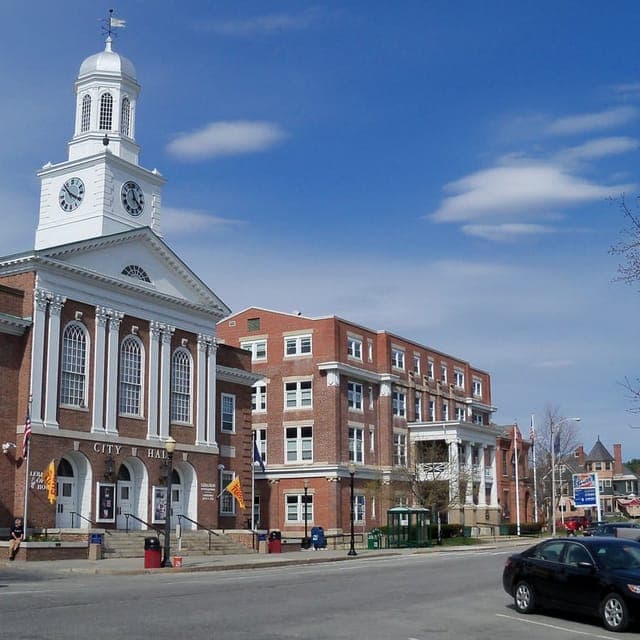
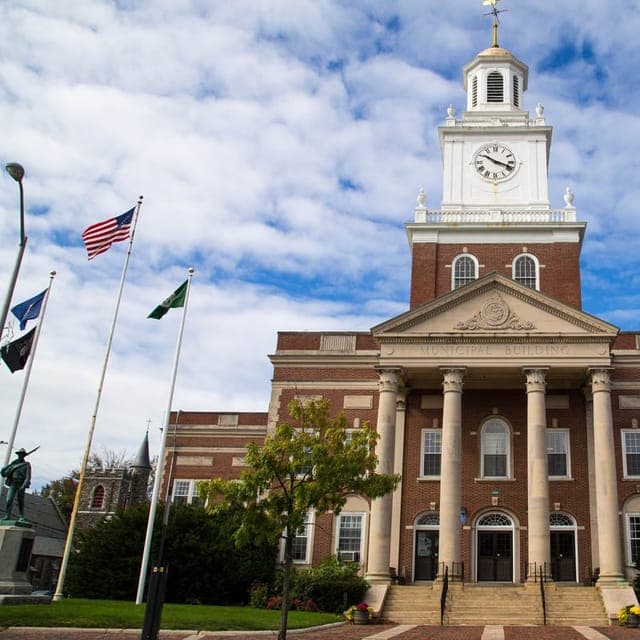
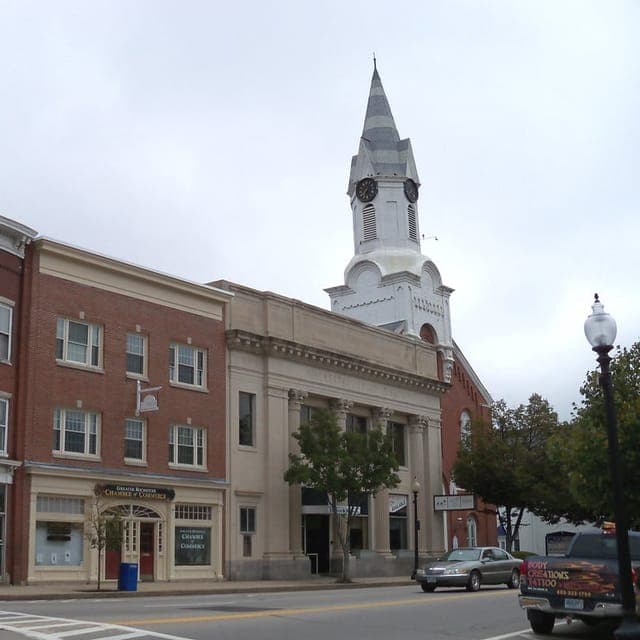
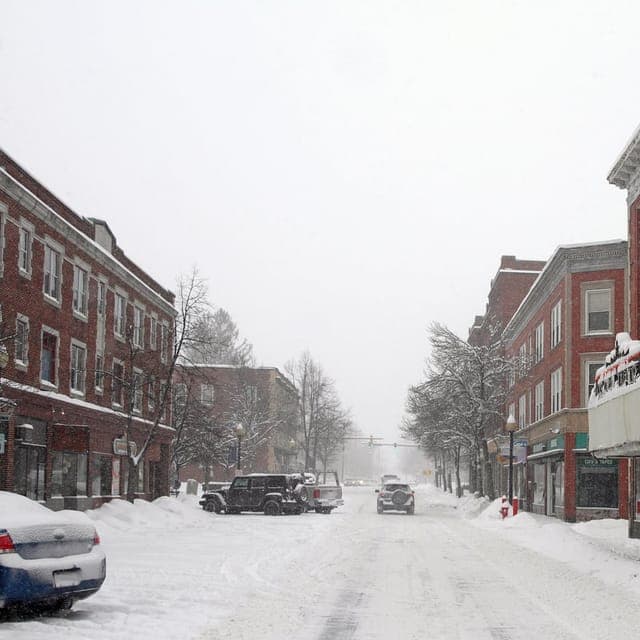
Top Cities for Quality of Life in New Hampshire
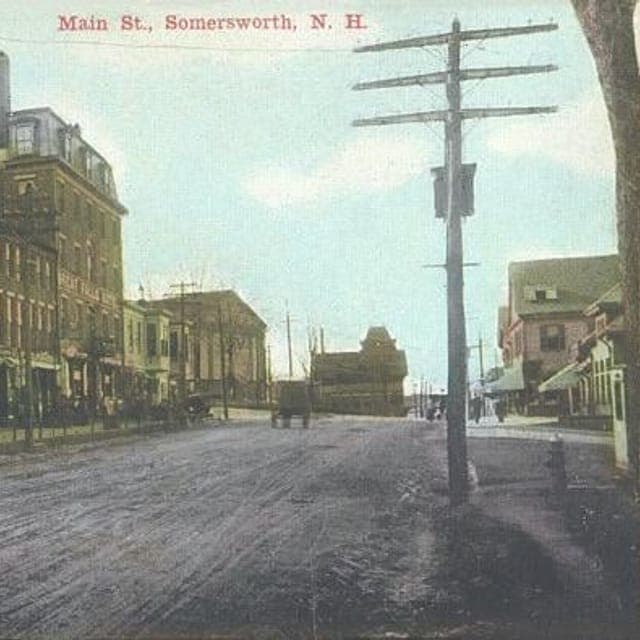

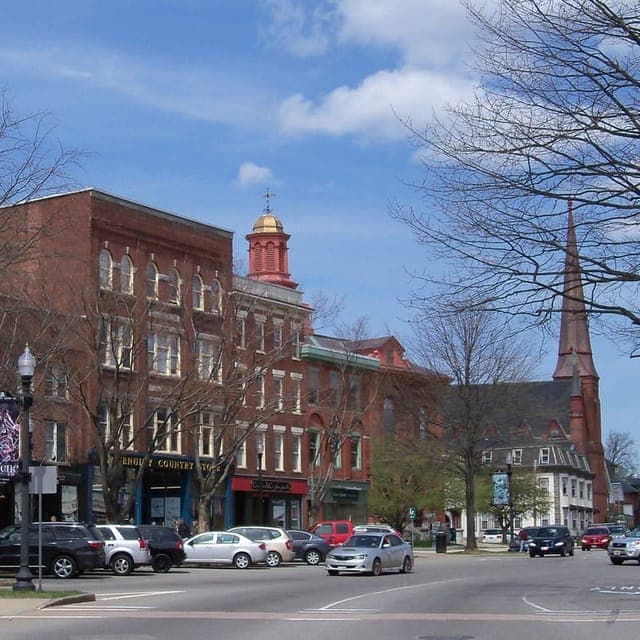
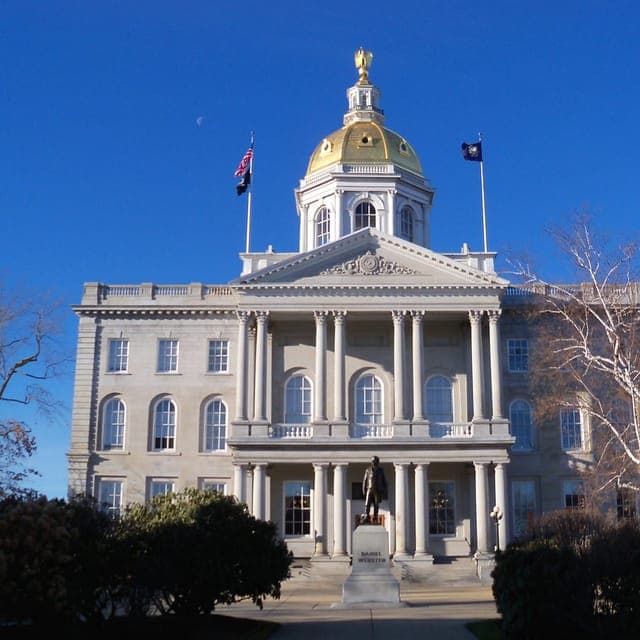
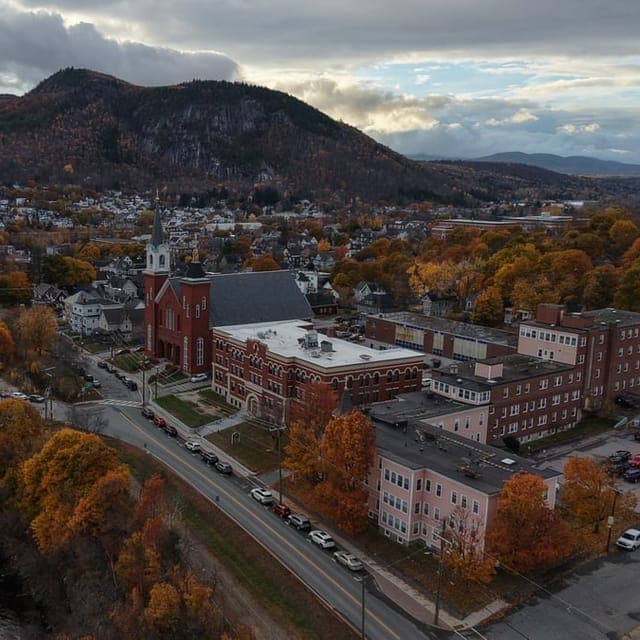
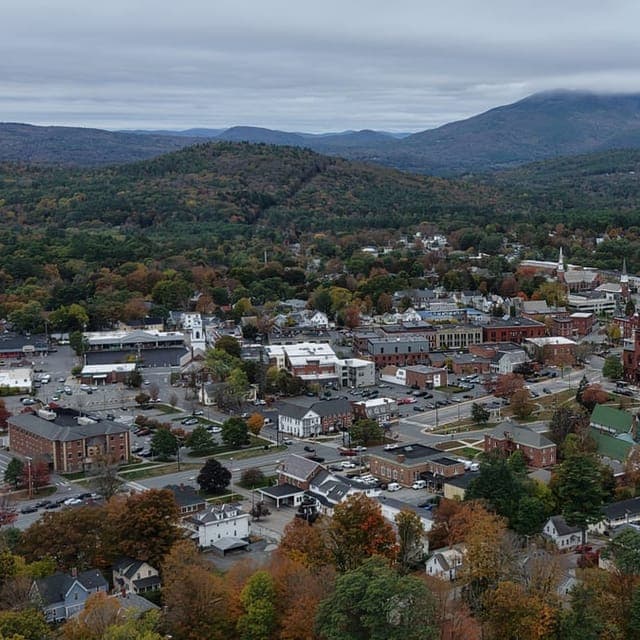
* Values derived from national, state, county, city and local statistics and may differ in a specific area. Last updated: 2026-04-18T23:42:59.000Z
Narrative content on this page is AI-generated and may contain mistakes. Verify any details that matter before acting on them.
ReloMaps may earn a commission from affiliate links at no extra cost to you.

