Photo: Wikipedia
Demographics of New Hampshire
Affluence Level in New Hampshire
An upper-middle-class area. Household wealth, education levels, and homeownership run ahead of national benchmarks.
People of New Hampshire
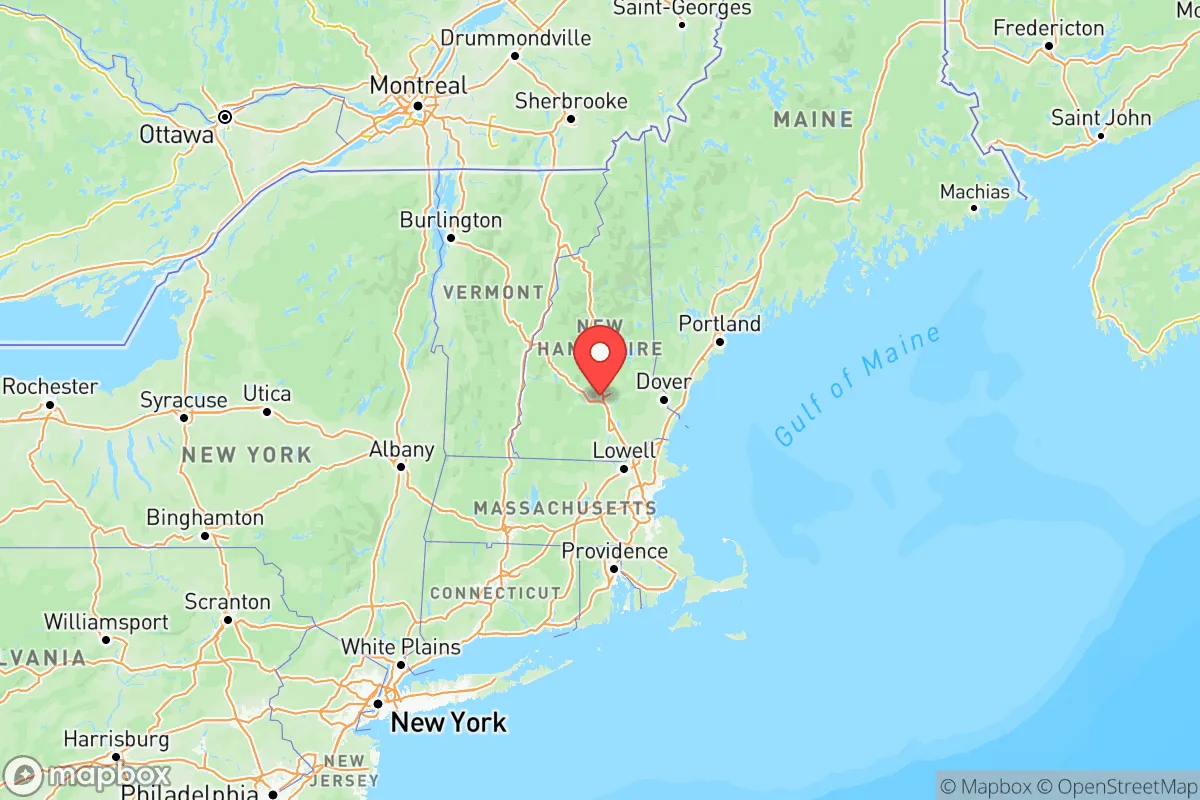
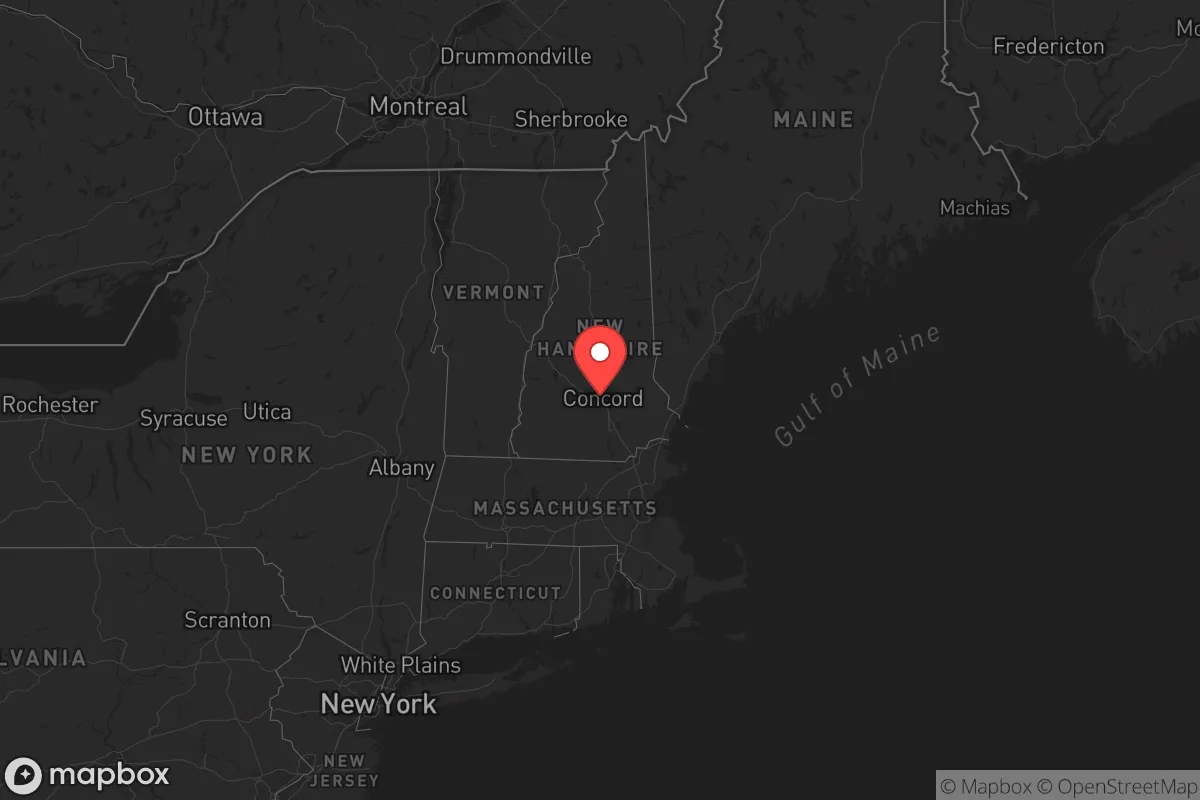
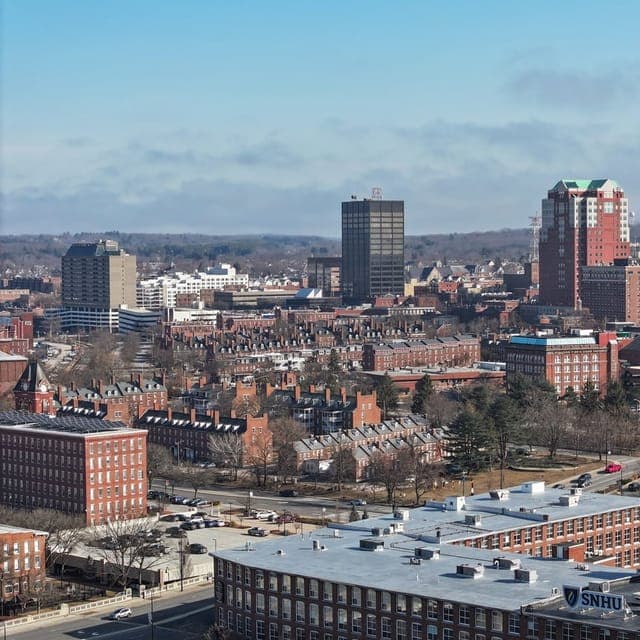
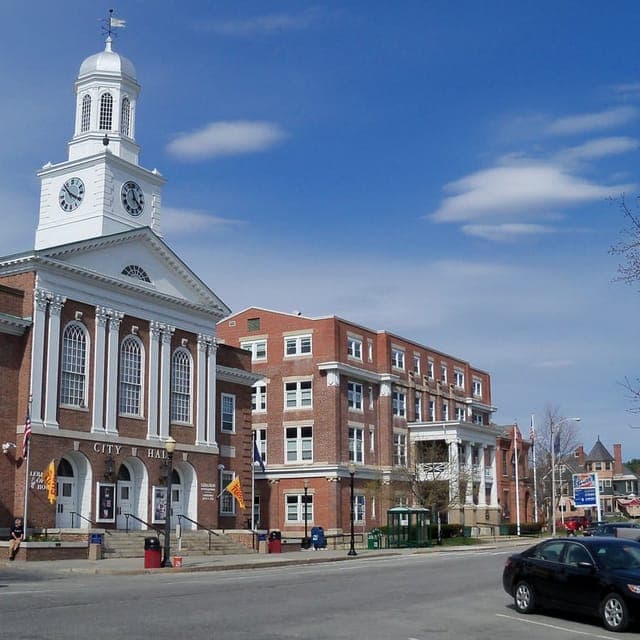
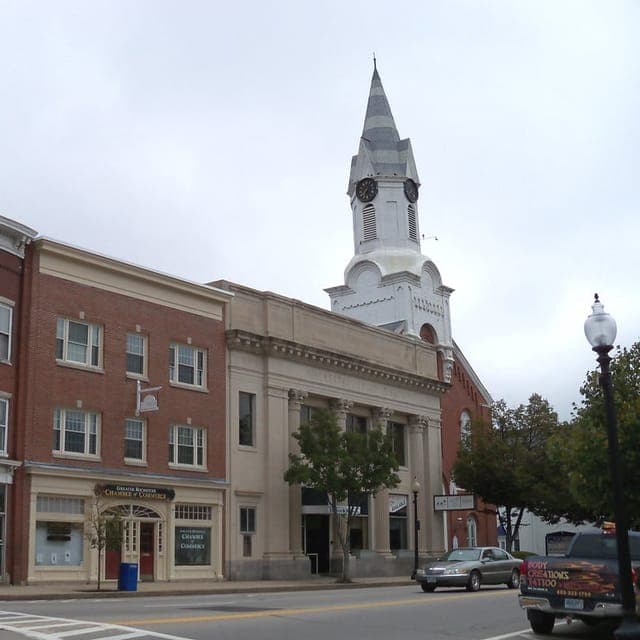
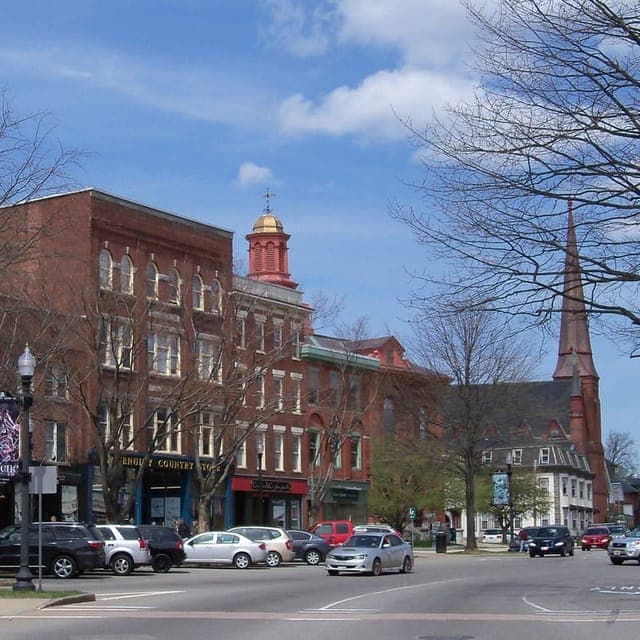
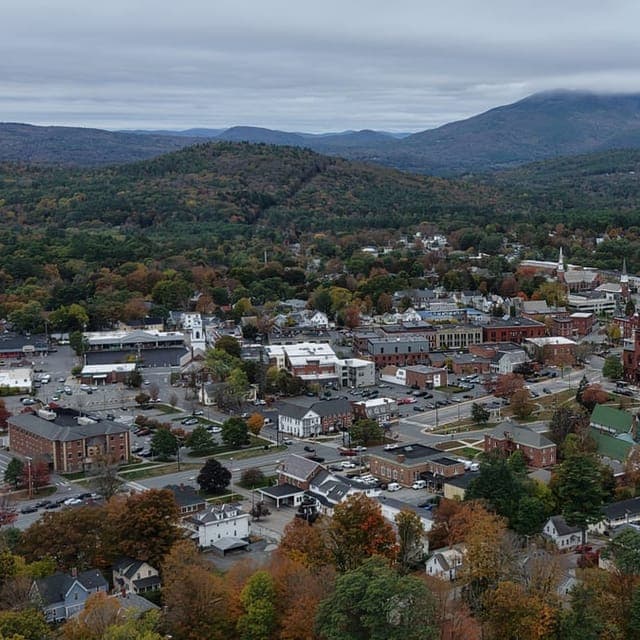
The people of New Hampshire today number roughly 1.39 million, making it one of the least densely populated states east of the Mississippi, yet its character is distinctly shaped by a deep Yankee heritage, a strong tradition of local self-governance, and a population that remains overwhelmingly white (87.5%) with a very small foreign-born share (2.5%). The state’s identity is marked by a fierce independence rooted in its colonial founding, a relatively low level of ethnic diversity compared to its New England neighbors, and a growing but still modest Hispanic (4.5%) and East/Southeast Asian (1.6%) presence. For a conservative-leaning audience, New Hampshire represents a rare blend of traditional New England culture with a libertarian streak, where the population is concentrated in the southern tier near the Massachusetts border, particularly in cities like Manchester, Nashua, and Salem, while the northern and western regions remain sparsely populated and deeply rural.
Settlement & growth (pre-1960)
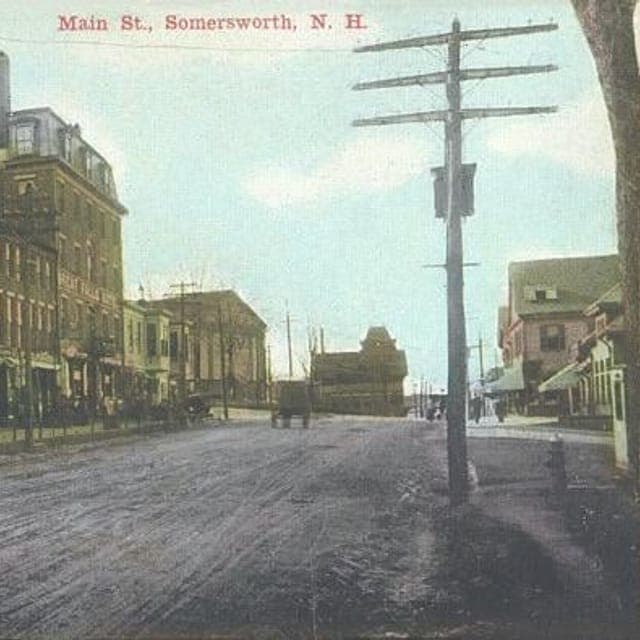
New Hampshire’s human history begins with the Abenaki people, an Algonquian-speaking confederation of tribes who inhabited the region for thousands of years before European contact. The Abenaki lived in semi-permanent villages along the Merrimack River, the Connecticut River, and the coastal areas around present-day Portsmouth and Dover, relying on fishing, hunting, and seasonal agriculture. European contact began in the early 1600s, with English explorers and fishermen visiting the coast, but permanent settlement did not take hold until 1623, when English colonists established a fishing and trading outpost at what is now Portsmouth. This early settlement was part of the larger Puritan migration from England, though New Hampshire’s founders were often more focused on commerce and land speculation than religious purity, setting the stage for a distinctively independent character.
Throughout the 1600s and 1700s, English settlers—largely from East Anglia and the West Country—spread slowly inland along the major river valleys. Towns like Exeter, Hampton, and Durham were founded by the 1630s and 1640s, while the interior remained a contested frontier with the Abenaki and their French allies. The end of the French and Indian War in 1763 opened the interior to rapid settlement. Scots-Irish immigrants, fleeing economic hardship in Ulster, began arriving in significant numbers after 1720, settling in the Merrimack Valley around Londonderry, Derry, and Bedford. These Scots-Irish brought a Presbyterian faith and a fierce distrust of centralized authority that would deeply influence New Hampshire’s political culture. By the time of the American Revolution, the population was overwhelmingly English and Scots-Irish, with small pockets of French Huguenots and Germans, and the state’s population had reached roughly 82,000 by 1790.
The 19th century brought two major waves that reshaped the population. First, from the 1820s through the 1850s, large numbers of Irish immigrants arrived, fleeing the Great Famine and seeking work on the state’s expanding railroads, canals, and textile mills. The mill cities of Manchester, Nashua, and Dover became centers of Irish settlement, with Manchester’s Amoskeag Manufacturing Company employing thousands of Irish laborers. By 1850, the Irish made up roughly 10% of the state’s population. Second, from the 1850s through the 1890s, French Canadians crossed the border from Quebec in massive numbers, drawn by jobs in the same textile mills and lumber camps. They settled heavily in Manchester, Nashua, Berlin, and the mill towns along the Merrimack and Androscoggin rivers. By 1900, French Canadians constituted roughly one-quarter of New Hampshire’s population, and their cultural imprint—Catholic, francophone, and family-oriented—remains strong today, particularly in Manchester and Berlin.
The early 20th century saw smaller but notable additions. Polish and Italian immigrants arrived between 1890 and 1920, working in the mills and granite quarries of Concord and Barre. A small number of Greek and Lebanese immigrants also settled in Manchester and Nashua. However, immigration largely halted after the restrictive 1924 Johnson-Reed Act. From 1924 through 1965, New Hampshire’s population grew slowly and remained overwhelmingly white, native-born, and of English, French Canadian, and Irish descent. The state’s rural northern areas, including Coos County and the White Mountains region, actually lost population as farming declined and young people moved to southern New England or the Midwest.
Modern era (post-1965)
The 1965 Hart-Cellar Act had a modest impact on New Hampshire compared to other states, but it did open the door to new immigration streams. The most significant post-1965 change has been the growth of the Hispanic population, which now stands at 4.5%. This community is largely composed of Puerto Ricans and Dominicans, with smaller numbers of Mexicans and Central Americans. They have concentrated in the southern cities, particularly Nashua, Manchester, and Concord, where they work in manufacturing, construction, and service industries. The East/Southeast Asian population (1.6%) is smaller but growing, with Vietnamese and Chinese communities forming in Nashua and Manchester, often tied to the high-tech and engineering sectors that have expanded along the Route 3 corridor near the Massachusetts border.
The Indian subcontinent population (1.0%) is a more recent phenomenon, driven by the growth of the technology and healthcare sectors. Indian professionals have settled in Nashua, Bedford, and the Seacoast region around Portsmouth and Exeter, often working for companies like BAE Systems, Fidelity Investments, and the many tech firms in the Nashua-Manchester corridor. The Black population remains very small at 1.4%, with most African Americans living in Manchester and Nashua, and a smaller number in the Seacoast area. The foreign-born share of the population is just 2.5%, the lowest in New England and among the lowest in the nation, reflecting the state’s limited historical role as an immigrant destination.
Domestic migration has been more consequential than immigration in reshaping New Hampshire’s population since 1965. Beginning in the 1970s, a steady stream of residents from Massachusetts and other northeastern states moved north, seeking lower taxes, more affordable housing, and a less congested lifestyle. This “tax revolt” migration accelerated in the 1990s and 2000s, particularly after Massachusetts passed its own income tax and New Hampshire remained one of the few states with no broad-based income tax or sales tax. The southern tier—Rockingham and Hillsborough counties—has absorbed most of this growth, with towns like Salem, Windham, Londonderry, and Bedford seeing rapid suburbanization. The population of Rockingham County alone grew by over 40% between 1990 and 2020. Meanwhile, the northern half of the state, including Berlin, Lancaster, and the North Country, has continued to lose population as mill closures and the decline of the paper industry have left few economic opportunities.
The future
New Hampshire’s population is projected to grow slowly, reaching roughly 1.45 million by 2040, but this growth will be highly uneven. The southern tier will continue to suburbanize, absorbing more Massachusetts out-migrants and a modest number of new immigrants, while the northern and western regions will likely continue to shrink. The Hispanic and East/Southeast Asian populations will grow gradually, but the state’s foreign-born share is unlikely to exceed 5% by 2040, keeping New Hampshire among the least diverse states in the country. The Indian subcontinent population will likely grow faster than other immigrant groups, driven by the tech sector, but will remain a small share of the total.
The cultural identity of the state is likely to remain stable, as in-migration from Massachusetts tends to be absorbed into the existing Yankee and French Canadian cultural framework rather than transforming it. The state’s political culture—independent, fiscally conservative, and socially moderate—is reinforced by the type of people who choose to move there. The most significant demographic challenge is the aging of the population: New Hampshire has one of the oldest median ages in the nation (43.3 years), and the northern counties are aging even faster. Without a significant increase in immigration or domestic in-migration of younger families, the state faces a future of population decline in its rural areas and continued concentration in the southern suburbs.
For someone moving in now, New Hampshire is becoming a state of two distinct demographic zones: a growing, suburban, and slightly more diverse southern corridor anchored by Nashua, Manchester, and the Seacoast, and a shrinking, aging, and deeply rural north. The state’s core identity—independent, white, and rooted in Yankee and French Canadian traditions—remains intact, but the economic and demographic pressures of the 21st century are slowly reshaping where and how New Hampshire’s people live.

Most Diverse Cities in New Hampshire

Most Homogenous Cities in New Hampshire
* Values derived from national, state, county, city and local statistics and may differ in a specific area. Last updated: 2026-04-18T23:42:59.000Z
Narrative content on this page is AI-generated and may contain mistakes. Verify any details that matter before acting on them.
ReloMaps may earn a commission from affiliate links at no extra cost to you.

