Photo: Wikipedia
Quality of Life in Washoe County
A livable area that tracks near national norms for affordability, walkability, and neighborhood health.
What does Quality of Life tell us?
Quality of Life measures an area by evaluating factors like cost of living, nearby amenities, country club access, airport proximity, socioeconomic signals and neighborhood character. For large states, this is a general average — quality of life can vary dramatically between metro areas, suburbs, and rural communities within the same state.
What does this tell us?
Quality of Life measures an area by evaluating factors like cost of living, nearby amenities, country club access, airport proximity, socioeconomic signals and neighborhood character. For large states, this is a general average — quality of life can vary dramatically between metro areas, suburbs, and rural communities within the same state.
Cost of Living
48% above national average
60%
The Real Cost of Living in Washoe County for 2026
| Tier | Individual | Family (4) |
|---|---|---|
| Survival | $24k | $45k |
| Comfortable | $96k | $142k |
| Luxury | $155k+ | $240k+ |
| Elite (Top 5%) | $190k+ | $294k+ |
Quality-of-Life Analysis
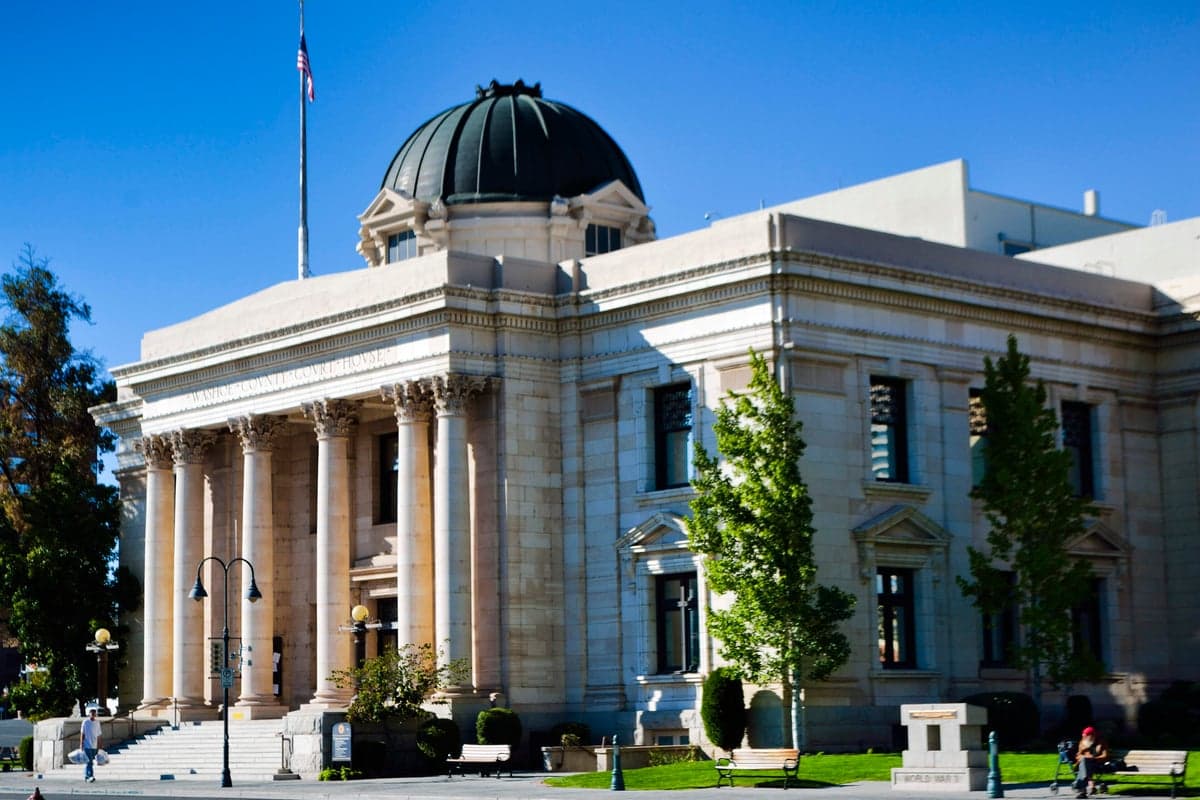
Washoe County, Nevada, offers a remarkably broad spectrum of living environments, from the dense urban core of Reno to the remote, high-desert expanses of Gerlach and the alpine lake community of Incline Village. This diversity means the county attracts a wide range of residents: tech workers and university faculty drawn to Reno's revitalized downtown, families seeking affordable suburban lots in Sparks or Spanish Springs, retirees and second-home owners settling around the shores of Lake Tahoe, and those seeking solitude and a slower pace in the county's vast rural northern reaches. The county's character is defined by this contrast, where a 45-minute drive can transport you from a bustling casino corridor to a landscape of sagebrush and playa.
Largest town(s) & population centers
Reno is the dominant urban center, home to roughly 270,000 residents and the core of the region's economy. Daily life here is increasingly defined by a mix of the University of Nevada, Reno (UNR), a growing tech and logistics sector anchored by companies like Tesla and Panasonic in the nearby Tahoe Reno Industrial Center, and a revitalized downtown with breweries, the Reno Aces ballpark, and the Midtown District. The city's average commute of 22.4 minutes is notably short for a metro area of its size, a significant quality-of-life advantage. Sparks, immediately east of Reno, functions as a more family-oriented, suburban counterpart with a strong industrial base, the Outlets at Legends shopping center, and the popular Sparks Marina Park. Incline Village, on the north shore of Lake Tahoe, is a distinct outlier: a high-altitude, high-amenity community focused on tourism, recreation, and luxury living, with a character far removed from the high desert of the Truckee Meadows.
Smaller towns & rural pockets
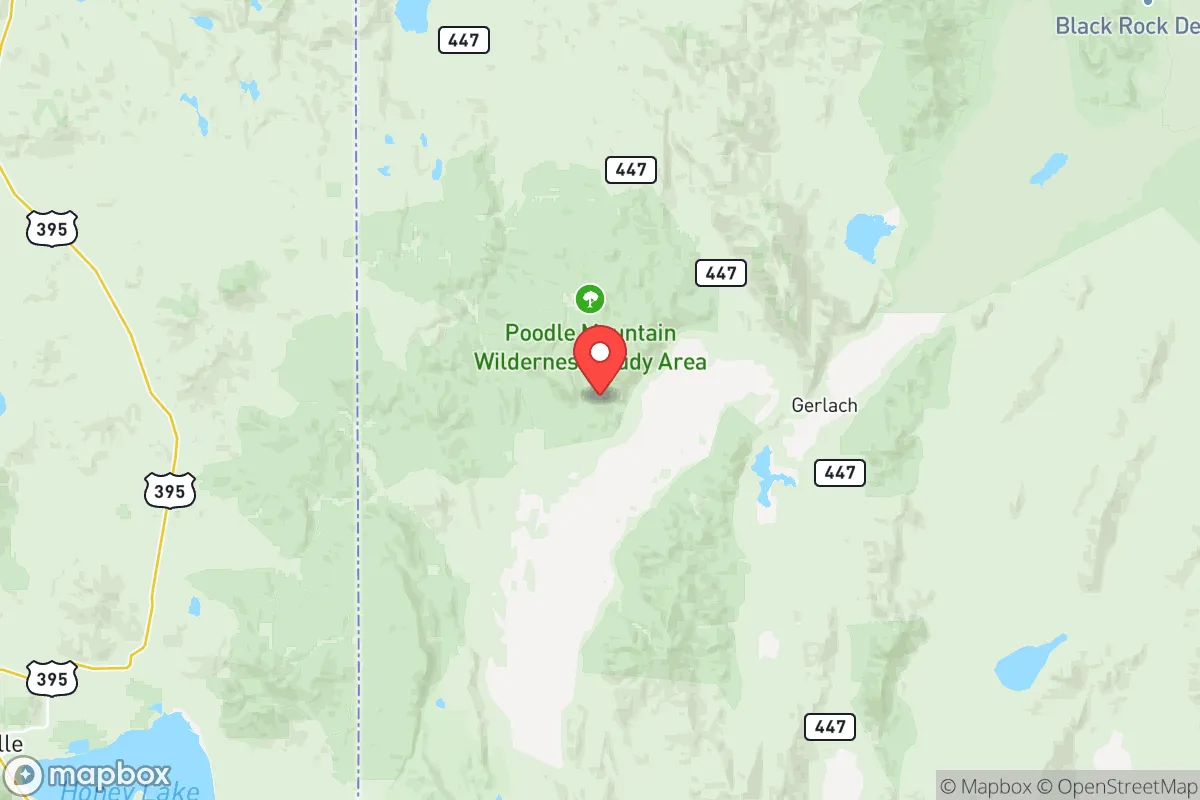
Beyond the urban core, Washoe County contains several distinct smaller communities. Verdi, just west of Reno along the Truckee River, is a semi-rural bedroom community known for its equestrian properties and access to the Tahoe National Forest. Spanish Springs, north of Sparks, is a master-planned suburban expansion area with newer homes and a growing commercial base. Cold Springs and Mogul are unincorporated areas offering larger lots and a more rural feel while still being within a 20-minute commute to Reno. The most remote outpost is Gerlach, a tiny town of fewer than 200 people near the Black Rock Desert, famous as the gateway to the Burning Man event and a haven for those seeking extreme isolation. Washoe Valley, between Reno and Carson City, offers a mix of rural estates and working ranches with stunning views of the Sierra Nevada.
Cost & lifestyle range
The cost of living and lifestyle options vary dramatically across the county. The overall county cost of living index is 148 (100 = U.S. average), but this figure masks extreme internal variation. At the high end, Incline Village has a median home value well above the county's $496,600 average, often exceeding $1 million, driven by its Lake Tahoe location and limited inventory. At the lower end, areas like Sun Valley and Stead in northern Reno offer more affordable housing, with median rents closer to the county's $1,507 average, though these areas may have older housing stock and fewer amenities. The suburban middle ground is found in Sparks and Spanish Springs, where newer subdivisions and good schools provide a balanced option for families. Rural areas like Gerlach offer very low land costs but require self-sufficiency, as grocery stores and medical facilities are over 100 miles away.
Washoe County is best suited for individuals and families who value geographic diversity and are willing to trade off between urban convenience, suburban stability, or rural solitude. Those who thrive here are typically comfortable with a semi-arid climate, appreciate year-round outdoor recreation from skiing to desert hiking, and can navigate the county's wide economic and social disparities. The short average commute, strong job market in Reno-Sparks, and access to Lake Tahoe make it a compelling choice for professionals, while the rural pockets offer a genuine off-grid lifestyle for those seeking it.

Crime in Washoe County
Higher crime rates than 58% of comparable U.S. locations.
Violent CrimeViolent Crime Analysis
Property CrimeProperty Crime Analysis
Crime Analysis
Washoe County, home to Reno and Sparks, presents a mixed safety picture where property crime rates significantly exceed national averages while violent crime hovers near the national median. The county recorded a violent crime rate of 381.7 per 100,000 residents and a property crime rate of 2,020.3 per 100,000 in the most recent reporting period, placing it above the Nevada state average for both categories. These figures reflect the challenges of a growing metropolitan area with a tourism-driven economy and a justice system influenced by progressive policies in the Reno-Sparks corridor.
Crime in context
Washoe County's violent crime rate of 381.7 per 100K is roughly 9% higher than the national average of approximately 350 per 100K, but notably lower than Las Vegas-area Clark County's rate of 480 per 100K. Property crime in Washoe County, at 2,020.3 per 100K, is nearly 40% above the national average of roughly 1,450 per 100K, driven largely by vehicle thefts and burglaries in the Reno-Sparks urban core. The county's overall crime index places it in the 25th percentile nationally, meaning 75% of U.S. counties are safer. Nevada's statewide property crime rate of 1,850 per 100K is itself elevated, and Washoe County exceeds even that benchmark. The Reno Police Department and Washoe County Sheriff's Office have struggled with staffing shortages, while the Washoe County District Attorney's office has faced criticism for plea-bargaining rates that some residents argue reduce deterrent effects.
What residents experience
Daily life in Washoe County varies sharply by neighborhood and jurisdiction. In downtown Reno and the Midtown district, residents report frequent property crimes including car break-ins and package thefts, with the area around the University of Nevada, Reno campus seeing elevated bicycle thefts. Sparks, particularly the Victorian Square area and the Oddie Boulevard corridor, experiences similar property crime patterns. The progressive lean of Washoe County's elected judiciary—including the Second Judicial District Court—has led to lenient sentencing for repeat property offenders, a pattern that frustrates many residents and business owners. In contrast, the unincorporated communities of Incline Village and Verdi report significantly lower crime rates, with Incline Village's violent crime rate estimated at under 150 per 100K due to its affluent, isolated location on Lake Tahoe's north shore. The rural town of Gerlach, with fewer than 200 residents, sees almost no violent crime but occasional thefts from vehicles at the Black Rock Desert playa. Spanish Springs, a master-planned community north of Sparks, offers a middle ground with property crime rates roughly 30% below the county average, though residents still report occasional garage burglaries.
Neighborhood-level variation is stark: the 89502 ZIP code (central Reno near the airport) has a violent crime rate exceeding 600 per 100K, while the 89511 ZIP code (south Reno near Mount Rose) sits below 250 per 100K. Property crime in the 89431 ZIP code (Sparks east of I-80) reaches 2,800 per 100K, driven by auto thefts from casino parking lots. Residents in higher-crime areas often invest in security cameras and neighborhood watch programs, while those in safer enclaves like Mogul or Washoe Valley enjoy rural tranquility with minimal police presence. The county's ongoing growth—adding roughly 8,000 residents annually—continues to strain law enforcement resources, and the progressive criminal justice policies in the Reno-Sparks urban core remain a point of contention for residents seeking tougher enforcement and accountability.
* Values derived from national, state, county, city and local statistics and may differ in a specific area. Last updated: 2026-07-17T10:01:36.000Z
Narrative content on this page is AI-generated and may contain mistakes. Verify any details that matter before acting on them.
ReloMaps may earn a commission from affiliate links at no extra cost to you.

