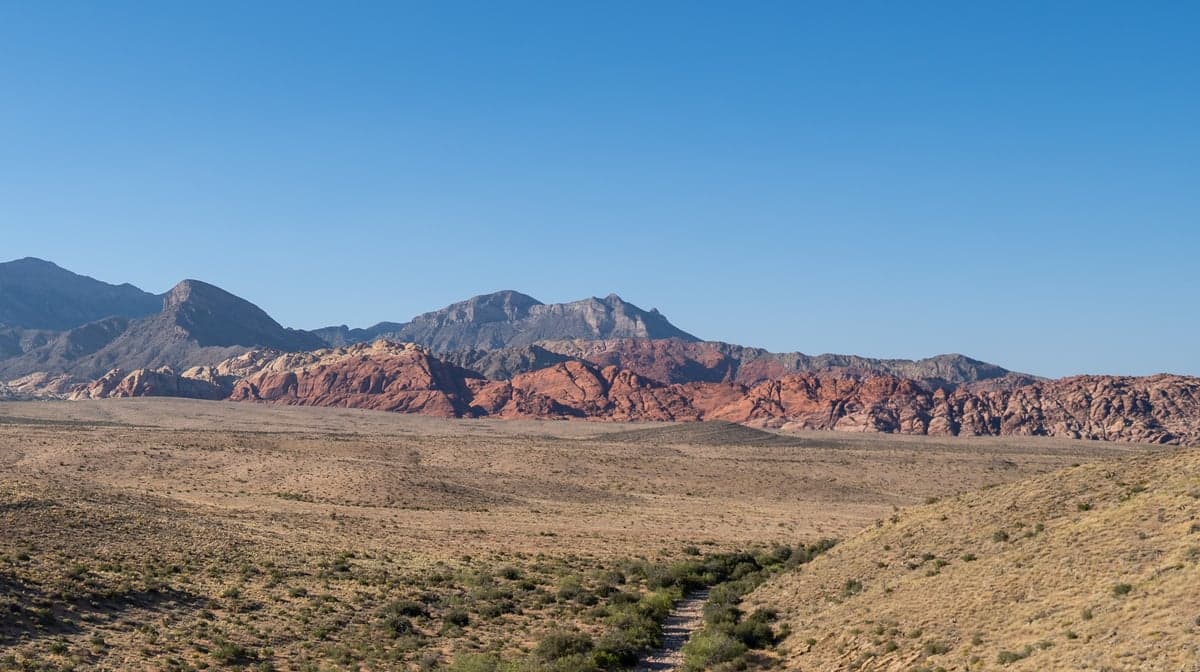
Photo: Wikipedia
Quality of Life in Clark County
A livable area that tracks near national norms for affordability, walkability, and neighborhood health.
What does Quality of Life tell us?
Quality of Life measures an area by evaluating factors like cost of living, nearby amenities, country club access, airport proximity, socioeconomic signals and neighborhood character. For large states, this is a general average — quality of life can vary dramatically between metro areas, suburbs, and rural communities within the same state.
What does this tell us?
Quality of Life measures an area by evaluating factors like cost of living, nearby amenities, country club access, airport proximity, socioeconomic signals and neighborhood character. For large states, this is a general average — quality of life can vary dramatically between metro areas, suburbs, and rural communities within the same state.
Cost of Living
35% above national average
65%
The Real Cost of Living in Clark County for 2026
| Tier | Individual | Family (4) |
|---|---|---|
| Survival | $24k | $46k |
| Comfortable | $78k | $114k |
| Luxury | $133k+ | $207k+ |
| Elite (Top 5%) | $164k+ | $255k+ |
Quality-of-Life Analysis
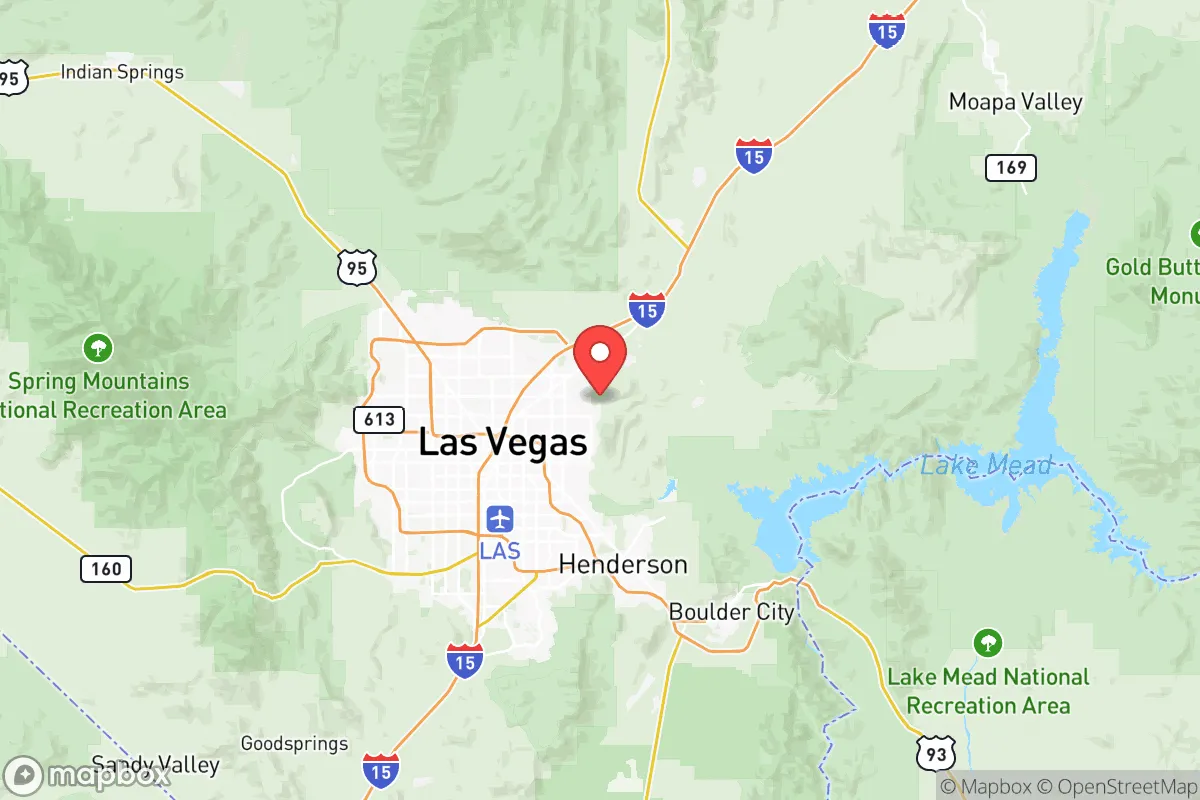
Clark County, Nevada, offers one of the most dramatic quality-of-life spectrums in the American West, ranging from the 24-hour urban intensity of the Las Vegas Strip to the quiet, unincorporated desert communities of Moapa Valley and the rural mining outpost of Laughlin. This vast county—larger than the state of New Jersey—draws people for vastly different reasons: some seek the entertainment and career opportunities of a global tourism hub, while others are attracted by the solitude, lower housing costs, and slower pace found in its outlying towns and unincorporated areas.
Largest town(s) & population centers
The overwhelming majority of Clark County's 2.3 million residents live in the Las Vegas Valley, which includes the city of Las Vegas, the city of Henderson, and the unincorporated communities of Spring Valley, Summerlin, and Paradise. Daily life in these population centers is defined by a 24/7 service economy, with major employers like MGM Resorts, Caesars Entertainment, and the Clark County School District providing stable jobs. The average commute of 25.2 minutes is surprisingly manageable for a metro of this size, thanks to the grid-like surface street system and the I-15 and US-95 corridors. Henderson, the county's second-largest city, offers a more suburban feel with master-planned communities like Green Valley and Lake Las Vegas, attracting families and retirees. Summerlin, a master-planned community on the western edge, is known for its higher-end shopping, Red Rock Canyon access, and newer schools. Life here is car-dependent but amenity-rich, with world-class dining, entertainment, and healthcare within a 20-minute drive for most residents.
Smaller towns & rural pockets
Beyond the Las Vegas Valley, Clark County contains distinct small towns and rural pockets that feel worlds apart from the Strip. Boulder City, founded in 1931 to house Hoover Dam workers, is the only Nevada city where gambling is illegal, preserving a small-town, family-oriented atmosphere with a historic downtown and easy access to Lake Mead. Mesquite, near the Arizona border, is a growing retirement and golf community with a population around 20,000, offering lower home prices and a quieter lifestyle. Laughlin, on the Colorado River, is a resort town with a casino corridor but a much slower pace than Las Vegas, popular with snowbirds and boaters. Moapa Valley (including Overton and Logandale) is an unincorporated agricultural area with a population under 10,000, where residents live on acreage, farm alfalfa, and attend local rodeos. Searchlight, a former mining town, is a tiny unincorporated community with fewer than 500 residents, offering extreme isolation and low property costs.
Cost & lifestyle range
The cost of living in Clark County varies dramatically by location. The county-wide cost-of-living index of 135 (100 = US average) is heavily skewed by the Las Vegas Valley, where the median home value is $400,800 and median rent is $1,518. In affluent Summerlin or Henderson's Seven Hills, home values often exceed $600,000, while in older parts of central Las Vegas or North Las Vegas, homes can be found for under $300,000. At the low end of the spectrum, rural communities like Searchlight and Moapa Valley offer land and homes for significantly less—often 20-30% below the county median—but with limited employment, fewer services, and longer drives (45-90 minutes) to grocery stores and hospitals. At the high end, luxury communities like Lake Las Vegas and the Ridges in Summerlin provide gated, resort-style living with private golf courses and lake access, but with home prices frequently exceeding $1 million. Lifestyle choices follow the cost gradient: urban dwellers trade space for convenience and nightlife, while rural residents accept longer commutes and fewer amenities for privacy, lower taxes, and outdoor recreation like boating, hiking, and off-roading.
Clark County is best suited for people who are comfortable with extremes—whether that means embracing the nonstop energy of a global city or seeking the quiet of the Mojave Desert. Professionals in hospitality, healthcare, and construction will find the most job opportunities in the Las Vegas Valley, while retirees, remote workers, and those seeking a slower pace often gravitate toward Boulder City, Mesquite, or the Colorado River communities. The county's diversity of settings means that a single county can accommodate a tech worker in a Summerlin high-rise, a farmer in Moapa Valley, and a retiree on a Laughlin riverfront lot—all within a two-hour drive of each other.

Crime in Clark County
Higher crime rates than 57% of comparable U.S. locations.
Violent CrimeViolent Crime Analysis
Property CrimeProperty Crime Analysis
Crime Analysis
Clark County, Nevada, which encompasses the Las Vegas metropolitan area, reports a violent crime rate of 371.5 per 100,000 residents and a property crime rate of 1,977.7 per 100,000. These figures place the county significantly above national averages, with property crime nearly double the U.S. rate and violent crime roughly 30% higher. While the Las Vegas Strip and downtown areas draw heavy tourist traffic that skews certain crime statistics, residents across the county face elevated risks compared to most other parts of the state and country.
Crime in context
Clark County’s violent crime rate of 371.5 per 100,000 is substantially higher than the Nevada state average of approximately 280 per 100,000 and the national average of about 280 per 100,000. Property crime at 1,977.7 per 100,000 is nearly double the national average of roughly 1,100 per 100,000. The county’s crime profile is heavily influenced by the Las Vegas Strip and downtown Las Vegas, where tourist-oriented theft, robbery, and assault are concentrated. However, even when excluding the resort corridor, the county’s residential areas still report elevated rates. Henderson, the county’s second-largest city, consistently reports lower crime rates than Las Vegas proper, with violent crime around 250 per 100,000 and property crime near 1,500 per 100,000. North Las Vegas, by contrast, has historically struggled with higher violent crime rates, often exceeding 500 per 100,000, driven by concentrated poverty and gang activity. The progressive policies of the Clark County District Attorney’s office and local judges, which emphasize diversion programs and reduced sentences for non-violent offenders, have been criticized for contributing to recidivism and a perception of leniency that emboldens property criminals.
What residents experience
For residents, property crime is the most tangible safety concern. Vehicle break-ins, package theft, and residential burglaries are common across the county, particularly in neighborhoods near major thoroughfares and tourist corridors. Areas like Spring Valley and Paradise, which border the Strip, report high rates of theft and larceny, while suburban communities such as Summerlin and Green Valley in Henderson experience lower but still notable property crime. Violent crime, while less frequent, is a serious concern in specific neighborhoods. Downtown Las Vegas, the Historic Westside, and parts of North Las Vegas near Cheyenne Avenue and Martin Luther King Boulevard have the highest concentrations of aggravated assault and robbery. The prevalence of homelessness and drug-related offenses, particularly around the Las Vegas Rescue Mission and the Fremont Street Experience, contributes to a sense of insecurity for residents and visitors alike. The county’s reliance on tourism means that many crimes go unreported or are undercounted, as visitors often leave before filing reports.
Neighborhood-level variation
Safety varies dramatically within Clark County. Henderson’s Anthem, Seven Hills, and Green Valley neighborhoods are among the safest in the county, with violent crime rates below 200 per 100,000 and property crime rates under 1,200 per 100,000. Summerlin in Las Vegas also maintains low crime rates, particularly west of the 215 Beltway, thanks to higher median incomes and active homeowners associations. Conversely, the Las Vegas neighborhoods of Whitney, Sunrise Manor, and Winchester report violent crime rates exceeding 500 per 100,000, driven by gang violence and drug trafficking. Boulder City, a small community southeast of Las Vegas, stands out with violent crime rates around 100 per 100,000, making it the safest municipality in the county. Residents considering relocation should prioritize neighborhoods with strong community policing and avoid areas with high concentrations of rental properties and transient populations. The progressive judicial philosophy in Clark County, which prioritizes rehabilitation over incarceration, has led to shorter sentences for repeat offenders, a factor that directly impacts public safety and victim justice in the region.
* Values derived from national, state, county, city and local statistics and may differ in a specific area. Last updated: 2026-05-13T08:06:17.000Z
Narrative content on this page is AI-generated and may contain mistakes. Verify any details that matter before acting on them.
ReloMaps may earn a commission from affiliate links at no extra cost to you.

