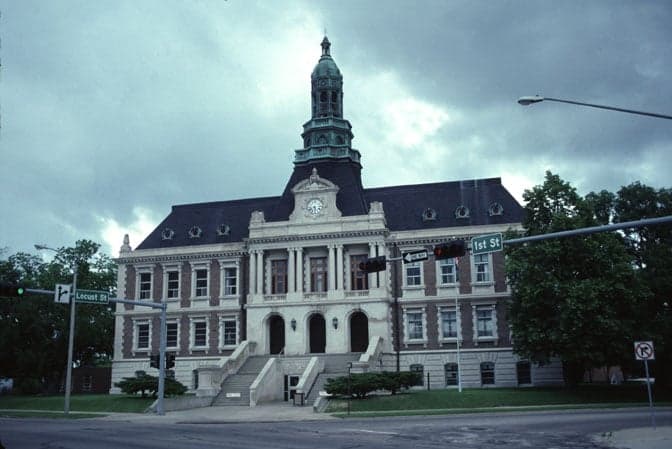
Photo: Wikipedia
Quality of Life in Hall County
A livable area that tracks near national norms for affordability, walkability, and neighborhood health.
What does Quality of Life tell us?
Quality of Life measures an area by evaluating factors like cost of living, nearby amenities, country club access, airport proximity, socioeconomic signals and neighborhood character. For large states, this is a general average — quality of life can vary dramatically between metro areas, suburbs, and rural communities within the same state.
What does this tell us?
Quality of Life measures an area by evaluating factors like cost of living, nearby amenities, country club access, airport proximity, socioeconomic signals and neighborhood character. For large states, this is a general average — quality of life can vary dramatically between metro areas, suburbs, and rural communities within the same state.
Cost of Living
24% below national average
114%
The Real Cost of Living in Hall County for 2026
| Tier | Individual | Family (4) |
|---|---|---|
| Survival | $15k | $27k |
| Comfortable | $40k | $59k |
| Luxury | $117k+ | $182k+ |
| Elite (Top 5%) | $138k+ | $214k+ |
Quality-of-Life Analysis
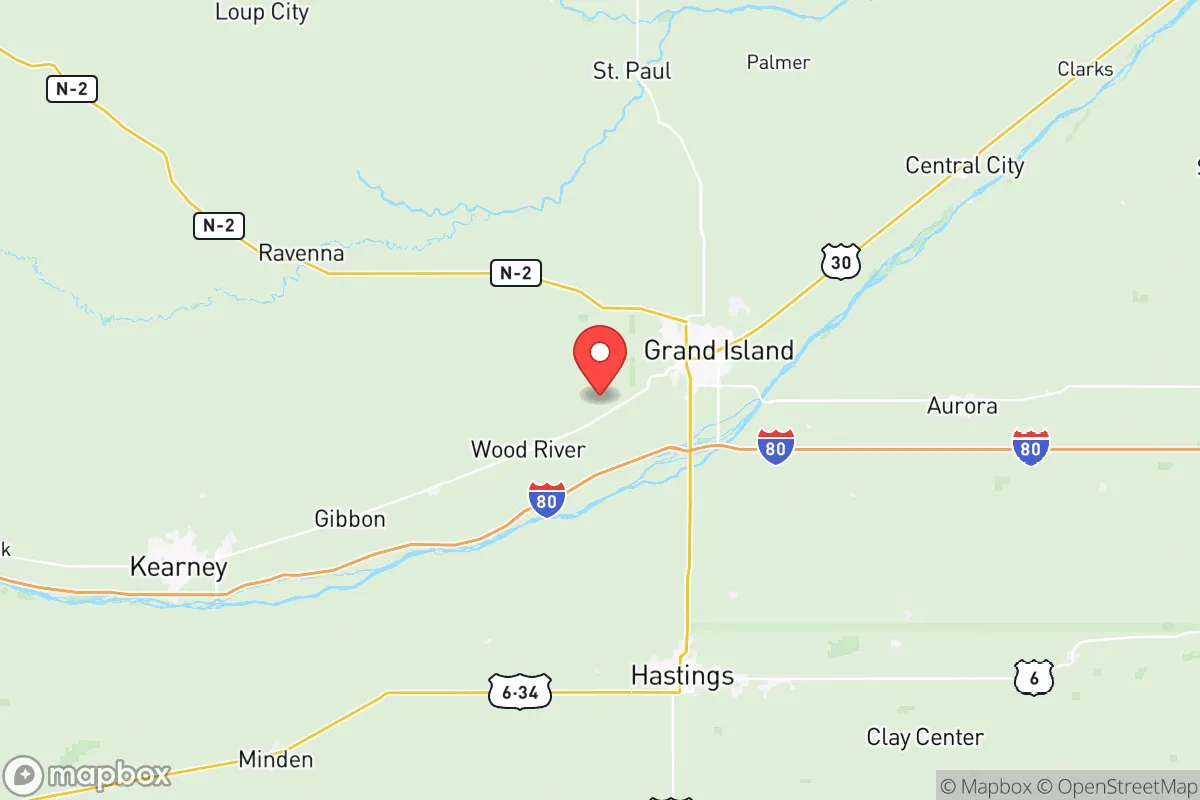
Hall County, Nebraska, offers a distinct quality-of-life spectrum that ranges from the regional hub of Grand Island to quiet, unincorporated farming communities, attracting everyone from young professionals and manufacturing workers to retirees seeking affordable land. The county’s overall cost of living index sits at 76 (24% below the U.S. average), with a median home value of $207,900 and median rent of $911, making it one of the more budget-friendly areas in the state. The average commute of just 17.6 minutes underscores the convenience of living within a compact, agriculturally-rooted region. This analysis breaks down the distinct lifestyle options across Hall County’s largest town, smaller communities, and rural pockets.
Largest town(s) & population centers
Grand Island is the county seat and by far the largest population center, home to roughly 53,000 residents and serving as the economic and cultural anchor of the region. Daily life here revolves around a mix of manufacturing (Hornady Manufacturing, Chief Industries), healthcare (CHI Health St. Francis), and a growing logistics sector tied to the Union Pacific rail yard. The city offers a full range of amenities—from the Stuhr Museum of the Prairie Pioneer and the Nebraska State Fairgrounds to multiple grocery chains, a regional hospital, and a public school system with several high schools. Residents enjoy a walkable downtown core with local restaurants and breweries, while the nearby Platte River provides fishing and kayaking opportunities. Grand Island is the clear choice for those who want urban conveniences—retail, dining, entertainment—without the congestion or high prices of a major metro area.
Smaller towns & rural pockets
Outside Grand Island, Hall County’s smaller communities offer a quieter, more tight-knit lifestyle. Wood River (pop. ~1,300) sits along the Platte River and is known for its strong agricultural base and the annual Wood River Community Festival; it has a small downtown with a grocery store, a couple of restaurants, and a K-12 school system. Doniphan (pop. ~800) is a classic Plains farming town with a grain elevator, a post office, and a volunteer fire department, where residents often commute 15 minutes to Grand Island for work or shopping. Alda (pop. ~600) is unincorporated but functions as a bedroom community, with a few homes and a gas station along Highway 281. Further out, the rural pockets around Cairo and Phillips consist of scattered farmsteads and acreages, where residents live on 5- to 40-acre parcels and prioritize privacy, hunting access, and low property taxes. These areas lack municipal water and sewer in many cases, so well and septic systems are standard.
Cost & lifestyle range
The cost of living and lifestyle options vary noticeably across Hall County. At the higher end, Grand Island’s newer subdivisions—such as those near Stolley Park or the South Locust Street corridor—feature homes priced between $250,000 and $400,000, with walkable access to parks, schools, and retail. Rentals here average $911, but a two-bedroom apartment in a newer complex can run $1,000–$1,200. At the lower end, rural acreages near Wood River or Doniphan often sell for $150,000–$200,000 for a 3-bedroom home on 5–10 acres, with property taxes roughly half of what they are in Grand Island. The trade-off is clear: Grand Island offers the most amenities—grocery stores, healthcare, entertainment—while the smaller towns and rural pockets trade convenience for space, lower taxes, and a slower pace. For example, a family in Wood River might drive 12 minutes to Grand Island for a Walmart or a movie theater, while a family in rural Cairo might drive 20 minutes for the same errands but enjoy a 1,500-square-foot home on 20 acres for under $180,000.
Hall County is best suited for people who value affordability and short commutes over urban density. Young families and first-time homebuyers will find the median home value of $207,900 attainable, especially compared to national averages. Retirees and remote workers are drawn to the rural pockets for the low cost of living and quiet surroundings, while manufacturing and logistics employees gravitate toward Grand Island for job proximity and walkable amenities. The county’s 17.6-minute average commute means that even the most rural resident is rarely more than 20 minutes from a grocery store or hospital, making it a practical choice for those who want country living without isolation.

Crime in Hall County
Generally safer than 65% of comparable U.S. locations.
Violent CrimeViolent Crime Analysis
Property CrimeProperty Crime Analysis
Crime Analysis
Hall County, Nebraska, presents a mixed safety profile, with violent crime rates below the national average but property crime rates that exceed both state and national benchmarks. The county, anchored by the city of Grand Island and including the smaller communities of Wood River, Doniphan, and Cairo, recorded a violent crime rate of 219.7 per 100,000 residents and a property crime rate of 1,391.6 per 100,000. These figures place Hall County in a position where residents generally feel safe from violent offenses but must remain vigilant against theft, burglary, and vehicle-related crimes, particularly in more densely populated areas.
Crime in context
When compared to statewide and national data, Hall County’s violent crime rate of 219.7 per 100,000 is notably lower than the U.S. average of approximately 380 per 100,000, but slightly above Nebraska’s state average of roughly 240 per 100,000. The property crime rate of 1,391.6 per 100,000, however, is significantly higher than both the Nebraska average (around 1,200 per 100,000) and the national average (approximately 1,950 per 100,000). This disparity suggests that while Hall County is not a high-violence area, property crimes—such as larceny-theft, motor vehicle theft, and burglary—are a persistent concern. Grand Island, as the county seat and largest city, accounts for the majority of reported incidents, with smaller towns like Wood River and Doniphan reporting far fewer offenses. The Hall County Sheriff’s Office and Grand Island Police Department collaborate on regional task forces, but the county’s position along Interstate 80 makes it a corridor for transient property crime.
What residents experience
For most residents, daily life in Hall County does not involve frequent encounters with violent crime. The violent crime rate of 219.7 per 100,000 translates to roughly 1 violent incident per 455 residents annually, with aggravated assault making up the largest share. Robbery and homicide are rare, and Grand Island’s downtown and near-northwest neighborhoods see the highest concentration of reported incidents. Property crime, however, is a more tangible concern. With a rate of 1,391.6 per 100,000, residents in Grand Island face a roughly 1-in-72 chance of experiencing theft or burglary each year. Vehicle break-ins and package thefts are common complaints in the city’s central and eastern residential areas, while rural towns like Cairo and Doniphan report lower rates but still experience occasional farm-equipment theft. The Hall County District Court, under the jurisdiction of Nebraska’s 9th Judicial District, handles these cases, and local law enforcement has emphasized community policing and neighborhood watch programs to address property crime trends.
Neighborhood-level variation
Safety in Hall County varies noticeably by location. Grand Island’s south side, particularly around the South Locust Street corridor and areas near the Fonner Park complex, tends to have higher crime reports, driven by a mix of commercial activity and rental properties. In contrast, the city’s northwest neighborhoods—such as the area around Stolley Park—and newer subdivisions on the east side are considered safer, with lower incident densities. Outside Grand Island, Wood River and Doniphan are generally regarded as very safe, with crime rates well below the county average, though residents note that property crime can spike during harvest season when equipment is left unattended. Cairo, a small village of roughly 800 people, consistently reports near-zero violent crime and only sporadic thefts. For those considering a move to Hall County, the safest bets are the smaller towns or Grand Island’s quieter residential pockets, while renters and buyers should check block-level crime maps for the city’s central and southern zones. The progressive lean of the Hall County District Attorney’s office—which has adopted some diversion programs for nonviolent offenders—has drawn criticism from residents who feel it may contribute to repeat property crime, though violent offenders are still prosecuted aggressively.
* Values derived from national, state, county, city and local statistics and may differ in a specific area. Last updated: 2026-05-23T21:58:33.000Z
Narrative content on this page is AI-generated and may contain mistakes. Verify any details that matter before acting on them.
ReloMaps may earn a commission from affiliate links at no extra cost to you.

