Photo: Wikipedia
Quality of Life in Mount Vernon, IA
A high quality of life with strong walkability, manageable living costs, healthy neighborhood signals, and solid amenity access.
What does Quality of Life tell us?
Quality of Life blends cost of living, nearby amenities, socioeconomic signals, and neighborhood character. City-level scores represent the whole municipality; individual neighborhoods can differ.
What does this tell us?
Quality of Life blends cost of living, nearby amenities, socioeconomic signals, and neighborhood character. City-level scores represent the whole municipality; individual neighborhoods can differ.
Cost of Living
22% below national average
The Real Cost of Living in Mount Vernon, IA for 2026
| Tier | Individual | Family (4) |
|---|---|---|
| Survival | $13k | $24k |
| Comfortable | $50k | $73k |
| Luxury | $124k+ | $192k+ |
| Elite (Top 5%) | $146k+ | $226k+ |
145%
The Area Signal
A metric tracking the socioeconomic signals of the area.

Hobbies
Explore the areaGroceries
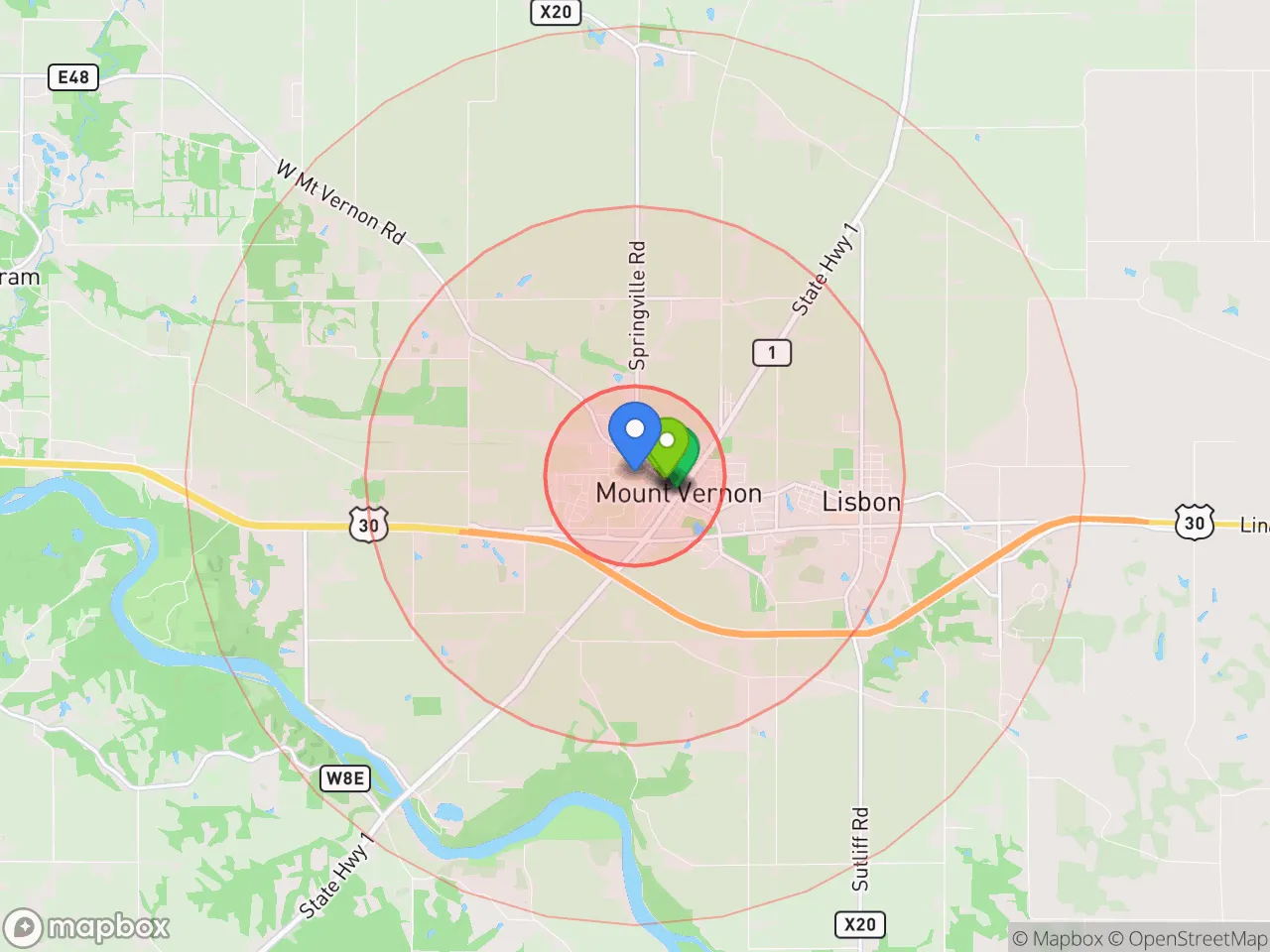
0 within 10 miles
Gas
0 within 10 miles
Hospital
0 within 20 miles
Airport
ORD — O'Hare International
Post Office
Critical Amenities
Quality-of-Life Analysis
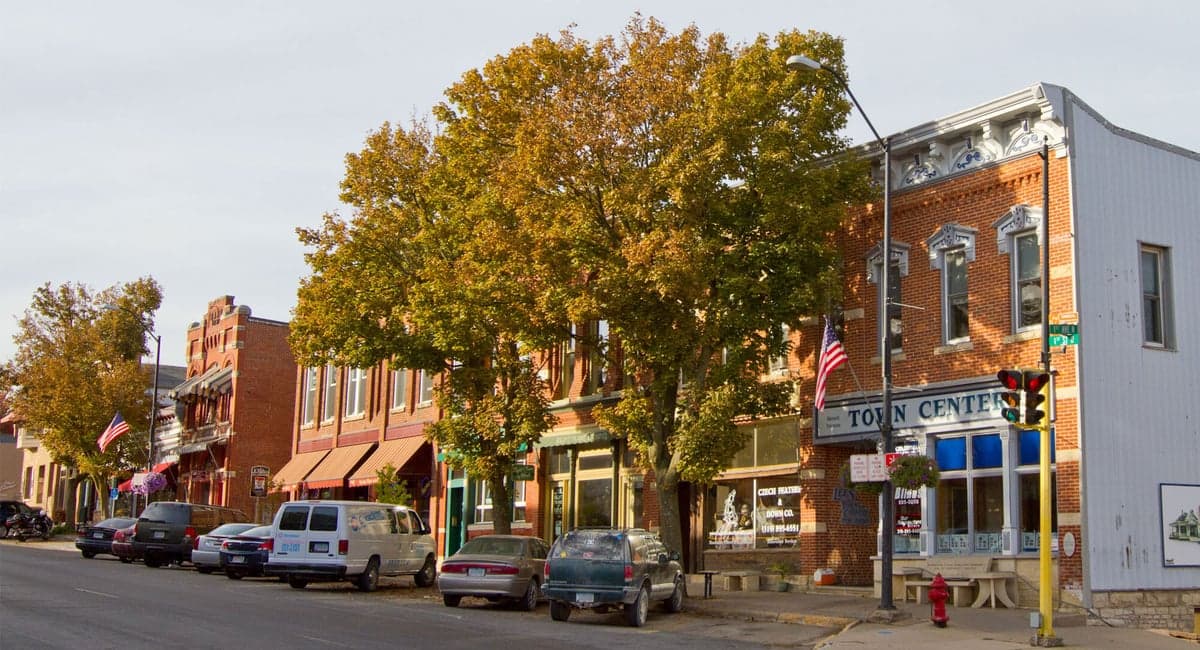
Mount Vernon, Iowa, is a small, affluent college town that blends historic charm with a strong sense of community, attracting a mix of academics, professionals, and families seeking a quieter pace of life near a major metro. With a cost of living index of 78—well below the U.S. average of 100—the town offers significant financial breathing room compared to nearby Cedar Rapids or Iowa City. The population skews educated and civic-minded, largely due to the presence of Cornell College, which anchors the local economy and cultural calendar.
Cost of living, housing, and affordability compared to nearby cities
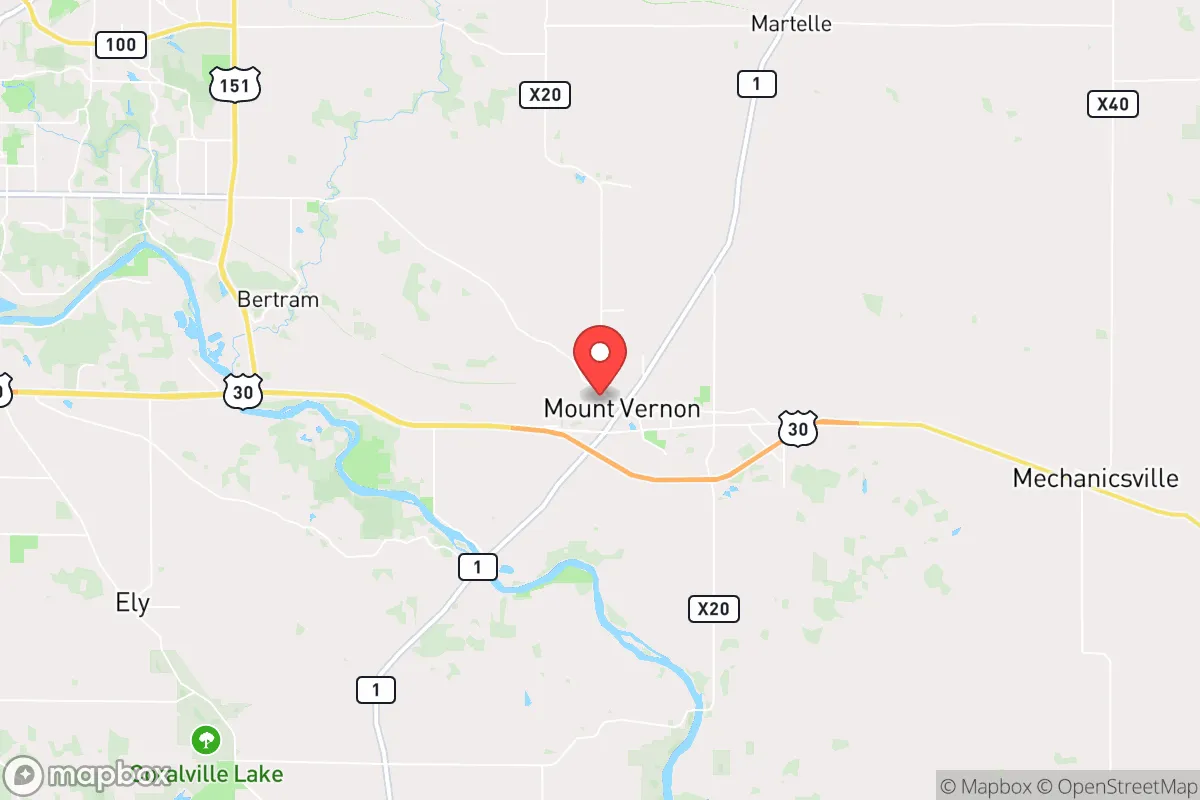
Mount Vernon’s cost of living is a standout advantage, with a composite index of 78 that makes it roughly 22% cheaper than the national average. The median home value sits at $256,900, which is notably lower than the median in Iowa City (around $290,000) and far below the national median of roughly $420,000. Renters also benefit: the median rent is just $802, making it one of the more affordable rental markets in the Corridor region. The average commute of 19.1 minutes is short by national standards, reflecting the town’s compact layout and easy access to U.S. Highway 30, which connects residents to jobs in Cedar Rapids (15 minutes west) and Iowa City (20 minutes east). Property taxes in Linn County are moderate, and overall housing costs remain stable, driven by steady demand from Cornell College faculty and staff.
Local amenities, schools, and what daily life is like for families
Daily life in Mount Vernon revolves around its walkable downtown, which features locally owned shops, cafes, and the historic Mount Vernon Community Theatre. The Mount Vernon Community School District is highly rated, with elementary and middle schools earning strong marks for student-teacher ratios and extracurricular offerings. Cornell College adds a collegiate energy, hosting public lectures, concerts, and Division III athletics that residents can attend. For outdoor recreation, Palisades-Kepler State Park is a 10-minute drive, offering hiking, fishing, and camping along the Cedar River. The town also hosts seasonal events like the Lincoln Highway Festival and a weekly farmers market from May through October. While residents may need to drive to Cedar Rapids for big-box retail or specialized healthcare, the day-to-day rhythm is quiet, safe, and neighborly—ideal for families who value community over convenience.
Mount Vernon is best suited for those who prioritize affordability, a tight-knit community, and access to outdoor recreation without sacrificing proximity to urban job centers. Young families will appreciate the strong schools and low crime rates, while retirees and remote workers can take advantage of the low housing costs and short commute. The town’s character is defined by its historic architecture, college-town atmosphere, and a pace that feels deliberately slower than the nearby metro areas. For anyone seeking a balanced, lower-cost lifestyle in eastern Iowa, Mount Vernon offers a compelling mix of value and quality of life.

Crime in Mount Vernon, IA
Lower crime rates than 93% of comparable U.S. locations.
Violent CrimeViolent Crime Analysis
Property CrimeProperty Crime Analysis
Crime Analysis
Mount Vernon, Iowa, is a notably safe small city, with violent and property crime rates that are a fraction of both state and national averages. The city's violent crime rate of 88.7 incidents per 100,000 residents is roughly one-third the Iowa average and about one-fifth the national rate. Property crime, at 332.4 per 100,000, is also significantly lower than the state average of approximately 1,800 per 100,000 and the national figure of roughly 2,000 per 100,000. These figures place Mount Vernon among the safer communities in Linn County and the broader Cedar Rapids metropolitan area.
Crime in context
Mount Vernon's crime statistics reflect a community that has largely avoided the property and violent crime challenges seen in larger urban centers. The city's violent crime rate of 88.7 per 100K is exceptionally low, with incidents of homicide, rape, robbery, and aggravated assault being rare events. Property crime, while more common, still sits at a rate that is roughly 80% lower than the national benchmark. For context, the nearby city of Cedar Rapids, which is part of the same metropolitan statistical area, reports a violent crime rate of approximately 450 per 100K and a property crime rate near 3,000 per 100K, making Mount Vernon substantially safer on both measures. The data suggests that Mount Vernon benefits from its small-town character and the absence of the concentrated socioeconomic pressures that drive crime in larger jurisdictions.
What residents experience
Residents of Mount Vernon generally report a strong sense of safety and security in their daily lives. The low crime rates mean that most people do not consider crime a major factor in their neighborhood or community decisions. The most common property crimes are theft from unlocked vehicles and occasional vandalism, rather than burglary or motor vehicle theft. The city is served by the Mount Vernon Police Department, which maintains a visible presence and close ties with the community. Because Mount Vernon is a small, independent city rather than a dense urban neighborhood, it is not subject to the prosecutorial policies of a large metropolitan district attorney's office. This is a meaningful distinction: residents are not exposed to the soft-on-crime, progressive prosecution policies that have been adopted in many large metro areas, which often result in reduced charges, plea deals, and early release for repeat offenders. In Mount Vernon, the local justice system operates with a focus on public safety and accountability, contributing to the city's consistently low crime rates.
Neighborhood-level crime variation in Mount Vernon is minimal. The entire city is relatively homogeneous in terms of safety, with no statistically significant high-crime zones. Areas near the downtown commercial corridor and the Cornell College campus see slightly higher foot traffic and occasional petty theft, but these incidents remain infrequent. The city's housing stock is well-maintained and owner-occupied at high rates, which naturally discourages property crime. For those considering a move to the Cedar Rapids area, Mount Vernon offers a level of safety that is difficult to find in larger suburbs or urban neighborhoods, particularly those under the jurisdiction of progressive prosecutors who deprioritize enforcement and victim rights.
* Values derived from national, state, county, city and local statistics and may differ in a specific area. Last updated: 2026-10-20T17:16:53.000Z
Narrative content on this page is AI-generated and may contain mistakes. Verify any details that matter before acting on them.
ReloMaps may earn a commission from affiliate links at no extra cost to you.

