Photo: Wikipedia
Quality of Life in Lewis And Clark County
A livable area that tracks near national norms for affordability, walkability, and neighborhood health.
What does Quality of Life tell us?
Quality of Life measures an area by evaluating factors like cost of living, nearby amenities, country club access, airport proximity, socioeconomic signals and neighborhood character. For large states, this is a general average — quality of life can vary dramatically between metro areas, suburbs, and rural communities within the same state.
What does this tell us?
Quality of Life measures an area by evaluating factors like cost of living, nearby amenities, country club access, airport proximity, socioeconomic signals and neighborhood character. For large states, this is a general average — quality of life can vary dramatically between metro areas, suburbs, and rural communities within the same state.
Cost of Living
6% above national average
73%
The Real Cost of Living in Lewis And Clark County for 2026
| Tier | Individual | Family (4) |
|---|---|---|
| Survival | $17k | $32k |
| Comfortable | $70k | $102k |
| Luxury | $133k+ | $207k+ |
| Elite (Top 5%) | $157k+ | $243k+ |
Quality-of-Life Analysis
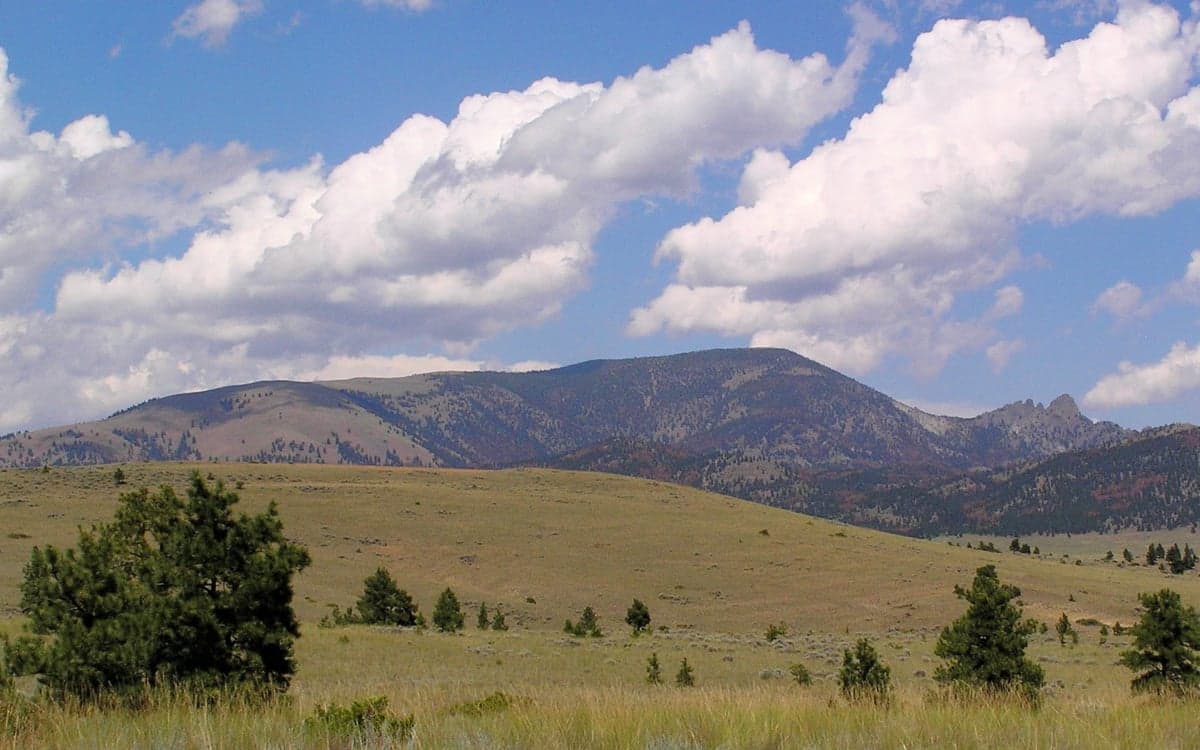
Lewis and Clark County, Montana, offers a spectrum of quality-of-life options that range from the state capital’s urban amenities to remote mountain homesteads, attracting everyone from government professionals and outdoor enthusiasts to ranchers and remote workers. The county’s character is defined by its geographic diversity: the Missouri River cuts through the center, the Elkhorn and Big Belt mountains frame the east, and the Continental Divide runs along the western edge. Residents choose the county based on how much access they want to jobs, schools, and services versus how much land, privacy, and rugged scenery they can afford.
Largest town(s) & population centers
Helena, the county seat and Montana’s capital, is the dominant population center with roughly 33,000 residents. Daily life here revolves around state government employment, healthcare at St. Peter’s Health, and a walkable downtown anchored by the Montana State Capitol building and Last Chance Gulch. The city offers a strong public school system, a regional airport, and amenities like the Great Northern Town Center and the Helena National Forest trails that start within city limits. East Helena, a separate incorporated town of about 2,000 people just east of the capital, is a quieter, more industrial-adjacent option with lower home prices and quicker access to Interstate 15. Both towns provide the county’s densest concentration of grocery stores, restaurants, and medical services, making them the default choice for families and professionals who want a short commute—the countywide average commute is just 17.5 minutes, one of the shortest in Montana for a county of this size.
Smaller towns & rural pockets
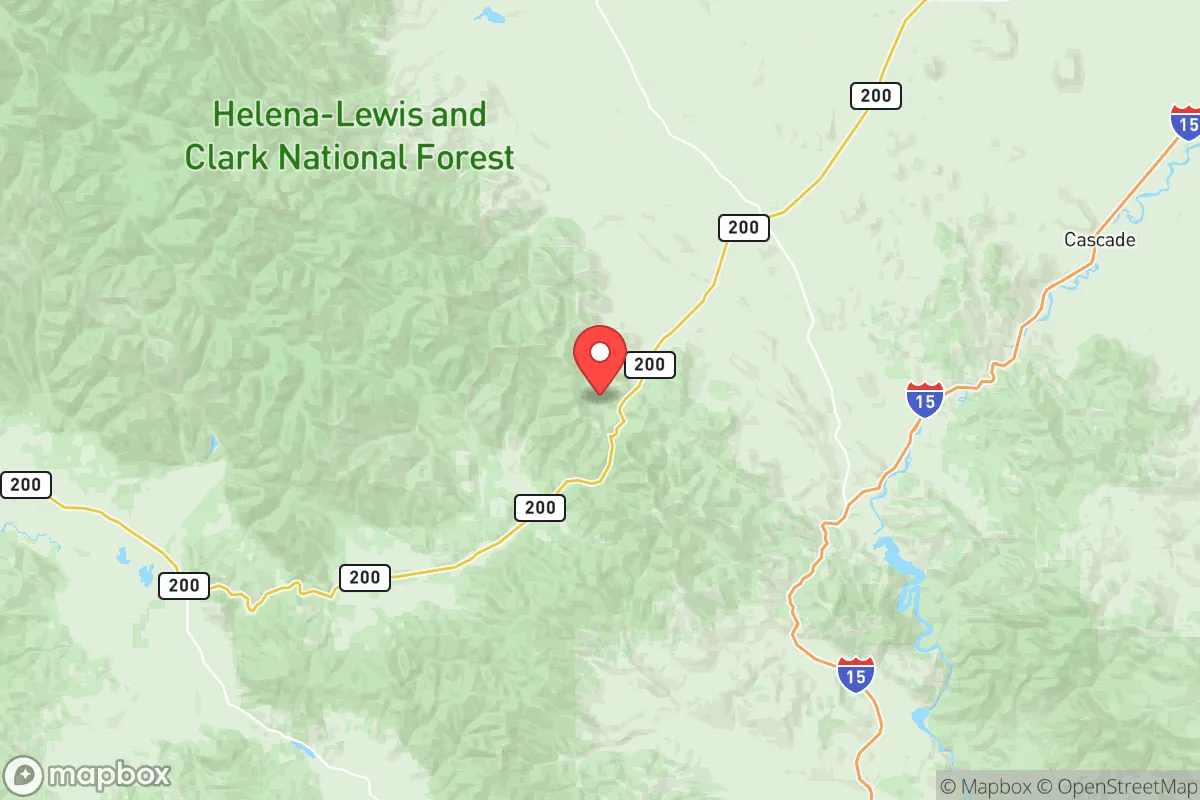
Outside the capital corridor, the county’s smaller communities offer distinctly different lifestyles. Lincoln, about 55 miles northwest of Helena along Highway 200, is a gateway to the Scapegoat and Bob Marshall wilderness areas, with a population under 1,000. Life here is slow-paced, with a single grocery store, a few cafes, and heavy reliance on wood heat and well water. Augusta, on the county’s northwestern edge near the Sun River, is a ranching community of about 300 people that feels more like central Montana’s prairie than the mountain valleys to the south. Wolf Creek, a tiny unincorporated hamlet along I-15 north of Helena, serves as a bedroom community for commuters who want river access and cheap land within 20 minutes of the capital. Marysville, a historic mining ghost town turned recreational enclave, has fewer than 100 year-round residents but offers some of the county’s most dramatic mountain views and direct access to the Helena National Forest. These smaller places lack municipal services like public water or sewer, and residents typically drive 30–60 minutes for major shopping or healthcare.
Cost & lifestyle range
The county’s cost of living index of 106 (slightly above the national average) masks wide internal variation. At the high end, Helena’s desirable neighborhoods near Mount Helena or along the Lake Helena shoreline see median home values above the countywide $358,200, with some properties exceeding $600,000. Renters in Helena pay a median of $1,062 per month, but studio apartments in newer complexes near the Capitol can command $1,400. At the low end, rural properties in Lincoln or Augusta often sell for under $250,000, though buyers must factor in the cost of drilling a well, installing septic, and upgrading dirt access roads. The lifestyle trade-off is stark: Helena residents enjoy fiber-optic internet, multiple grocery chains, and a hospital, while rural residents trade those conveniences for acreage, privacy, and direct trail access from their back door. Property taxes in the county are relatively moderate by Montana standards, but rural parcels with no improvements can carry surprisingly low annual tax bills—often under $500—while a Helena home near the median value might pay $3,000–$4,000 per year.
The county’s broad range of options means that no single profile fits all residents. Remote workers and retirees with reliable vehicles often choose the rural fringe for lower housing costs and solitude, while state employees and healthcare workers cluster in Helena for walkability and short commutes. Families who want good schools and after-school programs gravitate to Helena’s central neighborhoods, while ranchers and outfitters base themselves in Augusta or Lincoln for operational access to public land. Lewis and Clark County works best for people who understand that its diversity is geographic as much as economic—and who are willing to drive 20 minutes to the grocery store in exchange for a view of the Rockies from their kitchen window.

Crime in Lewis And Clark County
Generally safer than 57% of comparable U.S. locations.
Violent CrimeViolent Crime Analysis
Property CrimeProperty Crime Analysis
Crime Analysis
Lewis and Clark County reports a violent crime rate of 419.9 per 100,000 residents and a property crime rate of 1,463.9 per 100,000, both exceeding national averages and creating a mixed safety picture across its communities. Residents in and around Helena, East Helena, and Lincoln experience varying levels of risk, with some neighborhoods and smaller towns reporting far fewer incidents. This analysis compares county crime data to state and national benchmarks and examines what daily life feels like for those living here.
Crime in context
Lewis and Clark County's violent crime rate of 419.9 per 100,000 sits above the national average of approximately 380 per 100,000 and also exceeds the Montana state average of roughly 387 per 100,000. Property crime in the county, at 1,463.9 per 100,000, is below the Montana state average of about 2,200 per 100,000 but remains a significant concern for homeowners and businesses. The county's figures are heavily influenced by Helena, the state capital and largest city, which accounts for the majority of reported offenses. Smaller communities such as Augusta, Wolf Creek, and Craig typically report far lower incident rates, skewing the county-wide picture toward a higher risk profile than many rural areas experience.
What residents experience
The justice system in Lewis and Clark County operates under the First Judicial District, where the county attorney's office in recent years has emphasized diversion programs, alternatives to incarceration, and a progressive philosophical approach to prosecution. While intended to reduce jail populations and address root causes of offending, critics argue that these policies place the sympathies of the justice system with offenders rather than victims and the public. Property crime, including vehicle thefts and burglaries in Helena and East Helena, often results in light sentences or deferred prosecution agreements, leading to frustrated victims and a perception that repeat offenders face few consequences. Residents in neighborhoods near downtown Helena and along the North Valley report the highest frequency of theft and vandalism, with some expressing concern that the county's ideological stance encourages recidivism rather than deterrence. Lincoln, a small town in the county's northwestern corner, sees fewer incidents overall but has experienced property crime upticks linked to transient populations moving through the region.
Neighborhood-level variation is notable within the county. Helena's South Hills, West Side, and the Grizzly Gulch area consistently report the lowest crime rates, with residents citing strong neighborhood watches and higher property values as protective factors. In contrast, East Helena and the central downtown core of Helena show elevated rates of both violent and property crime, driven largely by poverty concentration and substance abuse issues. Helena Valley, a sprawling unincorporated area, sits between these
* Values derived from national, state, county, city and local statistics and may differ in a specific area. Last updated: 2026-07-07T11:54:24.000Z
Narrative content on this page is AI-generated and may contain mistakes. Verify any details that matter before acting on them.
ReloMaps may earn a commission from affiliate links at no extra cost to you.

