Photo: Wikipedia
Find The Best Places To Live in Lewis And Clark County
PRO TIP! You can paste a Zillow or Redfin link to get info on that property.
Best Places to Live in Lewis And Clark County

Cities & Towns in Lewis And Clark County
Cities in Lewis And Clark County
What It's Like Living in Lewis And Clark County, MT
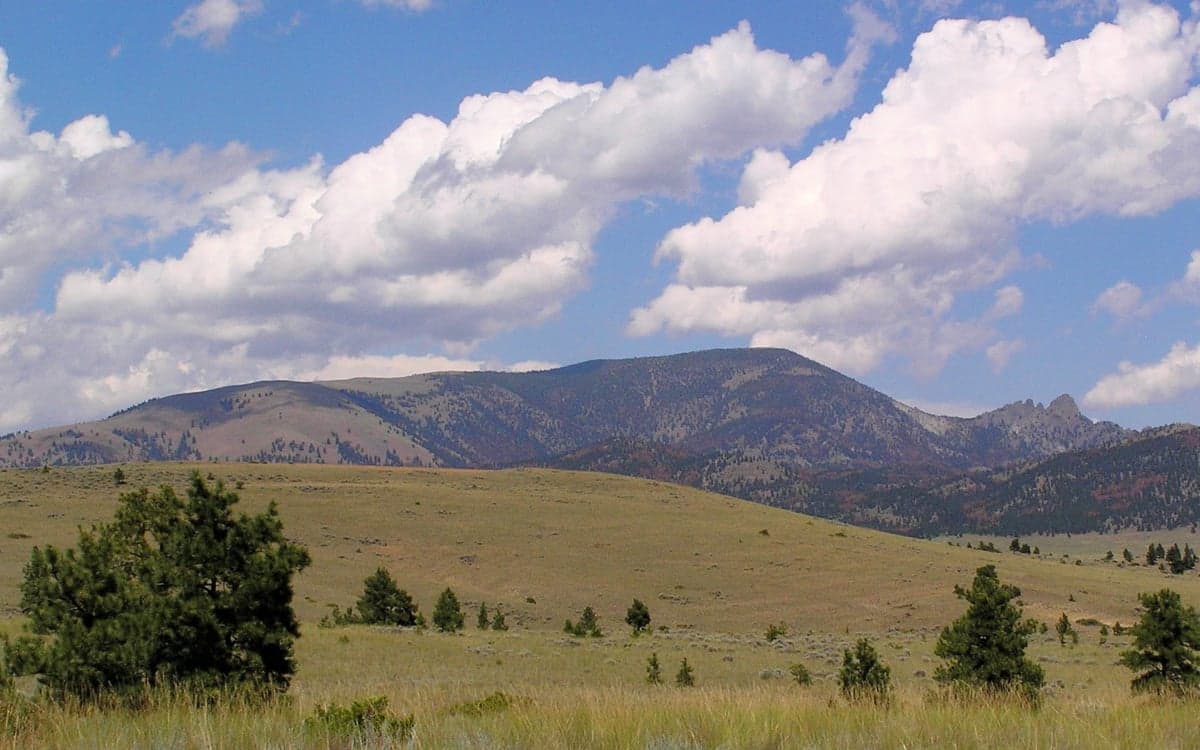
Living in Lewis and Clark County, Montana, feels like straddling two worlds: the quiet, historic pulse of the state capital, Helena, and the vast, open landscapes that stretch toward the Rocky Mountain front. It’s a place where your weekend plans might involve a hike up Mount Helena followed by a beer at a downtown brewpub, and where the commute is short enough that you can actually enjoy both. For the slightly conservative-leaning crowd—whether you’re a single professional or raising a family—this county offers a blend of small-city amenities, strong community ties, and a pace of life that values self-reliance and the outdoors.
The Daily Rhythm: Work, School, and the Short Commute
Most days in Lewis and Clark County start early, especially for families. Kids head to schools in Helena, East Helena, or the smaller districts like Lincoln and Augusta, where Friday-night football and community pride run deep. The county’s average commute of just over 17 minutes is a genuine luxury—you can live on a few acres near Clancy or in a Helena subdivision and still be at your desk in under 20 minutes. The largest employers are state government (Helena is the capital), St. Peter’s Health, and Carroll College, which gives the area a stable, white-collar backbone. For those who prefer a more rural rhythm, towns like Wolf Creek and Craig offer a slower pace, often tied to ranching or guiding on the Missouri River. The median income of $74,543 supports a comfortable, if not lavish, lifestyle, and the cost of living index of 106 means you’ll pay a bit more than the national average—mostly for housing and groceries—but far less than in Bozeman or Missoula.
Sports, Community, and the Weekend Vibe
Sports here are more about participation than spectating, though Helena High and Capital High football games draw solid crowds, especially during the crosstown rivalry. Carroll College’s NAIA teams, particularly football and basketball, have a loyal following among locals who appreciate the small-college atmosphere. But the real draw is the outdoors. On a summer Saturday, you’ll find people floating the Missouri River near Craig, fly-fishing for brown trout, or hiking the 3,000 acres of trails in the Helena National Forest just minutes from downtown. Winter shifts to cross-country skiing at Great Divide Ski Area (a 30-minute drive from Helena) or snowmobiling near Lincoln. The annual Last Chance Stampede and Fair in Helena is a genuine community event—rodeo, carnival, and local 4-H projects—that feels more authentic than touristy. For nightlife, Helena’s Last Chance Gulch district has a handful of solid spots: The Brewhouse for craft beer, On Broadway for a nicer dinner, and Lewis and Clark Brewing Company for a casual pint. It’s not a late-night town, but the social scene is friendly and unpretentious.
Who Fits In—and Who Might Struggle
This county works best for people who value space, quiet, and a slower rhythm. It’s a natural fit for families who want good schools (Helena’s public schools are solid, with a strong homeschool community) and for outdoorsy singles who don’t mind that the dating pool is smaller than in a big city. Politically, the county leans conservative overall, though Helena itself is more mixed—you’ll see both “Don’t Tread on Me” flags and “Science is Real” bumper stickers. The median age of 41.3 reflects a population that’s settled but not elderly; you’ll find plenty of young families in East Helena and newer subdivisions. The 42.8% college-educated rate is high for Montana, driven by state government jobs and Carroll College. What frustrates longtime residents? Housing costs have climbed sharply—the median home value of $358,200 is a shock for locals who remember when you could buy a house for half that. Rental availability is tight, and wages haven’t kept pace. The violent crime rate of 419.9 per 100,000 is higher than the national average, though most of it is concentrated in specific Helena neighborhoods and is largely property-related; rural areas like Augusta and Lincoln feel very safe.
Pros and Cons of Living Here
- Pro: Unmatched outdoor access. You’re 10 minutes from trailheads, 30 minutes from a ski hill, and an hour from the Bob Marshall Wilderness. Fishing, hunting, and hiking are woven into daily life.
- Con: Limited job diversity. If you’re not in government, healthcare, or education, options are thin. Many remote workers have moved here, but local private-sector jobs are scarce.
- Pro: Genuine community feel. Neighbors help with haying, kids ride bikes to school, and the county fair is a real gathering, not a tourist trap.
- Con: Harsh winters. January averages 20°F, and inversions can trap cold air in the Helena Valley for weeks. Snow removal is generally good, but rural roads can be dicey.
- Pro: No traffic. The 17-minute average commute isn’t a boast—it’s reality. You’ll rarely sit in a line of more than five cars.
- Con: Rising cost of living. The 106 index is driven by housing and utilities. Incomes haven’t risen as fast, making it harder for first-time buyers.
In the end, Lewis and Clark County offers a life that’s grounded in place and community. It’s not for everyone—if you crave nightlife, career mobility, or warm winters, you’ll chafe. But for those who value a short commute, a strong sense of local identity, and the ability to be on a river or a trail within minutes, it’s a place that rewards patience and self-sufficiency. Whether you’re settling in Helena for the schools, buying acreage near Clancy for the space, or retiring to Lincoln for the quiet, the county delivers a version of Montana that still feels authentic.

* Values derived from national, state, county, city and local statistics and may differ in a specific area. Last updated: 2026-07-07T11:54:24.000Z
Narrative content on this page is AI-generated and may contain mistakes. Verify any details that matter before acting on them.
ReloMaps may earn a commission from affiliate links at no extra cost to you.

