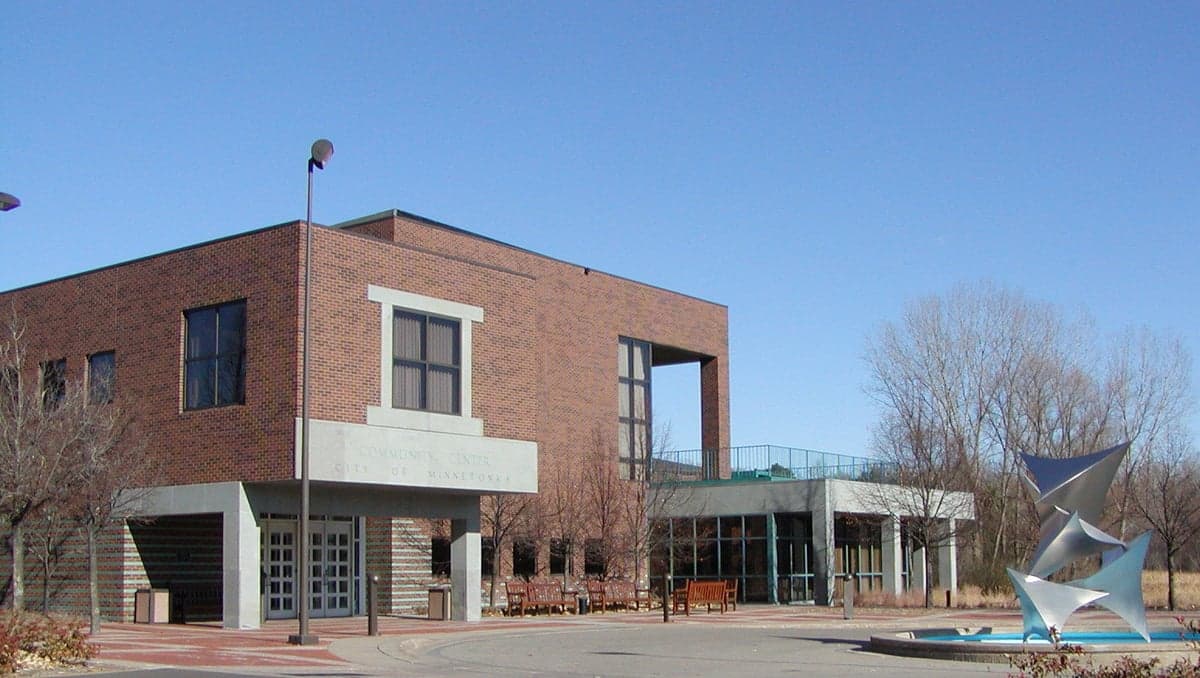
Photo: Wikipedia
Quality of Life in Minnetonka, MN
A high quality of life with strong walkability, manageable living costs, healthy neighborhood signals, and solid amenity access.
What does Quality of Life tell us?
Quality of Life blends cost of living, nearby amenities, socioeconomic signals, and neighborhood character. City-level scores represent the whole municipality; individual neighborhoods can differ.
What does this tell us?
Quality of Life blends cost of living, nearby amenities, socioeconomic signals, and neighborhood character. City-level scores represent the whole municipality; individual neighborhoods can differ.
Cost of Living
55% above national average
The Real Cost of Living in Minnetonka, MN for 2026
| Tier | Individual | Family (4) |
|---|---|---|
| Survival | $28k | $53k |
| Comfortable | $89k | $130k |
| Luxury | $218k+ | $337k+ |
| Elite (Top 5%) | $265k+ | $410k+ |
92%
The Area Signal
A metric tracking the socioeconomic signals of the area.
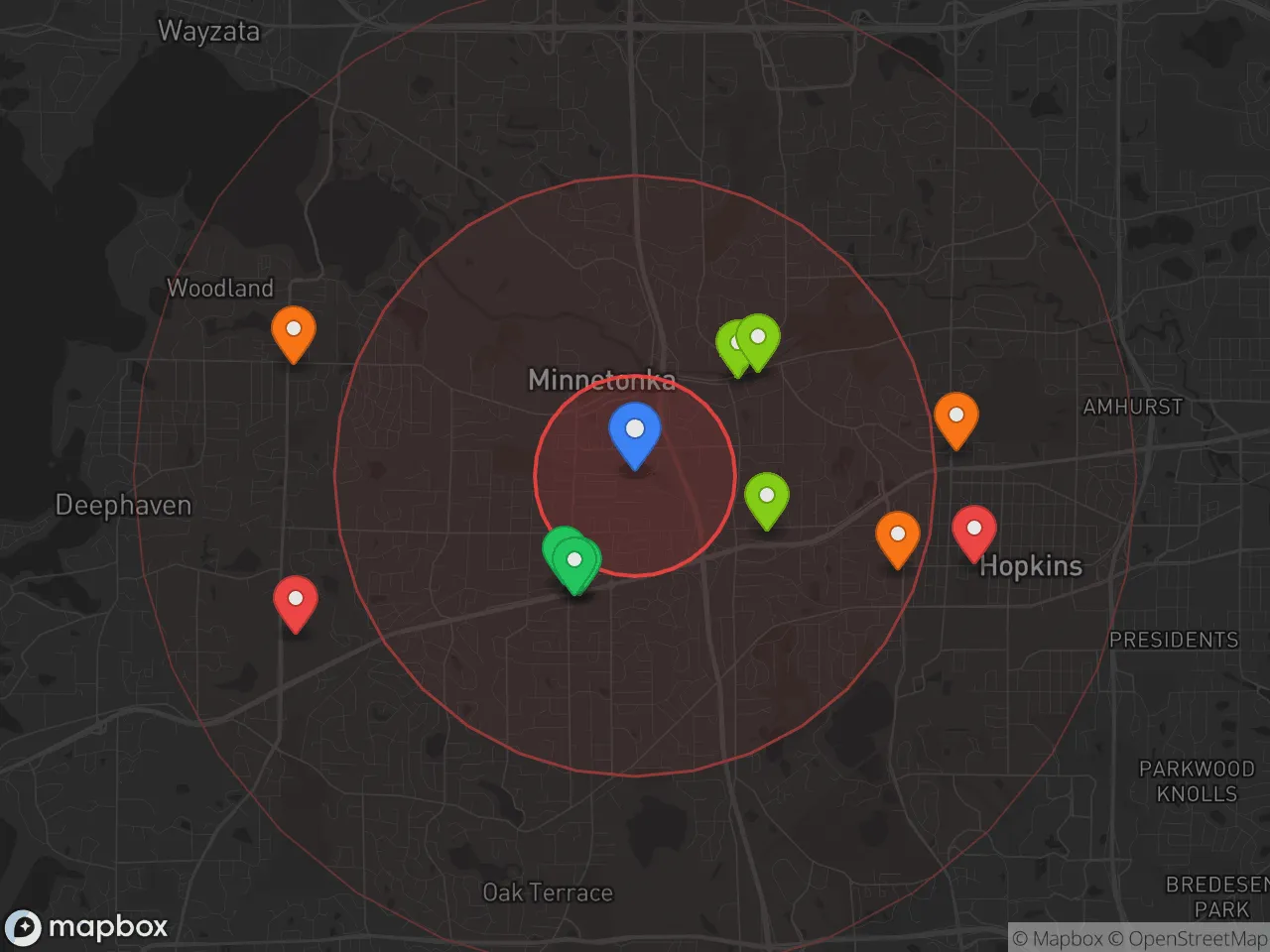
Hobbies
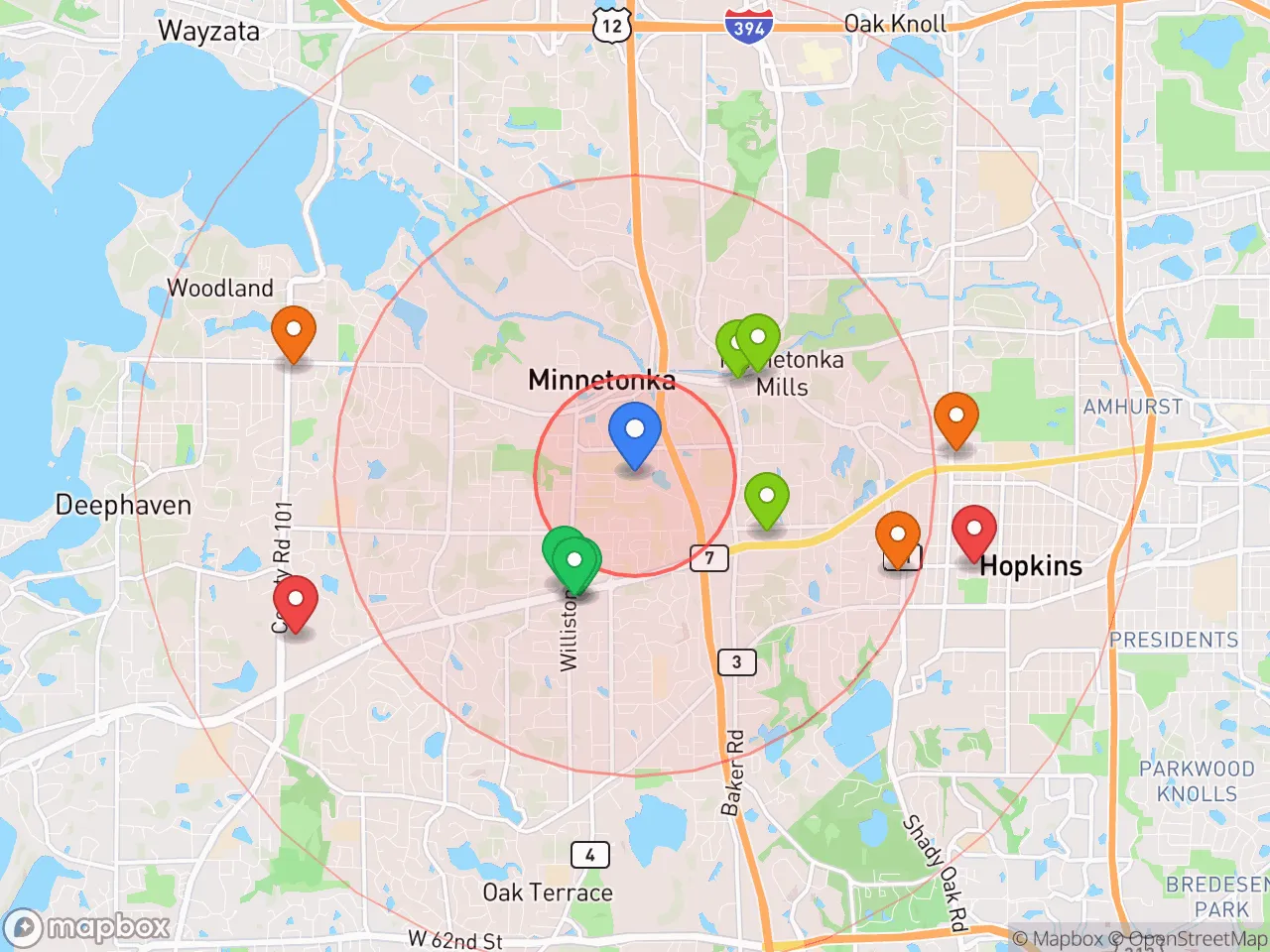
Explore the areaGroceries
6 within 10 miles
Gas
20 within 10 miles
Hospital
20 within 20 miles
Airport
JFK — John F. Kennedy Memorial
Post Office
USPS — 910 1st Street South, Hopkins
Critical Amenities
Quality-of-Life Analysis
Minnetonka, Minnesota, is an affluent western suburb of Minneapolis where the cost of living index sits at 155 (100 = US average), reflecting a community of established professionals, executives, and families drawn to top-tier schools and lakefront living. The population of roughly 54,000 skews toward higher education levels and household incomes well above state medians, creating a stable, low-crime environment that prioritizes outdoor recreation and civic engagement. This is not a transient bedroom community but a place where residents often stay for decades, anchored by major employers like UnitedHealth Group and Cargill just minutes away in neighboring Minnetonka and Eden Prairie.
Cost of living, housing prices, and how affordability compares to nearby suburbs
With a cost of living index of 155, Minnetonka is significantly more expensive than the national average and pricier than many neighboring suburbs like St. Louis Park (index ~130) or Plymouth (index ~140). The median home value of $456,200 places it above the Minneapolis metro median of roughly $380,000, though it remains below the most exclusive Lake Minnetonka communities like Deephaven or Orono, where median values exceed $700,000. Renters face a median rent of $1,758 per month, which is about 15% higher than the metro average but still below Wayzata’s $2,100+ threshold. Property taxes in Minnetonka average around 1.1% of assessed value, slightly above the state median, driven by the city’s high-quality school system and extensive park maintenance. For buyers, the trade-off is clear: higher upfront costs for access to Minnetonka School District (ranked in the top 5% of Minnesota districts) and proximity to over 100 lakes within a 15-minute drive.
What daily life is like for families: schools, parks, and commute reality
Daily life in Minnetonka revolves around its 49 parks, 90 miles of trails, and the 14,000-acre Lake Minnetonka system, which offers boating, fishing, and ice skating depending on the season. The Minnetonka School District serves roughly 11,000 students and consistently earns A ratings from Niche, with Minnetonka High School offering over 20 Advanced Placement courses and a nationally recognized performing arts center. The average commute of 20 minutes is notably shorter than the metro average of 26 minutes, thanks to direct access to Interstate 394 and Highway 169, which funnel workers to downtown Minneapolis (15–20 minutes) and the southwest employment corridor (Eden Prairie, Hopkins, Edina). Ridgedale Center serves as the city’s commercial hub, housing Nordstrom, Apple, and a mix of local restaurants, while the nearby Minnetonka Mills district offers boutique shopping and coffee shops. Crime rates are roughly 60% lower than the national average, with property crime being the most common incident, and violent crime extremely rare.
Families with school-age children and professionals seeking a short commute to Minneapolis or the southwest job centers will thrive in Minnetonka, as the combination of high-performing schools, low crime, and abundant lakeside recreation justifies the premium cost. Empty-nesters downsizing from larger lake homes also find value in the city’s newer townhome developments near Ridgedale, while remote workers benefit from reliable gigabit fiber internet and a 20-minute average commute that frees up time for outdoor activities. Those on tighter budgets may find better value in neighboring Hopkins or St. Louis Park, but for buyers and renters who prioritize education, safety, and immediate access to nature without sacrificing urban proximity, Minnetonka remains one of the metro’s most balanced high-quality-of-life suburbs.

Crime in Minnetonka, MN
Lower crime rates than 84% of comparable U.S. locations.
Violent CrimeViolent Crime Analysis
Property CrimeProperty Crime Analysis
Crime Analysis
Minnetonka, Minnesota, is a relatively safe western suburb of Minneapolis, but its crime picture is more nuanced than a single statistic suggests. The city reports a violent crime rate of 101.4 incidents per 100,000 residents, a figure that is significantly lower than both the national average and the rates seen in core urban areas. However, the property crime rate of 1,294.6 per 100,000 is a more pressing concern for residents, reflecting a pattern common in affluent suburbs that are easily accessible from major highways.
Crime in context
When compared to state and national benchmarks, Minnetonka's violent crime rate is roughly one-third of the U.S. average (which hovers around 380 per 100,000) and well below the Minnesota state average. This places the city among the safer communities in the Twin Cities metro area for violent offenses like homicide, robbery, and aggravated assault. Property crime, however, tells a different story. The rate of 1,294.6 per 100,000 is elevated relative to many neighboring suburbs and is driven primarily by thefts from vehicles and residential burglaries. It is important to note that Minnetonka falls within Hennepin County, which is part of a larger metro area where progressive prosecutorial policies have been adopted. Critics argue that such policies—including reduced sentences for property crimes and a focus on diversion programs—can result in repeat offenders cycling back into communities like Minnetonka, undermining deterrence and increasing the risk of property loss for residents.
What residents experience
For the average resident, the most tangible safety issue is not violent confrontation but property crime. Car break-ins and package thefts are the most commonly reported incidents, particularly in areas near shopping centers like Ridgedale Mall and along the I-394 corridor. Violent crime is rare and typically isolated to domestic situations or disputes among known individuals, meaning random attacks on strangers are extremely uncommon. Neighborhood watch programs are active in many subdivisions, and the Minnetonka Police Department maintains a visible presence, including a dedicated community engagement unit. However, residents should remain vigilant about locking vehicles and securing garages, as opportunistic theft remains the primary day-to-day risk.
Neighborhood-level variation is notable. The areas east of Highway 101 and south of Minnetonka Boulevard—closer to the city's lakes and older, established homes—tend to have the lowest crime rates. In contrast, the commercial corridors along Highway 7 and near the border with Hopkins and St. Louis Park see higher volumes of property crime, likely due to easier access and higher foot traffic. The city's western and northern edges, which feature newer developments and larger lots, also report very low incident rates. For those considering a move, consulting the city's online crime mapping tool for specific block-level data is recommended, as the overall statistics can mask significant differences between a quiet cul-de-sac and a busy arterial street.
* Values derived from national, state, county, city and local statistics and may differ in a specific area. Last updated: 2026-04-24T15:28:06.000Z
Narrative content on this page is AI-generated and may contain mistakes. Verify any details that matter before acting on them.
ReloMaps may earn a commission from affiliate links at no extra cost to you.

