Photo: Wikipedia
Demographics of St Louis County
Affluence Level in St Louis County
A middle-class area roughly in line with national averages across income, home values, education, and employment.
People of St Louis County
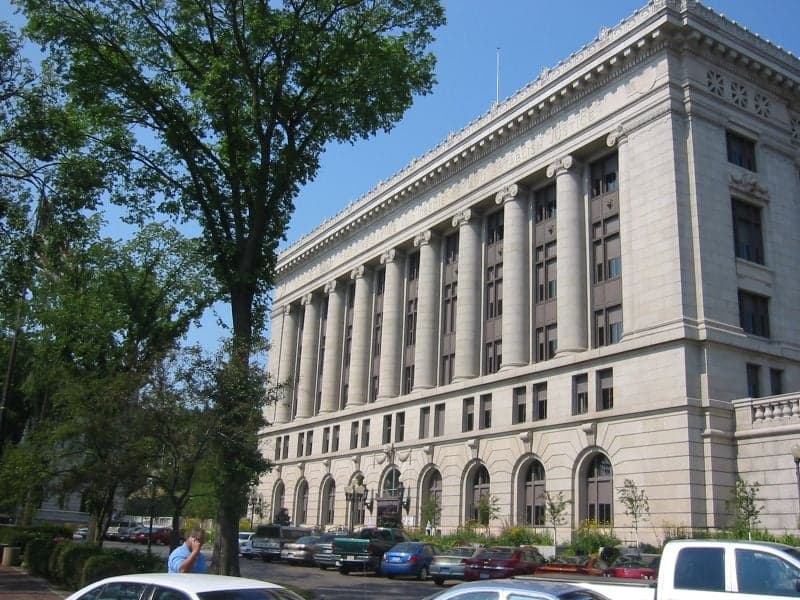
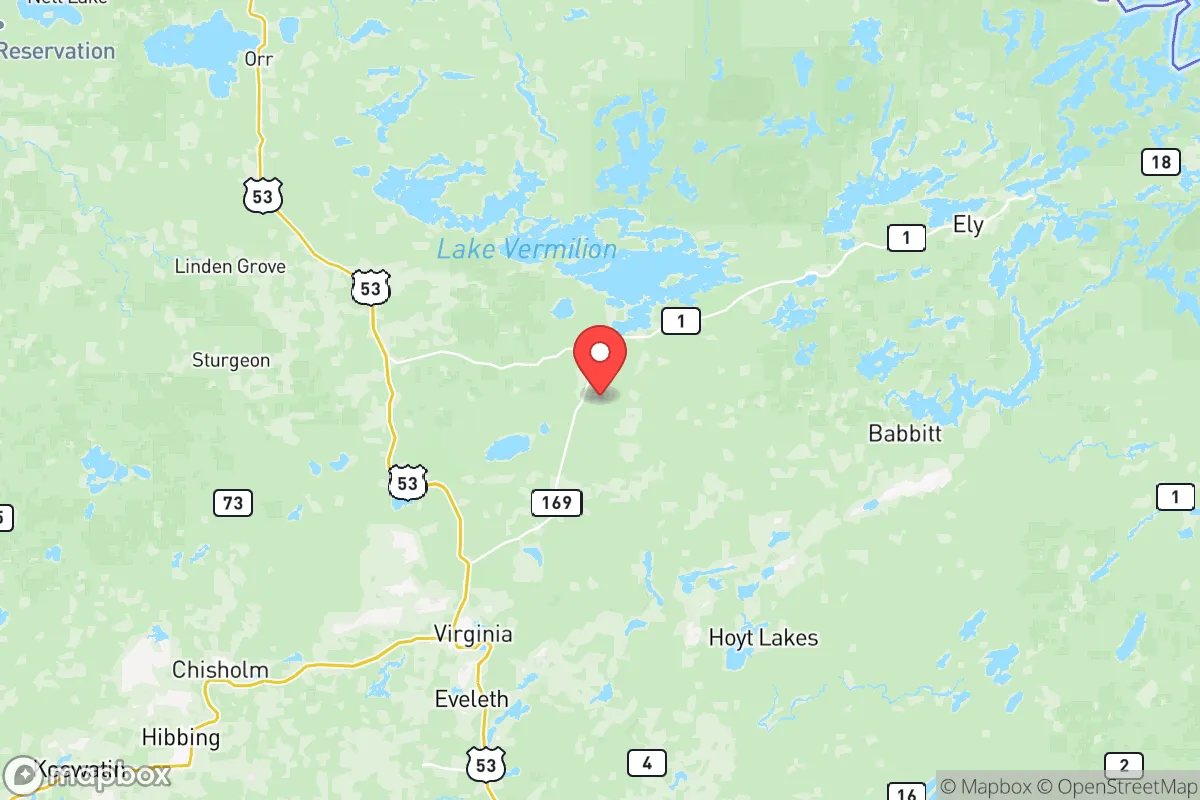
St. Louis County, Minnesota, is home to roughly 200,000 residents spread across a vast, forested landscape that feels more like a collection of small, distinct communities than a single urbanized area. Its population is notably older and less diverse than the national average, with a strong white majority of 89.9% and a foreign-born population of just 0.9%, reflecting a region shaped by early European settlement and limited subsequent immigration. The county’s identity is rooted in its industrial past—iron mining, timber, and shipping—and its deep connection to the outdoors, with Duluth serving as the urban anchor and cultural hub. For a conservative-leaning audience, this is a place where traditional values, self-reliance, and a slower pace of life remain central, though the population is slowly declining and aging.
Settlement & growth (pre-1960)
Long before European arrival, the area now known as St. Louis County was the homeland of the Ojibwe (Chippewa) people, who established villages along the shores of Lake Superior and the St. Louis River. The Ojibwe controlled the region through the fur trade era, interacting with French and British traders but largely maintaining their territory until the mid-19th century. The first permanent European settlement began in the 1850s, driven by the discovery of iron ore and the promise of timber wealth. The city of Duluth was founded in 1856 as a shipping port, quickly becoming the gateway for waves of immigrants drawn to the mines and forests.
The major population wave came between 1880 and 1920, as the iron ranges—the Vermilion, Mesabi, and Cuyuna—opened for large-scale mining. This industrial boom pulled in a diverse mix of European immigrants. Finns arrived in large numbers, settling in Eveleth, Virginia, and Aurora, where they worked the mines and established tight-knit communities with strong labor union traditions. Swedes and Norwegians also came, concentrating in Duluth and the smaller towns along the Iron Range. Slovenians and Croats followed, particularly in Chisholm and Hibbing, where they formed distinct ethnic enclaves. By 1910, the county’s population had surged past 100,000, with nearly a third foreign-born. The timber industry also drew French-Canadians and Germans, who settled in the rural areas around Floodwood and Cotton. This period established the county’s character: hardworking, ethnically European, and economically dependent on extractive industries.
The Great Depression and World War II slowed immigration, but the post-war era saw a domestic migration of rural Minnesotans and Appalachian workers into the Iron Range as mining boomed again. However, by the 1950s, the population began to plateau as the mines mechanized and jobs became more skilled. The county’s population peaked at around 220,000 in 1960, with Duluth alone holding over 100,000 residents. The European ethnic enclaves remained strong, with Finnish and Slavic languages still spoken in some homes, and the region’s political culture leaned heavily toward labor-backed Democrats.
Modern era (post-1965)
The 1965 Hart-Cellar Act had a minimal impact on St. Louis County. Unlike the Twin Cities or coastal metro areas, the county attracted very few new immigrants from Asia, Africa, or Latin America. The foreign-born population today is just 0.9%, far below the national average of 13.7%. The small Asian community (0.8%) is primarily composed of Hmong and Vietnamese families who arrived as refugees in the 1970s and 1980s, with a modest concentration in Duluth. The Indian-subcontinent population (0.3%) is even smaller, mostly professionals working in healthcare and education at Essentia Health and the University of Minnesota Duluth. The Hispanic population (1.9%) has grown slowly, driven by Mexican-American families moving into the region for service and construction jobs, with small clusters in Duluth and Hibbing. The Black population (1.6%) is also modest, with roots in the post-war migration of African Americans to the Iron Range for mining jobs, now concentrated in Duluth and Virginia.
The most significant demographic shift since 1965 has been domestic out-migration. The decline of the iron mining industry in the 1980s led to a steady population loss, particularly from the smaller Range towns. Eveleth, Aurora, and Chisholm each lost 20-30% of their populations between 1980 and 2020. Meanwhile, Duluth has stabilized as a regional hub for healthcare, education, and tourism, attracting some retirees and remote workers from the Twin Cities. Suburbanization has been limited; the county’s low-density development is more about rural exodus than suburban sprawl. The population is aging rapidly, with a median age of 42.5, well above the national median of 38.8. The white population remains dominant at 89.9%, but it is also the oldest and most likely to be leaving the workforce.
The future
St. Louis County’s population is projected to continue its slow decline, falling below 195,000 by 2040, according to state demographers. The county is becoming slightly more diverse, but from a very low base. The Hispanic and Asian shares are expected to grow modestly, driven by younger families moving into Duluth for jobs in healthcare and logistics, while the Indian-subcontinent population may increase as Essentia Health and the University of Minnesota Duluth recruit skilled professionals. However, the overall foreign-born share is unlikely to exceed 2% in the next decade. The white population will continue to shrink due to low birth rates and out-migration of younger adults to the Twin Cities or warmer states. The Iron Range towns will likely see further population loss, with Hibbing and Virginia becoming smaller, older communities. Duluth will remain the demographic anchor, but even its growth is modest, constrained by a cold climate and limited economic diversification.
Culturally, the county is evolving slowly. The strong European ethnic identities—Finnish, Swedish, Slovenian—are fading as younger generations intermarry and move away. The region’s political leanings are shifting slightly, with the Iron Range becoming more competitive between Democrats and Republicans, reflecting a broader national trend. For a conservative-leaning audience, the county offers a stable, low-crime environment with strong community ties, but it is not a place of rapid growth or demographic change. The next 10-20 years will likely see a quieter, older, and slightly more diverse population, but the core character—white, working-class, and rooted in the outdoors—will persist.
For someone moving in now, St. Louis County is a place where you can find affordable housing, safe neighborhoods, and a deep sense of place, but you should expect a population that is shrinking and aging. The opportunities are in Duluth and the healthcare sector, while the smaller towns offer a slower, more isolated lifestyle. The county is not becoming a melting pot; it is becoming a quieter, more stable version of its past. If you value space, nature, and a community where people know their neighbors, this is a solid choice. If you seek rapid growth, diversity, or a booming job market, you may find it too static.

* Values derived from national, state, county, city and local statistics and may differ in a specific area. Last updated: 2026-07-17T02:17:40.000Z
Narrative content on this page is AI-generated and may contain mistakes. Verify any details that matter before acting on them.
ReloMaps may earn a commission from affiliate links at no extra cost to you.

