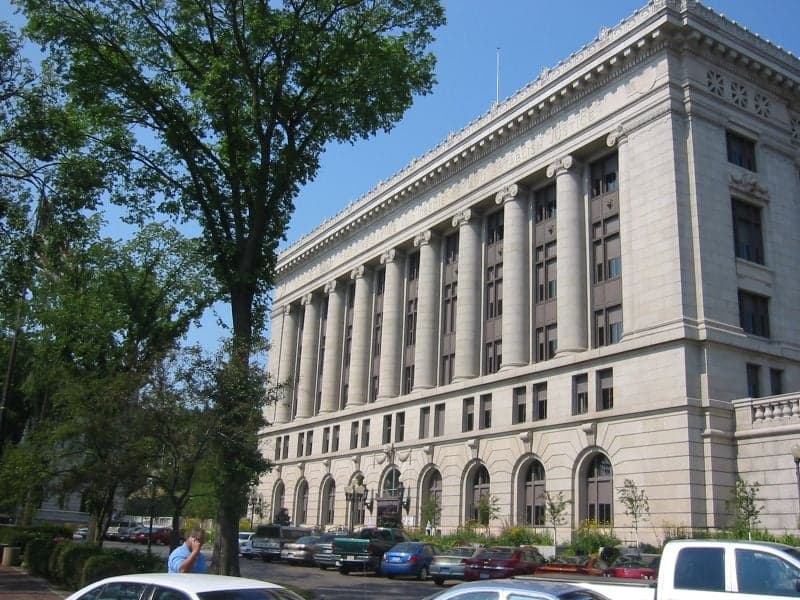
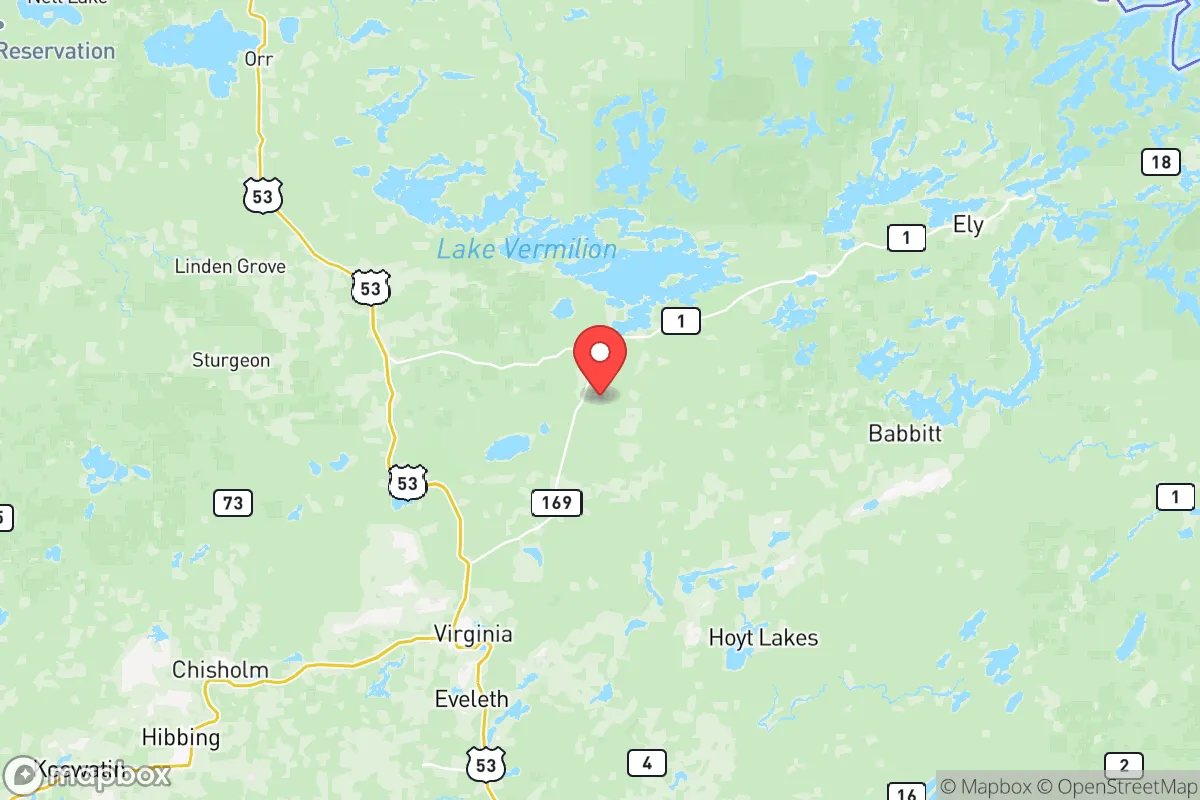
Photo: Wikipedia
Find The Best Places To Live in St Louis County
PRO TIP! You can paste a Zillow or Redfin link to get info on that property.
Best Places to Live in St Louis County
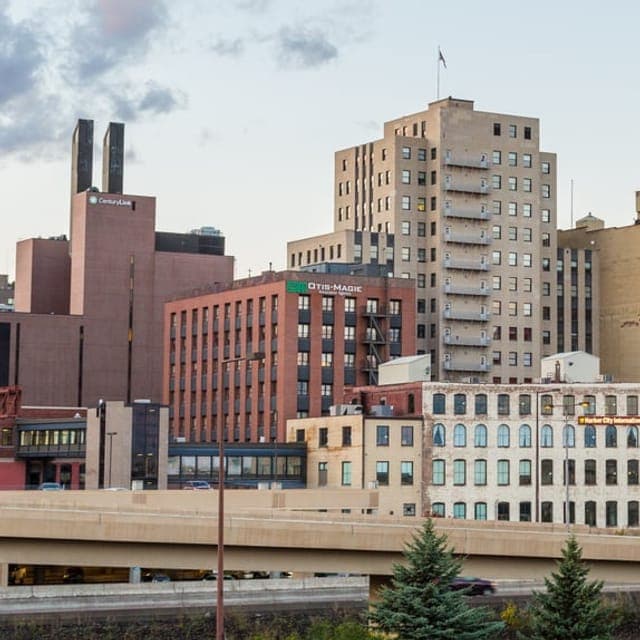
Cities & Towns in St Louis County
Cities in St Louis County
What It's Like Living in St Louis County, MN
Living in St. Louis County, Minnesota, means trading the constant buzz of the Twin Cities for a life defined by the rhythms of the Iron Range, the vastness of the Boundary Waters, and the quiet resilience of small towns like Hibbing, Virginia, Ely, and the county seat of Duluth. It’s a place where a 20-minute average commute is the norm, where you can drive from a city of 86,000 to a lake cabin with no cell service in under an hour, and where the local economy has shifted from underground iron ore mining to healthcare, tourism, and remote work. The county’s population of just over 200,000 is spread across a massive area—larger than the state of New Jersey—so the experience of living here varies dramatically depending on whether you’re in a downtown Duluth apartment, a family home in Hermantown, or a rural property outside of Cook.
The Daily Rhythm: From Duluth’s Lakewalk to the Range’s Main Streets
Daily life in St. Louis County is shaped by the seasons and the geography. In Duluth, the region’s economic and cultural hub, people start their mornings with a coffee from a local shop like Duluth Coffee Company before heading to jobs at Essentia Health, the University of Minnesota Duluth, or Cirrus Aircraft. The commute is rarely a headache—the average drive time across the county is just over 20 minutes—but winter snowstorms can turn a 15-minute trip into a 45-minute crawl, especially on the steep hills leading to the Lakewalk. For families in the central and northern parts of the county, like Hibbing or Virginia, the day often revolves around school events and outdoor activities. The median age here is 41.3, slightly older than the national average, and you’ll find a mix of young families drawn by affordable housing and retirees who’ve lived on the Range their whole lives. The median home value of $208,500 is a fraction of what you’d pay in the Twin Cities, and the cost of living index of 80 (20% below the national average) means your paycheck goes further—though wages in retail and hospitality can lag behind.
Weekends are where the county’s character really shines. In the summer, Duluth’s Canal Park is packed with tourists and locals alike, watching the Aerial Lift Bridge raise for ore boats and grabbing a burger at the iconic Grandma’s Saloon & Grill. Head north to Ely, and you’ll find a town of 3,400 that lives and breathes the Boundary Waters Canoe Area Wilderness (BWCAW)—people here spend their weekends portaging, fishing for walleye, or hanging at the Ely Steakhouse after a long day on the water. On the Iron Range, the vibe is more down-to-earth: Friday nights in Hibbing mean high school football at the historic Cheever Field, while Virginia’s residents gather at the Virginia Brewing Company for a pint of locally-made beer. The county’s violent crime rate of 224.9 per 100,000 is slightly above the national average, but it’s concentrated in specific areas of Duluth; most of the rural towns and suburbs like Hermantown feel very safe, with neighbors who still leave their doors unlocked.
Sports, Community, and the Iron Range Identity
Sports are a big deal here, but not in the way you might expect. There are no major professional teams, but high school and college athletics are the heartbeat of the community. In Duluth, the University of Minnesota Duluth Bulldogs hockey team is a religion—their NCAA Division I games at the DECC draw crowds of 6,000, and the rivalry with St. Cloud State is fierce. On the Iron Range, hockey is king, but football and basketball also pack gyms. Hibbing High School’s football team has a storied history, and the town’s iconic high school building—a stunning, castle-like structure built in the 1920s—is a source of local pride. For a more relaxed scene, the Duluth Huskies collegiate summer baseball team plays at Wade Stadium, offering affordable family entertainment under the northern lights.
The cultural identity of St. Louis County is deeply tied to its mining history. Towns like Hibbing, Virginia, and Eveleth were built by immigrants—Finns, Swedes, Slovenians, and Italians—who came to work the iron mines. That legacy is visible in everything from the food (pasties, a meat-and-potato hand pie, are a staple) to the local museums like the Minnesota Discovery Center in Chisholm. There’s a stubborn, self-reliant streak here that longtime residents love—people help each other out in a blizzard, and there’s a general distrust of government overreach. That said, the county is politically mixed: Duluth leans blue, while the rural areas and Range towns are more conservative, creating a live-and-let-live atmosphere that many find refreshing.
What’s There to Do: Outdoor Play, Festivals, and Honest Trade-Offs
If you love the outdoors, you’ll never run out of things to do. The Superior Hiking Trail runs 310 miles along the North Shore, with trailheads near Two Harbors and Silver Bay that are perfect for day hikes. In the winter, cross-country skiing at the Korkki Nordic Ski Center in Hibbing and snowmobiling on the Arrowhead State Trail are huge draws. The county also hosts major festivals: the Ely Blueberry Festival in July brings in thousands for pie-eating contests and live music, while Duluth’s Bayfront Festival Park hosts concerts from national acts like the Avett Brothers. For a quieter weekend, families head to Lake Vermilion near Tower for fishing and cabin rentals, or to the Sax-Zim Bog for birdwatching (it’s a top spot for seeing great gray owls).
But living here isn’t without its frustrations. The winters are long and dark—Duluth gets about 86 inches of snow annually, and the sun sets before 5 PM in December. Seasonal affective disorder is a real concern, and the isolation can wear on people who aren’t used to it. The job market is stable but narrow: healthcare, education, and mining dominate, and remote workers often struggle with spotty internet in rural areas like Cook or Babbitt. The median household income of $69,455 is decent for the cost of living, but it’s below the state average, and property taxes can be high for the services you get. Still, for the right person—someone who values space, community, and a slower pace—St. Louis County offers a quality of life that’s hard to find elsewhere. It’s a place where you can buy a home for under $200,000, raise a family with good schools, and still have the Boundary Waters in your backyard.

* Values derived from national, state, county, city and local statistics and may differ in a specific area. Last updated: 2026-07-17T02:17:40.000Z
Narrative content on this page is AI-generated and may contain mistakes. Verify any details that matter before acting on them.
ReloMaps may earn a commission from affiliate links at no extra cost to you.

