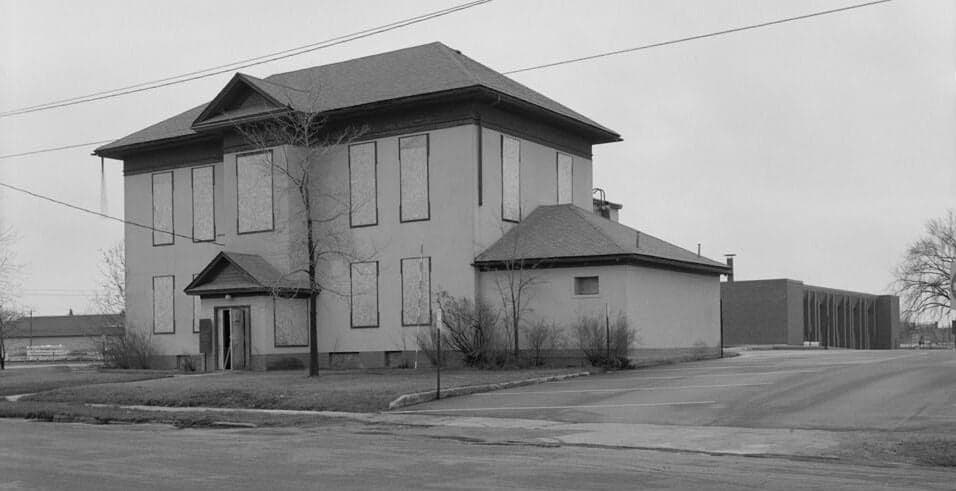
Photo: Wikipedia
Personal Sovereignty in Sherburne County
Viable for self-reliance. Generally workable, though some barriers may limit total independence.
What does Personal Sovereignty tell us?
Personal Sovereignty measures your capacity for self-reliance and independence with minimal government friction. Higher scores mean fewer barriers between you and the way you want to live... but it assumes you have the space you need and good neighbors.
What does this tell us?
Personal Sovereignty measures your capacity for self-reliance and independence with minimal government friction. Higher scores mean fewer barriers between you and the way you want to live... but it assumes you have the space you need and good neighbors.
State Policy
Energy independence: Importer (20% of energy produced in-state)
Personal Liberty
Homesteading

Personal Liberty Analysis
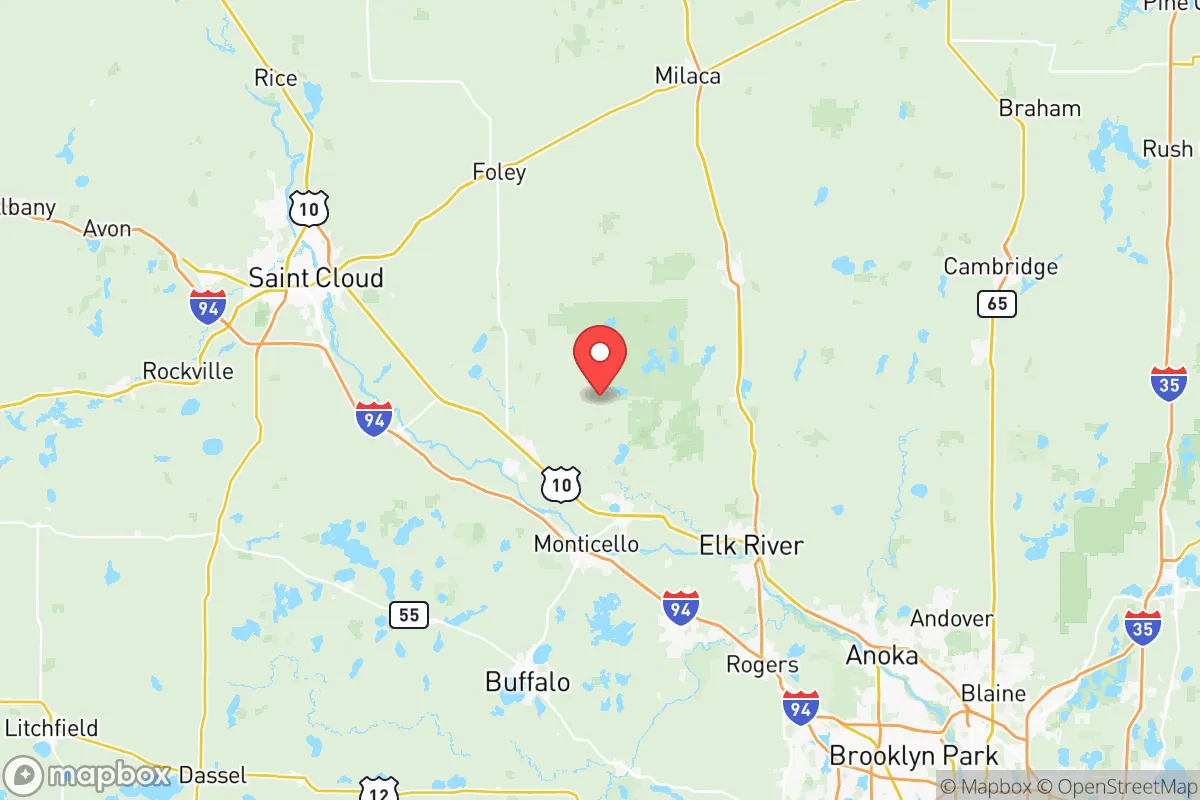
Sherburne County, Minnesota, offers a notably higher degree of personal sovereignty than the metro core of the Twin Cities, but it is not a libertarian free zone. Located roughly 30–45 minutes northwest of Minneapolis, the county—anchored by the cities of Elk River, Big Lake, Becker, and Zimmerman—strikes a balance between rural autonomy and the practical realities of living within a state with a powerful Democratic-Farmer-Labor (DFL) trifecta in St. Paul. For the individual or family seeking to minimize government overreach while maintaining access to employment and services, Sherburne County represents a strategic middle ground: the regulatory climate is lighter than in Hennepin or Ramsey counties, but state-level mandates on taxes, energy, and health still apply. The key is understanding where local control actually exists and where it is preempted by state law.
Tax burden and regulatory posture in Sherburne County
Minnesota’s overall tax burden is among the highest in the nation, and Sherburne County is not exempt. However, the county’s property tax rates are significantly lower than those in the core metro counties. For a median-valued home in Elk River (around $350,000), the effective property tax rate hovers near 1.1%, compared to over 1.3% in Hennepin County. The county government has historically maintained a fiscally conservative posture, with budgets that prioritize roads, public safety, and schools over social programs. The state-level income tax—which tops out at 9.85%—is unavoidable, but Sherburne County has no local sales tax surcharge beyond the state’s 6.875% base. Regulatory posture is mixed: the county enforces standard building codes and septic requirements, but zoning is far more permissive than in the metro. Big Lake and Becker, for instance, have minimal business licensing hurdles, making them attractive for small-scale entrepreneurship or home-based trades. The real friction comes from state-level environmental regulations, particularly around shoreland and wetland protections, which can complicate development near the Mississippi River or smaller lakes. For the prepper, the county’s posture is best described as "leave us alone unless you’re building in a floodplain."
Self-defense and gun law specifics in Sherburne County
Minnesota is a "shall-issue" state for permits to carry a pistol, and Sherburne County’s sheriff’s office processes applications efficiently—typically within 30 days. The county is home to a strong gun culture, with multiple indoor and outdoor ranges, including the Elk River Gun Club and the Becker Sportsmen’s Club. Open carry is legal without a permit, though most residents opt for a concealed carry permit for practical and legal reasons. The state does not have a "stand your ground" statute, but it does have a Castle Doctrine that eliminates the duty to retreat inside one’s home. This is a critical distinction: outside the home, a person must attempt to retreat before using deadly force, unless they are in their vehicle or place of business. Sherburne County’s sheriff, Joel Brott, has publicly stated his office will not enforce any future federal gun bans that violate the Second Amendment—a stance that resonates with the survivalist mindset. However, state-level restrictions are tightening: the 2023 DFL legislature passed universal background checks for all firearm transfers and a "red flag" extreme risk protection order law. These laws are enforced in Sherburne County, though local judges are generally conservative and may be less inclined to issue sweeping ERPOs than their metro counterparts. For the prepper, the county offers a permissive environment for private firearm ownership, but the legal landscape is shifting at the state level, requiring vigilance.
Self-reliance and homesteading viability in Sherburne County
Sherburne County is one of the more viable areas in the Twin Cities exurbs for serious homesteading. Minimum lot sizes vary by township: in unincorporated areas near Zimmerman and Clear Lake, you can find parcels of 5 to 40 acres with agricultural zoning that permits livestock, orchards, and market gardens. The county’s zoning code allows for accessory dwelling units (ADUs) on larger lots, which is useful for multi-generational prepper setups. Off-grid feasibility is moderate: Minnesota’s climate demands serious energy storage and backup heating, but the county does not prohibit solar panels or rainwater collection for non-potable uses. The biggest regulatory hurdle is the state’s strict well and septic requirements—you cannot simply dig a well without a permit and testing, and composting toilets require a variance. Becker and Big Lake have more relaxed enforcement of "nuisance" ordinances than Elk River, which has a city council that occasionally cracks down on unkempt properties. For the survivalist, the sweet spot is the rural townships west of Highway 169, where neighbors are sparse and county code enforcement is complaint-driven rather than proactive. The Mississippi River corridor near Monticello offers rich soil and water access, but floodplain restrictions limit building sites. Overall, Sherburne County is a solid B+ for homesteading—doable with planning, but not a free-for-all like parts of northern Minnesota or the Dakotas.
Personal liberties in Sherburne County
Parental rights are a strong point in Sherburne County. The school districts—particularly Elk River Area School District and Becker Public Schools—have resisted the more progressive curriculum mandates seen in the metro, and school board meetings have been venues for conservative activism on library books and gender policies. Homeschooling is straightforward: Minnesota requires annual notification and some standardized testing, but no curriculum approval or home visits. Medical autonomy is more constrained by state law: Minnesota has a vaccine mandate for school attendance (with exemptions that have been tightened), and the state’s telehealth laws restrict out-of-state providers. However, Sherburne County has a higher-than-average rate of religious and philosophical exemptions for childhood vaccines, reflecting a community that values medical choice. Free speech is protected under the First Amendment, and the county has seen organized protests at the courthouse in Elk River without suppression. Property rights are generally respected, but the Minnesota Department of Natural Resources (DNR) has significant authority over wetlands and shorelands, which can frustrate landowners near the Mississippi or smaller lakes. The county’s comprehensive plan emphasizes "preserving rural character," which translates to less density but also limits subdivision of agricultural land. For the individualist, the county offers a community that largely minds its own business, but state-level overreach on health and environmental matters is a constant irritant.
In the broader context of Minnesota and the Upper Midwest, Sherburne County ranks as a strong contender for the conservative-leaning prepper or sovereignty-minded family. It is not as permissive as Kanabec County or Pine County further north, where zoning is almost nonexistent and taxes are lower, but it offers better access to jobs, healthcare, and supply chains. Compared to the metro counties, it is a refuge from the most aggressive progressive policies on guns, education, and land use. The trade-off is that you are still subject to state-level income taxes, red flag laws, and environmental regulations that a true libertarian would find oppressive. For the strategic relocator, Sherburne County is a pragmatic choice: close enough to the city for work and resources, far enough to breathe, and with a local government that leans conservative but is not obstructionist. The key is to buy land in the western townships, avoid the floodplains, and stay engaged with county commission meetings to protect the autonomy that remains.

* Values derived from national, state, county, city and local statistics and may differ in a specific area. Last updated: 2026-05-12T08:00:05.000Z
Narrative content on this page is AI-generated and may contain mistakes. Verify any details that matter before acting on them.
ReloMaps may earn a commission from affiliate links at no extra cost to you.

