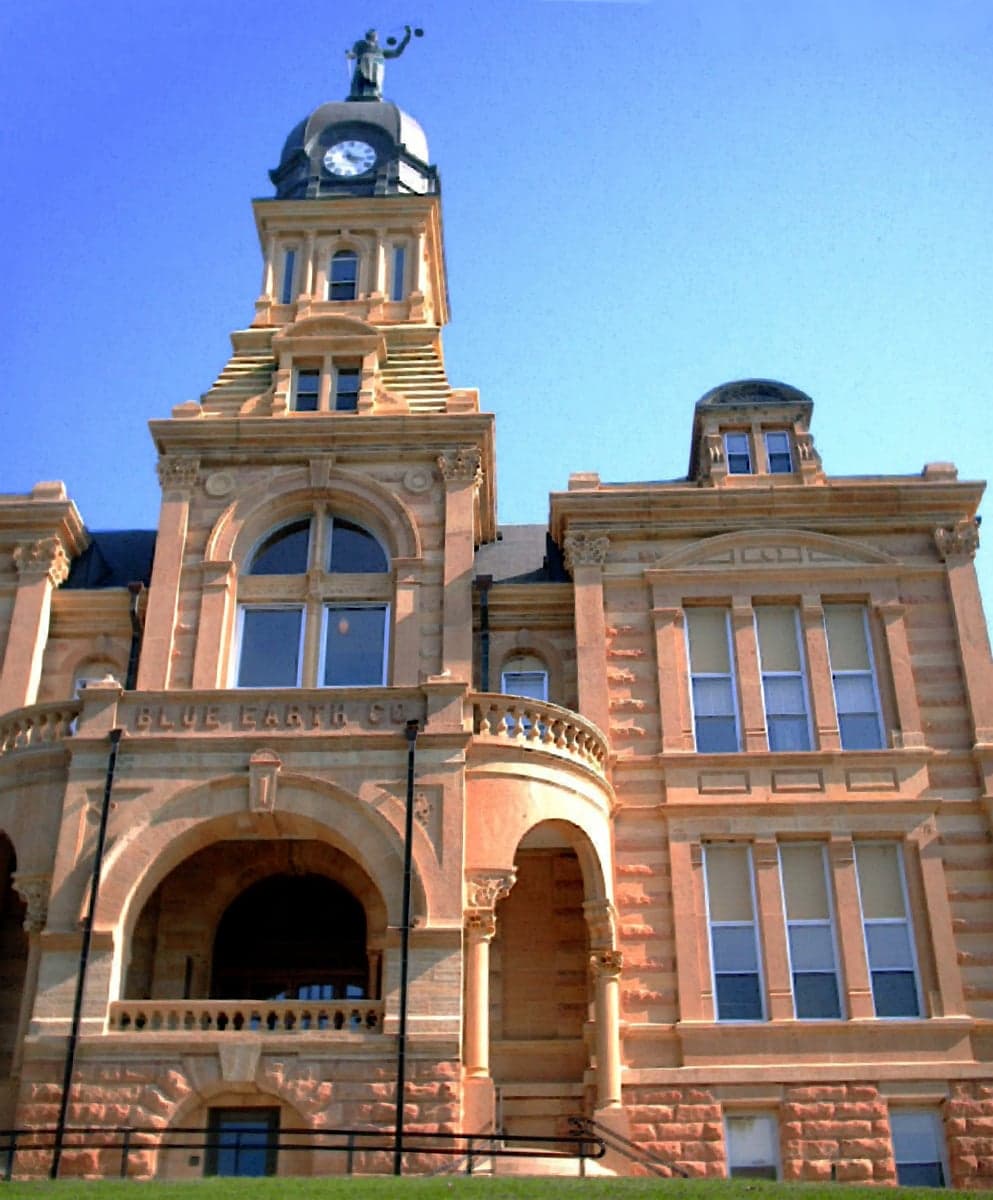
Photo: Wikipedia
Quality of Life in Blue Earth County
A livable area that tracks near national norms for affordability, walkability, and neighborhood health.
What does Quality of Life tell us?
Quality of Life measures an area by evaluating factors like cost of living, nearby amenities, country club access, airport proximity, socioeconomic signals and neighborhood character. For large states, this is a general average — quality of life can vary dramatically between metro areas, suburbs, and rural communities within the same state.
What does this tell us?
Quality of Life measures an area by evaluating factors like cost of living, nearby amenities, country club access, airport proximity, socioeconomic signals and neighborhood character. For large states, this is a general average — quality of life can vary dramatically between metro areas, suburbs, and rural communities within the same state.
Cost of Living
9% below national average
101%
The Real Cost of Living in Blue Earth County for 2026
| Tier | Individual | Family (4) |
|---|---|---|
| Survival | $17k | $32k |
| Comfortable | $49k | $72k |
| Luxury | $118k+ | $183k+ |
| Elite (Top 5%) | $139k+ | $215k+ |
Quality-of-Life Analysis
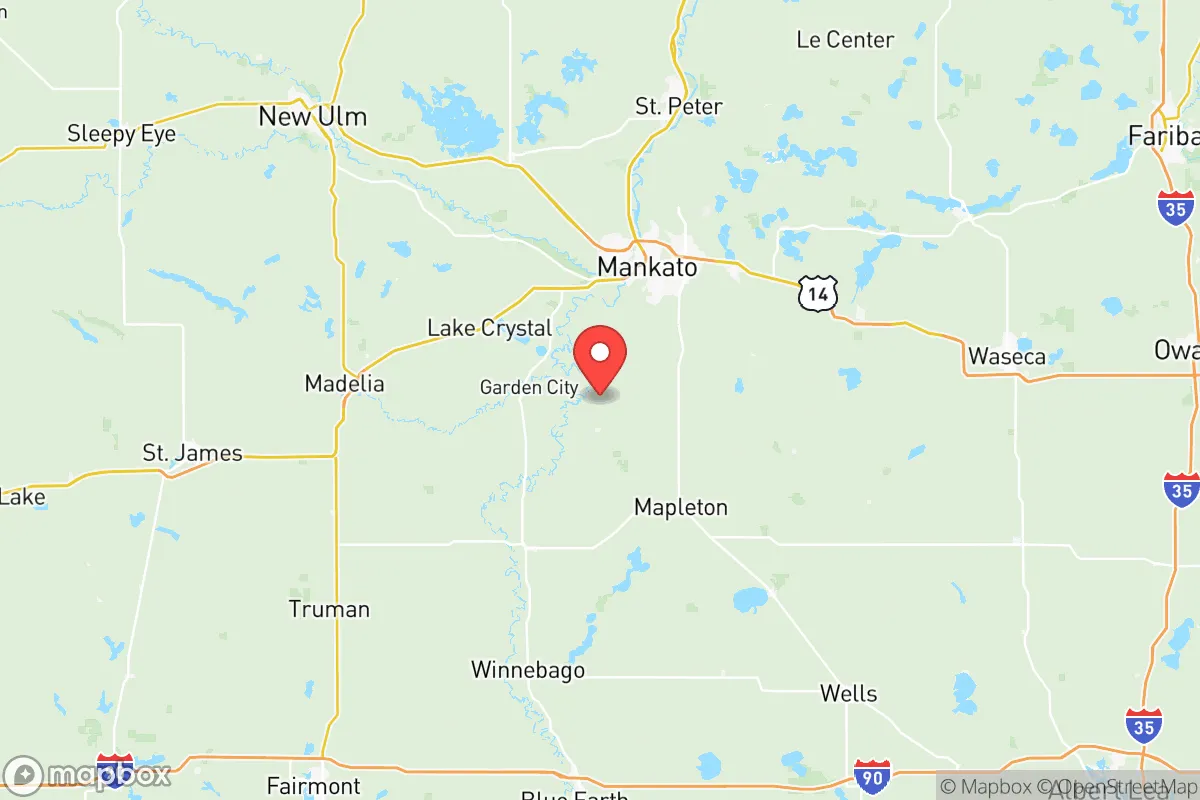
Blue Earth County offers a spectrum of living environments that range from the urban amenities of its largest city, Mankato, to the quiet, agricultural landscapes of towns like Mapleton and Amboy. The county’s character is defined by this contrast, drawing professionals and students to its population centers while attracting families, retirees, and agricultural workers to its smaller communities and rural pockets. With a cost of living index of 91 (well below the national average of 100), the county provides a financially accessible entry point to southern Minnesota, though the lifestyle and daily experience shift dramatically depending on where you choose to settle.
Largest town(s) & population centers
Mankato is the county’s undisputed hub, home to roughly 45,000 residents and the anchor of the region. Daily life here revolves around Minnesota State University, Mankato (MSU), which brings a youthful, college-town energy, and a robust healthcare sector anchored by Mayo Clinic Health System. The city offers a walkable downtown with restaurants, breweries, and the Riverfront Park system along the Minnesota River. Commute times average just 17 minutes countywide, and within Mankato itself, most errands are a short drive. The city also hosts the Verizon Wireless Center for concerts and events, and the Blue Earth County Library system provides strong public resources. For families, the Mankato Area Public Schools district is the largest in the county, with several elementary schools and two high schools (Mankato East and Mankato West). The adjacent city of North Mankato, technically in Nicollet County, functions as a seamless extension, with additional retail along Highway 169.
Smaller towns & rural pockets
Outside the Mankato metro, the county’s smaller communities offer a markedly quieter pace. Mapleton (pop. ~1,700) sits about 15 miles northwest of Mankato and is a classic small farm town with a grain elevator, a handful of local businesses, and a strong sense of community centered on the Mapleton Public Schools district. Lake Crystal (pop. ~2,500) is slightly larger, known for its namesake lake and the Lake Crystal Area Recreation Trail, which connects to the Sakatah Singing Hills State Trail. Amboy (pop. ~500) and Good Thunder (pop. ~600) are even smaller, with limited commercial services—residents typically drive to Mankato for groceries, healthcare, and most shopping. The unincorporated area of Vernon Center is a true rural crossroads, with a post office and a handful of homes surrounded by corn and soybean fields. These pockets are ideal for those seeking land, privacy, and a lower cost of housing, though they require a car for nearly every errand.
Cost & lifestyle range
The cost of living varies noticeably across the county. In Mankato, the median home value is $252,800, and median rent is $1,076, which is affordable compared to the Twin Cities but still the highest in the county. A newer three-bedroom home in a Mankato subdivision like Eagle Lake (a small city just east of Mankato) might list near $300,000, while a similar-sized home on a half-acre lot in rural Mapleton could be $220,000 or less. Rentals in Mankato are tighter, especially near MSU, where student housing drives demand; a one-bedroom apartment near campus often rents for $900–$1,100. In contrast, a two-bedroom rental in Amboy or Good Thunder might go for $700–$800. The lifestyle range is equally broad: Mankato offers dining, entertainment, and professional jobs, while the smaller towns provide quiet, low-traffic living with easy access to hunting, fishing, and snowmobiling. The county’s average commute of 17 minutes means even rural residents can reach Mankato’s amenities in under 30 minutes.
Blue Earth County is best suited for people who want a balance of small-city convenience and genuine rural affordability. Professionals and students thrive in Mankato’s mixed economy, while families and retirees find value and space in Mapleton, Lake Crystal, or Amboy. The county’s low cost of living, short commutes, and varied landscapes make it a practical choice for anyone seeking a lower-stress, lower-cost alternative to the Twin Cities without sacrificing access to healthcare, education, or recreation.

Crime in Blue Earth County
Generally safer than 62% of comparable U.S. locations.
Violent CrimeViolent Crime Analysis
Property CrimeProperty Crime Analysis
Crime Analysis
Blue Earth County, anchored by the city of Mankato, presents a mixed safety picture. The county's overall violent crime rate of 224.7 per 100,000 residents is notably lower than the national average, but its property crime rate of 1,423.2 per 100,000 is significantly higher, driven largely by theft and vehicle break-ins in the urban core. Residents in outlying towns like Lake Crystal and Mapleton generally report feeling safer than those in central Mankato, though no area is immune to property crime.
Crime in context
Blue Earth County's violent crime rate sits roughly 40% below the national average of 380 per 100,000, making it one of the safer counties in south-central Minnesota for violent offenses. However, its property crime rate is about 25% above the national average of 1,140 per 100,000. The disparity is stark: while a resident's chance of being a victim of violent crime is low, the likelihood of experiencing theft, burglary, or vandalism is elevated. Mankato, as the county seat and home to Minnesota State University, accounts for the majority of reported incidents. The surrounding towns of Eagle Lake and Madison Lake report far fewer property crimes per capita, reflecting their quieter, residential character.
What residents experience
For most residents, daily life in Blue Earth County does not involve violent encounters. The most common safety complaints involve vehicle break-ins and package theft, particularly near the Mankato State campus and downtown commercial corridors. The county's judicial system, overseen by the Fifth Judicial District, has seen a shift toward progressive policies in recent years. Blue Earth County's district attorney's office has emphasized diversion programs and reduced sentencing for nonviolent property offenders, a philosophy that critics argue contributes to repeat offenses and a revolving-door effect. This approach, while intended to reduce incarceration, has frustrated victims who see perpetrators back on the street quickly. In contrast, the more conservative-leaning townships and rural areas—such as St. Clair and Vernon Center—tend to have lower crime rates and less visible impact from these policies, as their smaller populations and tighter-knit communities naturally deter crime.
Neighborhood-level variation
Safety varies considerably within the county. The highest crime concentrations are in central Mankato, particularly around the Riverfront Drive and Madison Avenue corridors, where property crime is most frequent. The Hilltop neighborhood near the university sees elevated theft and occasional assaults. Conversely, the western suburbs of Mankato—including the North Mankato area—report significantly lower crime rates, as do the small towns of Good Thunder and Amboy. For those seeking the safest environments, the rural townships and villages offer the lowest crime rates, though they lack the amenities of Mankato. The progressive judicial philosophy in the county seat has not yet led to a surge in violent crime, but it has created a perception among some residents that property crime is not taken seriously enough, a concern that prospective movers should weigh when choosing a specific neighborhood.
* Values derived from national, state, county, city and local statistics and may differ in a specific area. Last updated: 2026-06-06T23:11:41.000Z
Narrative content on this page is AI-generated and may contain mistakes. Verify any details that matter before acting on them.
ReloMaps may earn a commission from affiliate links at no extra cost to you.

