Personal Sovereignty in Melissa, TX
Strong independent fundamentals that actively favor personal liberty and low regulation.
What does Personal Sovereignty tell us?
Personal Sovereignty measures your capacity for self-reliance and independence with minimal government friction. Higher scores mean fewer barriers between you and the way you want to live... but it assumes you have the space you need and good neighbors.
What does this tell us?
Personal Sovereignty measures your capacity for self-reliance and independence with minimal government friction. Higher scores mean fewer barriers between you and the way you want to live... but it assumes you have the space you need and good neighbors.
State Policy
Energy independence: Net exporter (220% of energy produced in-state)
Personal Liberty
Homesteading

Personal Liberty Analysis
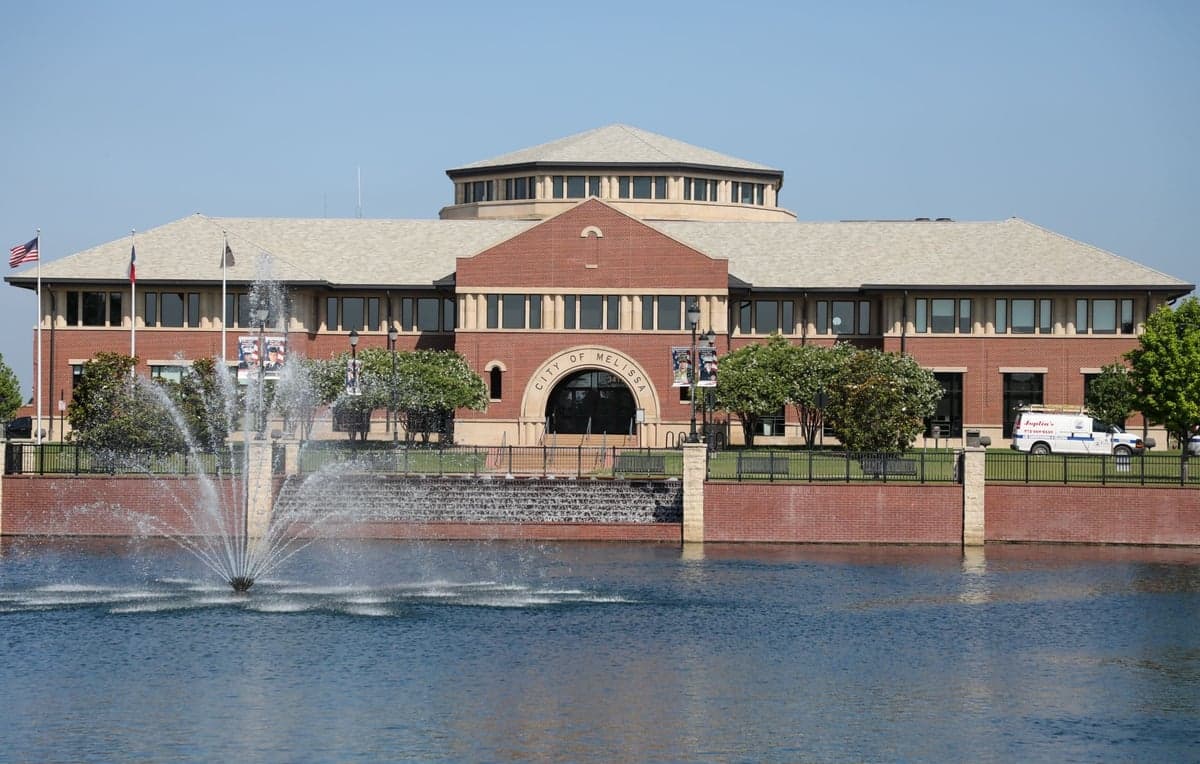
Melissa, Texas, offers a notably high degree of personal sovereignty for those prioritizing autonomy, self-reliance, and minimal government interference, making it a strong candidate for conservative singles and families who view expanding state power as a threat to liberty. Located in rapidly growing Collin County, the town benefits from Texas’s foundational legal framework—no state income tax, weak zoning in unincorporated areas, and some of the nation’s strongest protections for gun rights and parental authority. However, as a fast-developing suburb north of Dallas, Melissa is not a libertarian free-for-all; homeowners associations (HOAs) and municipal ordinances impose real constraints on property use, and the area’s explosive growth brings increasing regulatory pressure from county and state levels. For the survivalist or prepper mindset, the key question is whether Melissa’s advantages in tax burden, self-defense law, and homesteading potential outweigh the creeping encroachments of suburban governance and a state government that, while conservative, is not uniformly hands-off.
Tax burden and regulatory posture: How Texas’s fiscal framework protects your income and property
Texas’s absence of a state income tax is the single most powerful tool for preserving personal sovereignty here, allowing residents to keep 100% of their earned income and invest it in their own preparedness, land, or family needs. Melissa’s property tax rates are moderate for Collin County—typically around 2.3% to 2.6% of assessed value, which is higher than some rural Texas counties but lower than many suburban districts in the Dallas-Fort Worth metroplex. This tax burden funds local schools and infrastructure, but for the prepper, it represents a trade-off: you pay more for services you may not fully use, but you avoid the income tax that funds federal overreach. The state’s regulatory posture is generally light—no state-level building codes in unincorporated areas, minimal business licensing requirements, and no zoning in many rural parts of Collin County. However, Melissa itself has a municipal zoning code and enforces subdivision regulations, meaning you cannot simply build a bunker or run a home-based survival gear business without permits. For those seeking maximum regulatory freedom, the unincorporated areas just outside Melissa’s city limits—like parts of western Collin County—offer greater latitude, though they lack municipal services like police and water.
Self-defense and gun law specifics: What the Castle Doctrine and permitless carry mean for your safety
Texas’s gun laws are among the most permissive in the nation, and Melissa residents benefit directly from this framework. The state’s Castle Doctrine, codified in Penal Code §9.32, grants a legal presumption that a homeowner who uses deadly force against an intruder acted reasonably, with no duty to retreat inside the home or vehicle. This is a critical legal shield for the prepper who secures their property. Since 2021, Texas has allowed permitless carry (constitutional carry) for anyone 21 or older who can legally possess a firearm, meaning you can carry a handgun openly or concealed without a license—though a License to Carry (LTC) still offers reciprocity with other states and bypasses federal background checks for purchases. Collin County is a shall-issue jurisdiction for LTCs, with no discretionary denial by local sheriffs. For the survivalist, the practical reality is that Melissa is in a low-crime area (violent crime rates well below national averages), but the legal environment ensures you can defend yourself without fear of prosecution. One nuance: Texas law prohibits carrying firearms in certain locations (schools, government buildings, bars), and Melissa’s rapid growth means more businesses and public spaces may post 30.06 or 30.07 signage restricting carry. Still, the overall posture is strongly pro-self-defense, and local law enforcement in Collin County is generally supportive of gun rights.
Self-reliance and homesteading viability: Lot sizes, zoning, and off-grid feasibility in a growing suburb
Melissa’s original rural character is rapidly giving way to master-planned subdivisions, which limits traditional homesteading for most new residents. Typical lot sizes in newer developments like Trinity Falls or The Preserve range from 6,000 to 12,000 square feet—enough for a garden and small chicken coop, but not for livestock, substantial rainwater catchment, or a private well. HOAs in these communities often restrict outbuildings, solar panel placement, and even clotheslines, directly undermining self-reliance goals. For those serious about off-grid living, the better bet is to buy land in the unincorporated areas east or north of Melissa, where Collin County’s minimal zoning allows for larger parcels (1–10 acres) with fewer restrictions. Here, you can install septic systems, drill a well, and build without municipal permits, though you must still comply with state health and environmental regulations. The area’s climate—hot summers, occasional droughts—makes rainwater harvesting practical but not sufficient year-round without a large cistern. Solar is viable, with net metering available through local cooperatives like CoServ, but HOAs in subdivisions may ban visible panels. For the prepper, Melissa offers a compromise: you can live in a suburban home with good schools and low crime while maintaining a small garden and a well-stocked pantry, but true self-sufficiency requires moving outside the city limits.
Personal liberties: Parental rights, medical autonomy, speech, and property protections
Texas has enacted strong parental rights protections, including the 2023 law (HB 900) that requires public schools to notify parents of instructional materials and allows them to opt children out of certain content. Melissa’s school district, Melissa ISD, is known for conservative leadership and has not faced the kind of curriculum disputes seen in larger districts. For parents concerned about government overreach in education, this is a significant advantage. Medical autonomy is more mixed: Texas banned most abortions after six weeks (SB 8) and has no state-level vaccine mandates, but it also has a restrictive medical marijuana program (limited to low-THC oil for specific conditions) and no protections for experimental treatments. The state’s emergency powers during COVID-19 were controversial among conservatives, with some counties imposing mask mandates that were later struck down. On speech and property, Texas has strong protections: no state-level hate speech laws, no limits on political signage on private property (though HOAs can restrict them), and a robust property rights framework under the Texas Property Code. The Texas Constitution explicitly protects the right to “acquire, possess, and protect property,” and eminent domain is tightly regulated. For the survivalist, the biggest threat to personal sovereignty here is not state law but local governance—HOAs that can fine you for unapproved structures, and municipal ordinances that restrict everything from vehicle storage to noise levels. Choosing a property without an HOA or in unincorporated Collin County is the single most important decision for preserving autonomy.
Overall, Melissa ranks well above most U.S. suburbs for personal sovereignty, thanks to Texas’s no-income-tax, pro-gun, and parental-rights framework. But it is not a haven for the hardcore prepper seeking total independence from government and neighbors. The area’s rapid growth is bringing more regulation, higher property taxes, and HOA restrictions that chip away at individual freedom. For the conservative single or family who wants a safe, low-tax community with strong self-defense laws and the ability to garden and store supplies, Melissa is a solid choice—provided you buy outside an HOA and stay aware of municipal boundaries. For those seeking maximum sovereignty, the rural areas of Grayson or Fannin counties to the north offer larger lots, weaker zoning, and even lower taxes, but with fewer services and longer commutes. In the end, Melissa represents a pragmatic balance: enough liberty to live on your own terms, but not so much that you can ignore the growing footprint of suburban governance.

* Values derived from national, state, county, city and local statistics and may differ in a specific area. Last updated: 2026-05-11T19:35:58.000Z
Narrative content on this page is AI-generated and may contain mistakes. Verify any details that matter before acting on them.
ReloMaps may earn a commission from affiliate links at no extra cost to you.

