Photo: Wikipedia
Demographics of Meeteetse, WY
Affluence Level in Meeteetse, WY
A middle-class area roughly in line with national averages across income, home values, education, and employment.
People of Meeteetse, WY
The people of Meeteetse, Wyoming, today number just 661 residents, creating one of the most tightly-knit, low-density communities in the Big Horn Basin. The population is predominantly White (75.5%) with a significant Hispanic minority (18.3%) and a small Black community (5.0%), reflecting a mix of deep-rooted ranching families and newer arrivals drawn to the area's affordability and outdoor lifestyle. With no foreign-born residents and a college education rate of 30.1%, Meeteetse retains a distinctly rural, self-reliant character where generational ties to the land remain strong. The town's identity is shaped by its history as a cattle and sheep ranching hub, and today it offers a quiet, family-oriented alternative to the more tourist-heavy towns in Park County.
How the city was settled and grew
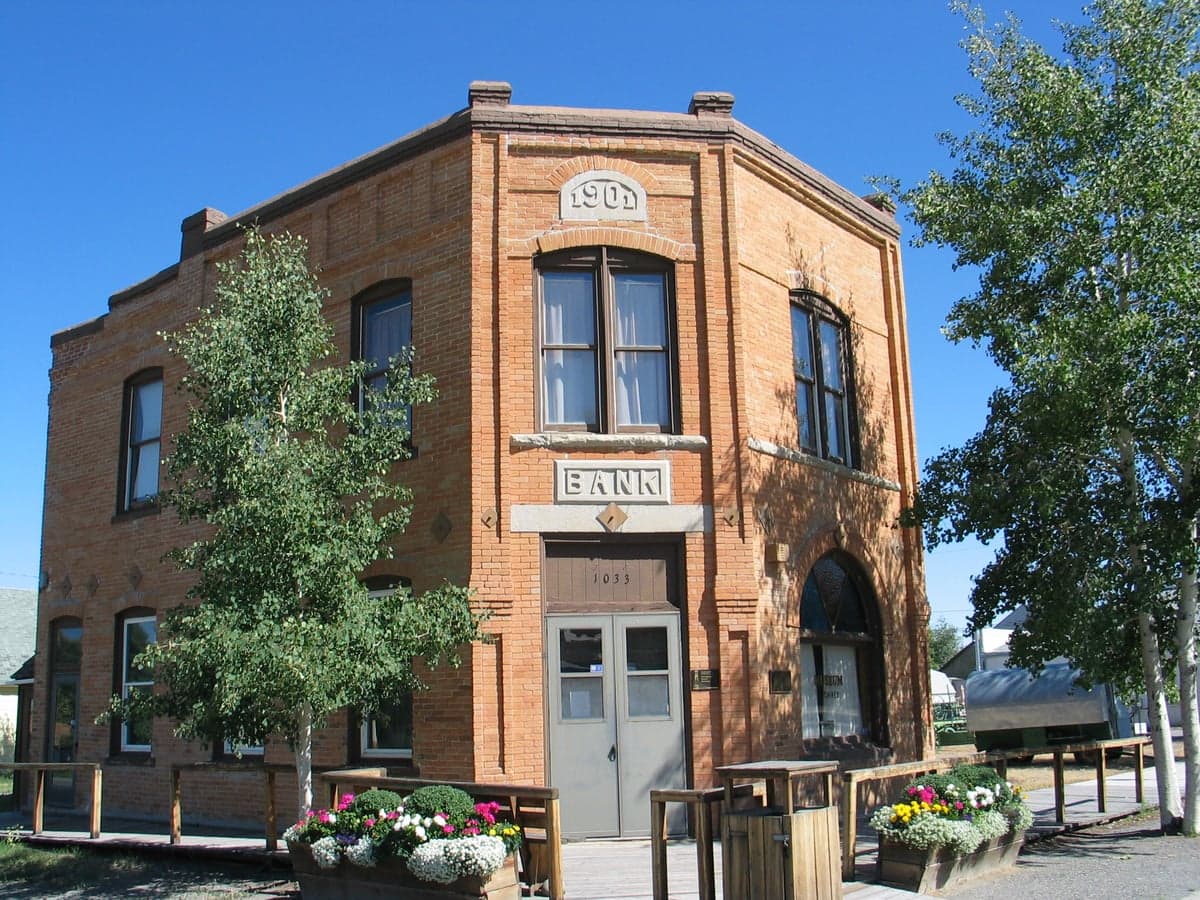
Meeteetse was founded in the late 1890s as a railroad stop along the Chicago, Burlington & Quincy line, serving the vast cattle and sheep ranches that spread across the Greybull River valley. The original settlers were predominantly Anglo-American ranchers and homesteaders drawn by the promise of open range and the arrival of the railroad in 1897. The town's first wave of growth centered around the Original Townsite, the historic core along Park Avenue and River Street, where wooden storefronts, a bank, and a hotel sprang up to serve the ranching economy. A second wave arrived in the 1910s and 1920s, when the U.S. government opened nearby land for dryland farming under the Homestead Act, drawing families from the Midwest and Great Plains. These homesteaders settled in the South Meeteetse area, south of the Greybull River, where small farms and scattered homes still dot the landscape. The town's population peaked at around 800 in the 1930s, then stabilized as the ranching industry consolidated and younger generations began moving to larger towns for work.
Modern era (post-1965)
After the 1965 Immigration and Nationality Act, Meeteetse saw virtually no international immigration, and its foreign-born population remains at 0.0% today. Instead, the town's demographic shifts have come from domestic in-migration and natural change. The most notable modern trend has been the growth of the Hispanic population, which now stands at 18.3%, up from negligible levels in the 1970s. This community largely arrived in the 1990s and 2000s, drawn by work on the region's cattle ranches and in the oil and gas fields of the Big Horn Basin. Many Hispanic families settled in the East Meeteetse neighborhood, a quieter residential area east of the railroad tracks, where modest single-family homes and mobile homes offer affordable entry points. The Black community, at 5.0%, is a smaller but established presence, with families primarily concentrated in the West Meeteetse area near the Greybull River, often employed in ranching or the local school system. The White population, while still the majority, has aged and shrunk slightly as younger adults leave for college and jobs in Cody (30 miles north) or Billings, Montana. The North Meeteetse subdivision, developed in the 1980s, attracted some returning families and retirees, but overall the town has seen little new construction or suburban-style growth.
The future
Meeteetse's population is projected to remain stable or decline slightly over the next 10-20 years, as the aging White cohort shrinks and the Hispanic community grows through higher birth rates. The town is becoming more diverse, but slowly: the Hispanic share could reach 25-30% by 2040, while the White share will likely fall below 70%. The Black population is expected to remain small, sustained by a few multi-generational families. New residents are most likely to settle in the South Meeteetse area, where land is cheaper and larger lots allow for hobby farms or small ranches. The Original Townsite will continue to see turnover as older homeowners sell to younger families, but the housing stock is limited and aging. Culturally, Meeteetse is evolving from a purely Anglo ranching town into a more bilingual, bicultural community, though the pace of change is slow enough that the town's core identity as a quiet, rural place is unlikely to shift dramatically. For someone moving in now, Meeteetse offers a stable, low-cost environment where neighbors know each other and the pace of life is dictated by the seasons and the land.
Meeteetse is becoming a slightly more diverse, slowly aging rural community where ranching roots remain central but a growing Hispanic population is reshaping the town's cultural fabric. For a family or individual seeking affordable land, a strong sense of community, and proximity to outdoor recreation in the Shoshone National Forest, it offers a genuine small-town Wyoming experience without the tourist crowds of Cody or Jackson. The trade-offs are limited job opportunities, few amenities, and a population that is unlikely to grow significantly in the coming decades.

* Values derived from national, state, county, city and local statistics and may differ in a specific area. Last updated: 2026-06-21T12:36:54.000Z
Narrative content on this page is AI-generated and may contain mistakes. Verify any details that matter before acting on them.
ReloMaps may earn a commission from affiliate links at no extra cost to you.

