
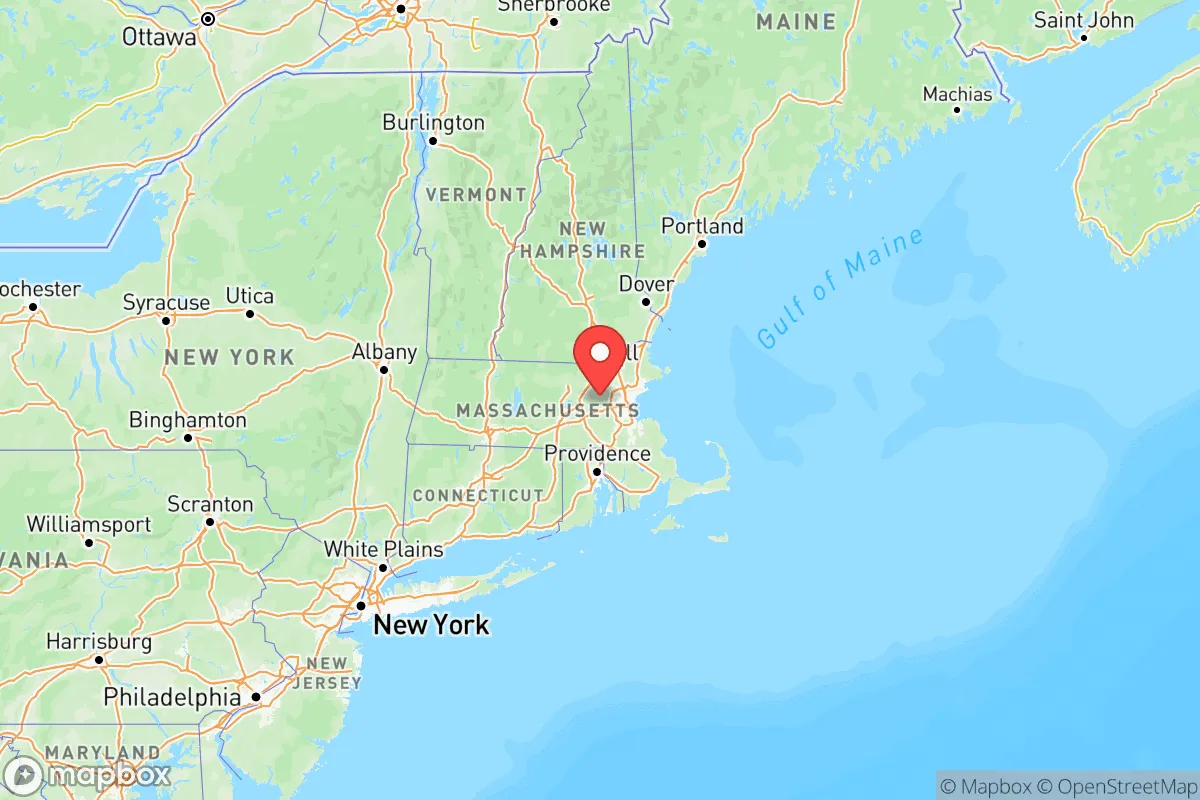
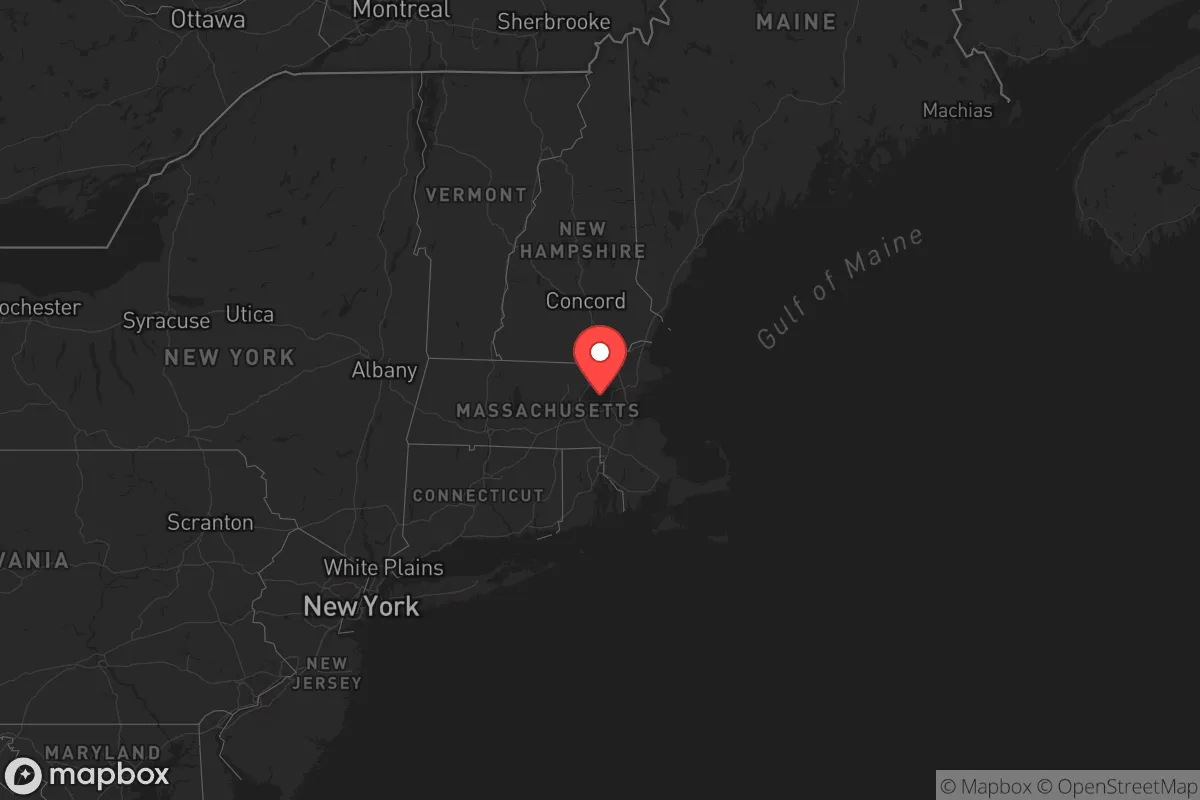
Photo: Wikipedia
Quality of Life in Massachusetts
A livable area that tracks near national norms for affordability, walkability, and neighborhood health.
What does Quality of Life tell us?
Quality of Life measures an area by evaluating factors like cost of living, nearby amenities, country club access, airport proximity, socioeconomic signals and neighborhood character. For large states, this is a general average — quality of life can vary dramatically between metro areas, suburbs, and rural communities within the same state.
What does this tell us?
Quality of Life measures an area by evaluating factors like cost of living, nearby amenities, country club access, airport proximity, socioeconomic signals and neighborhood character. For large states, this is a general average — quality of life can vary dramatically between metro areas, suburbs, and rural communities within the same state.
Cost of Living
62% above national average
67%
The Real Cost of Living in Massachusetts for 2026
| Tier | Individual | Family (4) |
|---|---|---|
| Survival | $27k | $51k |
| Comfortable | $102k | $150k |
| Luxury | $183k+ | $284k+ |
| Elite (Top 5%) | $235k+ | $364k+ |
Quality-of-Life Analysis
Massachusetts offers a remarkably broad spectrum of quality-of-life options, from dense, globally connected urban centers to quiet, forested rural towns. The state’s overall cost of living index of 162 (100 = U.S. average) and median home value of $525,800 reflect its high baseline, but the range of lifestyles available means that different tiers of the state attract very different kinds of residents. Urban professionals and students gravitate toward the innovation corridors of Boston and Cambridge, while families and remote workers seek more space and lower costs in the Pioneer Valley or the Berkshires. Retirees, artists, and outdoor enthusiasts often find their niche in the smaller cities and coastal towns that dot the state.
Major metros
If you’re looking for urban living, Massachusetts has two primary metropolitan anchors: Boston and Cambridge. Boston is the region’s economic and cultural engine, dominated by finance, healthcare, and technology sectors, with a dense, walkable core and a median commute of 29.3 minutes that is surprisingly manageable for a city its size. Cambridge, directly across the Charles River, is the intellectual heart of the state, home to Harvard University and MIT, and is defined by a mix of biotech labs, startup offices, and a vibrant, youthful energy. Together, these two cities form a continuous urban zone where the median rent of $1,687 is a baseline, not a ceiling—luxury studios in Back Bay or Kendall Square often exceed $3,000 per month. This tier attracts high-earning professionals, graduate students, and anyone who prioritizes career access and cultural density over space or affordability.
Mid-size cities & college towns
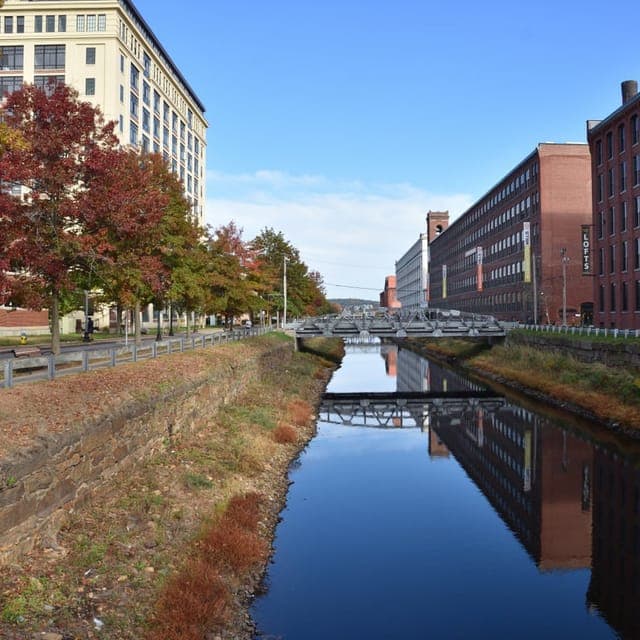
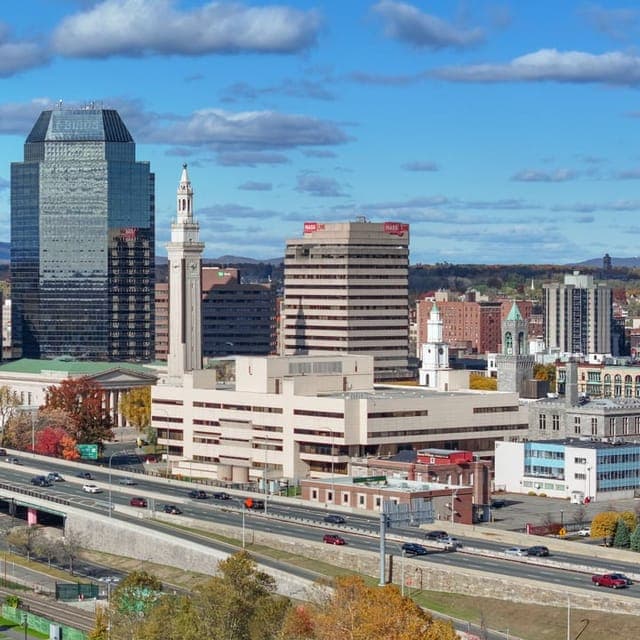
Beyond the Boston-Cambridge core, several mid-size cities and college towns offer a more balanced lifestyle. Worcester, the state’s second-largest city, has reinvented itself as a hub for healthcare and education, anchored by UMass Chan Medical School and a growing arts scene, with home prices roughly 30% lower than Boston’s median. Springfield, in the western part of the state, provides the most affordable urban option, with median home values often below $250,000, though it faces economic challenges that deter some buyers. Lowell and Lawrence, north of Boston, are historic mill cities with strong immigrant communities and improving downtowns, attracting first-time homebuyers and artists priced out of the metro core. Amherst and Northampton, in the Pioneer Valley, are classic college towns—Amherst is home to UMass Amherst, Amherst College, and Hampshire College, while Northampton offers a walkable downtown with independent shops and a strong LGBTQ+ community. These towns appeal to academics, creatives, and families seeking a progressive, small-city atmosphere with access to nature.
Small towns & rural areas
For those seeking a slower pace, Massachusetts has distinct rural regions. The Berkshires, in the far west, offer a landscape of rolling hills, forests, and cultural institutions like Tanglewood and the Clark Art Institute. Towns such as Stockbridge, Lenox, and Great Barrington are popular with second-home owners and retirees, while more affordable options exist in North Adams or Adams, where home values can fall below $200,000. On Cape Cod, towns like Wellfleet and Truro provide a seasonal, coastal lifestyle with high summer demand and quiet winters, though year-round services are limited. In central Massachusetts, towns like Sturbridge and Barre offer a mix of farmland and forest, appealing to families who want land and lower taxes but still need to commute to Worcester or Springfield. The rural tier is best suited for remote workers, retirees, and those who prioritize privacy, outdoor recreation, and a lower cost of living—though the trade-off is fewer jobs and longer drives to amenities.
Luxury vs. affordable living
The luxury tier in Massachusetts is concentrated in a few well-known enclaves. Newton, Wellesley, and Lexington, all within the Boston metro, feature median home values above $1 million, top-ranked public schools, and easy commutes into the city. Martha’s Vineyard and Nantucket are seasonal luxury destinations where summer rentals can exceed $10,000 per week, and year-round home prices are among the highest in the state. On the affordable end, Chicopee and Westfield, near Springfield, offer median home values around $250,000 and rents below $1,200, making them viable for first-time buyers and service workers. Fall River and New Bedford, on the South Coast, have historic housing stock at prices 40-50% below the state median, though they face higher crime rates and weaker school systems. Fitchburg and Leominster, north of Worcester, provide another affordable pocket, with home values in the $250,000-$350,000 range and access to commuter rail to Boston.
The practical reality is that Massachusetts is a state of stark trade-offs. High earners in Boston or Cambridge can afford the premium for walkability and career density, while families and remote workers can find more space in the Pioneer Valley or the Berkshires for roughly half the housing cost. The cost-of-living spread across the state is wide—from a median home value of $1.2 million in Newton to under $200,000 in North Adams—but the average commute of 29.3 minutes suggests that many residents are willing to pay or travel for the lifestyle they want. The key is matching your priorities: if you need a global city, you pay Boston prices; if you want land and quiet, the western half of the state delivers it at a fraction of the cost.

Crime in Massachusetts
Generally safer than 71% of comparable U.S. locations.
Violent CrimeViolent Crime Analysis
Property CrimeProperty Crime Analysis
Crime Analysis
Massachusetts is one of the safest states in the U.S. by violent crime metrics, with a statewide rate of 235.8 incidents per 100,000 residents — well below the national average of roughly 380 per 100,000. However, property crime remains a more pressing concern at 813.5 per 100,000, and safety varies dramatically depending on whether you are in a small rural town, a progressive urban center, or a conservative-leaning suburb. The state’s overall safety profile is heavily influenced by its dense, liberal-leaning metro areas, where progressive district attorneys and judicial policies have raised concerns about recidivism and public safety.
Crime in context
Massachusetts’ violent crime rate is roughly 38% lower than the national average, placing it among the safest states for violent offenses like homicide and aggravated assault. Property crime, however, runs close to the national median. The state’s low violent crime numbers are buoyed by extremely safe communities like Weston, Lexington, and Wellesley, where rates often fall below 50 per 100,000. In contrast, cities such as Springfield, Lawrence, and Brockton report violent crime rates two to three times the state average, driven by concentrated poverty and gang activity. The gap between the safest and most dangerous towns is among the widest in New England.
What residents experience
Daily life for most Massachusetts residents involves low risk of violent victimization, but property crime — particularly larceny from motor vehicles and package theft — is a routine nuisance in suburbs and cities alike. In liberal strongholds like Boston and Cambridge, progressive district attorneys have implemented policies that deprioritize prosecution for certain low-level property offenses and drug possession, leading to higher rates of repeat offending. For example, Suffolk County (Boston) and Middlesex County (Cambridge) have seen criticism for diversion programs that release repeat shoplifters and car-break-in offenders without meaningful consequences. Residents in these areas often report a sense that the justice system prioritizes offender rehabilitation over victim restitution, which can erode trust in public safety. In contrast, more conservative-leaning counties like Plymouth and Bristol maintain stricter enforcement, and residents there generally perceive lower property crime recidivism.
Neighborhood-level variation and judicial impact
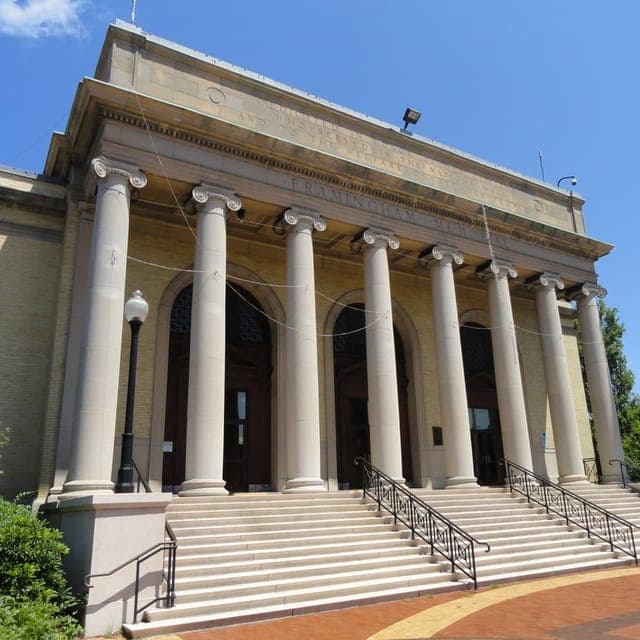
Within metro Boston, safety can shift block by block. Back Bay and Beacon Hill enjoy very low violent crime but still experience occasional smash-and-grab thefts. Dorchester and Roxbury have higher violent crime rates, though they have declined over the past decade. Outside the urban core, towns like Framingham and Worcester have seen property crime rise as progressive policies in neighboring counties create a “spillover” effect — offenders travel from lenient jurisdictions to target wealthier suburbs. The Berkshire County district attorney’s office has also faced scrutiny for declining to prosecute certain drug-related property crimes, contributing to a perception that rural western Massachusetts is less safe than its low violent crime numbers suggest. For prospective residents, the key takeaway is that neighborhood safety in Massachusetts is heavily influenced by local prosecutorial philosophy: areas with tough-on-crime DAs and judges tend to have lower property crime recidivism, while progressive jurisdictions often see higher repeat offense rates despite lower initial violent crime numbers.
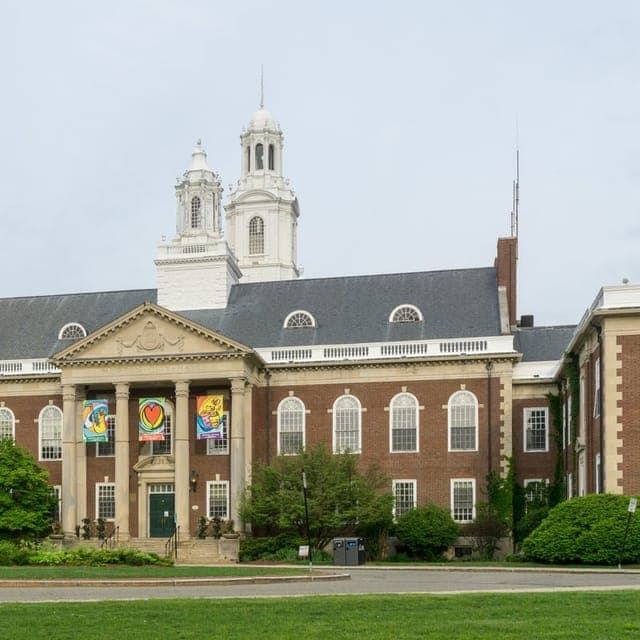
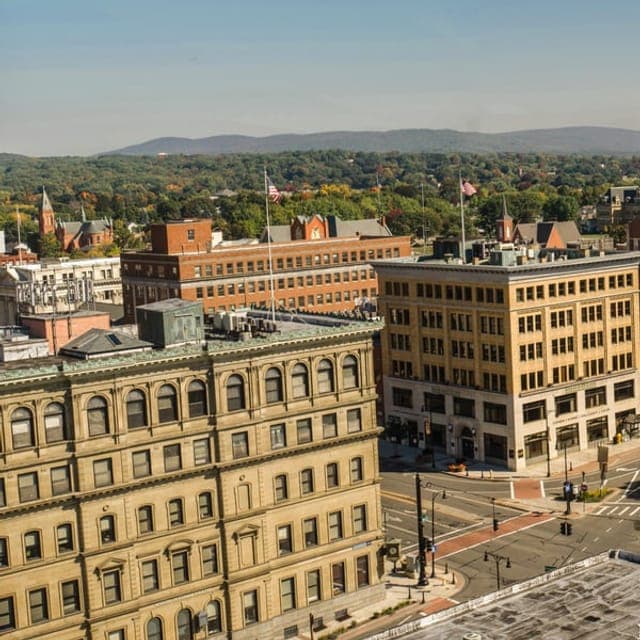
Top Cities for Quality of Life in Massachusetts



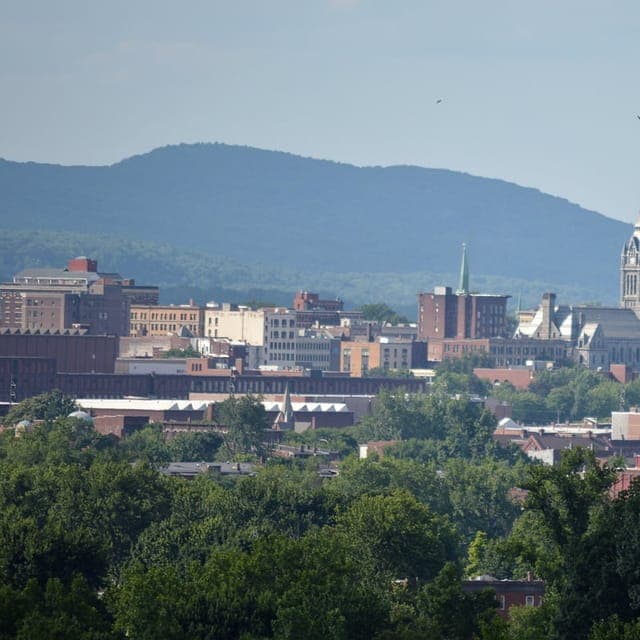
* Values derived from national, state, county, city and local statistics and may differ in a specific area. Last updated: 2026-04-18T22:53:10.000Z
Narrative content on this page is AI-generated and may contain mistakes. Verify any details that matter before acting on them.
ReloMaps may earn a commission from affiliate links at no extra cost to you.

