Photo: Wikipedia
Quality of Life in Madison, VA
A high quality of life with strong walkability, manageable living costs, healthy neighborhood signals, and solid amenity access.
What does Quality of Life tell us?
Quality of Life blends cost of living, nearby amenities, socioeconomic signals, and neighborhood character. City-level scores represent the whole municipality; individual neighborhoods can differ.
What does this tell us?
Quality of Life blends cost of living, nearby amenities, socioeconomic signals, and neighborhood character. City-level scores represent the whole municipality; individual neighborhoods can differ.
Cost of Living
5% below national average
The Real Cost of Living in Madison, VA for 2026
| Tier | Individual | Family (4) |
|---|---|---|
| Survival | $16k | $30k |
| Comfortable | $52k | $77k |
| Luxury | $77k+ | $119k+ |
| Elite (Top 5%) | $90k+ | $140k+ |
61%
The Area Signal
A metric tracking the socioeconomic signals of the area.
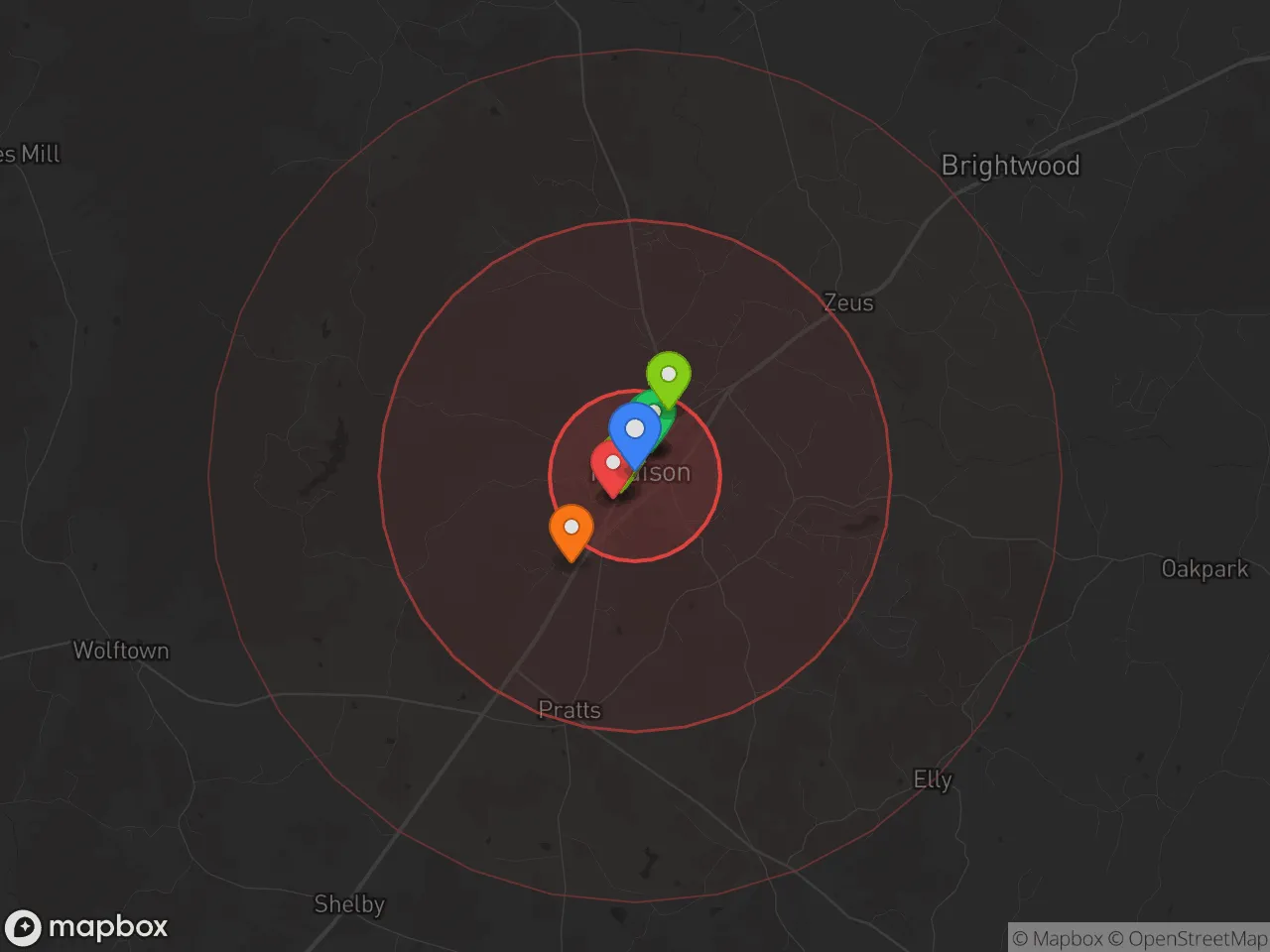
Hobbies
Explore the areaGroceries
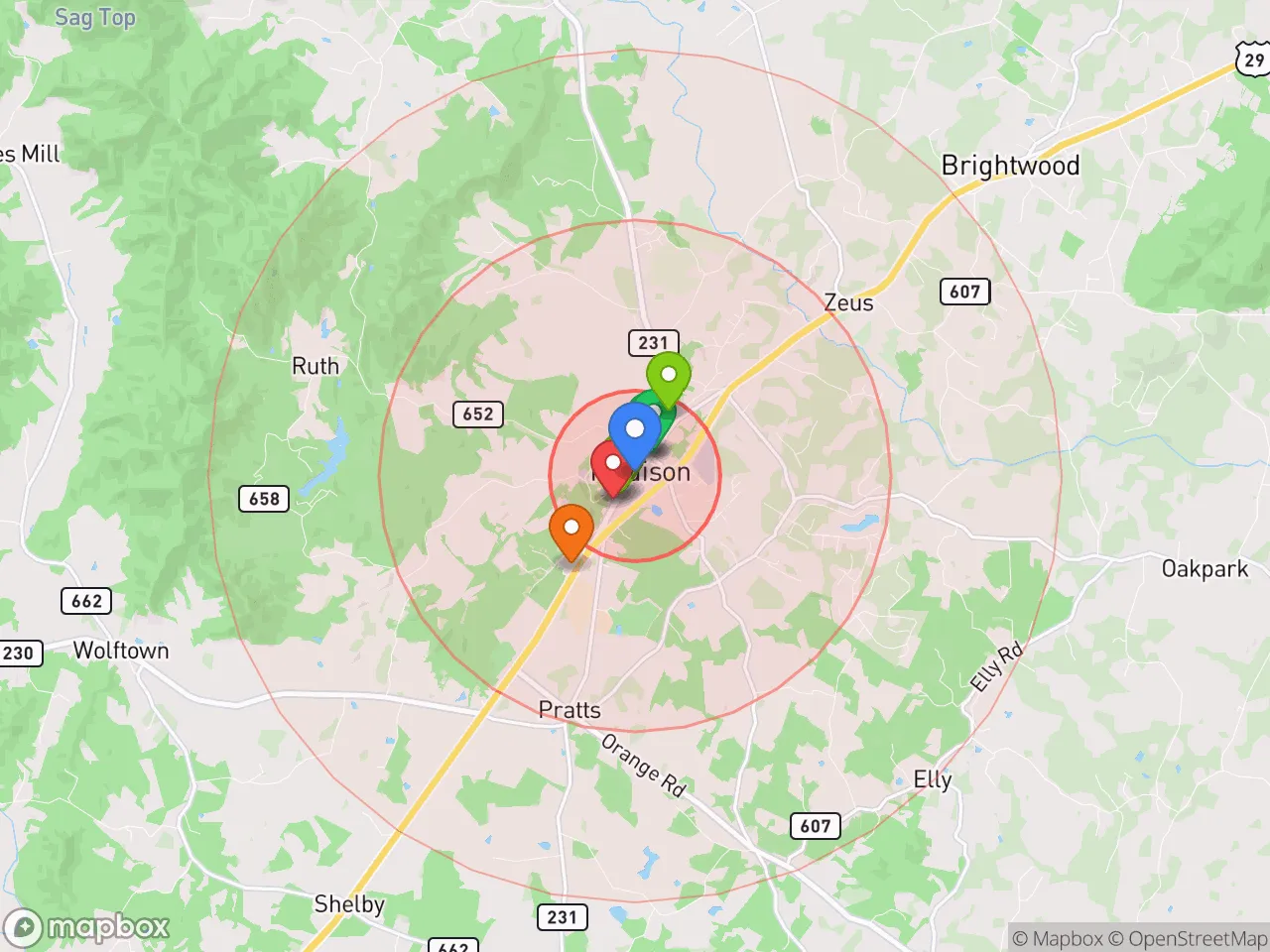
0 within 10 miles
Gas
0 within 10 miles
Hospital
0 within 20 miles
Airport
IAD — Washington Dulles International
Post Office
Critical Amenities
Quality-of-Life Analysis
Madison, Virginia, presents a quality of life defined by quiet affluence and rural character, attracting a mix of long-standing farming families, second-home owners from the Washington D.C. metro area, and retirees seeking the Blue Ridge foothills. With a cost of living index of 95—5% below the national average—the town offers a tangible financial advantage over nearby Charlottesville (index ~105) and the D.C. suburbs (index ~140+), yet its median home value of $312,500 and median rent of $986 reflect a market that has steadily appreciated as out-of-area buyers discover the area's pastoral landscapes and low property taxes.
Cost of living, housing affordability, and how Madison compares to nearby towns
Madison's housing market remains one of the most accessible in the Piedmont region for buyers seeking acreage. The median home value of $312,500 is roughly $100,000 less than the median in Charlottesville (about $415,000) and less than half the median in Warrenton or Culpeper. Renters also benefit: the median rent of $986 is well below the state average of $1,450, making Madison a practical choice for remote workers or early retirees on fixed incomes. However, inventory is tight—typically fewer than 30 homes for sale at any time—and properties under $300,000 often sell within two weeks. The average commute of 27.6 minutes reflects the reality that many residents drive to Culpeper (20 min), Charlottesville (40 min), or even northern Virginia (75+ min) for work, trading daily travel for lower housing costs and larger lots.
Local amenities, schools, and what daily life actually feels like
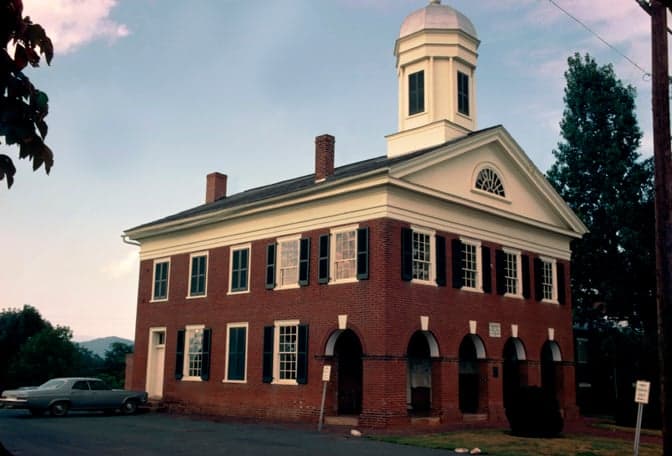
Daily life in Madison centers on the compact downtown square, anchored by the historic Madison County Courthouse and a handful of locally owned businesses—the Madison Inn, a hardware store, and a farm-to-table restaurant. For groceries and chain retail, residents drive 15 minutes to Culpeper or 30 minutes to the Hollymead Town Center in northern Charlottesville. The town's public schools, part of Madison County Public Schools, serve roughly 1,800 students and earn a 6/10 rating on GreatSchools, with Madison County High School offering dual-enrollment programs through Piedmont Virginia Community College. Outdoor amenities define the area: Shenandoah National Park's Whiteoak Canyon entrance is 20 minutes west, and the Rapidan River provides trout fishing and swimming holes. The rhythm is slow—farmers' markets operate seasonally, community events like the Madison County Fair draw crowds in August, and most commercial activity winds down by 8 p.m.
Who thrives in Madison and who should look elsewhere
Madison best suits buyers who prioritize space, quiet, and a lower cost of entry over urban convenience and cultural density. Retirees and remote workers with a tolerance for a 25- to 40-minute drive to major services will find the trade-off worthwhile. Families should be aware that while the schools are solid, advanced coursework and extracurricular variety are limited compared to larger districts in Albemarle or Fauquier counties. Those who need walkable amenities, frequent public transit, or a vibrant nightlife will likely feel isolated. For anyone seeking a foothold in the Blue Ridge region without the premium prices of Crozet or Staunton, Madison offers a genuine small-town alternative where a $312,500 home still comes with a view of the mountains.

Crime in Madison, VA
Generally safer than 60% of comparable U.S. locations.
Violent CrimeViolent Crime Analysis
Property CrimeProperty Crime Analysis
Crime Analysis
Madison, Virginia, presents a mixed safety profile that demands careful consideration from potential residents. The town's violent crime rate of 211.1 incidents per 100,000 residents is notably lower than the national average, but its property crime rate of 1,395.4 per 100,000 significantly exceeds both state and national benchmarks. This combination creates a situation where residents generally feel safe from violent confrontations but face elevated risks of theft, burglary, and vandalism.
Crime in context
Madison's violent crime rate sits well below the U.S. average of roughly 380 per 100,000, placing it in a safer tier for personal safety. However, the property crime rate is approximately 30% higher than the national average and roughly double the Virginia state average. This disparity is common in small towns near larger metropolitan areas like Madison, which sits about 30 miles north of Charlottesville. The proximity to a larger urban center can introduce property crime pressures that smaller local police forces may struggle to contain. Readers should be aware that Madison falls within the jurisdiction of the 16th Judicial Circuit, which covers Madison County. While local prosecutors in this circuit have not adopted the most progressive policies seen in major cities, the broader regional trend in Virginia toward more lenient sentencing and pretrial release practices is a concern. Such ideological shifts in the justice system, while well-intentioned toward offenders, can result in more criminals returning to the streets sooner, directly undermining public safety and victim justice.
What residents experience
Daily life in Madison for most residents involves a low likelihood of experiencing violent crime. The chance of becoming a victim of a violent offense is about 1 in 474, compared to roughly 1 in 220 nationally. However, the property crime risk is more tangible. Residents report that vehicle break-ins, theft from porches, and burglaries of unoccupied homes are the most common concerns. The chance of property crime victimization is approximately 1 in 72, meaning a typical neighborhood block can expect one or two incidents annually. Local law enforcement, the Madison Police Department, is small but responsive, though coverage can be thin during overnight hours. The town's rural character means many homes are set back from roads, which can create opportunities for thieves operating with relative anonymity.
Neighborhood-level variation in Madison is significant. The historic downtown core, centered around Main Street and the courthouse, benefits from higher foot traffic and police presence, resulting in lower crime rates. In contrast, the outskirts and rural subdivisions along routes 29 and 231 experience more property crime, particularly theft from vehicles and sheds. Newer developments near the Madison County High School area have seen a slight uptick in juvenile-related vandalism and theft. For those considering relocation, homes with visible security systems, good street lighting, and active neighborhood watch participation offer the best protection. Properties with long, secluded driveways or those backing onto wooded areas warrant extra caution and potentially private security measures.
* Values derived from national, state, county, city and local statistics and may differ in a specific area. Last updated: 2026-11-23T12:57:01.000Z
Narrative content on this page is AI-generated and may contain mistakes. Verify any details that matter before acting on them.
ReloMaps may earn a commission from affiliate links at no extra cost to you.

