Photo: Wikipedia
Quality of Life in Tangipahoa County
A livable area that tracks near national norms for affordability, walkability, and neighborhood health.
What does Quality of Life tell us?
Quality of Life measures an area by evaluating factors like cost of living, nearby amenities, country club access, airport proximity, socioeconomic signals and neighborhood character. For large states, this is a general average — quality of life can vary dramatically between metro areas, suburbs, and rural communities within the same state.
What does this tell us?
Quality of Life measures an area by evaluating factors like cost of living, nearby amenities, country club access, airport proximity, socioeconomic signals and neighborhood character. For large states, this is a general average — quality of life can vary dramatically between metro areas, suburbs, and rural communities within the same state.
Cost of Living
21% below national average
98%
The Real Cost of Living in Tangipahoa County for 2026
| Tier | Individual | Family (4) |
|---|---|---|
| Survival | $16k | $29k |
| Comfortable | $40k | $58k |
| Luxury | $103k+ | $160k+ |
| Elite (Top 5%) | $131k+ | $203k+ |
Quality-of-Life Analysis
Tangipahoa County (officially Tangipahoa Parish) offers a broad quality-of-life spectrum that stretches from college-town energy and antique-district charm to deep-rural quiet and agricultural living. The parish’s character shifts noticeably as you move from the I-12 corridor through the piney hills and into the bottomland farms, attracting different types of residents: commuters who work in Baton Rouge or New Orleans, students and faculty at Southeastern Louisiana University, retirees seeking low property taxes, and families who want acreage without sacrificing proximity to a regional hospital or grocery store. With a cost-of-living index of 79 (100 is the U.S. average), a median home value of $204,600, and a median rent of $974, Tangipahoa remains one of Louisiana’s more affordable parishes while still offering distinct lifestyle choices across its geography.
Largest town(s) & population centers
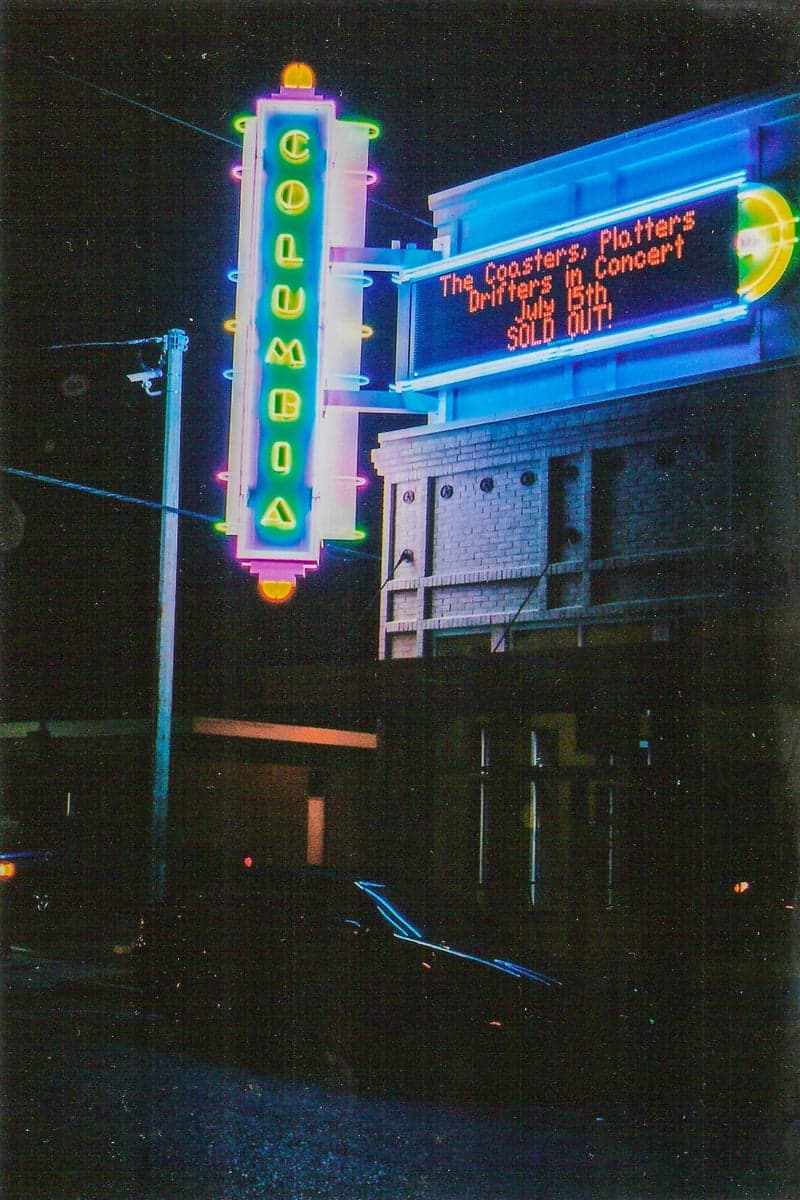
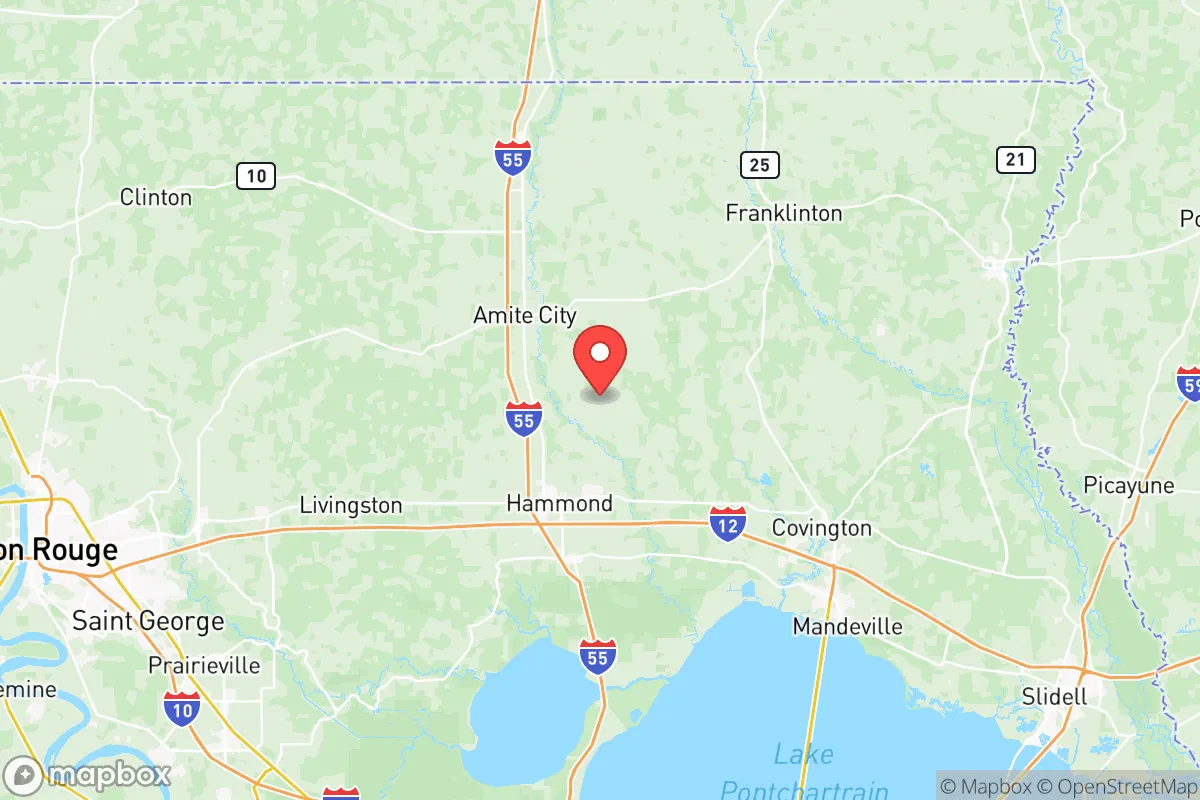
Hammond is the parish’s economic and cultural hub, home to roughly 20,000 residents and the main campus of Southeastern Louisiana University. Daily life here revolves around the university calendar—football games, concerts at the Columbia Theatre, and a steady stream of students filling coffee shops and restaurants along Thomas Street. Hammond also serves as the region’s retail anchor, with the Hammond Square Mall and a dense cluster of big-box stores along I-12. Commute times average 29.5 minutes, partly because many residents drive to jobs in Baton Rouge (45 minutes west) or even the New Orleans metro (an hour east). Ponchatoula, about 10 miles east, is known for its historic downtown antique district and the annual Strawberry Festival. Life here is slower-paced than Hammond, with a walkable main street, a weekly farmers market, and a strong sense of small-town identity. Amite City, the parish seat, is smaller (around 4,000 people) and more government-focused; its daily rhythm centers on the courthouse, local diners, and the nearby Tangipahoa River.
Smaller towns & rural pockets
Beyond the three main towns, Tangipahoa contains a string of smaller communities that offer distinctly different lifestyles. Kentwood, near the Mississippi line, is a quiet railroad town known for its water tower and proximity to the state line; it attracts residents who want a low-cost, low-tax base and don’t mind a longer drive to Hammond (about 25 minutes) for shopping and healthcare. Independence, with its strong Italian-American heritage, holds the annual Italian Festival and feels like a self-contained village with a few family-owned groceries and a post office. Roseland and Tickfaw are unincorporated communities where housing is often cheaper and lots are larger—many homes sit on half-acre to two-acre parcels. Further south, Loranger and Husser are deeply rural, with scattered subdivisions amid pine forests and farmland; these areas appeal to people who want privacy, space, and a gravel-road lifestyle, though they sacrifice access to high-speed internet and same-day package delivery.
Cost & lifestyle range
The cost-of-living spread across Tangipahoa is real but not extreme. At the higher end, Hammond’s newer subdivisions near I-12—such as those off Wardline Road or near the university—push home values above the parish median of $204,600, with some homes in the $300,000–$400,000 range. Rent in Hammond also runs above the parish median of $974, especially for apartments close to campus. At the lower end, rural areas like Kentwood, Roseland, and Loranger offer home prices well below the parish median—many three-bedroom houses sell for $120,000–$160,000—and rents can dip below $700 for older units. Property taxes are uniformly low across the parish (Tangipahoa’s effective rate is roughly 0.5% of assessed value), but utility costs and car insurance are higher in the rural pockets because of longer distances to service centers. Amenities also vary: Hammond has a full-service hospital (North Oaks Medical Center), multiple grocery chains, and a movie theater; Ponchatoula has a smaller clinic and a limited grocery selection; rural areas often rely on a single gas station or a 20-minute drive to the nearest pharmacy.
Tangipahoa County works best for people who value affordability and want to choose their level of connectedness. College-town energy and job access draw professionals and students to Hammond; antique-shop charm and walkability attract retirees and weekenders to Ponchatoula; deep quiet and cheap land pull homesteaders and remote workers to Kentwood, Loranger, and the rural eastern half of the parish. The 29.5-minute average commute reflects the fact that many residents are willing to drive a bit farther for lower housing costs—a trade-off that defines life across this diverse parish.

Crime in Tangipahoa County
Crime rates similar to the national median for U.S. locations.
Violent CrimeViolent Crime Analysis
Property CrimeProperty Crime Analysis
Crime Analysis
Tangipahoa County, Louisiana, reports a violent crime rate of 362.7 incidents per 100,000 residents and a property crime rate of 1,450 per 100,000, placing it below the state average for both categories but near the national median for violent offenses. The county's safety picture is uneven, with the city of Hammond — the largest population center and home to Southeastern Louisiana University — accounting for a disproportionate share of reported incidents, while smaller towns like Ponchatoula and Kentwood experience notably lower crime volumes. The 21st Judicial District Court, which prosecutes all felony cases in Tangipahoa, has drawn scrutiny from conservative watchdogs for sentencing patterns that critics argue prioritize rehabilitation over public safety, a concern amplified by the district's progressive-leaning bench in recent years.
Crime in context
Tangipahoa's violent crime rate of 362.7 per 100,000 is roughly 35% lower than the Louisiana state average of 560 per 100,000, a gap driven largely by the absence of the kind of concentrated urban violence seen in Baton Rouge or New Orleans. Property crime at 1,450 per 100,000 also sits well below the state figure of approximately 2,500 per 100,000. However, when compared to the national violent crime rate of roughly 380 per 100,000, Tangipahoa is essentially at parity — meaning a resident faces about the same statistical risk of violent victimization as the average American, despite living in a state with the highest per-capita murder rate in the country. The county's overall crime index is elevated primarily by larceny and motor vehicle theft in the Hammond-Ponchatoula corridor, where transient populations and student activity create more opportunity for property offenses.
What residents experience
Daily life in Tangipahoa varies sharply by jurisdiction. Hammond consistently reports the highest raw crime numbers, with the Hammond Police Department handling multiple aggravated assaults and burglaries each week, many connected to disputes near the university district or along the I-12 corridor. Ponchatoula, by contrast, benefits from a tightly patrolled historic downtown and a lower population density, resulting in a violent crime rate roughly half of Hammond's. Amite City, the county seat, sees moderate property crime but few violent incidents, while the rural communities of Tickfaw and Loranger report only occasional thefts from vehicles and sheds. Residents in unincorporated areas often rely on the Tangipahoa Parish Sheriff's Office, which maintains a visible patrol presence but covers vast stretches of farmland and pine forest where response times can exceed 20 minutes. The progressive tilt of the 21st Judicial District's elected prosecutors has become a local flashpoint: critics point to plea deals that reduce felony charges to misdemeanors for repeat property offenders, a pattern that some residents believe emboldens criminals in the Hammond area and undermines the deterrent effect of incarceration.
Neighborhood-level safety data reveals a clear east-west divide. Areas west of I-55, including Kentwood and Roseland, report violent crime rates below 200 per 100,000, reflecting their small populations and strong community ties. East of I-55, the Hammond-Ponchatoula-Independence triangle sees elevated crime, particularly in apartment complexes near the university and along US-190. Prospective residents should examine block-level crime maps for Hammond's Ward 3 and Ward 4, where the majority of the county's aggravated assaults and burglaries are concentrated. The safest neighborhoods in Tangipahoa are generally found in the bedroom communities of Ponchatoula's historic district and the newer subdivisions south of I-12 near the St. Tammany Parish line, where property values are higher and police coverage is more consistent.
* Values derived from national, state, county, city and local statistics and may differ in a specific area. Last updated: 2026-09-29T18:28:21.000Z
Narrative content on this page is AI-generated and may contain mistakes. Verify any details that matter before acting on them.
ReloMaps may earn a commission from affiliate links at no extra cost to you.

