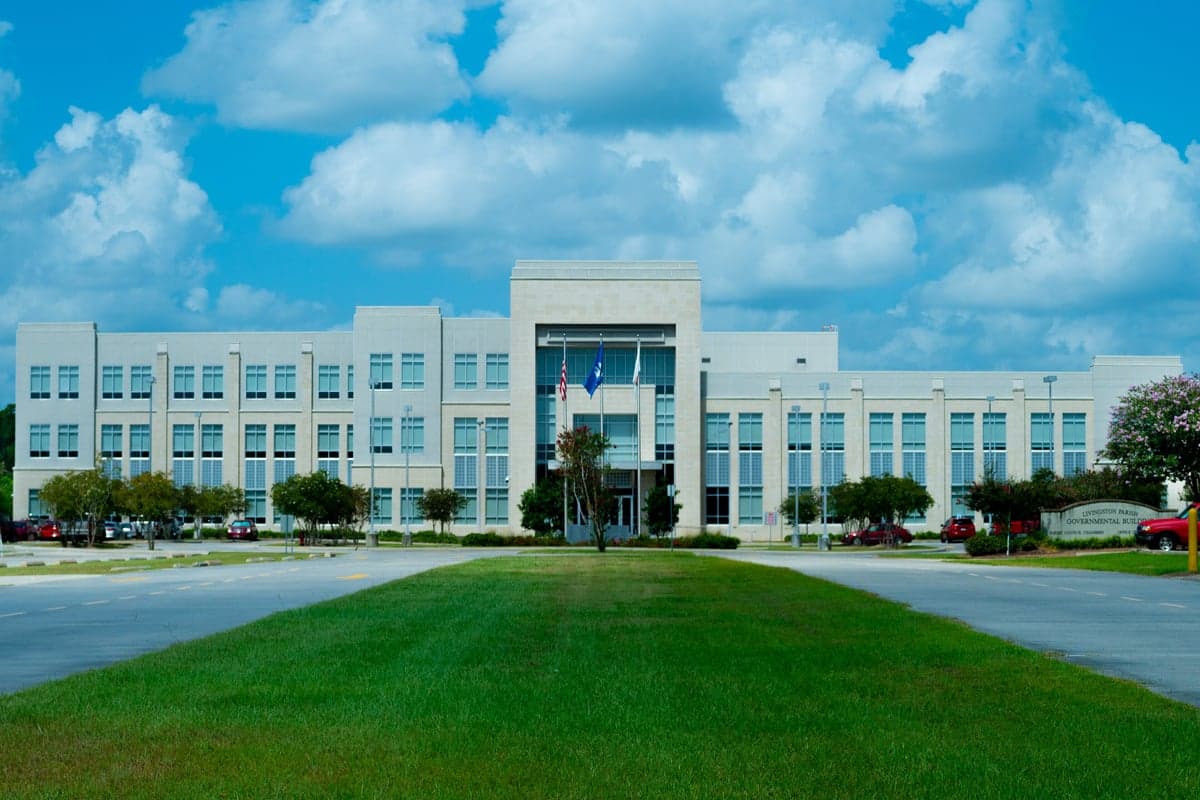
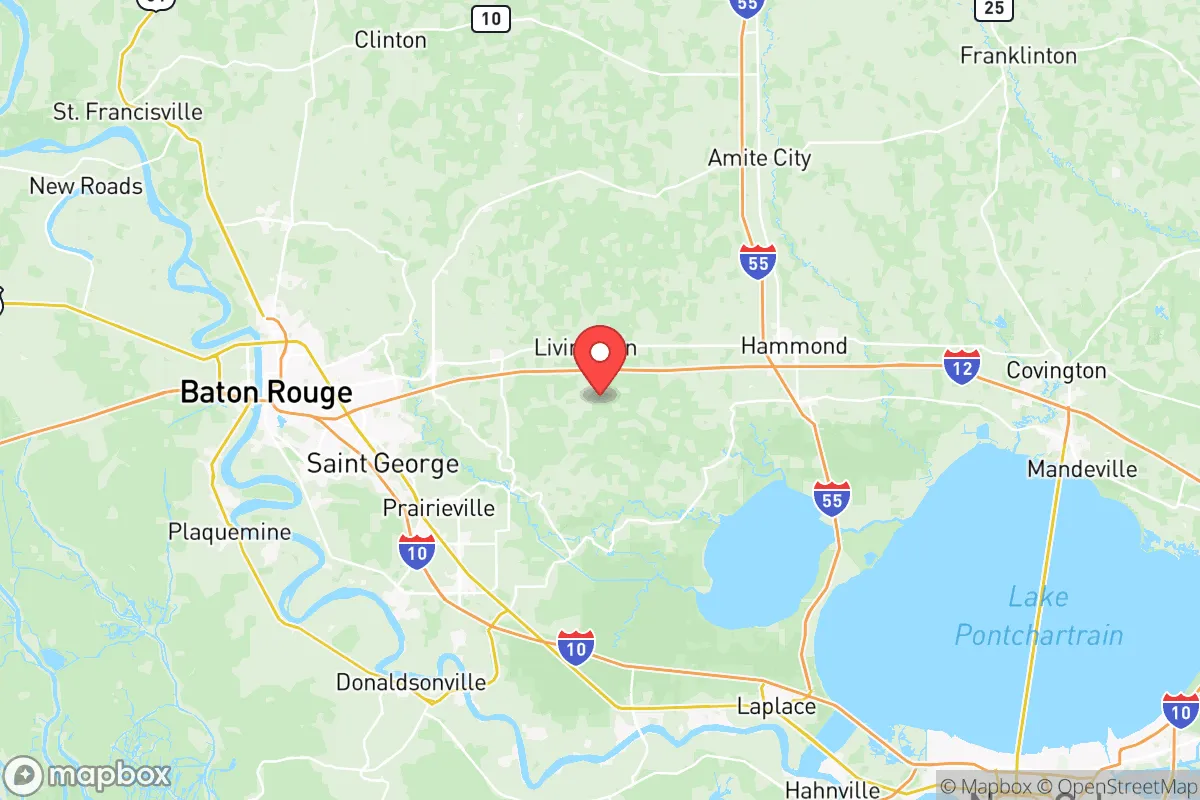
Photo: Wikipedia
Quality of Life in Livingston County
A livable area that tracks near national norms for affordability, walkability, and neighborhood health.
What does Quality of Life tell us?
Quality of Life measures an area by evaluating factors like cost of living, nearby amenities, country club access, airport proximity, socioeconomic signals and neighborhood character. For large states, this is a general average — quality of life can vary dramatically between metro areas, suburbs, and rural communities within the same state.
What does this tell us?
Quality of Life measures an area by evaluating factors like cost of living, nearby amenities, country club access, airport proximity, socioeconomic signals and neighborhood character. For large states, this is a general average — quality of life can vary dramatically between metro areas, suburbs, and rural communities within the same state.
Cost of Living
12% below national average
126%
The Real Cost of Living in Livingston County for 2026
| Tier | Individual | Family (4) |
|---|---|---|
| Survival | $18k | $33k |
| Comfortable | $43k | $63k |
| Luxury | $109k+ | $169k+ |
| Elite (Top 5%) | $128k+ | $198k+ |
Quality-of-Life Analysis
Livingston Parish, Louisiana, offers a quality-of-life spectrum that ranges from the suburban convenience of its largest town, Denham Springs, to the quiet, rural character of communities like Walker, Springfield, and unincorporated areas such as Killian and Port Vincent. The county attracts a diverse mix of residents: Baton Rouge commuters seeking affordable housing and good schools, families looking for small-town safety, and those who want acreage and a slower pace without sacrificing access to the capital region. With a cost-of-living index of 88 (12% below the national average), a median home value of $218,900, and a median rent of $1,102, the parish delivers significant financial breathing room, though the trade-off is an average commute of 34 minutes to employment centers.
Largest town(s) & population centers
Denham Springs is the parish's commercial and population hub, home to roughly 10,000 residents and the primary retail corridor along Interstate 12. Daily life here is distinctly suburban: residents have access to big-box stores, chain restaurants, the Tanger Outlets, and the historic Antique Village on the Amite River. The city's school system is a major draw, with Denham Springs High School and several top-rated elementary schools consistently performing above state averages. Walker, the second-largest town with about 6,500 residents, offers a quieter suburban feel with newer subdivisions and its own school cluster, including Walker High School. Both towns are seeing steady new-home construction, particularly in the $200,000–$300,000 range, which aligns closely with the parish's median home value of $218,900. For renters, the median rent of $1,102 is notably lower than Baton Rouge's average, making these towns attractive for young families and first-time buyers.
Smaller towns & rural pockets
South of I-12, the parish transitions into smaller communities and unincorporated areas that offer a markedly different lifestyle. Springfield (population ~500) sits on the Natalbany River and feels like a traditional Louisiana small town, with a historic downtown, a local grocery, and easy access to the Tickfaw State Park. Killian, an unincorporated community along the Tickfaw River, is popular among those seeking waterfront property and larger lots, often with direct boat access to Lake Maurepas. Port Vincent, another unincorporated village on the Amite River, is a haven for fishing and kayaking enthusiasts, with a tiny population and no commercial development to speak of. French Settlement, further south, retains a strong Cajun cultural identity and is one of the most affordable places in the parish to buy land. These areas lack the retail and dining options of Denham Springs but offer privacy, space, and a connection to the region's natural waterways that suburban developments cannot match.
Cost & lifestyle range
The cost-of-living spread across Livingston Parish is narrower than in many metro-area counties, but meaningful differences exist. At the higher end, newer subdivisions in Denham Springs and Walker command prices above the parish median, with some homes in the Gray's Creek and South Park neighborhoods exceeding $350,000. These areas offer sidewalks, homeowners' associations, and proximity to I-12, but also carry higher property taxes and stricter zoning. At the lower end, Springfield and French Settlement offer median home values well below $200,000, with many older homes and mobile homes on acreage available for under $150,000. Renters find the best deals in Walker and the unincorporated areas south of Denham Springs, where two-bedroom apartments and rental houses often fall below the parish median of $1,102. The trade-off is clear: residents in the southern part of the parish face longer commutes—often 40–50 minutes to Baton Rouge—and fewer nearby amenities, but gain lower housing costs and more land. The average parish-wide commute of 34 minutes reflects this split, with northern residents closer to I-12 and southern residents spending more time on two-lane highways like LA-22 and LA-441.
Livingston Parish is best suited for those who prioritize affordability, space, and community safety over urban nightlife and walkability. Families who value strong public schools and a short drive to Baton Rouge will find Denham Springs and Walker ideal. Outdoor enthusiasts, hunters, and anglers will gravitate toward the river communities of Killian, Port Vincent, and French Settlement. Commuters willing to trade 30–50 minutes of drive time for a median home value $100,000 below the national average will find the parish's mix of suburban convenience and rural quiet a compelling balance.

Crime in Livingston County
Crime rates similar to the national median for U.S. locations.
Violent CrimeViolent Crime Analysis
Property CrimeProperty Crime Analysis
Crime Analysis
Livingston County, Louisiana, presents a mixed safety profile for prospective residents. The county's violent crime rate of 362.3 incidents per 100,000 people and property crime rate of 1,448.6 per 100,000 place it in a middle tier compared to both state and national averages. While not as dangerous as some neighboring parishes, the data signals that crime is a tangible concern, particularly in unincorporated areas and smaller towns where law enforcement resources are spread thin.
Crime in context
Livingston County's violent crime rate is slightly below the Louisiana state average but remains elevated relative to the national median. The property crime rate, however, tracks closely with the state figure, reflecting regional challenges with theft and burglary. For context, nearby East Baton Rouge Parish posts significantly higher violent crime numbers, while smaller parishes like Tangipahoa show comparable property crime levels. The presence of progressive district attorneys in larger metro areas such as Baton Rouge and New Orleans has been linked to softer sentencing and higher recidivism, a dynamic that does not directly govern Livingston County but influences regional crime patterns as offenders move between jurisdictions. Livingston Parish itself operates under a more traditional law-and-order judicial philosophy, which helps keep its rates from climbing to the levels seen in more urban, liberal-leaning parishes.
What residents experience
Residents in Livingston Parish most frequently encounter property crimes—vehicle break-ins, residential burglaries, and theft from sheds or outbuildings—rather than violent confrontations. The towns of Denham Springs and Walker report the bulk of the county's crime incidents, largely due to their higher population density and commercial corridors. Livingston, the parish seat, experiences fewer incidents but is not immune to occasional burglaries. Springfield and Killian, smaller communities with lower traffic, tend to see the least crime. The parish's rural character means that many homes are isolated, making them attractive targets for thieves who operate quickly and move to neighboring parishes. Law enforcement response times can vary significantly between the sheriff's office and municipal police departments, with the unincorporated areas often waiting longer for patrol units.
Neighborhood-level variation
Safety in Livingston County is not uniform. The southern portion near the Amite River and areas along Interstate 12 see more transient crime, including drug-related offenses and theft from vehicles at truck stops and retail centers. In contrast, the northern and eastern rural stretches—around Holden and Port Vincent—report very low crime rates, with violent incidents being rare. Gated subdivisions and newer developments in Denham Springs' western edge offer a buffer against property crime, while older neighborhoods closer to the town center experience more break-ins. Prospective residents should research specific subdivisions and ask local sheriff's deputies about recent activity, as block-level data often reveals pockets where crime is concentrated. Overall, Livingston County offers a safer alternative to the Baton Rouge metro core, but vigilance is warranted, especially in areas with easy highway access.
* Values derived from national, state, county, city and local statistics and may differ in a specific area. Last updated: 2026-08-08T17:10:30.000Z
Narrative content on this page is AI-generated and may contain mistakes. Verify any details that matter before acting on them.
ReloMaps may earn a commission from affiliate links at no extra cost to you.

