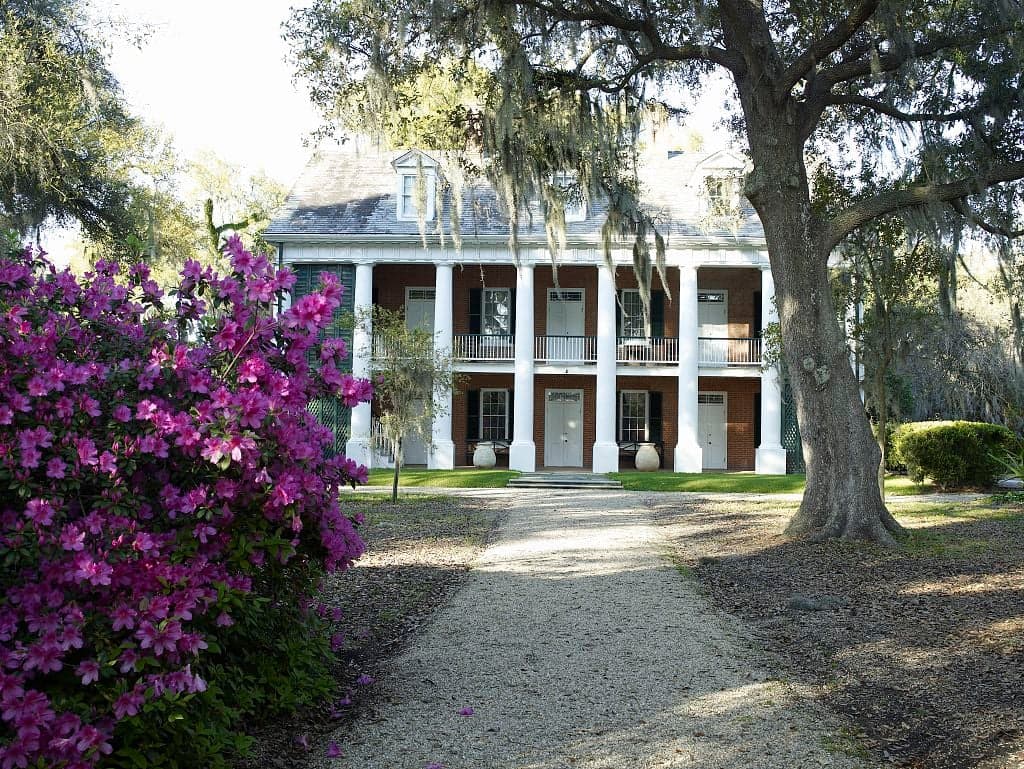
Photo: Wikipedia
Demographics of Iberia County
Affluence Level in Iberia County
A below-average socioeconomic profile. Incomes, home values, and educational attainment trail the U.S., with higher poverty and unemployment.
People of Iberia County
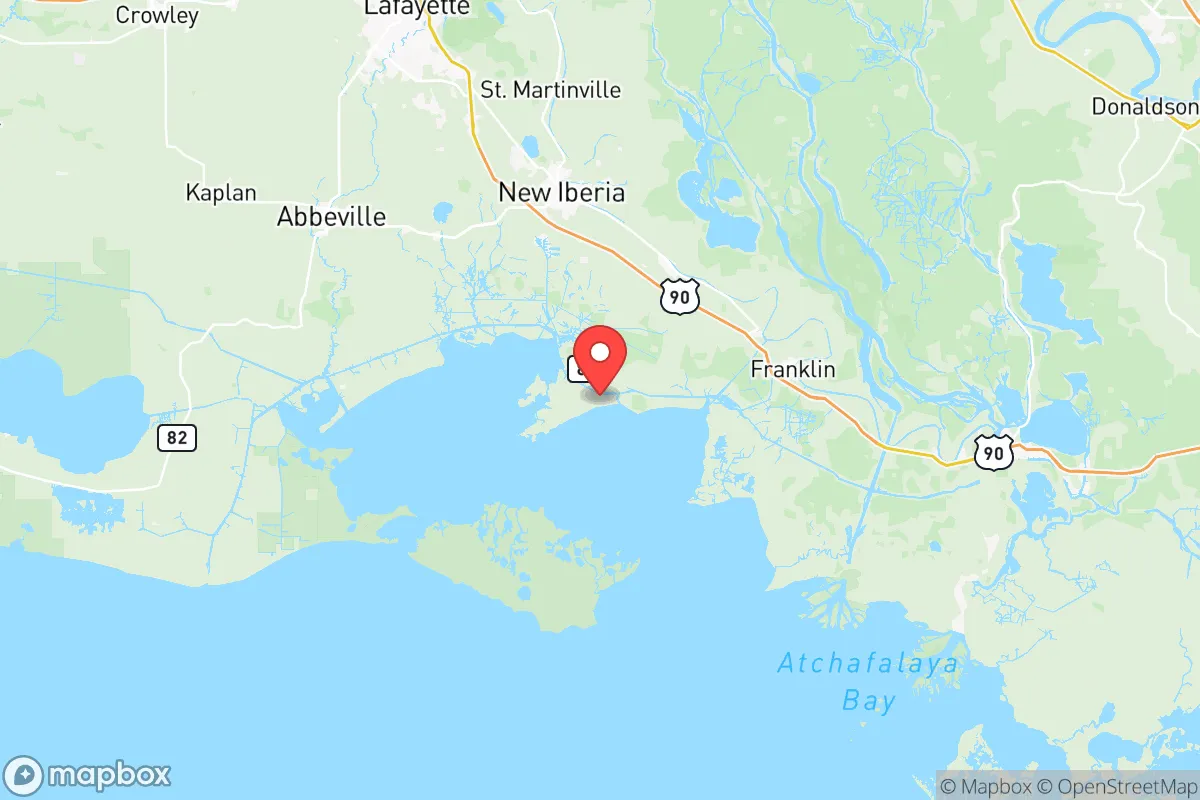
The people of Iberia Parish, Louisiana, today number 48,455 and form a community defined by its deep-rooted Cajun and Creole heritage, a significant Black population, and a growing Hispanic presence. This is a region where the rhythms of the Bayou Teche and the legacy of the sugar cane industry still shape daily life, creating a distinct cultural identity that is both insular and welcoming. With a low foreign-born population of just 3.0% and a college attainment rate of 13.1%, the parish remains a place where family history and local tradition often outweigh demographic change. The population is concentrated in the parish seat of New Iberia, the historic town of Loreauville, and the smaller communities of Jeanerette and Delcambre, each with its own unique character rooted in the area's complex past.
Settlement & growth (pre-1960)
Long before European arrival, the area now known as Iberia Parish was home to the Chitimacha and Atakapa peoples, who lived along the bayous and Gulf Coast for thousands of years. The Chitimacha, in particular, maintained a strong presence in the region, and their descendants remain in Louisiana today, though their population within the parish is now very small. French and Spanish colonizers began arriving in the 18th century, but the foundational settlement of the area did not truly begin until after the Louisiana Purchase in 1803.
The single most defining event in Iberia Parish's human history was the arrival of Acadian exiles (Cajuns) in the late 18th and early 19th centuries. Deported by the British from Acadia (present-day Nova Scotia) starting in 1755, many of these French-speaking refugees eventually made their way to south Louisiana. They found the swampy, bayou-laced landscape of the Teche region familiar and hospitable, and they established small farms and fishing villages along the water. The town of New Iberia, founded in 1779 by Spanish colonists but quickly populated by Acadians, became the cultural and economic heart of this new Cajun homeland. The Acadian influence remains the dominant cultural force in the parish today, visible in the French dialect still spoken by some elders, the music, and the cuisine.
Alongside the Acadians, another group was forcibly brought to the region: enslaved Africans and their descendants. The sugar cane plantations that dominated the parish's economy in the 19th century were built on enslaved labor. After the Civil War and emancipation, many freedmen remained in the area as sharecroppers and laborers, forming the foundation of the parish's substantial Black community. Towns like Loreauville and Jeanerette developed significant African American populations, and the cultural contributions of this community—from zydeco music to Creole cuisine—are inseparable from the parish's identity. The parish's current population is 28.9% Black, a direct legacy of this plantation-era history.
The 20th century brought smaller but notable waves of immigration. A small number of Italian immigrants arrived in the late 1800s and early 1900s, many finding work in the fishing and seafood industries along the Gulf Coast, particularly in the coastal community of Delcambre. A few Lebanese and Syrian families also settled in New Iberia, establishing themselves in the mercantile and grocery trades. However, these groups were never large enough to fundamentally alter the parish's demographic character. The oil and gas boom of the mid-20th century brought some domestic migrants from Texas and other parts of Louisiana, but the parish's population remained overwhelmingly native-born, white (Cajun and Creole), and Black.
Modern era (post-1965)
The post-1965 era, marked by the Hart-Cellar Act, has had a much more muted effect on Iberia Parish than on the rest of the United States. The parish's foreign-born population remains very low at just 3.0%, and the vast majority of that small number are from Latin America. The most significant demographic shift in the modern era has been the growth of the Hispanic population, which now stands at 9.4%. This growth is driven primarily by immigration from Mexico and Central America, with many individuals finding work in the parish's agricultural sector, particularly in sugar cane farming and related industries, as well as in construction and the oil and gas service industry. This new Hispanic community is most visible in New Iberia, where a small but growing number of Hispanic-owned businesses and Spanish-language services have emerged.
In contrast to national trends, the parish has seen very little growth from East/Southeast Asian communities (1.3%) or from immigrants from the Indian subcontinent (0.0%). The parish's Asian population is small and largely consists of a few families who have been in the area for generations, often operating restaurants or small businesses. The domestic migration patterns that have reshaped much of the Sun Belt—the influx of retirees, tech workers, and remote employees—have largely bypassed Iberia Parish. The parish's economy, still heavily reliant on agriculture, oil and gas, and a struggling manufacturing base, has not attracted the same level of in-migration as cities like Lafayette or Baton Rouge. As a result, the parish has experienced population stagnation and even slight decline in recent decades, with the 2020 census showing a drop from the 2010 count.
Suburbanization within the parish has been limited. While there has been some development of new subdivisions on the outskirts of New Iberia, the parish lacks the sprawling exurbs seen in other parts of the state. The small towns of Jeanerette and Delcambre have seen population declines as younger residents move to larger cities for employment and educational opportunities. The parish's cultural identity remains strongly tied to its Cajun and Creole roots, but this identity is increasingly a matter of heritage and tourism rather than daily lived experience for many younger residents, who are more likely to speak English as a first language and consume mainstream American culture.
The future
The demographic future of Iberia Parish points toward a slow, gradual diversification, but the pace of change will likely remain far slower than in the rest of the country. The Hispanic population is expected to continue growing, both through immigration and higher birth rates, potentially reaching 15-20% of the parish's population within the next two decades. This growth will be most concentrated in New Iberia and in the agricultural areas surrounding the parish. The Black population is projected to remain stable as a share of the total, while the white (non-Hispanic) population will likely continue its slow decline due to an aging demographic and out-migration of younger adults.
The parish is not expected to attract significant numbers of new immigrants from Asia or the Indian subcontinent, as there are no existing enclaves or industries to draw them. The biggest wildcard for the future is the potential for economic revitalization. If the region can successfully diversify its economy beyond oil and gas and agriculture—perhaps by leveraging its unique Cajun culture for tourism or attracting new manufacturing—it could see a reversal of its population decline. However, the low college attainment rate (13.1%) presents a significant barrier to attracting knowledge-economy jobs and the young, educated workers who fill them.
Culturally, the parish will likely become more bilingual, with Spanish joining French and English in the local linguistic landscape. The core Cajun and Creole identity will persist, but it will increasingly be a shared heritage that includes newer residents, rather than an exclusive ethnic marker. The challenge for the parish will be to integrate its growing Hispanic community while preserving the unique cultural traditions that make Iberia Parish distinct.
For someone moving to Iberia Parish now, the area offers a deeply rooted, family-oriented community with a strong sense of place and a slower pace of life. It is not a place of rapid change or booming growth, but rather a stable, traditional Southern community where history is still very much alive. The low cost of living and strong social bonds are significant draws, but the limited economic opportunities and low educational attainment levels are real considerations. The parish is becoming slightly more diverse, but it remains, at its core, a Cajun and Creole stronghold where newcomers are welcomed if they respect the local culture and traditions.

* Values derived from national, state, county, city and local statistics and may differ in a specific area. Last updated: 2026-07-04T01:47:37.000Z
Narrative content on this page is AI-generated and may contain mistakes. Verify any details that matter before acting on them.
ReloMaps may earn a commission from affiliate links at no extra cost to you.

