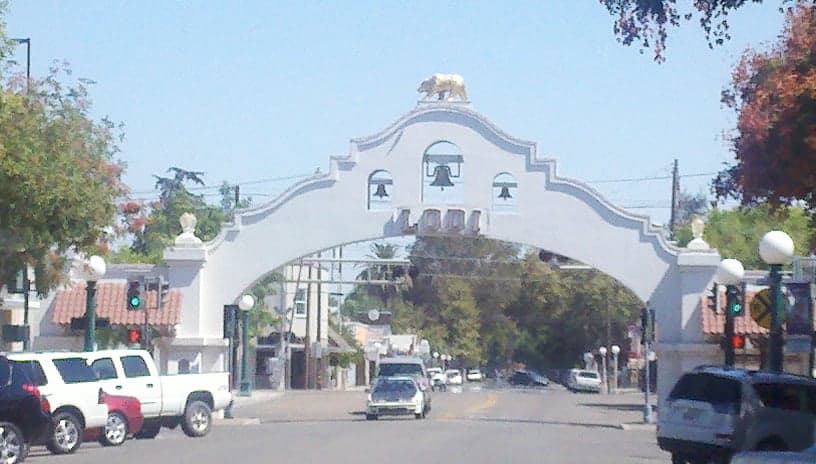
Photo: Wikipedia
Quality of Life in Lodi, CA
A high quality of life with strong walkability, manageable living costs, healthy neighborhood signals, and solid amenity access.
What does Quality of Life tell us?
Quality of Life blends cost of living, nearby amenities, socioeconomic signals, and neighborhood character. City-level scores represent the whole municipality; individual neighborhoods can differ.
What does this tell us?
Quality of Life blends cost of living, nearby amenities, socioeconomic signals, and neighborhood character. City-level scores represent the whole municipality; individual neighborhoods can differ.
Cost of Living
47% above national average
The Real Cost of Living in Lodi, CA for 2026
| Tier | Individual | Family (4) |
|---|---|---|
| Survival | $25k | $47k |
| Comfortable | $91k | $134k |
| Luxury | $134k+ | $207k+ |
| Elite (Top 5%) | $157k+ | $244k+ |
63%
The Area Signal
A metric tracking the socioeconomic signals of the area.
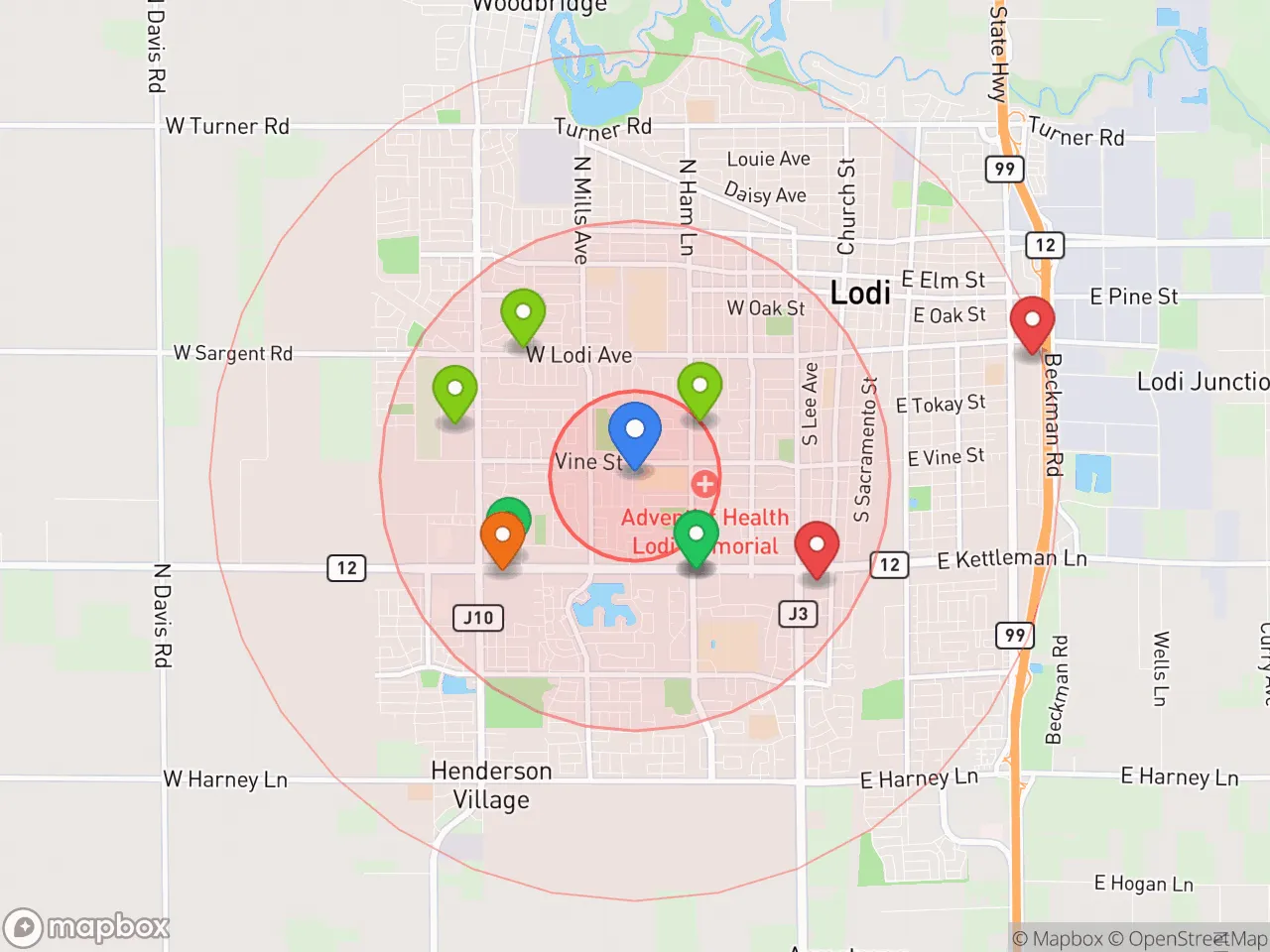
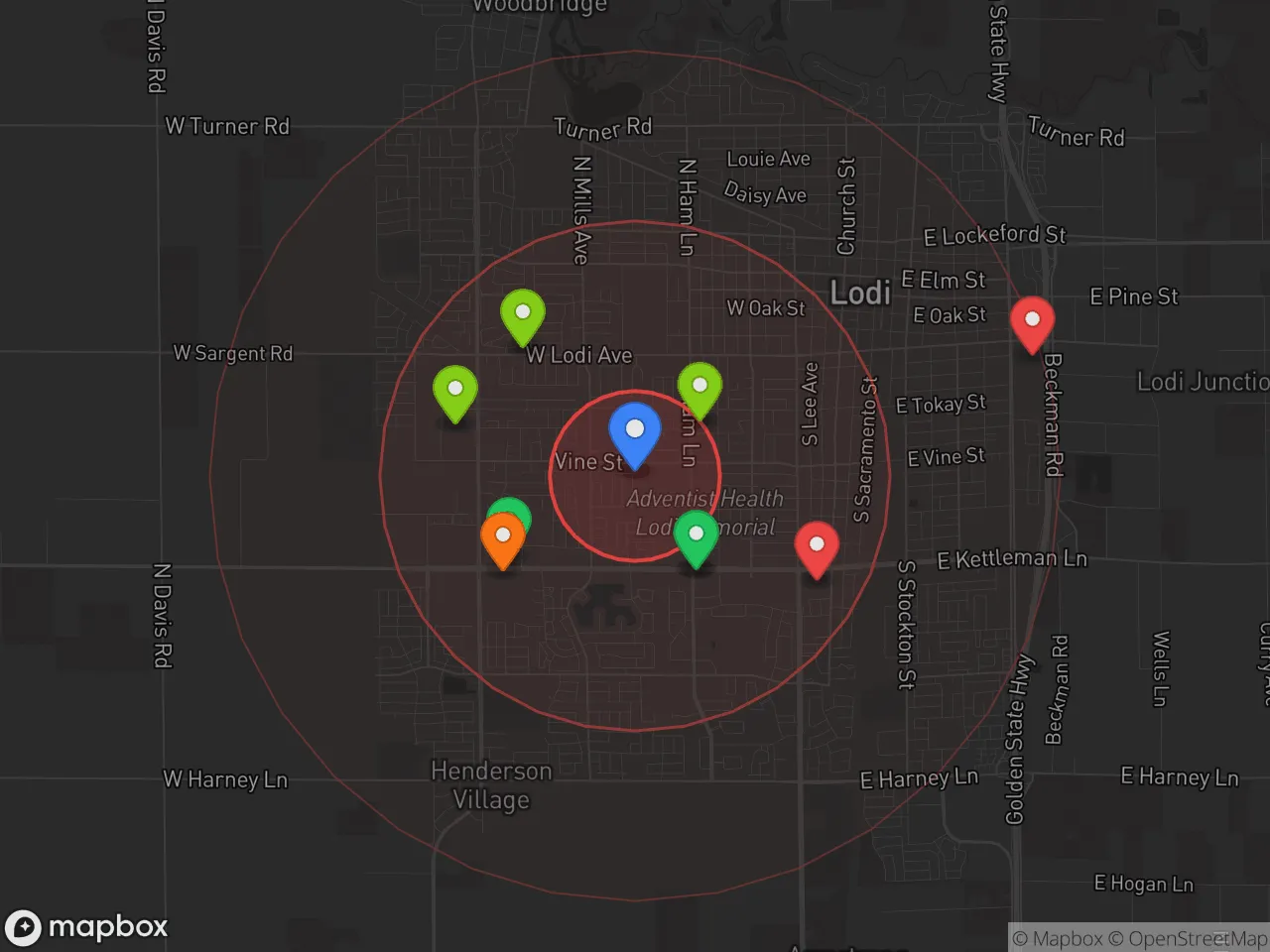
Hobbies
Explore the areaGroceries
8 within 10 miles
Gas
20 within 10 miles
Hospital
6 within 20 miles
Airport
SAN — Oakland San Francisco Bay
Post Office
USPS — Lodi, CA
Critical Amenities
Quality-of-Life Analysis
Lodi, California, presents a quality of life defined by its position as a moderately affluent Central Valley community where the cost of living index of 147 (47% above the U.S. average) attracts a mix of established families, agricultural professionals, and commuters seeking more space than the Bay Area offers. The city's population of roughly 68,000 skews toward middle-to-upper-middle-income households, with a notable presence of winemakers, logistics workers, and healthcare employees who value the area's slower pace and strong sense of local identity. While not as wealthy as nearby Livermore or Pleasanton, Lodi's median home value of $468,800 and median rent of $1,565 reflect a market that is expensive by national standards but significantly more attainable than the coastal metros to the west.
Cost of living and housing affordability compared to Stockton and Sacramento
Lodi's housing market sits in a distinct middle ground: its median home value of $468,800 is roughly 30% lower than Sacramento's median of about $470,000 (though Sacramento's is slightly higher in some neighborhoods) and about 15% higher than Stockton's median of roughly $400,000. The median rent of $1,565 is notably below the national average for a city with a COL index of 147, suggesting that rental supply is relatively stable compared to homeownership costs. For context, a household earning the area's median income of roughly $75,000 would spend about 33% of gross income on a mortgage at current rates, which is considered affordable by federal guidelines but leaves little room for savings. The average commute of 24.1 minutes is shorter than the regional average of 28 minutes for San Joaquin County, reflecting Lodi's role as a self-contained employment hub rather than a pure bedroom community for Bay Area workers.
Local amenities, schools, and the daily rhythm of life in Lodi
Daily life in Lodi revolves around its historic downtown, the Mokelumne River, and the surrounding wine country, with over 85 wineries in the broader Lodi AVA. The Lodi Unified School District serves approximately 28,000 students, with Tokay High School and Lodi High School both offering Advanced Placement programs and competitive athletics. The city's parks system includes the 100-acre Lodi Lake Park, which provides swimming, fishing, and hiking trails, while the annual Lodi Grape Festival draws over 100,000 visitors each September. For daily errands, residents rely on the Lodi Station shopping center and the downtown corridor along School Street, which features independent restaurants, coffee shops, and the historic Lodi Opera House. The commute pattern is notable: while 24.1 minutes is the average, many residents work locally in healthcare (Adventist Health Lodi Memorial Hospital is the largest employer) or agriculture, avoiding the grueling 90-minute drives common to Tracy or Manteca.
Lodi is best suited for families and professionals who want a quieter, more affordable alternative to the Bay Area without sacrificing access to urban amenities. The city's strong sense of community, combined with its wine-country identity and reasonable commute times, makes it particularly attractive to those working in healthcare, education, or the wine industry. Retirees and remote workers also find the area appealing, though the high cost of living relative to other Central Valley cities means that budget-conscious newcomers should carefully compare housing costs in neighboring Stockton or Galt before committing to Lodi's premium.

Crime in Lodi, CA
Crime rates similar to the national median for U.S. locations.
Violent CrimeViolent Crime Analysis
Property CrimeProperty Crime Analysis
Crime Analysis
Lodi, California, presents a crime picture that warrants careful consideration for potential residents. With a violent crime rate of 492.7 per 100,000 residents and a property crime rate of 2,218.1 per 100,000, the city's safety metrics significantly exceed both state and national averages, placing it among the less safe communities in San Joaquin County. These figures reflect a broader regional challenge, where progressive criminal justice policies in California—including reduced sentencing guidelines and early release programs—have contributed to elevated crime rates across the state's interior valleys.
Crime in context
Lodi's violent crime rate of 492.7 per 100,000 is roughly 40% higher than the national average and approximately 15% above the California state average. Property crime, at 2,218.1 per 100,000, is similarly elevated—about 25% above the national benchmark. These numbers place Lodi in a concerning tier alongside other Central Valley cities like Stockton and Modesto, where liberal-leaning district attorneys and judges have implemented policies that prioritize offender rehabilitation over public safety. The practical effect, as seen in Lodi, is a revolving-door justice system where repeat property offenders and violent criminals face minimal consequences, directly undermining community safety.
What residents experience
For those living in Lodi, the crime data translates into tangible daily concerns. Property crime is the most pervasive issue: vehicle break-ins, package thefts, and residential burglaries are common, particularly in neighborhoods near Highway 99 and the downtown corridor. Violent incidents, while less frequent, include aggravated assaults and robberies that often occur late at night near bars and commercial areas. Lodi's proximity to Stockton—a city with one of California's highest crime rates—means that criminal activity frequently spills over, with suspects using Lodi's quieter streets as escape routes or staging areas. Residents report that police response times have lengthened in recent years as the Lodi Police Department grapples with staffing shortages and a rising caseload driven by recidivist offenders.
Neighborhood-level variation
Safety in Lodi is not uniform. The southwest quadrant, near Lodi Lake and the historic downtown, tends to see higher foot traffic and lower violent crime, though property theft remains a concern. Conversely, areas along the eastern edge near Highway 99 and the industrial zones report more frequent burglaries and vehicle crimes. The newer subdivisions in the north, around the Vineyard and Woodbridge areas, generally experience fewer incidents but are not immune to the citywide property crime trend. Prospective residents should examine block-level crime maps and consider that Lodi's overall statistics, while troubling, mask pockets where daily life feels safer—though the underlying policy environment means no neighborhood is fully insulated from the effects of a lenient justice system.
* Values derived from national, state, county, city and local statistics and may differ in a specific area. Last updated: 2026-08-23T00:48:20.000Z
Narrative content on this page is AI-generated and may contain mistakes. Verify any details that matter before acting on them.
ReloMaps may earn a commission from affiliate links at no extra cost to you.

