Photo: Wikipedia
Quality of Life in Livingston, MT
A high quality of life with strong walkability, manageable living costs, healthy neighborhood signals, and solid amenity access.
What does Quality of Life tell us?
Quality of Life blends cost of living, nearby amenities, socioeconomic signals, and neighborhood character. City-level scores represent the whole municipality; individual neighborhoods can differ.
What does this tell us?
Quality of Life blends cost of living, nearby amenities, socioeconomic signals, and neighborhood character. City-level scores represent the whole municipality; individual neighborhoods can differ.
Cost of Living
The Real Cost of Living in Livingston, MT for 2026
| Tier | Individual | Family (4) |
|---|---|---|
| Survival | $16k | $30k |
| Comfortable | $68k | $100k |
| Luxury | $110k+ | $170k+ |
| Elite (Top 5%) | $129k+ | $200k+ |
65%
The Area Signal
A metric tracking the socioeconomic signals of the area.
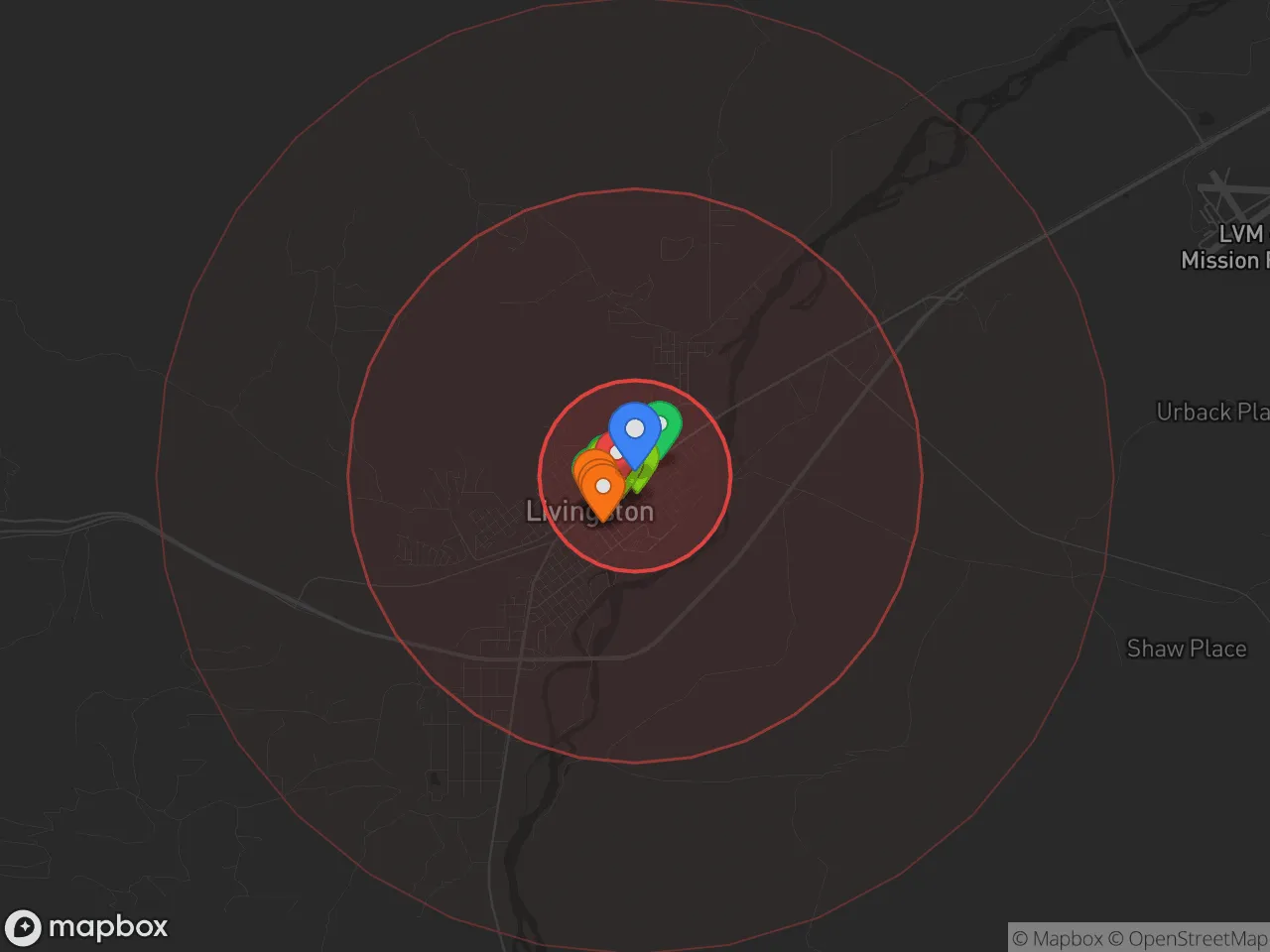
Hobbies
Explore the areaGroceries
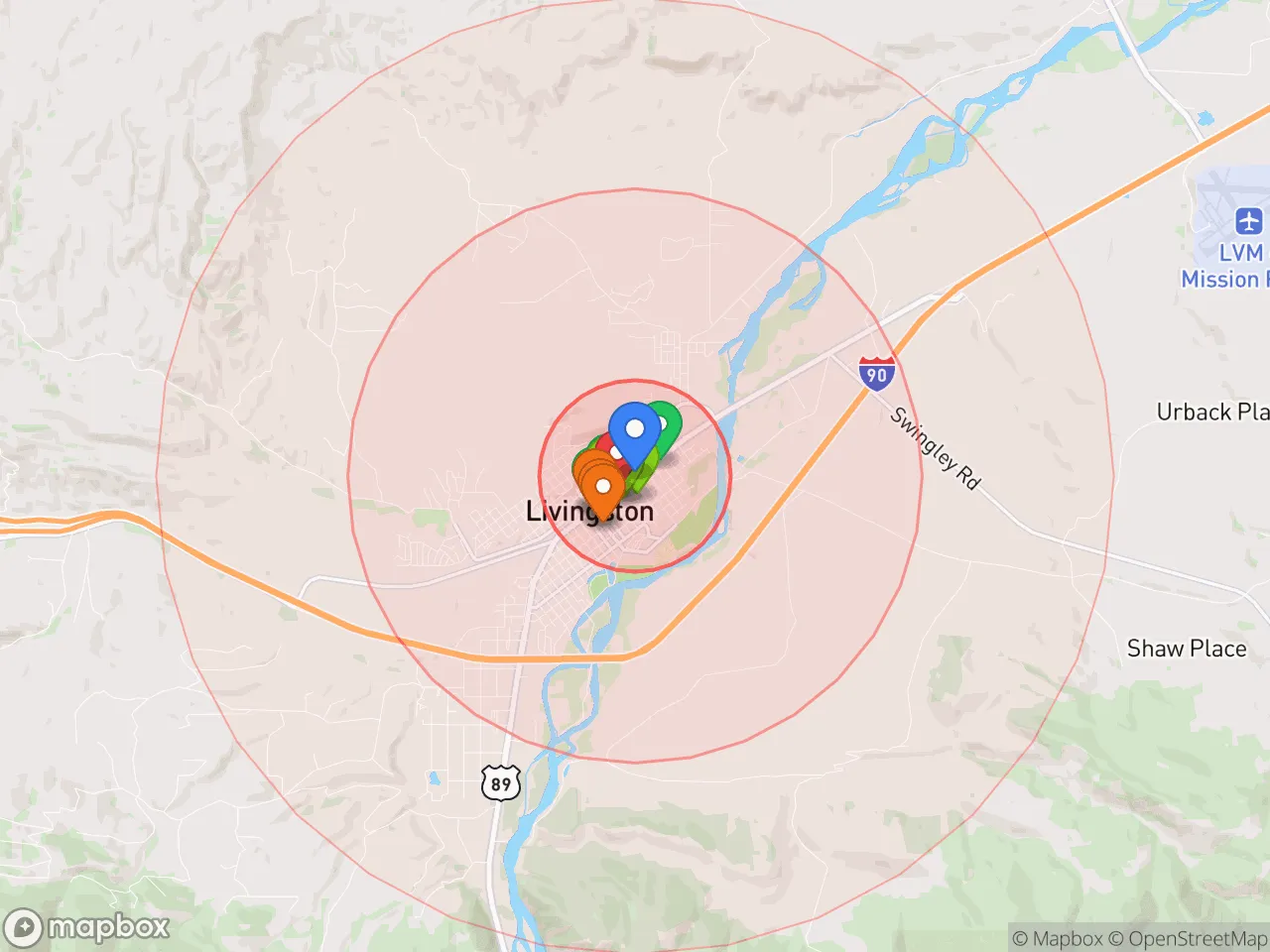
1 within 10 miles
Gas
4 within 10 miles
Hospital
1 within 20 miles
Airport
SLC — Salt Lake City International
Post Office
USPS — Livingston, MT
Critical Amenities
Quality-of-Life Analysis
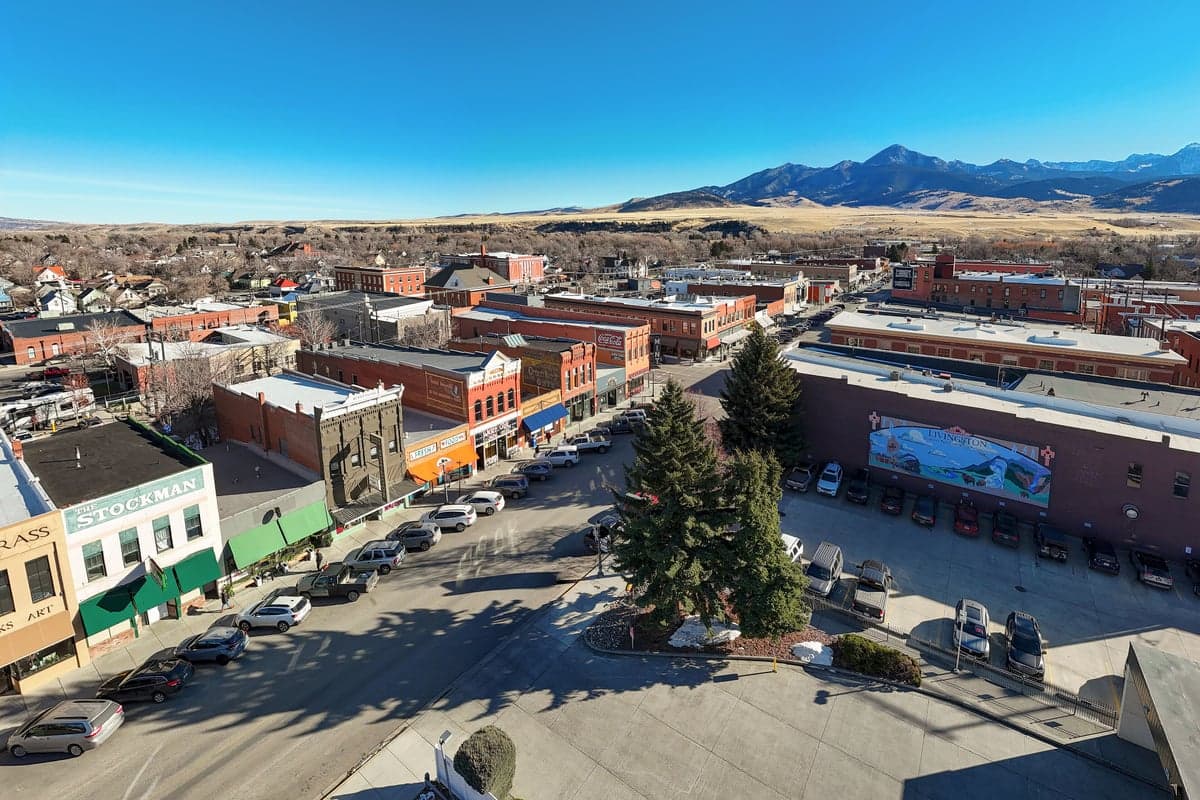
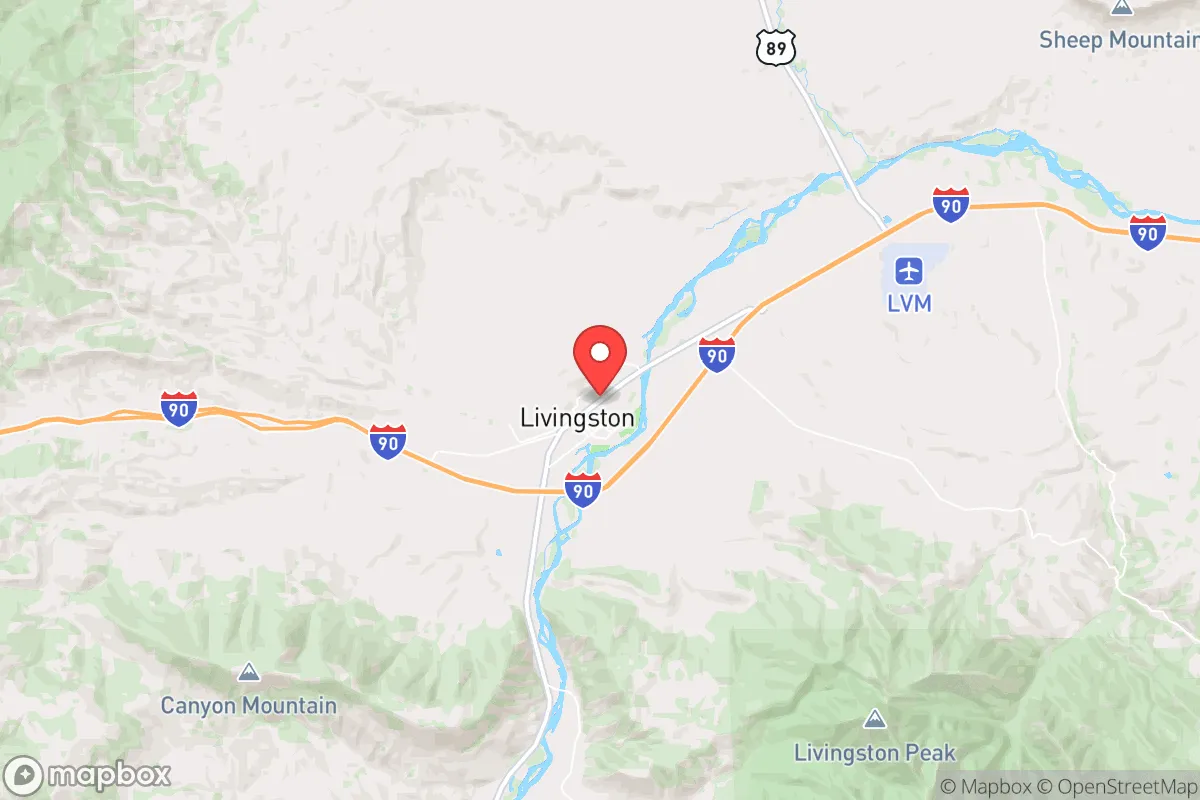
Livingston, Montana, presents a quality of life defined by its blend of working-class roots and an influx of affluent newcomers drawn to its Yellowstone River setting and proximity to Paradise Valley. The town’s population of roughly 8,000 includes a mix of longtime ranchers, railroad workers, and a growing cohort of remote professionals and second-home owners, creating a community that values both rugged independence and cultural amenities. With a cost of living index at exactly 100—matching the national average—Livingston offers relative affordability compared to neighboring Bozeman, though housing costs have risen sharply in recent years.
Cost of living, housing affordability, and how Livingston compares to Bozeman
Livingston’s cost of living sits at the national average, but the housing market tells a more nuanced story. The median home value of $348,700 is significantly lower than Bozeman’s median of roughly $650,000, making Livingston one of the more attainable options in southwest Montana. However, that figure still represents a steep increase from just five years ago, when median values hovered around $250,000. Renters fare better: the median rent of $987 is well below the national median of $1,200 and far under Bozeman’s typical $1,600. The average commute of 23 minutes is manageable, though many residents drive the 25 miles to Bozeman for work or shopping, a route that can be slow in winter. Property taxes remain relatively low—around 0.7% of assessed value—but insurance costs for flood and wildfire risk have risen. For buyers, the trade-off is clear: less nightlife and fewer jobs locally, but a lower barrier to entry than the Gallatin Valley.
Amenities, schools, and what daily life feels like in Livingston
Daily life in Livingston revolves around outdoor recreation and a compact, walkable downtown. The Yellowstone River runs through town, offering world-class fly fishing, while the nearby Absaroka-Beartooth Wilderness provides hiking and skiing within 30 minutes. The public school system, Park High School, serves about 500 students and maintains a graduation rate of 88%, though class sizes are small. Healthcare is anchored by Livingston HealthCare, a critical-access hospital with 25 beds; for specialized care, residents typically drive to Bozeman Health Deaconess Hospital. The downtown strip on Main Street features independent bookstores, galleries, and the historic Murray Hotel, but retail options are limited—most residents head to Bozeman for big-box shopping. The town’s rhythm is slower than Bozeman’s, with a strong sense of community evident at events like the Livingston Roundup Rodeo and the annual Yellowstone River Festival. Internet access is adequate, with fiber available in most neighborhoods, supporting the remote-worker population.
Livingston is best suited for those who prioritize outdoor access and a tight-knit community over urban amenities and career diversity. Families with school-age children will find a safe, small-town environment, though job opportunities are concentrated in healthcare, education, and tourism. Retirees and remote professionals will appreciate the lower housing costs relative to Bozeman, while outdoor enthusiasts—especially anglers and hikers—will find few better bases in the region. Those seeking vibrant nightlife, diverse dining, or a robust job market should look to Bozeman or Missoula instead. For the right person, Livingston offers a genuine Montana lifestyle without the premium price tag of its more famous neighbor.

Crime in Livingston, MT
Lower crime rates than 77% of comparable U.S. locations.
Violent CrimeViolent Crime Analysis
Property CrimeProperty Crime Analysis
Crime Analysis
Livingston, Montana, presents a mixed safety profile that demands careful consideration from potential residents. The town's violent crime rate of 294.7 per 100,000 residents is notably higher than the national average, while its property crime rate of 1,364.5 per 100,000 significantly exceeds both state and national benchmarks. These figures place Livingston in a category where proactive awareness and security measures are advisable, particularly given the broader context of progressive judicial policies in Montana that can influence recidivism and public safety outcomes.
Crime in context
Livingston's violent crime rate of 294.7 per 100,000 is roughly 20% higher than the national average of approximately 245 per 100,000, and substantially above Montana's statewide rate of about 280 per 100,000. The property crime rate of 1,364.5 per 100,000 is even more concerning, sitting nearly 30% above the national average of roughly 1,050 per 100,000 and well above Montana's statewide figure of around 1,200 per 100,000. These statistics indicate that while Livingston is not a high-crime urban center, it experiences elevated property crime—including theft, burglary, and vehicle break-ins—that is typical of many small gateway communities near national parks. The presence of progressive district attorneys in some Montana jurisdictions, who may prioritize diversion programs over incarceration, can contribute to higher recidivism rates and more criminals remaining on the street, directly impacting community safety.
What residents experience
Daily life in Livingston involves a tangible awareness of property crime. Residents commonly report theft from vehicles, especially in downtown areas and near trailheads, as well as occasional burglaries of unoccupied homes. Violent crime, while less frequent, includes aggravated assault and robbery, often linked to alcohol-related incidents or domestic disputes. The town's status as a gateway to Yellowstone National Park means seasonal fluctuations in crime, with summer months seeing a spike in property offenses tied to transient populations. Park County's overall clearance rate for property crimes is below 20%, meaning most thefts go unsolved, which can be frustrating for victims. The local police department maintains a visible presence, but resource constraints limit proactive patrols in outlying neighborhoods.
Neighborhood-level variation is notable in Livingston. The historic downtown core and areas near the Yellowstone River see higher rates of property crime, while the more affluent residential neighborhoods on the west side and along the benchlands report fewer incidents. The Sacajawea Park area and the streets immediately adjacent to the railroad tracks tend to have higher concentrations of both property and violent crime. Newer subdivisions on the north end of town generally experience the lowest crime rates, though they are not immune to vehicle break-ins. Prospective residents should research specific blocks and consider that Livingston's small size means crime can be concentrated in a few areas, making block-by-block differences significant for daily safety.
* Values derived from national, state, county, city and local statistics and may differ in a specific area. Last updated: 2026-04-30T00:18:01.000Z
Narrative content on this page is AI-generated and may contain mistakes. Verify any details that matter before acting on them.
ReloMaps may earn a commission from affiliate links at no extra cost to you.

