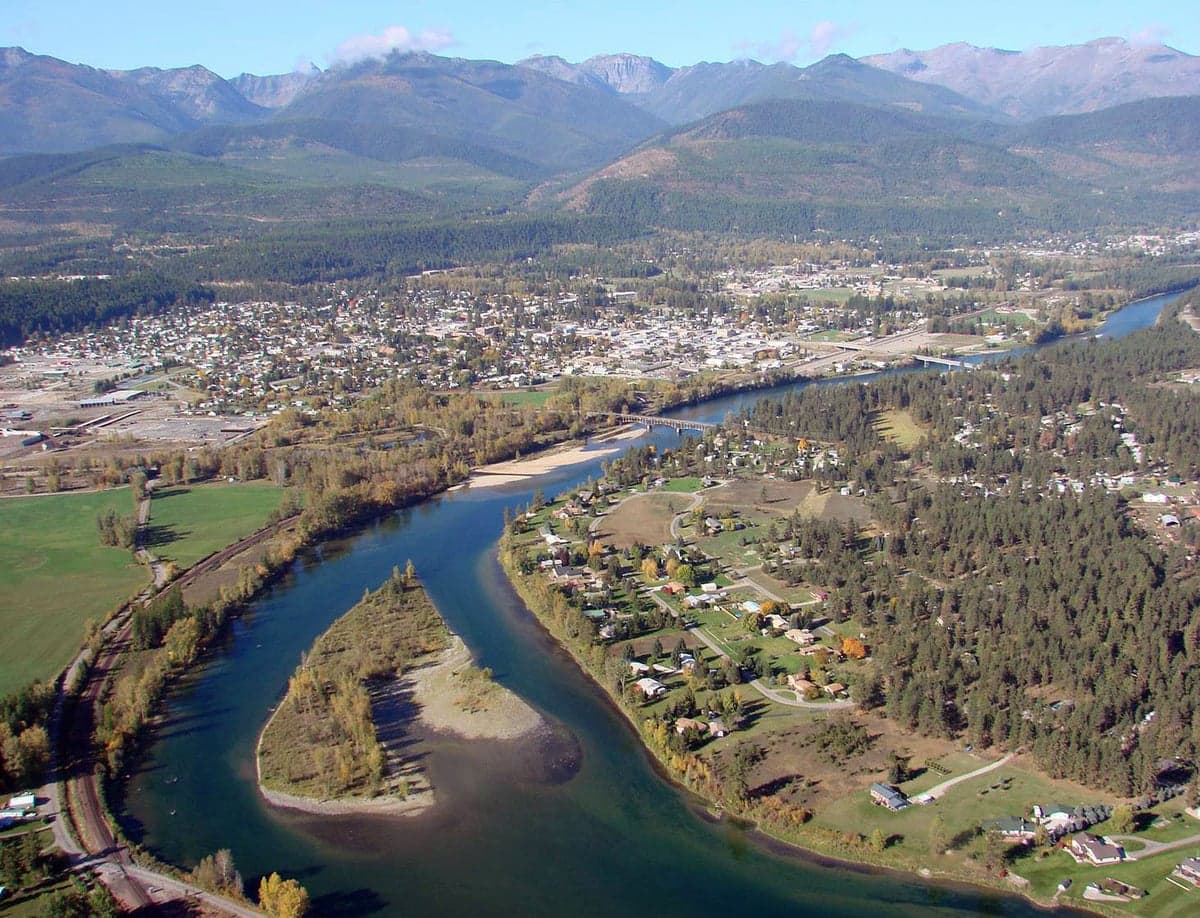
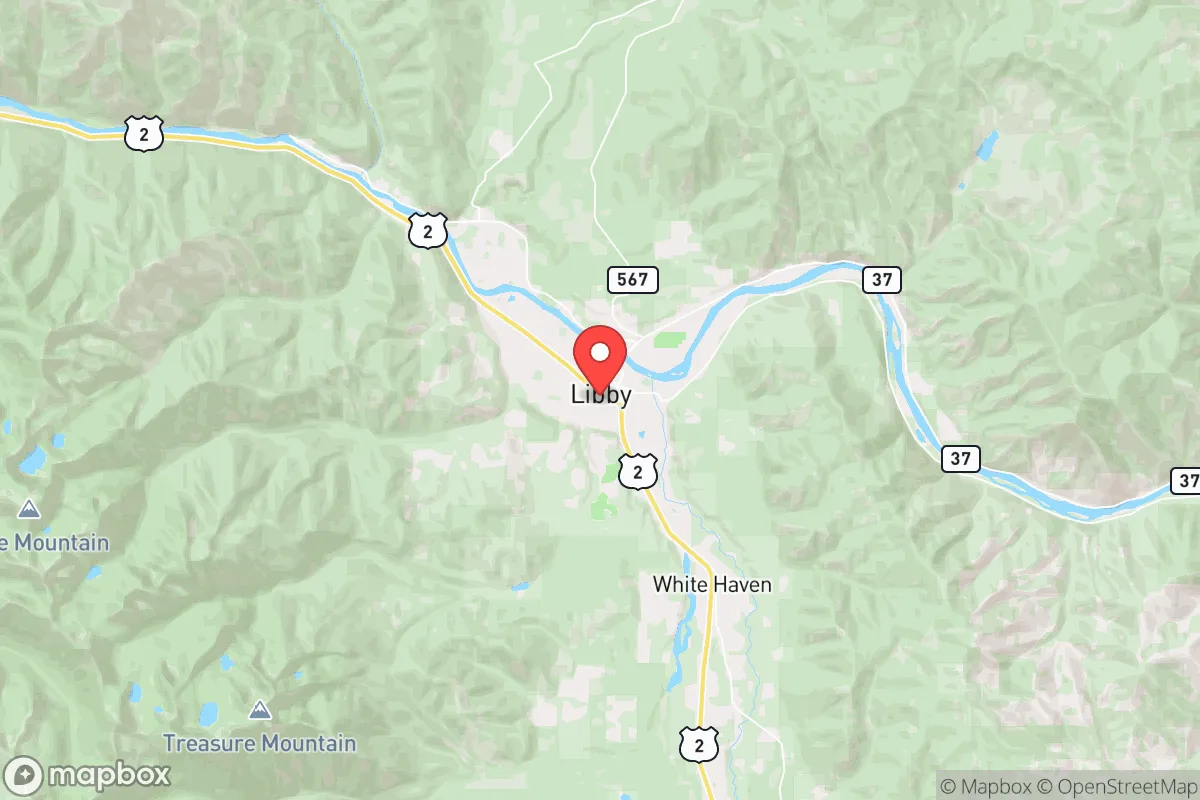
Photo: Wikipedia
Quality of Life in Libby, MT
Above-average quality of iife. The area offers a reasonable cost of living, decent mobility, and a mix of neighborhood amenities.
What does Quality of Life tell us?
Quality of Life blends cost of living, nearby amenities, socioeconomic signals, and neighborhood character. City-level scores represent the whole municipality; individual neighborhoods can differ.
What does this tell us?
Quality of Life blends cost of living, nearby amenities, socioeconomic signals, and neighborhood character. City-level scores represent the whole municipality; individual neighborhoods can differ.
Cost of Living
34% below national average
The Real Cost of Living in Libby, MT for 2026
| Tier | Individual | Family (4) |
|---|---|---|
| Survival | $11k | $20k |
| Comfortable | $42k | $62k |
| Luxury | $71k+ | $110k+ |
| Elite (Top 5%) | $88k+ | $136k+ |
63%
The Area Signal
A metric tracking the socioeconomic signals of the area.
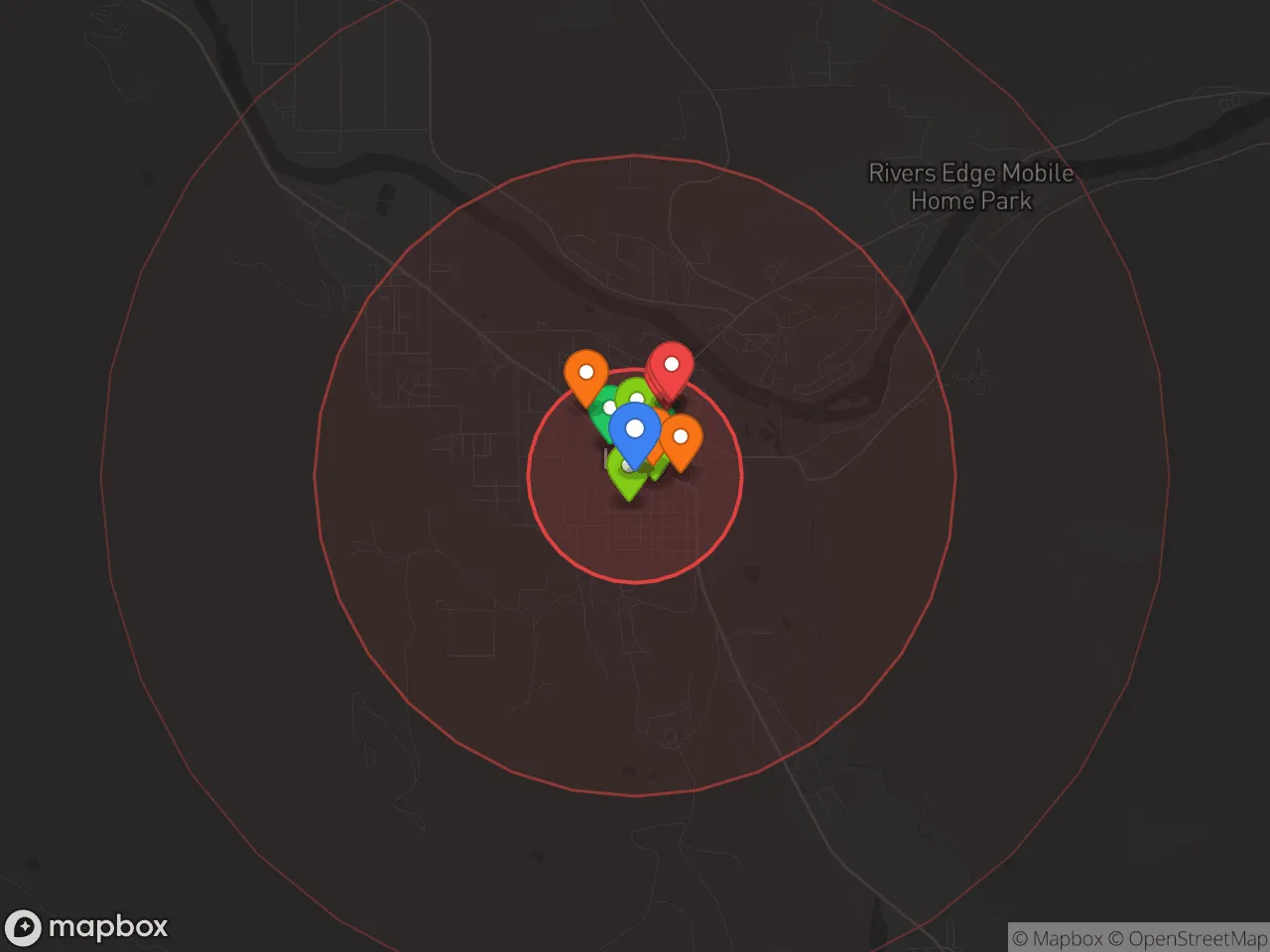
Hobbies
Explore the areaGroceries
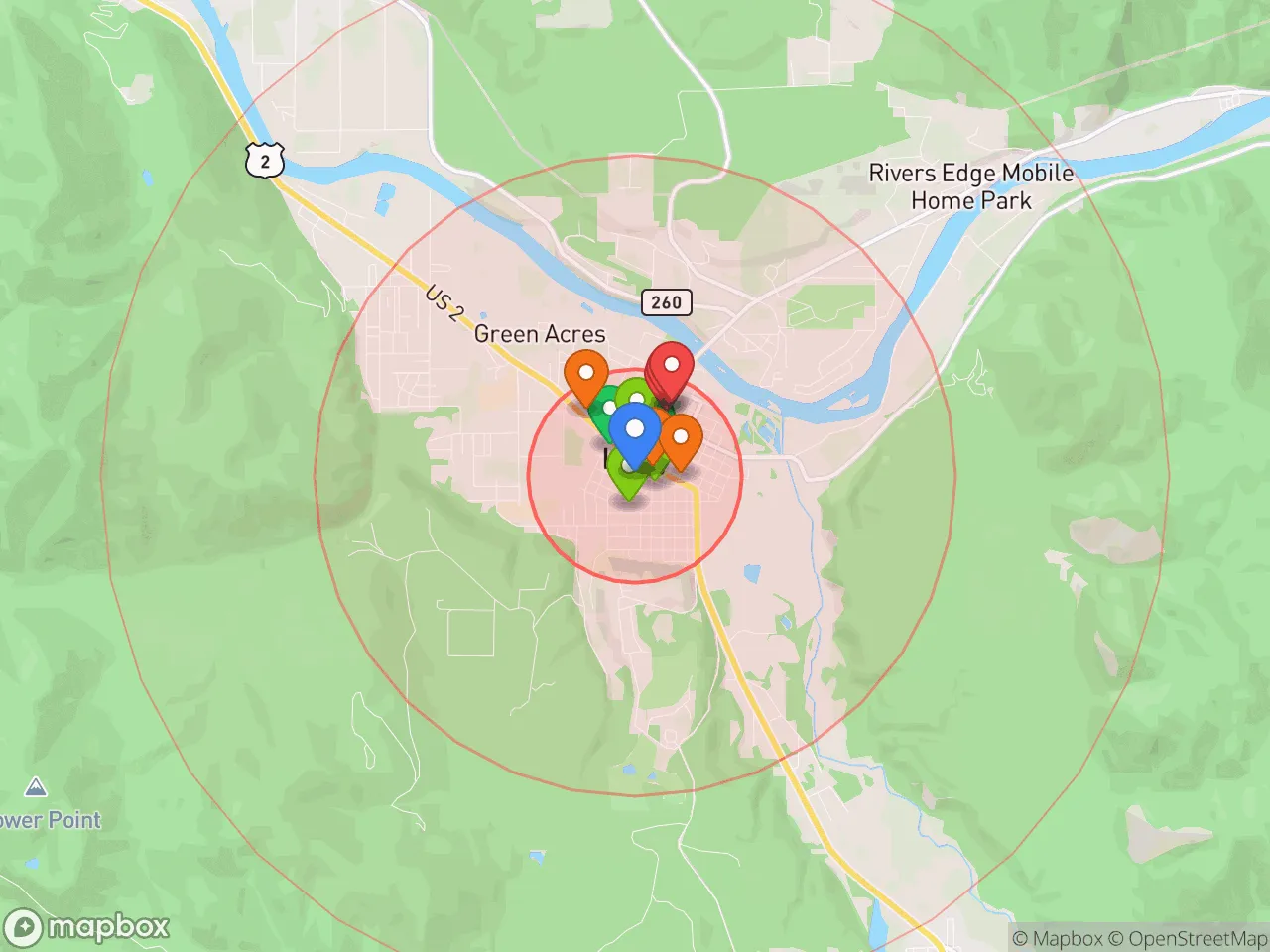
0 within 10 miles
Gas
7 within 10 miles
Hospital
1 within 20 miles
Airport
SEA — Seattle–Tacoma International
Post Office
USPS — Libby, MT
Critical Amenities
Quality-of-Life Analysis
Libby, Montana, presents a notably affordable quality of life that attracts retirees, outdoor enthusiasts, and remote workers seeking a low-cost, small-town environment. With a cost of living index of 66—34% below the U.S. average—and a median home value of $218,500, the area offers financial breathing room that is increasingly rare in the Mountain West. The population skews older and more settled, with a median age around 47, reflecting a community of long-term residents and newcomers drawn by the Kootenai National Forest and the nearby Cabinet Mountains Wilderness.
Cost of living, housing costs, and how Libby compares to Kalispell and Missoula
Libby’s housing market is a standout feature for affordability. The median home value of $218,500 is roughly half that of Kalispell (around $450,000) and less than a third of Missoula’s median (over $600,000). Median rent sits at just $679, making it one of the most budget-friendly rental markets in northwestern Montana. The overall cost of living index of 66 is driven primarily by housing, though groceries and utilities also run below national averages. The average commute of 19 minutes is short by any standard, reflecting the town’s compact layout and limited traffic—a sharp contrast to the 25- to 30-minute commutes common in larger Montana cities. For buyers, the trade-off is a smaller inventory of homes and fewer new-construction options, but the price gap relative to the Flathead Valley or Missoula is substantial enough to make Libby a serious consideration for cost-conscious households.
Local amenities, schools, and what daily life is like for families and retirees
Daily life in Libby centers on outdoor recreation and a slower pace. The Kootenai River runs through town, offering fishing, rafting, and kayaking, while the nearby Cabinet Mountains provide hiking and hunting access within minutes of downtown. The Libby School District serves roughly 1,200 students across three elementary schools, one middle school, and Libby High School, with a student-teacher ratio near 15:1. For healthcare, Cabinet Peaks Medical Center is a critical-access hospital with emergency services and primary care, though specialists require a 90-minute drive to Kalispell. Grocery shopping is limited to a single full-service supermarket (Rosauers), and dining options are modest—a handful of local cafes and bars rather than a restaurant scene. The town’s rhythm is quiet: most businesses close by 6 p.m., and weekend social life revolves around community events like the Libby Logger Days festival or high school sports. Internet access has improved with fiber-optic availability from TDS Telecom, supporting remote work, but cell coverage remains spotty in the surrounding valleys.
Libby is best suited for those who prioritize low housing costs and immediate access to wilderness over urban amenities or career diversity. Retirees on fixed incomes will find the affordability compelling, as will remote workers who can tolerate limited dining and shopping. Families should weigh the adequate but not exceptional schools against the safety and outdoor lifestyle. The town’s isolation—over two hours from an international airport (Glacier Park International in Kalispell)—means that convenience is sacrificed for space and quiet. For someone seeking a genuine Montana small-town experience without the premium price tag of Bozeman or Whitefish, Libby delivers a functional, low-stress baseline for daily life.

Crime in Libby, MT
Lower crime rates than 80% of comparable U.S. locations.
Violent CrimeViolent Crime Analysis
Property CrimeProperty Crime Analysis
Crime Analysis
Libby, Montana, presents a mixed safety profile that diverges from the typical small-town narrative. While its property crime rate is notably lower than both state and national averages, the violent crime rate is significantly elevated, placing the community in a higher-risk category for serious offenses. This contrast means residents face a lower risk of theft and vandalism but a statistically higher chance of experiencing violent incidents like assault or robbery compared to the rest of Montana and the United States.
Crime in context
Libby’s violent crime rate stands at 447.1 incidents per 100,000 residents, which is 28% higher than the Montana state average and 22% higher than the national average. This elevated rate is a key concern for anyone considering a move to the area. In contrast, the property crime rate of 327.9 per 100,000 is a bright spot, coming in 45% lower than the Montana average and 58% lower than the national average. This disparity suggests that while Libby is relatively safe from burglary, larceny, and motor vehicle theft, the community grapples with a more serious violent crime problem that warrants attention. It is important to note that Lincoln County, where Libby is located, operates within Montana’s broader judicial framework, which is generally considered more conservative than in many large metropolitan areas. This context is relevant, as jurisdictions with progressive district attorneys and lenient sentencing policies have been linked to higher recidivism and reduced public safety. Libby’s elevated violent crime rate, despite a more traditional justice system, underscores that local factors—such as economic conditions and substance abuse—also play a significant role.
What residents experience
For those living in Libby, the day-to-day reality is shaped by this statistical divide. The low property crime rate means that leaving a garage unlocked or a bicycle on the front lawn carries less risk than in many other Montana towns. However, the high violent crime rate creates a palpable sense of caution, particularly after dark and in less-trafficked areas. Residents often report that while random property crime is uncommon, incidents of assault and domestic violence are not rare, and the community’s small size means that such events can feel more personal and disruptive. The local police department is active, but limited resources can strain response times for non-emergency calls.
Neighborhood-level variation
Safety in Libby is not uniform across the city. The core downtown area, particularly around Mineral Avenue and the historic district, sees higher foot traffic and a more visible police presence, which can deter some crime. In contrast, outlying residential areas and the more rural pockets of the city, especially those near the Kootenai River and the former vermiculite mining sites, tend to experience fewer violent incidents but may have slightly higher rates of theft from vehicles. The Libby Hills and Cabinet View neighborhoods are generally considered safer, with lower reported crime rates, while areas closer to the industrial zones and the highway corridor see more activity. As with any community, proximity to bars, transient populations, and known drug activity points can influence local safety, and prospective residents are advised to visit at different times of day and speak with neighbors to get a true feel for a specific block.
* Values derived from national, state, county, city and local statistics and may differ in a specific area. Last updated: 2026-04-24T20:03:30.000Z
Narrative content on this page is AI-generated and may contain mistakes. Verify any details that matter before acting on them.
ReloMaps may earn a commission from affiliate links at no extra cost to you.

