Photo: Wikipedia
Personal Sovereignty in Libby, MT
Strong independent fundamentals that actively favor personal liberty and low regulation.
What does Personal Sovereignty tell us?
Personal Sovereignty measures your capacity for self-reliance and independence with minimal government friction. Higher scores mean fewer barriers between you and the way you want to live... but it assumes you have the space you need and good neighbors.
What does this tell us?
Personal Sovereignty measures your capacity for self-reliance and independence with minimal government friction. Higher scores mean fewer barriers between you and the way you want to live... but it assumes you have the space you need and good neighbors.
State Policy
Energy independence: Net exporter (120% of energy produced in-state)
Personal Liberty
Homesteading

Personal Liberty Analysis
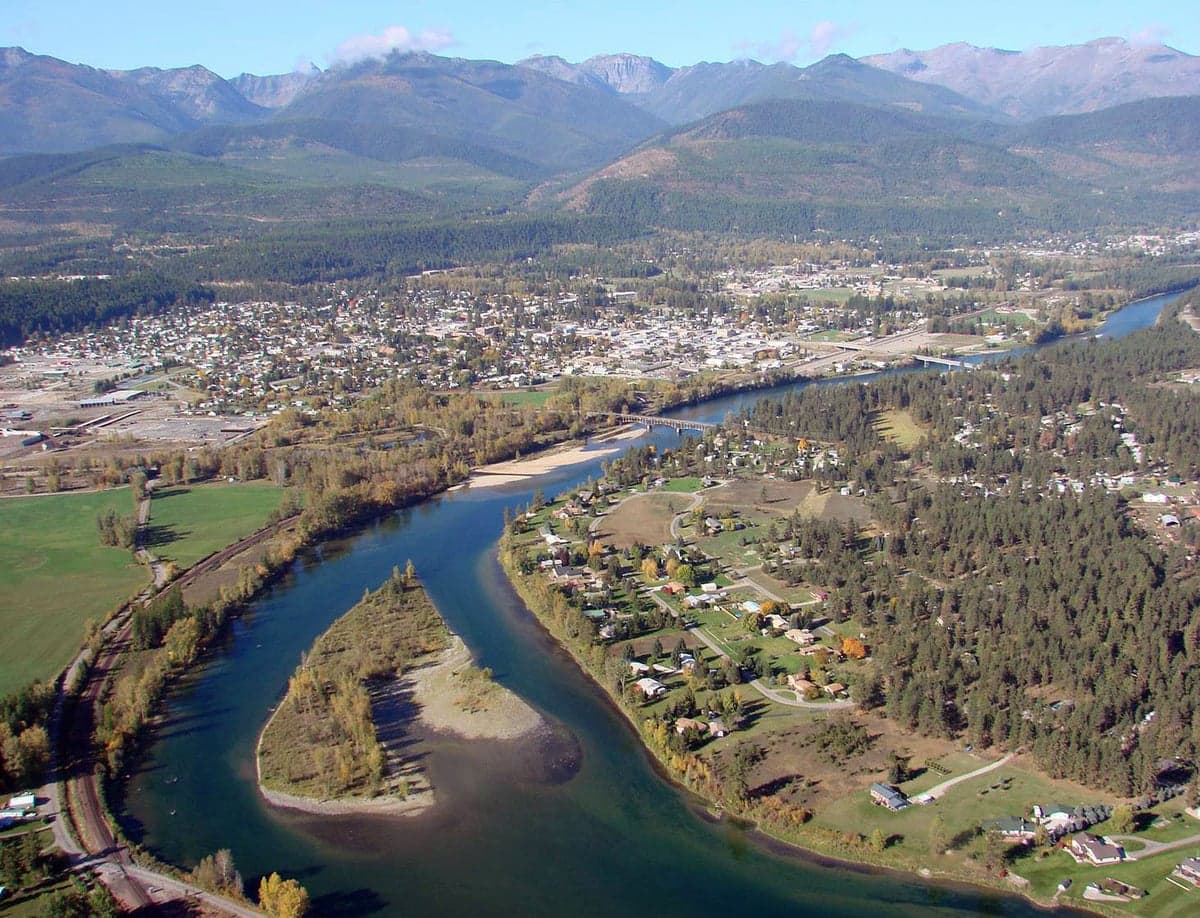
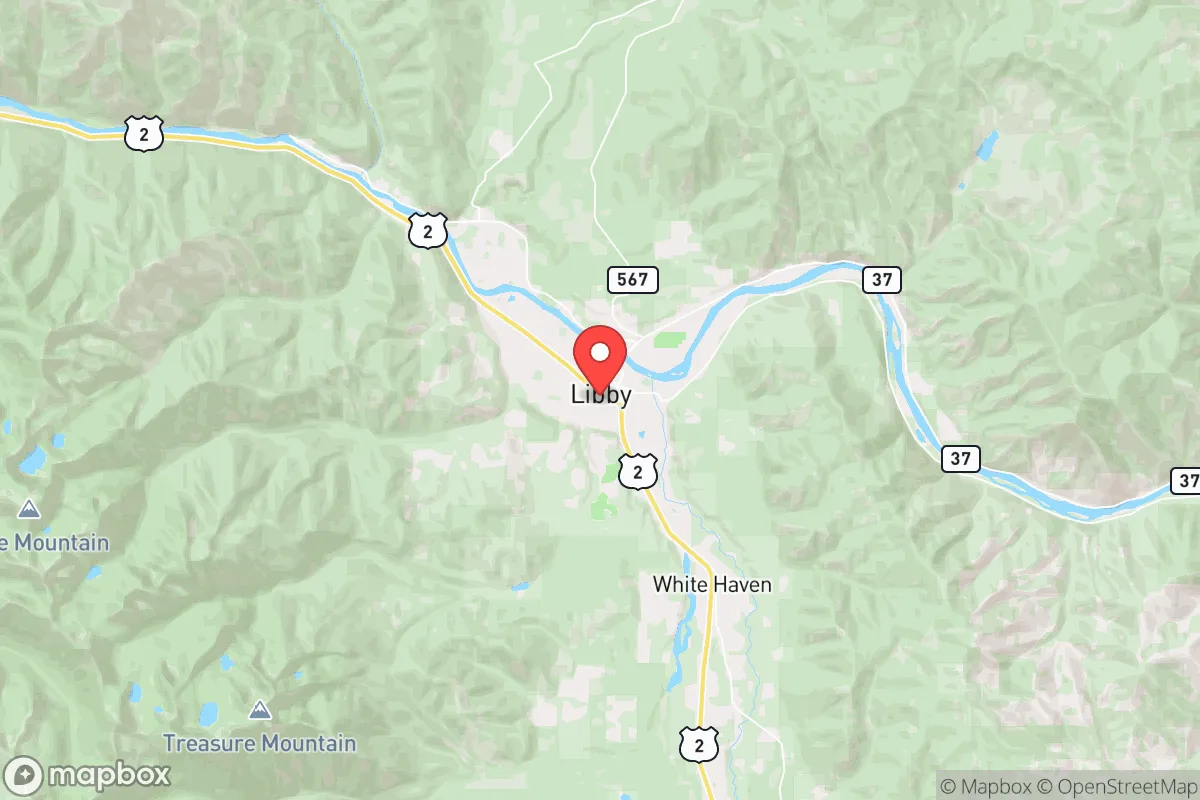
For a strategic relocation from a survivalist or prepper mindset, personal sovereignty in Libby, Montana, represents a significant step up from most of the lower 48, but it is not a lawless frontier. The town sits in a deep valley surrounded by the Kootenai National Forest, and its isolation—over an hour from the nearest major city (Kalispell or Spokane, depending on route)—creates a natural buffer against federal overreach and urban chaos. However, Lincoln County’s local governance, while generally conservative, still operates under Montana state law, which means you’ll find a mix of genuine freedom and bureaucratic friction. The key is understanding where the autonomy is real and where it’s merely perceived, especially for single individuals and parents who want to minimize government intrusion into daily life, self-defense, and family decisions.
Tax burden and regulatory posture: How Montana compares to high-tax states
Montana’s tax structure is a clear win for anyone fleeing high-tax states like California, New York, or Illinois. There is no state sales tax, which means every dollar you spend on gear, food, or building materials stays in your pocket. The state income tax is a flat 6.75% (as of 2026), which is moderate but not negligible—though for a prepper household, you can offset this by living lean and investing in tangible assets rather than taxable income streams. Property taxes in Lincoln County are relatively low, averaging around 0.7% of assessed value, but note that assessments have crept up as out-of-state buyers flood in. The regulatory posture in Libby itself is light: no county-wide building codes for rural parcels (outside city limits), no onerous business licensing for home-based enterprises, and minimal zoning restrictions. However, the Montana Department of Environmental Quality has a long reach, especially regarding water rights and septic systems—so if you plan to drill a well or install a composting toilet, expect state-level permitting. For a single individual or family, the lack of sales tax and low property taxes are a solid foundation for financial sovereignty, but you still have to play ball with state agencies on land use.
Self-defense and gun law specifics: What Montana’s constitutional carry means for you
Montana is a constitutional carry state, meaning no permit is required to carry a concealed firearm for anyone legally allowed to possess one. This is a bedrock freedom for anyone serious about self-defense, and Libby’s remote location makes it even more relevant—law enforcement response times in rural Lincoln County can easily exceed 20-30 minutes, so you are your own first responder. There is no state-level red flag law, no magazine capacity restrictions, and no firearm registration. The state preempts local gun ordinances, so Libby city council cannot impose its own bans. For parents, this means you can train your children in firearms safety without government interference, and you can keep a defensive weapon in your vehicle or home without jumping through hoops. The only real limitation is federal: NFA items (suppressors, short-barreled rifles) require a tax stamp, but Montana has no additional state restrictions. For a prepper, this is a near-ideal legal environment—you can stockpile ammunition, build a defensive armory, and carry openly or concealed without bureaucratic hassle. Just be aware that Montana’s self-defense laws follow the Castle Doctrine (no duty to retreat in your home or vehicle), but the “stand your ground” language is less explicit than in states like Texas or Florida; you still need a reasonable belief of imminent harm to use deadly force.
Self-reliance and homesteading viability: Lot sizes, zoning, and off-grid feasibility
This is where Libby truly shines for the self-reliant individual. Outside the city limits, Lincoln County has virtually no zoning—you can buy a 5-acre parcel, park an RV or build a cabin, and start living off-grid immediately. Lot sizes range from 1-acre “ranchettes” to 40-acre timber tracts, with prices still reasonable compared to western Montana (expect $3,000-$8,000 per acre for raw land with road access). Off-grid feasibility is high: solar insolation is decent (though winters are cloudy), and many properties have year-round creeks or groundwater. The county allows composting toilets and greywater systems without a permit, though a septic tank for a permanent dwelling requires DEQ approval. Rainwater catchment is legal and unregulated. For a prepper, this means you can build a fully independent homestead—solar panels, wood heat, well water, and food production—without a single building inspector visiting. The catch is that Lincoln County has a history of environmental contamination (the infamous vermiculite mine), so you must test soil and water on any property near the old mine site. Also, the local power cooperative (Lincoln Electric) is reliable but expensive; going off-grid is both a freedom move and a financial hedge. For parents, the lack of zoning means you can homeschool without local interference, raise livestock, and teach your kids practical skills without neighbors complaining.
Personal liberties: Parental rights, medical autonomy, speech, and property
Montana is a strong state for parental rights. There is no state-level mandate for childhood vaccines, and parents can opt out of school immunization requirements with a simple personal or religious exemption. The state also has a robust homeschool law—no notification, no testing, no curriculum approval required. This is a major draw for families who want to control their children’s education and medical decisions without government oversight. Medical autonomy is more mixed: Montana has no state-level vaccine passport or mask mandate laws, but hospitals in Libby (St. John’s Lutheran Hospital) follow federal CMS guidelines, so COVID-era restrictions could return if federal policy shifts. For speech and assembly, Libby is a conservative town where open carry and political dissent are tolerated; you can fly a Gadsden flag or a “Don’t Tread on Me” banner without pushback. Property rights are strong—eminent domain is rarely used, and there are no rent control or landlord-tenant laws that favor tenants over owners. However, the federal government owns about 70% of Lincoln County (Kootenai National Forest), which means your land is surrounded by public land—great for hunting and foraging, but also means federal agencies (USFS, BLM) have jurisdiction over roads, fire management, and resource extraction. For a prepper, this is a double-edged sword: you have vast public access for survival training, but you also have to deal with federal land-use restrictions if you want to build a road or cut timber.
Overall, Libby offers a level of personal sovereignty that is rare in the modern United States, especially for someone with a survivalist or prepper mindset. The combination of no sales tax, constitutional carry, minimal zoning, strong parental rights, and off-grid feasibility puts it in the top tier of Montana towns for autonomy. But it’s not a libertarian paradise—state environmental regulations, federal land dominance, and the legacy of the mine cleanup mean you still have to navigate bureaucracy. Compared to areas like rural Idaho or eastern Washington, Libby is more isolated and less developed, which is a plus for those who want to be left alone. For a single individual or a family looking to opt out of the system as much as possible while staying within the law, this is one of the better bets in the lower 48—just be prepared for long winters, limited healthcare access, and the reality that true sovereignty requires constant vigilance, not just a change of address.

* Values derived from national, state, county, city and local statistics and may differ in a specific area. Last updated: 2026-04-24T20:03:30.000Z
Narrative content on this page is AI-generated and may contain mistakes. Verify any details that matter before acting on them.
ReloMaps may earn a commission from affiliate links at no extra cost to you.

