 Popular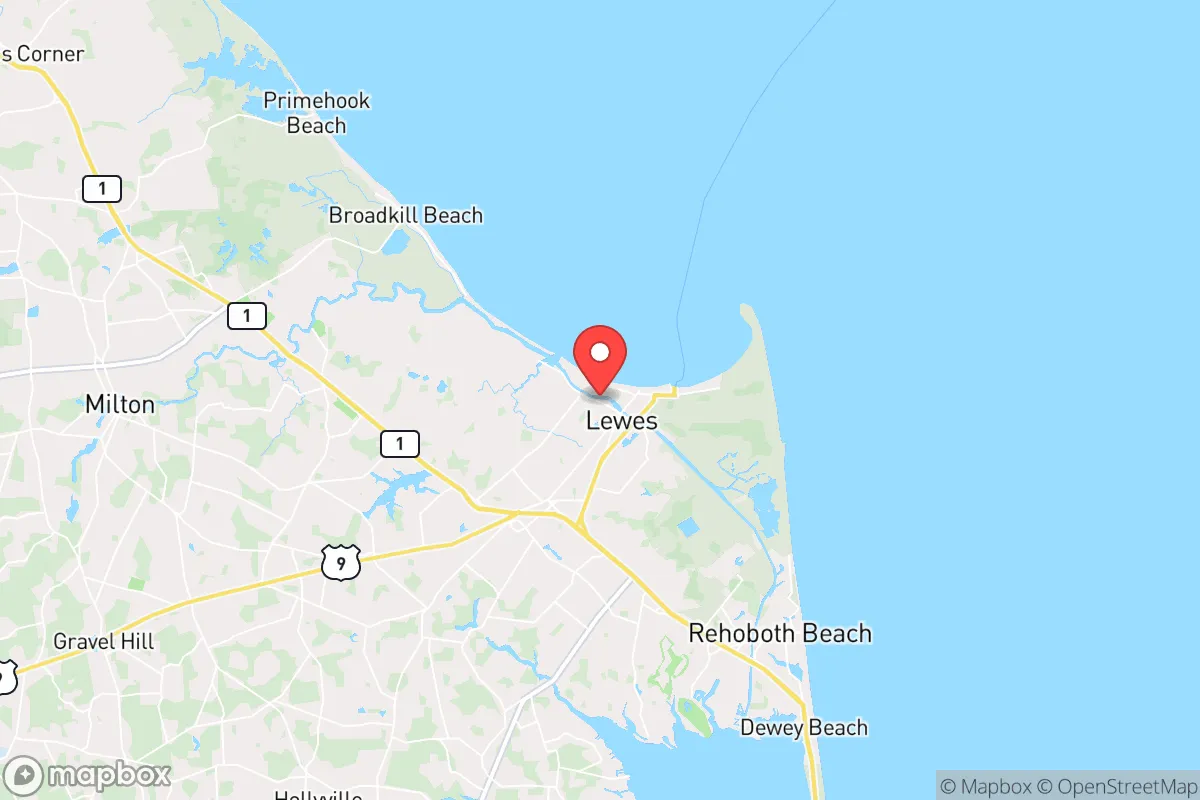
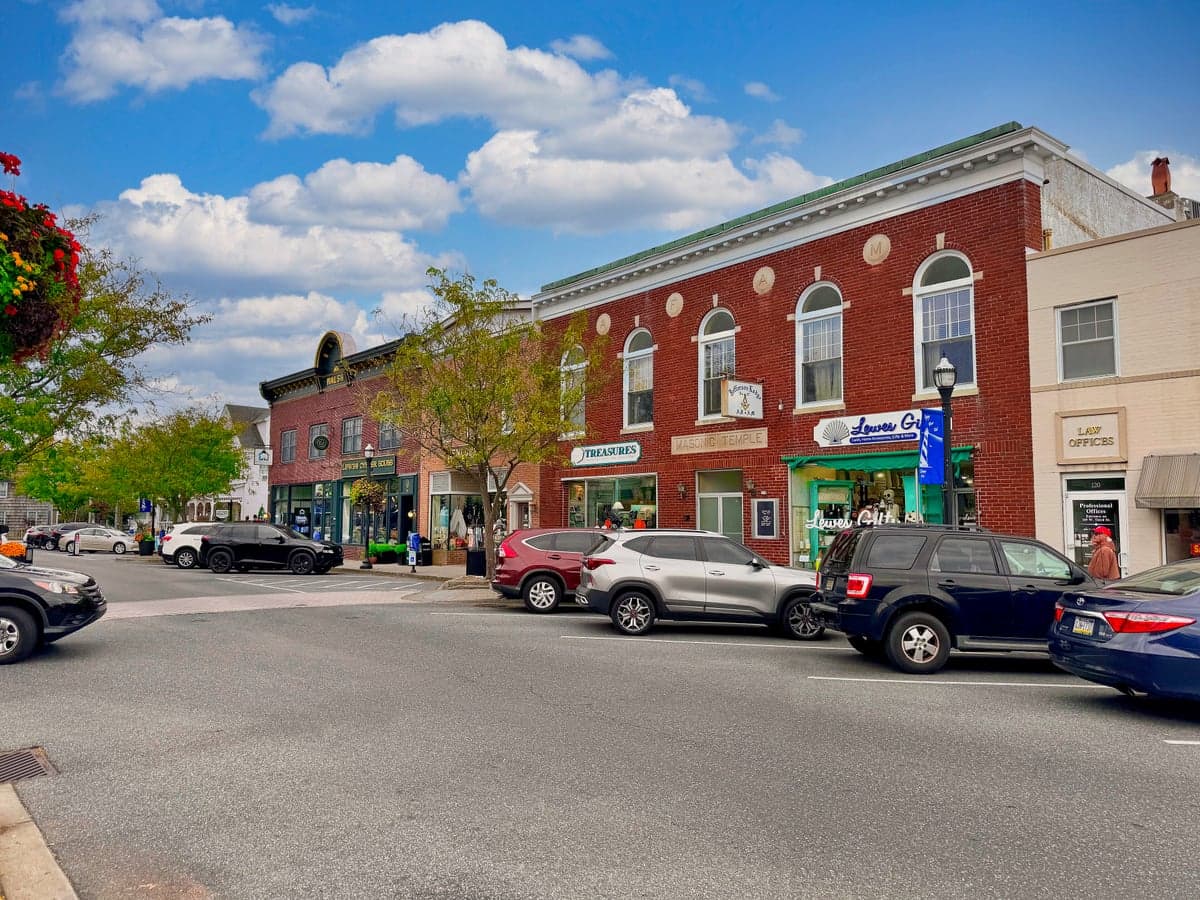
Photo: Wikipedia
Political ClimatePolitical Climate in Lewes, DE
District shown is the primary district for this city’s centroid. Cities may span multiple districts.
Inherited from parent state — no local data available.
Local Political AnalysisPolitical Analysis of Lewes, DE
Lewes, Delaware, leans solidly Democratic, with a Cook PVI of D+8, but that number doesn’t tell the whole story for folks who’ve been around a while. This town used to be a quiet, laid-back fishing and retirement community where people mostly kept to themselves and didn’t want the government poking its nose into their business. Over the last decade or so, the influx of out-of-state transplants—especially from the D.C. and New York metro areas—has shifted the local political vibe noticeably, and not in a way that sits well with those of us who value personal freedoms and limited government.
How it compares
Drive ten miles west to Georgetown, and you’ll find a completely different political landscape—Sussex County as a whole still leans conservative, with many rural precincts voting red by double digits. Milton and Millsboro, just a few miles inland, also trend more libertarian and Republican, with lower taxes and fewer zoning restrictions. Lewes itself, though, has become a progressive stronghold within the county, with local elections often dominated by candidates pushing for stricter environmental regulations, higher density housing mandates, and expanded government services. The contrast is stark: in Lewes, you’ll see more “coexist” bumper stickers than “don’t tread on me” flags, while just outside town limits, the opposite holds true.
What this means for residents
For longtime residents, the biggest concern is how this shift affects daily life and property rights. The town council has been increasingly aggressive with land-use policies—things like mandatory stormwater fees, limits on short-term rentals, and stricter building codes that add thousands to the cost of any home improvement project. There’s also been a push for more taxpayer-funded social programs, which means higher property taxes year after year. If you value being left alone to do what you want with your own land, Lewes is becoming a tougher place to call home. The local school board has also seen more progressive influence, with curriculum changes that some parents feel prioritize ideological messaging over core academics.
What cultural or policy distinctions stand out
One thing that really sets Lewes apart is the local government’s enthusiasm for state-level mandates. The town was an early adopter of Delaware’s plastic bag ban and has been vocal about supporting renewable energy mandates that drive up utility costs for everyone. There’s also a growing movement to restrict firearm carry in public parks and municipal buildings, even though state law already covers most of that. Culturally, the town’s annual events—like the Lewes Tulip Festival and the Christmas parade—still have a small-town feel, but the political conversations at those events have gotten more heated. A lot of us who remember when Lewes was a place where you could fish off the pier without someone telling you what bait to use are starting to feel like we’re being slowly pushed out by a government that thinks it knows better than we do. If the trend continues, I wouldn’t be surprised to see more folks heading west to Georgetown or even down to Millsboro, where the government still remembers it works for the people, not the other way around.

State Political ClimatePolitical Climate in Delaware
State Political AnalysisPolitical Environment in the State
Delaware has long been a blue state in presidential elections, voting for Democrats by double digits in every cycle since 2008, but its political climate is far more nuanced than that headline suggests. The state is dominated by the heavily populated, left-leaning corridor from Wilmington down through Newark and Dover, while the rural southern counties of Kent and Sussex have been trending red, creating a widening urban-rural divide. Over the past 10-20 years, the state has shifted from a moderate, business-friendly blue to a more aggressively progressive posture, driven by the growth of the Wilmington metro and an influx of out-of-state transplants from the Northeast.
Urban vs. rural divide
The political map of Delaware is essentially a tale of three counties. New Castle County, home to Wilmington and Newark, is the Democratic stronghold, delivering roughly 60-65% of its vote to Democratic candidates. Wilmington itself is a deep blue urban center, while Newark, home to the University of Delaware, is a progressive college town. In contrast, Sussex County, the state’s southernmost and most rural area, has become a reliable Republican base, with towns like Georgetown and Lewes voting red by double digits. Kent County, anchored by the state capital Dover, is a true swing county, often tipping the balance in statewide races. The divide is stark: the I-95 corridor in the north feels like an extension of the Philadelphia suburbs, while the southern counties share more cultural and political affinity with the Eastern Shore of Maryland. This geographic split means that state-level politics are often a tug-of-war between the progressive agenda of New Castle and the conservative values of Sussex and Kent.
Policy environment
Delaware’s policy environment has shifted noticeably leftward in recent years, particularly on taxation and regulation. The state has a progressive income tax structure with rates topping out at 6.6%, and while there is no state sales tax, property taxes are moderate. However, the regulatory posture has become more burdensome, especially for small businesses. In 2023, the state enacted a paid family and medical leave program funded by payroll taxes, adding a new cost for employers and workers alike. On education, Delaware has embraced Common Core and has seen a push for critical race theory and DEI initiatives in public schools, particularly in New Castle County. The state’s election laws are among the most liberal in the nation: no-excuse absentee voting, same-day registration, and universal mail-in ballots were made permanent in 2022, raising concerns about election integrity among conservatives. Healthcare policy is heavily regulated, with the state expanding Medicaid under the Affordable Care Act and maintaining strict insurance mandates. For a conservative, the policy environment feels increasingly like a one-party state where the legislature and governor’s office are aligned with progressive priorities.
Trajectory & freedom
Delaware is becoming less free, especially on issues of personal liberty and parental rights. In 2023, the state passed a sweeping gun control package that included a ban on so-called "assault weapons," a 10-round magazine limit, and a requirement for a permit to purchase a handgun. This was a direct blow to Second Amendment rights, and it passed without any meaningful Republican input. On parental rights, the state has resisted efforts to give parents transparency over school curricula, and in 2024, the legislature considered a bill that would have allowed minors to receive gender-affirming care without parental consent—a bill that ultimately failed but signals the direction of the majority. Medical autonomy has also taken a hit: Delaware has some of the strictest vaccine mandates in the country, including for schoolchildren, and the state’s COVID-19 response was among the most restrictive in the region. Property rights are relatively stable, but the state’s land use regulations in New Castle County can be onerous. The trajectory is clear: each legislative session brings new restrictions on firearms, new mandates on businesses, and new expansions of government control over family decisions.
Civil unrest & political movements
Delaware has seen its share of political flashpoints, though they are less dramatic than in larger states. In 2020, Wilmington experienced protests and some property damage during the George Floyd demonstrations, with a heavy police presence that drew criticism from the left. The state has a small but vocal progressive activist network centered in Newark and Wilmington, pushing for defunding the police and rent control. On the right, the Sussex County Republican Party has grown more active, with grassroots groups organizing around election integrity and school board races. In 2022, a controversy erupted in the Indian River School District in Sussex County over a transgender student policy, leading to heated school board meetings and a lawsuit. Immigration politics are relatively quiet, as Delaware is not a border state, but it does have sanctuary policies in Wilmington and New Castle County that limit cooperation with ICE. Election integrity remains a hot-button issue: the 2020 election saw widespread use of mail-in ballots, and the 2022 law making them permanent has left many conservatives skeptical of the system. A new resident would notice the political tension most acutely in school board meetings and local government hearings, where the cultural divide between north and south is on full display.
Projection
Over the next 5-10 years, Delaware is likely to continue its leftward drift, driven by demographic shifts. The Wilmington metro area is growing, fueled by an influx of professionals from Philadelphia and New York who bring progressive voting habits. Meanwhile, Sussex County is seeing rapid growth from retirees and remote workers, many of whom are conservative, but they are not arriving in numbers sufficient to flip the state. The Democratic majority in the legislature is likely to hold or even expand, meaning more gun control, higher taxes, and more mandates on businesses and schools. The one wild card is the potential for a Republican governor in 2028, but even that would be a check, not a reversal. For a conservative moving in now, the expectation should be that the state will become more like New Jersey or Maryland over the next decade: high taxes, heavy regulation, and a culture that prioritizes government solutions over individual freedom. The rural areas will remain red, but they will have less and less influence over state policy.
For a new resident, the bottom line is that Delaware offers a mixed bag. The southern counties provide a more conservative lifestyle with lower costs and a slower pace, but you will still be subject to state-level policies that feel increasingly out of step with your values. If you are a parent, expect to be vigilant about school curricula and local school board elections. If you own a business, budget for rising compliance costs and new payroll taxes. The state’s natural beauty and low crime in rural areas are draws, but the political trajectory is concerning. Delaware is a place where you can find a like-minded community in Sussex or Kent, but you will be fighting an uphill battle against a state government that is increasingly hostile to conservative principles.
* Values derived from national, state, county, city and local statistics and may differ in a specific area. Last updated: 2026-04-30T06:38:45.000Z
Narrative content on this page is AI-generated and may contain mistakes. Verify any details that matter before acting on them.
ReloMaps may earn a commission from affiliate links at no extra cost to you.

