 Popular
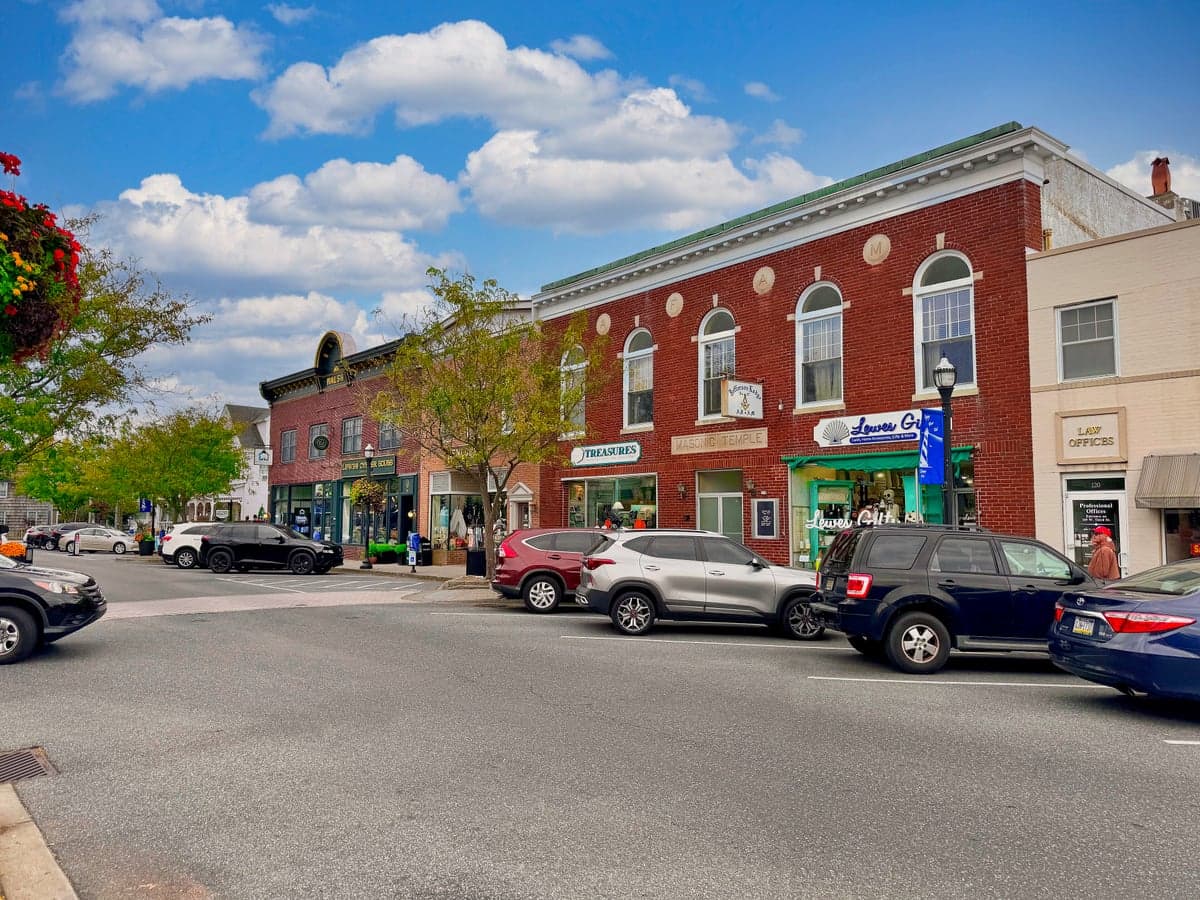
Photo: Wikipedia
Personal Sovereignty in Lewes, DE
Viable for self-reliance. Generally workable, though some barriers may limit total independence.
What does Personal Sovereignty tell us?
Personal Sovereignty measures your capacity for self-reliance and independence with minimal government friction. Higher scores mean fewer barriers between you and the way you want to live... but it assumes you have the space you need and good neighbors.
What does this tell us?
Personal Sovereignty measures your capacity for self-reliance and independence with minimal government friction. Higher scores mean fewer barriers between you and the way you want to live... but it assumes you have the space you need and good neighbors.
State Policy
Energy independence: Importer (2% of energy produced in-state)
Personal Liberty
Homesteading

Personal Liberty Analysis
Lewes, Delaware offers a mixed but notably above-average environment for personal sovereignty, particularly when compared to the heavily regulated corridors of the Northeast corridor from which many relocating to the area are fleeing. While no coastal town is a libertarian utopia, Lewes sits within a state that has historically resisted some of the most aggressive federal overreach, and its local governance tends toward a live-and-let-live ethos rather than the hyper-regulation found in neighboring Maryland or New Jersey. For the single individual or family prioritizing autonomy—whether that means keeping more of what you earn, defending your home without bureaucratic hurdles, or living with minimal government intrusion into daily decisions—Lewes presents a strategic compromise between coastal amenity and personal freedom.
Tax burden and regulatory posture: How Delaware compares to neighboring states
Delaware’s tax structure is one of its strongest selling points for the sovereignty-minded. There is no state or local sales tax, meaning every dollar you earn or spend stays in your pocket rather than funding an ever-expanding state apparatus. Property taxes in Sussex County, where Lewes sits, are among the lowest on the East Coast, typically ranging from 0.4% to 0.6% of assessed value—a fraction of what you would pay in New York, New Jersey, or even Maryland. The state’s corporate-friendly legal environment (the Court of Chancery) also keeps business regulation relatively light, though this matters less for individuals than for entrepreneurs. On the regulatory front, Delaware is not a free-for-all: it has building codes, environmental restrictions near the coast, and a permitting process for major renovations. However, the state’s general posture is one of moderate, not intrusive, governance. You will not face the kind of overbearing local boards that dictate paint colors or ban rainwater collection, as you might in some HOA-heavy communities further north. The key trade-off is that Lewes itself is a historic town with some preservation ordinances, so if you buy within the city limits, expect a few more rules than in the unincorporated county areas just outside town.
Self-defense and gun law specifics: What the Second Amendment looks like in Lewes
Delaware is a shall-issue state for concealed carry, meaning that as long as you pass a background check and complete a certified training course, the state must issue your permit—no subjective "good cause" requirement as in New York or California. As of 2025, permitless (constitutional) carry is not yet law, but the process to obtain a permit is straightforward and typically takes 30-60 days. This places Delaware in a much stronger position for self-defense rights than its immediate neighbors: Maryland is a may-issue state with onerous requirements, and New Jersey is effectively a no-issue state for ordinary citizens. Within Lewes itself, there are no local ordinances that further restrict firearms beyond state law—no bans on magazine capacity, no "assault weapon" registries, and no waiting periods beyond the federal background check. The state does have a red flag law (Extreme Risk Protection Order), which is a concern for those wary of due process erosion, but it is enforced sparingly in Sussex County compared to the more urbanized New Castle County. For the prepper mindset, this means you can maintain a well-stocked armory without fear of sudden local bans, and you can train on your own property if you have the acreage—though most in-town lots will require a trip to a nearby range. The broader cultural environment in Lewes and surrounding Sussex County is strongly pro-Second Amendment, with local law enforcement generally supportive of lawful gun ownership.
Self-reliance and homesteading viability: Lot sizes, zoning, and off-grid feasibility
This is where Lewes presents its most significant limitations for the hardcore prepper. In-town lots are typically small—quarter-acre or less—and subject to municipal water, sewer, and electric connections. Full off-grid living within Lewes city limits is effectively impossible due to zoning codes that require connection to public utilities and prohibit permanent alternative waste systems. However, the unincorporated areas of Sussex County just outside Lewes—such as along Route 9 or near the Cape Henlopen State Park periphery—offer larger parcels, often one to five acres, with fewer restrictions. In these areas, you can install solar panels, collect rainwater (Delaware has no statewide ban on rainwater harvesting), and keep chickens or small livestock without excessive permitting. The county zoning code does require a minimum lot size of one acre for agricultural uses, and you cannot run a full-scale farm on a residential lot, but for a family wanting a substantial garden, a few goats, and a backup power system, the regulatory hurdles are low. The biggest constraint is the water table: much of the area is low-lying and prone to flooding, so any serious homesteading requires careful site selection and possibly raised beds or berms. For the survivalist, the ideal play is to buy a small in-town property for daily life and a larger rural parcel within 20 minutes for long-term projects—a common strategy among the more prepared residents in the area.
Personal liberties: Parental rights, medical autonomy, speech, and property
Delaware generally respects parental rights in education, though it is not as strong as states like Florida or Texas. Parents can homeschool under a straightforward notification process, and there is no requirement for state-approved curriculum or standardized testing for homeschoolers—just an annual portfolio review or standardized test submission. The state does have a mask and vaccine mandate history that alarmed many during the COVID era, but those mandates have been repealed, and local sentiment in Sussex County is heavily skeptical of such overreach. On medical autonomy, Delaware is a mixed bag: it has legalized recreational marijuana, which some see as a freedom issue, but it also maintains strict prescription monitoring and has not passed broad medical freedom legislation like Idaho or Montana. Speech and assembly rights are robust—Lewes is a small town where local government meetings are accessible, and there is no history of suppressing political speech. Property rights are strong in the county areas, with no statewide rent control and minimal eminent domain abuse, though the coastal zone does impose some restrictions on development near wetlands and beaches. The overall vibe is that you can live your life largely as you see fit, provided you are not trying to do something that visibly disrupts the quiet, historic character of the town—which for most conservative-leaning individuals means a high degree of practical freedom.
In the broader context of the East Coast, Lewes ranks as a solid B+ for personal sovereignty. It is not the libertarian frontier of rural Alaska or New Hampshire, but it offers a genuine escape from the worst of the coastal regulatory states. The combination of no sales tax, low property taxes, a shall-issue gun permit system, and a county government that largely leaves you alone makes it one of the better options for those who value autonomy while still wanting access to beaches, healthcare, and a stable community. The key is to buy outside the city limits if you want maximum freedom, and to accept that you are still in a state that occasionally passes laws from Dover that you will not like. For the strategic relocator who is willing to engage locally and push back against overreach, Lewes provides a solid foundation to build a self-reliant life without the constant friction of living in a jurisdiction that actively works against your independence.

* Values derived from national, state, county, city and local statistics and may differ in a specific area. Last updated: 2026-04-30T06:38:45.000Z
Narrative content on this page is AI-generated and may contain mistakes. Verify any details that matter before acting on them.
ReloMaps may earn a commission from affiliate links at no extra cost to you.

