Photo: Wikipedia
Find The Best Places To Live
in Lead
PRO TIP! You can paste a Zillow or Redfin link to get info on that property.
What It's Like Living in Lead, SD
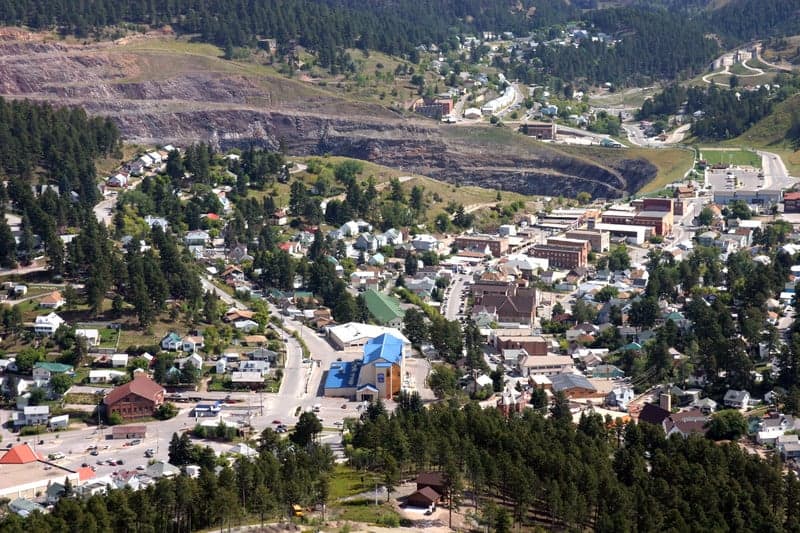
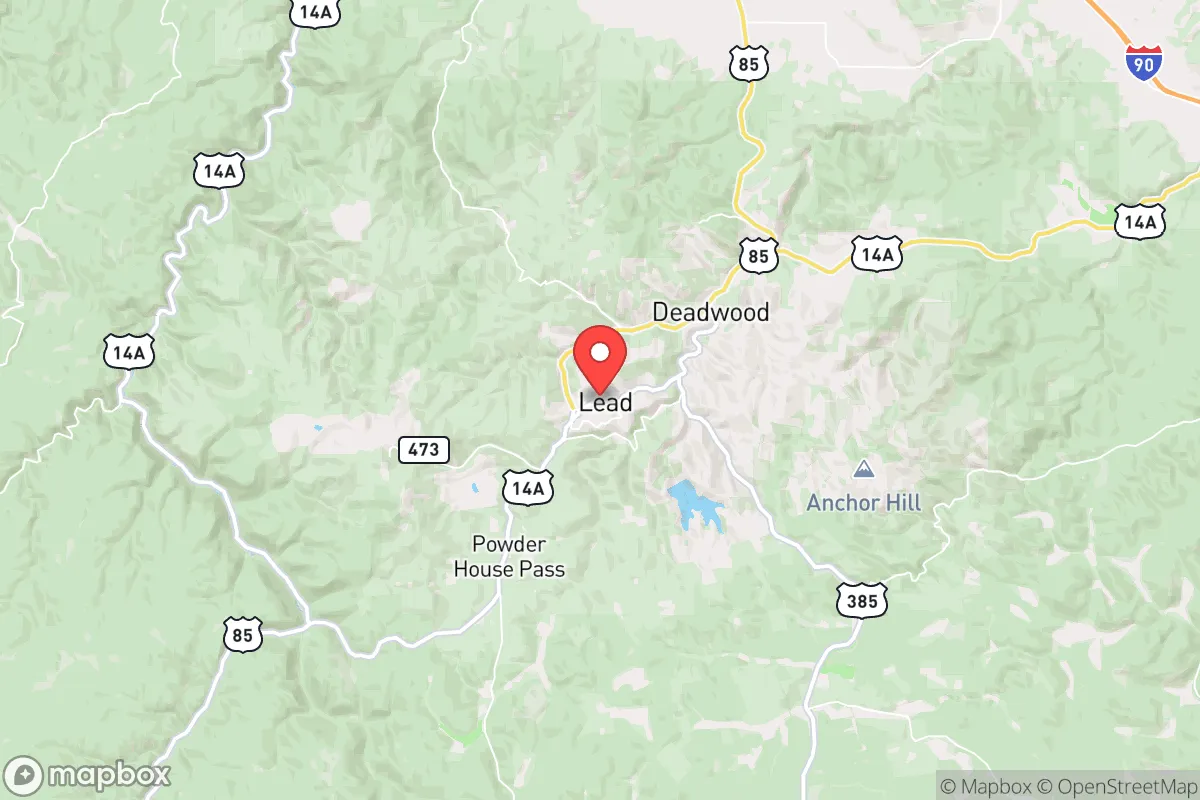
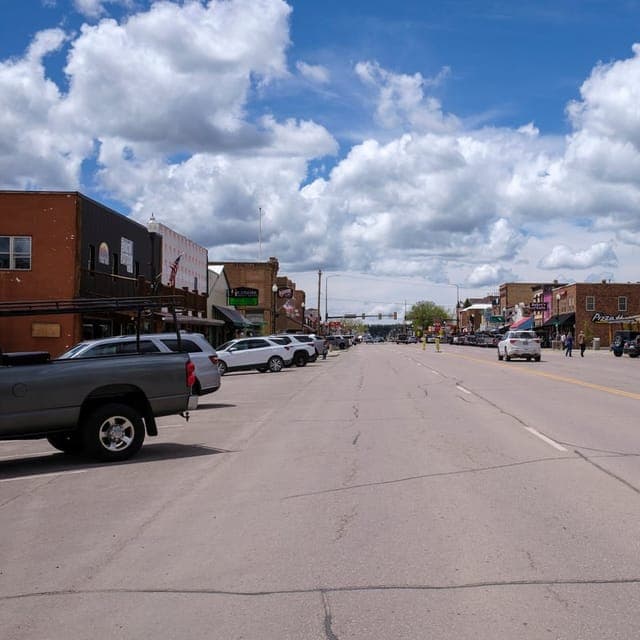
Lead, South Dakota, is the kind of place where the town’s identity is still carved out of the mountain it sits on. With a population just under 3,000 and a median age pushing 52, this isn’t a boomtown or a resort—it’s a quiet, working community that has settled into a slower rhythm after decades of mining. The Homestake Mine closure in the early 2000s reshaped everything, and what’s left is a town that feels both resilient and a little bit forgotten, where people know each other by name and the nearest Walmart is a 20-minute drive down the hill in Spearfish.
The Daily Rhythm in a Former Mining Town
Life in Lead moves at a pace that can feel jarring if you’re coming from a city. The average commute is just over 17 minutes, and that’s mostly because people live on one side of town and work on the other—or drive to Spearfish or Deadwood. Most of the jobs that remain are in healthcare, tourism, and the handful of light industrial operations that have moved into the old mine facilities. The median household income sits at $57,348, which goes further here than it would elsewhere because the cost of living index is 71—well below the national average. A median home value of $192,800 means a family with one decent income can actually afford a house with a yard, which is increasingly rare in the Black Hills region.
Weekends are spent outdoors by default. There’s no mall, no movie theater, no chain restaurants to speak of. People hike the nearby trails around Terry Peak, fish in Spearfish Creek, or drive the 15 minutes to Deadwood for a night of blackjack and a steak dinner at the Deadwood Social Club. The local grocery store, Lynn’s Dakotamart, is where you’ll run into everyone you know, and the Lead-Deadwood High School gym is the social hub during basketball season. For a town this small, the high school sports scene is genuinely intense—Friday night football and winter basketball games draw the whole community, and the Golddiggers’ rivalry with Spearfish is the closest thing to a local feud.
Who Fits In Here—and Who Doesn’t
Lead attracts a specific kind of person: someone who values quiet, space, and a low cost of living over nightlife and career mobility. The median age of 52.1 tells the story—this is a town of retirees and empty-nesters, mixed with a smaller group of younger families who work in the trades, healthcare, or remote jobs that let them live somewhere cheap and beautiful. Only about 20% of adults hold a college degree, which is below the national average, and that reflects the town’s blue-collar roots. If you’re a single professional in your 20s looking for a dating scene or a vibrant social life, Lead will feel claustrophobic. If you’re a parent who wants your kids to grow up in a place where they can ride bikes to the park and everyone knows whose kid is whose, it’s close to ideal.
The conservative leaning of the area is noticeable but not aggressive. This is western South Dakota, where gun ownership is common, church attendance is high, and the local politics lean heavily Republican. People keep to themselves but will help you dig your car out of a snowbank without being asked. The cultural quirks are mostly mining-related: the town still celebrates the old ethnic traditions of the Cornish and Italian immigrants who worked the Homestake, and the annual Days of ’76 celebration in Deadwood is a bigger deal for Lead residents than any national holiday.
What’s There to Do—and What’s Missing
Entertainment in Lead is defined by the outdoors and a few local institutions. Terry Peak Ski Area is the main winter draw, offering solid skiing and snowboarding for a fraction of the cost of Colorado resorts. In summer, the Mickelson Trail runs right through town, a 109-mile rail-trail that’s popular with cyclists and hikers. The local dive bar is the Golden Hills Saloon, where you can get a beer and a burger for under $10, and the only music venue worth mentioning is the Deadwood Mountain Grand, a 15-minute drive away, which books mid-tier country and rock acts. The biggest annual event is the Lead-Deadwood Arts & Crafts Festival in August, which is exactly what it sounds like—booths of local pottery, photography, and jam—but it’s the one weekend a year when the town feels full.
The honest downsides are real. The violent crime rate is 65.5 per 100,000, which is low by national standards, but property crime can be an issue in the more isolated neighborhoods. Winters are long and harsh—November through March means snow, ice, and temperatures that can drop below zero for weeks at a time. The nearest hospital with a full ER is in Spearfish, and serious medical issues require a 45-minute drive to Rapid City. Shopping is limited to basics; anything beyond groceries and hardware means a trip down the hill. And because the town is built on a steep slope, walking anywhere involves hills that will test your fitness. But for the people who stay, the trade-off is simple: affordable housing, stunning scenery, and a community where you’re never really alone.

Similar small towns to Lead
* Values derived from national, state, county, city and local statistics and may differ in a specific area. Last updated: 2026-04-30T12:57:47.000Z
Narrative content on this page is AI-generated and may contain mistakes. Verify any details that matter before acting on them.
ReloMaps may earn a commission from affiliate links at no extra cost to you.

