Photo: Wikipedia
Quality of Life in Latrobe, PA
A high quality of life with strong walkability, manageable living costs, healthy neighborhood signals, and solid amenity access.
What does Quality of Life tell us?
Quality of Life blends cost of living, nearby amenities, socioeconomic signals, and neighborhood character. City-level scores represent the whole municipality; individual neighborhoods can differ.
What does this tell us?
Quality of Life blends cost of living, nearby amenities, socioeconomic signals, and neighborhood character. City-level scores represent the whole municipality; individual neighborhoods can differ.
Cost of Living
41% below national average
The Real Cost of Living in Latrobe, PA for 2026
| Tier | Individual | Family (4) |
|---|---|---|
| Survival | $12k | $23k |
| Comfortable | $27k | $40k |
| Luxury | $100k+ | $154k+ |
| Elite (Top 5%) | $126k+ | $196k+ |
137%
The Area Signal
A metric tracking the socioeconomic signals of the area.
Hobbies
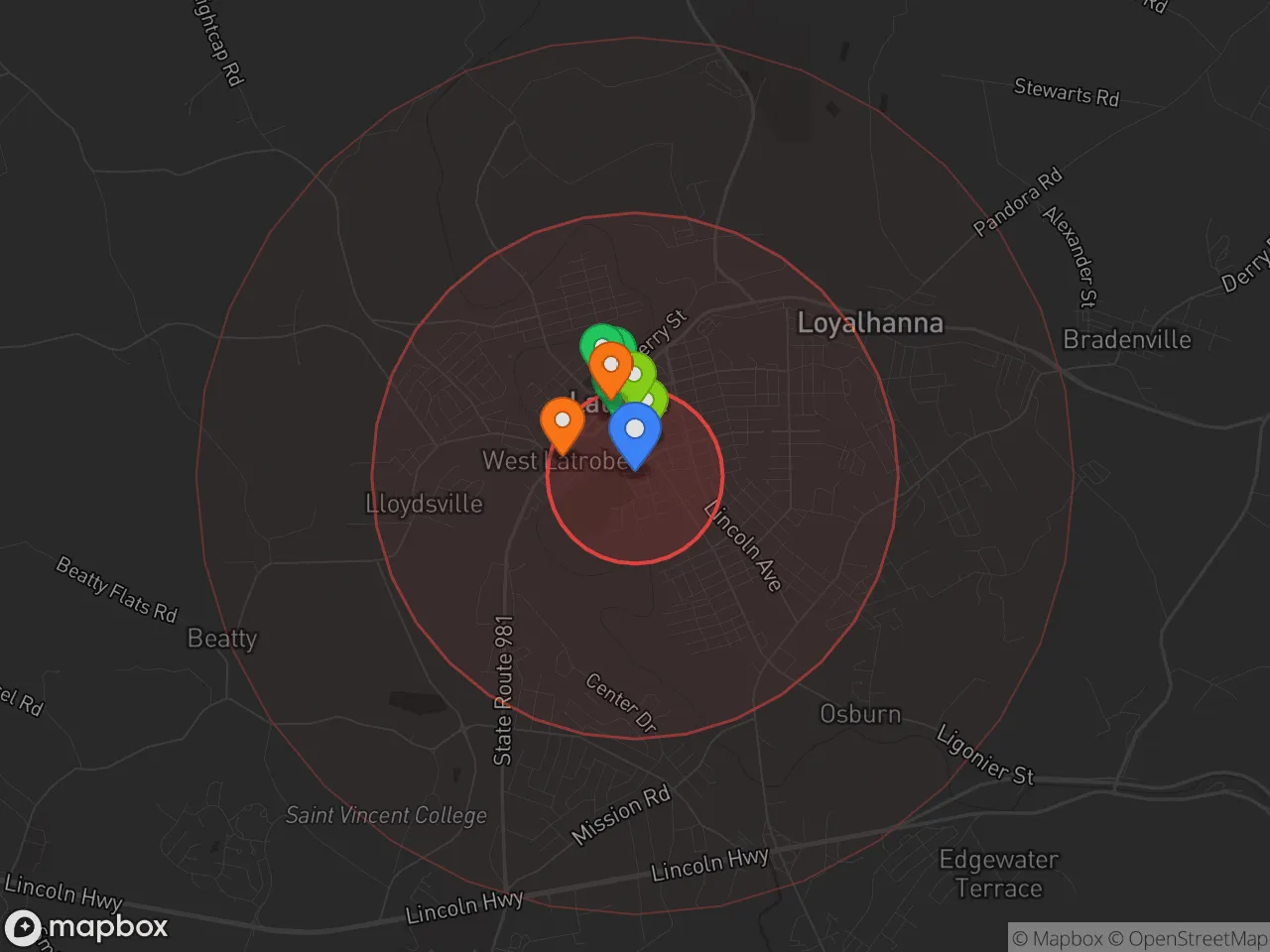
Explore the areaGroceries
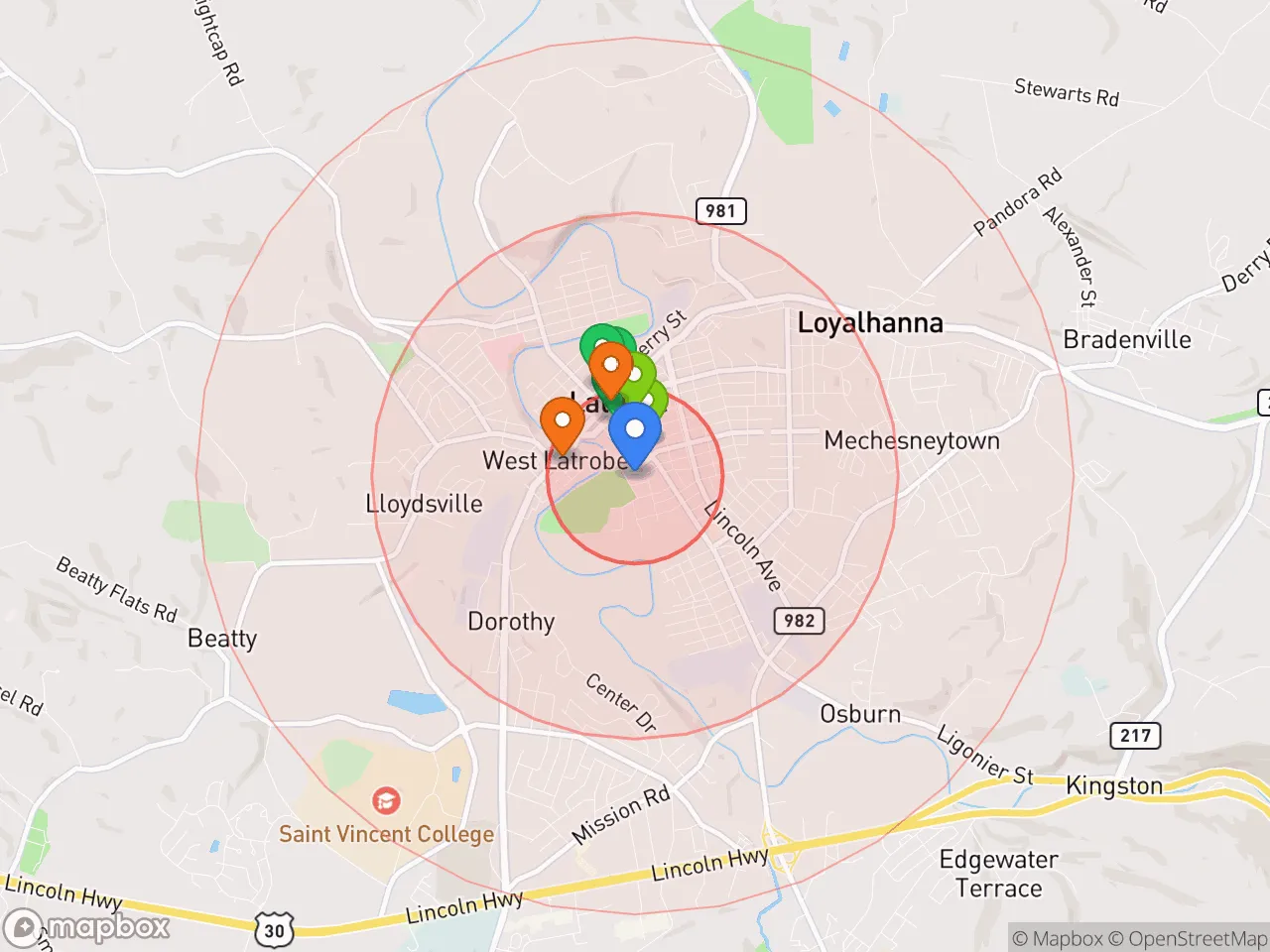
3 within 10 miles
Gas
20 within 10 miles
Hospital
5 within 20 miles
Airport
Pittsburgh International Airport
Post Office
USPS — Pleasant Unity, PA
Critical Amenities
Quality-of-Life Analysis
Latrobe, Pennsylvania, offers a quality of life defined by small-town affordability and a strong sense of community, attracting a mix of retirees, young families, and commuters who work in the broader Greensburg and Pittsburgh metro areas. With a cost of living index of 59—well below the national average of 100—the area provides a notably lower financial barrier to entry compared to many parts of the Northeast. The population skews toward middle-income households and long-term residents, creating a stable, family-oriented social fabric where neighbors often know each other by name.
Cost of living, housing, and how Latrobe compares to nearby areas
Latrobe’s housing market is one of its strongest draws for newcomers. The median home value sits at $140,600, and the median rent is $761 per month—both significantly lower than the Pennsylvania state averages and a fraction of what one would pay in Pittsburgh’s eastern suburbs. This affordability extends to utilities, groceries, and transportation, making the overall cost of living index of 59 a standout figure. Compared to nearby Greensburg or Ligonier, Latrobe offers more bang for the buck in terms of square footage and lot size, though home appreciation has been modest. The average commute time is 18.6 minutes, which is notably shorter than the national average of 26 minutes, allowing residents to work in larger employment hubs like Greensburg or even downtown Pittsburgh (about 40 miles west) without enduring a long daily drive.
What daily life is like for families: amenities, schools, and local rhythm
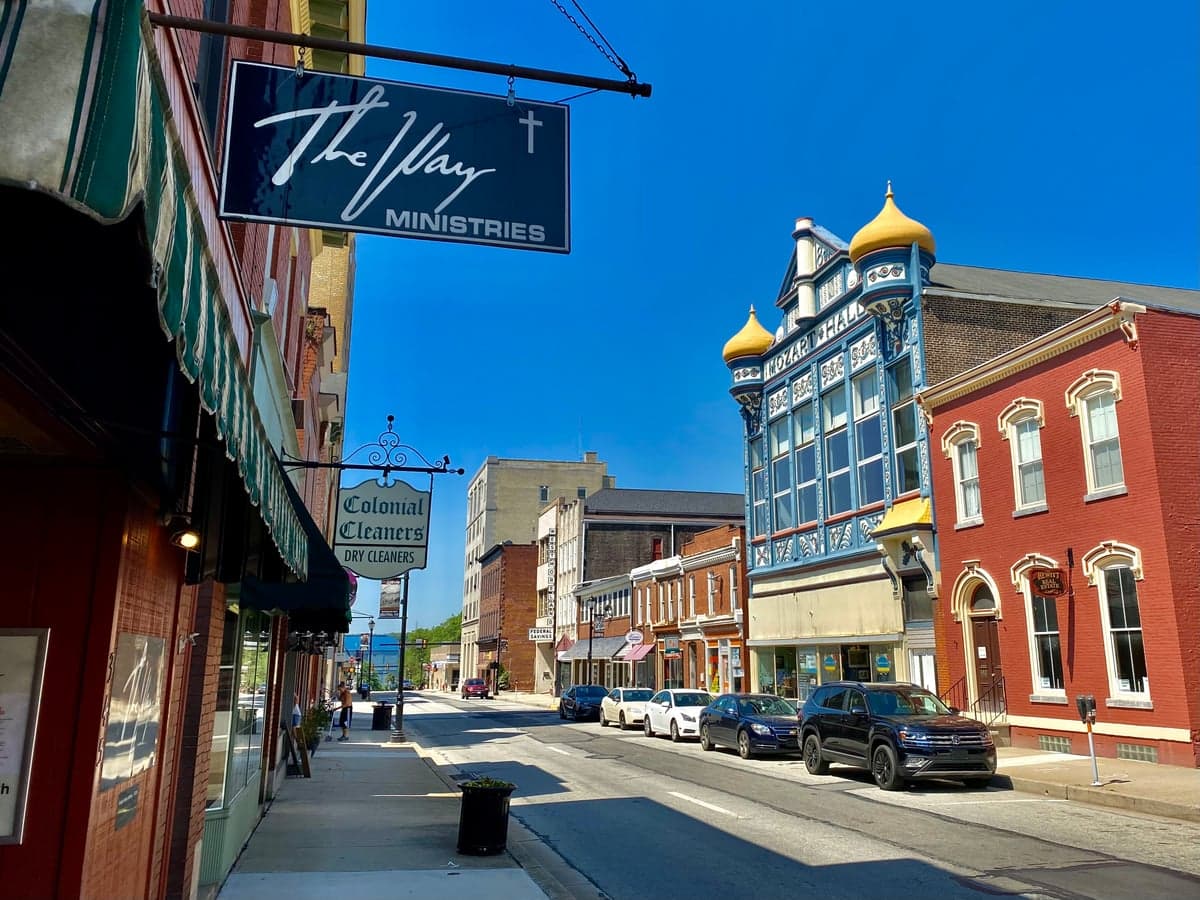
Daily life in Latrobe centers on a walkable downtown core, local parks, and a calendar of community events such as the annual Great American Banana Split Celebration (the dessert was invented here in 1904). The Greater Latrobe School District serves the area with a reputation for solid academics and competitive sports programs, while nearby private and parochial options add choice for families. For everyday needs, residents rely on a mix of local shops, chain retailers along Route 30, and grocery stores within a short drive. Healthcare access is provided by Excela Health Latrobe Hospital, a full-service facility that reduces the need to travel for routine or emergency care. The area’s recreational offerings include the Latrobe Country Club (home to Arnold Palmer’s childhood course), Loyalhanna Creek for fishing and kayaking, and the nearby Laurel Highlands for hiking and skiing. The overall pace is unhurried, with a strong emphasis on outdoor activity, local sports, and civic involvement.
Latrobe is best suited for those who prioritize affordability, a slower pace, and a tight-knit community over urban nightlife or rapid career growth. Retirees on fixed incomes, remote workers seeking lower housing costs, and families who want good schools without a high price tag will find the area particularly appealing. While job opportunities within Latrobe itself are limited—manufacturing and healthcare are the largest sectors—the short commute to larger employment centers makes it a practical base. For anyone looking to stretch their dollar further while staying within reach of Pittsburgh’s cultural and economic resources, Latrobe presents a compelling, grounded option.

Crime in Latrobe, PA
Generally safer than 69% of comparable U.S. locations.
Violent CrimeViolent Crime Analysis
Property CrimeProperty Crime Analysis
Crime Analysis
Latrobe, Pennsylvania, presents a notably safer environment than many comparably sized towns in the Pittsburgh metropolitan area, with violent and property crime rates that fall well below both state and national averages. The town's overall safety profile is bolstered by a conservative-leaning local judiciary and law enforcement approach, which contrasts sharply with the progressive prosecutorial policies seen in larger nearby cities. For prospective residents, the data indicates a community where the risk of becoming a crime victim is significantly lower than in the surrounding region.
Crime in context
Latrobe's violent crime rate stands at 177.9 incidents per 100,000 residents, a figure that is roughly half the national average and significantly lower than the rates reported in larger Pennsylvania cities like Pittsburgh or Philadelphia. The property crime rate of 305 per 100,000 is even more striking, representing less than a third of the U.S. average. These numbers place Latrobe among the safer municipalities in Westmoreland County. The low crime rates are consistent with the area's political and judicial climate, which has not adopted the progressive, offender-focused policies that have been linked to rising crime in other parts of the state. Residents benefit from a justice system that prioritizes public safety and victim rights over lenient sentencing, a factor that directly contributes to fewer repeat offenders on the streets.
What residents experience
Daily life in Latrobe is characterized by a low likelihood of encountering serious crime. The most common incidents reported are minor property crimes, such as theft from vehicles or unlocked sheds, rather than violent confrontations. The town's police department maintains a visible presence, and community policing efforts are well-supported by a population that values order and accountability. Unlike in nearby metropolitan areas where progressive district attorneys have implemented cashless bail and non-prosecution policies for certain offenses, Latrobe's legal system holds offenders accountable, creating a deterrent effect. This approach means that residents are less likely to see repeat offenders cycling through the system and back onto their streets, a common complaint in jurisdictions with more lenient criminal justice philosophies.
Neighborhood-level variation in Latrobe is modest but worth noting. The areas immediately surrounding Saint Vincent College and the historic downtown district tend to have the lowest incident reports, while some of the more rural, less densely populated outskirts see occasional trespassing and theft. However, no neighborhood in Latrobe approaches the crime density of high-risk urban corridors in Pittsburgh or Greensburg. For families and retirees seeking a community where the justice system works for law-abiding citizens rather than habitual offenders, Latrobe's data and local governance offer a compelling case for relocation.
* Values derived from national, state, county, city and local statistics and may differ in a specific area. Last updated: 2026-10-23T21:51:17.000Z
Narrative content on this page is AI-generated and may contain mistakes. Verify any details that matter before acting on them.
ReloMaps may earn a commission from affiliate links at no extra cost to you.

