
Photo by Ted Balmer on Unsplash
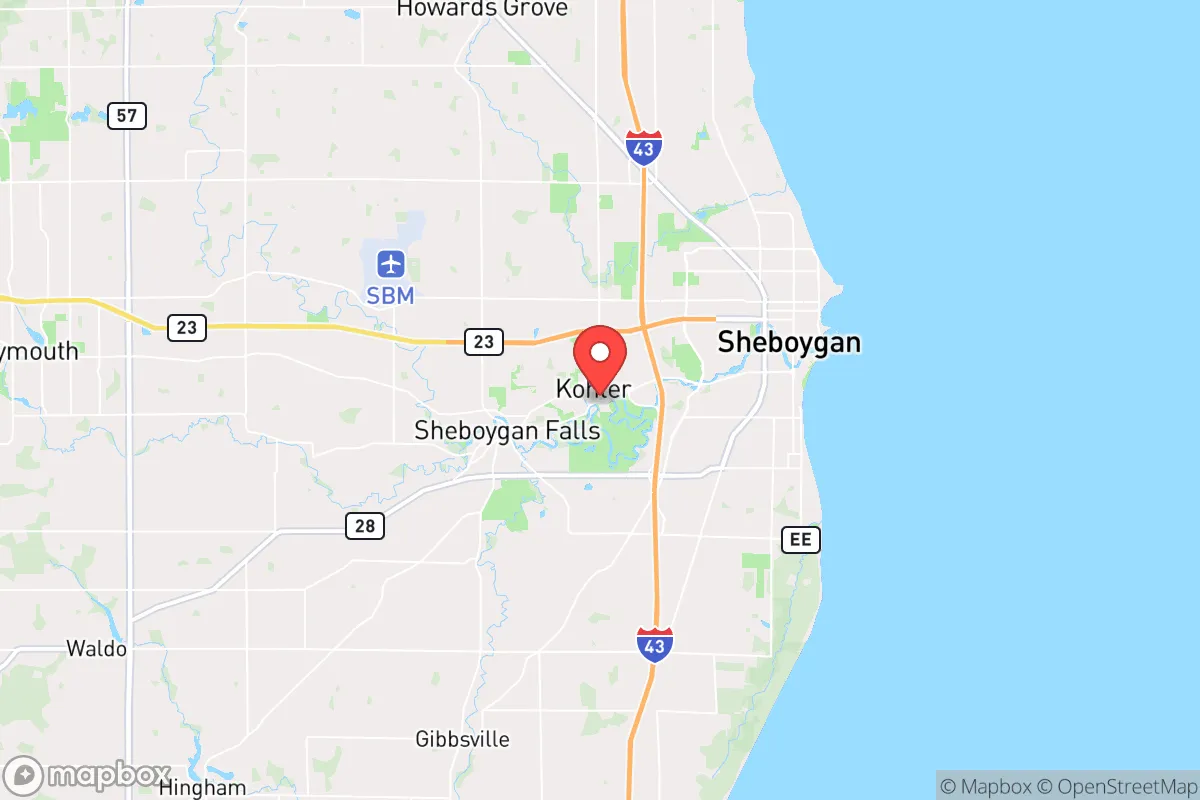
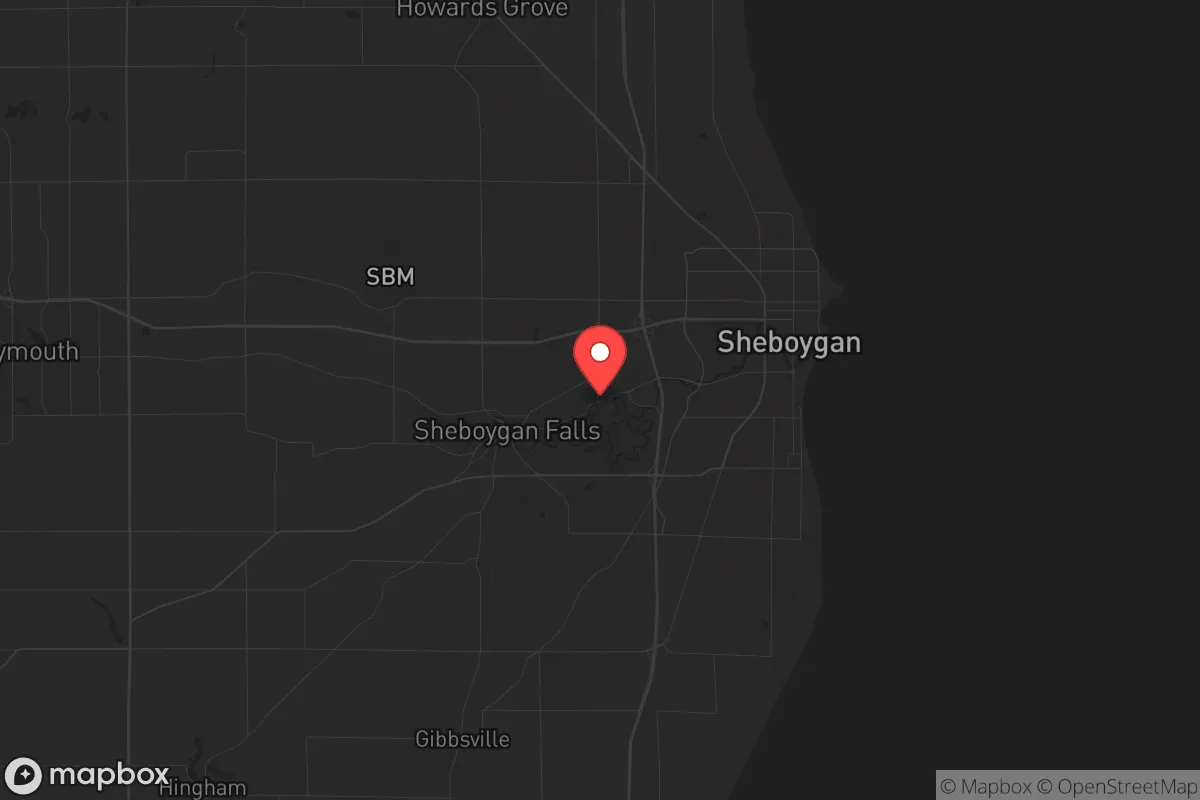
Strategic Assessment of Kohler, WI
Meaningful friction. Expect exposure to either population pressure, blast zones, or natural disaster risk. Consider buying a retreat property.
What does the Strategic Assessment tell us?
Our Strategic Assessment grades tactical survivability of an area. Major population centers, military targets, fallout zones, natural disasters, and border exposure all drive risk — lower exposure means a more defensible position in a crisis.
This is heavily inspired by Joel Skousen's Strategic Relocation book. Highly recommended you checkout the book ($)What does this tell us?
Our Strategic Assessment grades tactical survivability of an area. Major population centers, military targets, fallout zones, natural disasters, and border exposure all drive risk — lower exposure means a more defensible position in a crisis.
This is heavily inspired by Joel Skousen's Strategic Relocation book. Highly recommended you checkout the book ($)Strategic Pillars

Key Distances
Regional Safe Places
Below is our recommended "safe zones" in Wisconsin and the surrounding area based on our strategic heuristics. For most people, it's unrealistic to live in a “safe zone” full-time due to work, family or other personal reasons. They tend to be more rural. However, many of these areas are perfect for second homes and retreat properties that double as a vacation home or even a short-term rental.
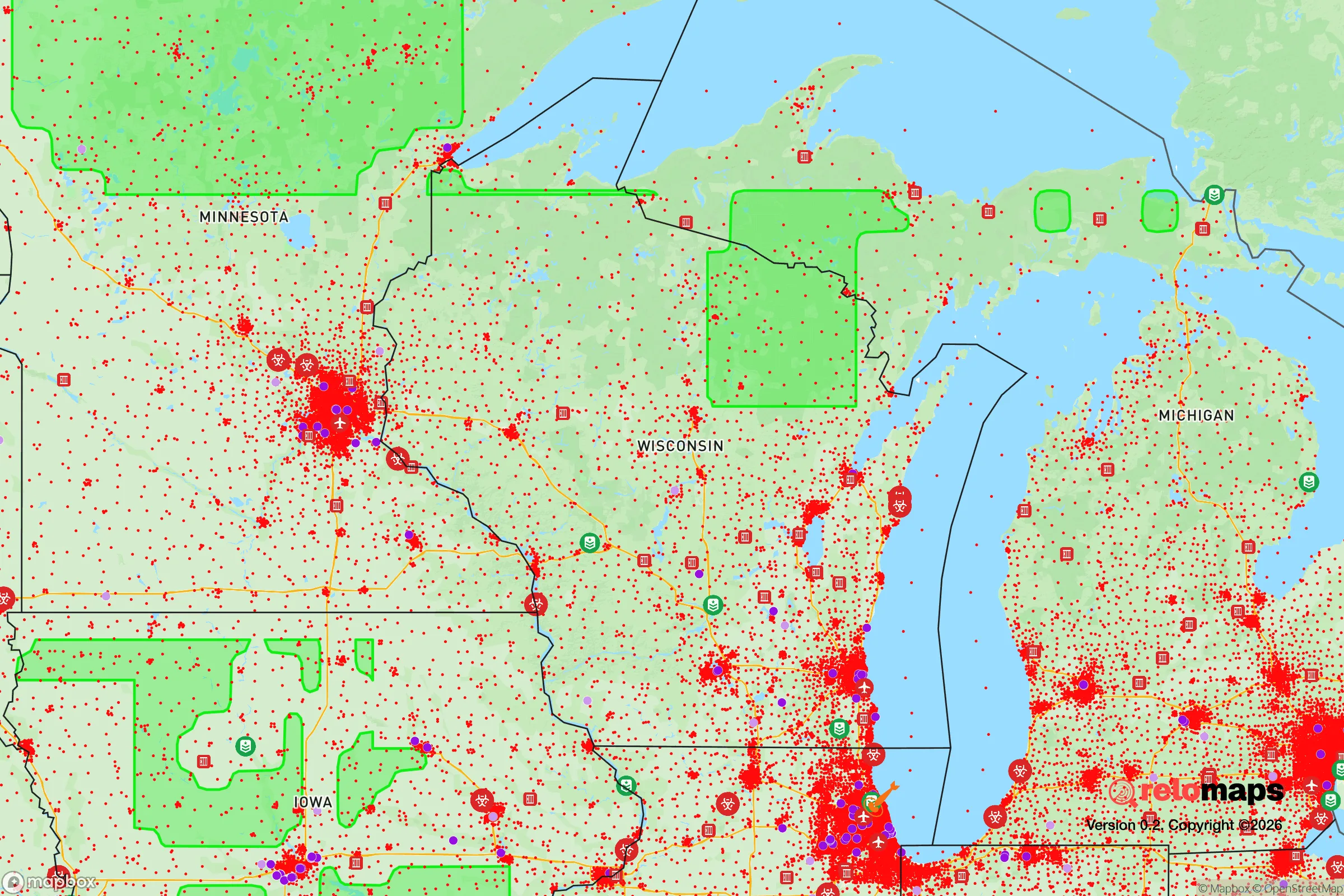
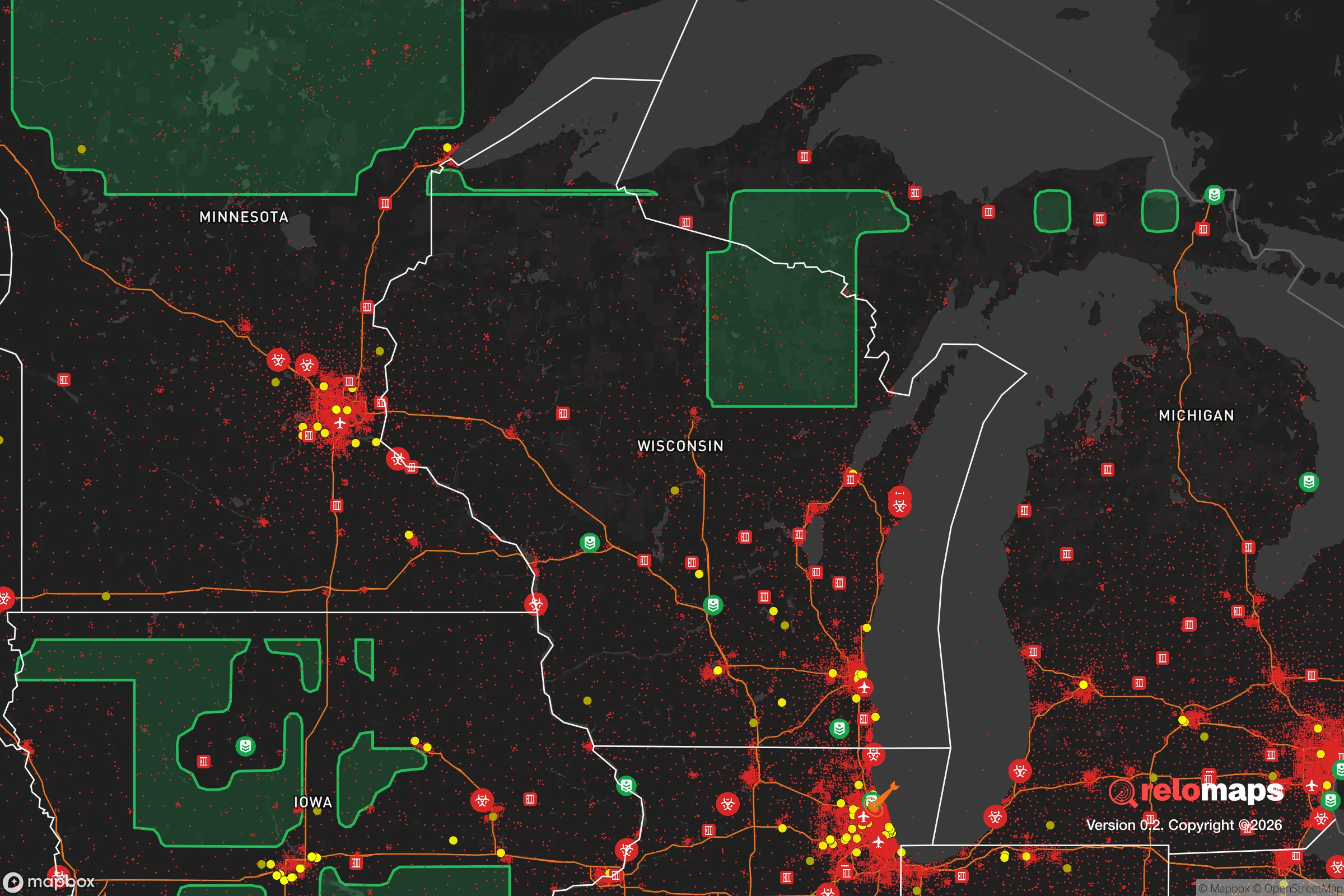


Important Note: For informational purposes only. This does not mean nothing bad ever happens in the green zones. Please use common sense. This is based on public data and modeled with AI. We tried to take a conservative approach but mistakes happen. We update this regularly as new information becomes available.
Solar Generator Recommendations
Backup power matters more here than in safer locations. We've picked three solar generators across budgets and capacity tiers — start with the budget unit if you only need a few essentials, or step up if you want to run a fridge and HVAC for days at a time.

Jackery Portable Power Station Explorer 300
Budget OptionPower on the Go: Weighing only 11 lbs, it's convenient to set up and store with book-sized foldable solar panels

BLUETTI Portable Power Station AC180
Designed for both indoor and outdoor scenarios, AC180 is highly capable as it has a robost capacity and continuous output power.

EF ECOFLOW DELTA Pro Ultra Power Station
Upgraded PickEcoFlow DELTA Pro Ultra is a whole-home energy system designed to grow with your family. Integrated with the Smart Home Panel 2, it scales to meet your evolving energy needs — keeping your home powered, intelligent, and secure through every stage of life.
We earn a commission, at no additional cost to you.
Strategic Assessment Analysis
Kohler, Wisconsin, offers a surprisingly strong strategic position for a relocator prioritizing disaster readiness and self-sufficiency, largely due to its location within the relatively stable and resource-rich Great Lakes region. While no place is immune to risk, Kohler’s combination of a robust local economy, a low population density, and proximity to critical freshwater resources makes it a more resilient choice than many suburban or exurban alternatives. The village itself is a company town with a deep institutional history, which provides a layer of economic stability and community cohesion that is often absent in more transient areas, but its proximity to larger population centers like Sheboygan and Milwaukee introduces specific vulnerabilities that must be weighed carefully.
Geographic position and natural advantages for long-term stability
Kohler’s primary geographic asset is its location on the western shore of Lake Michigan, one of the largest and most reliable sources of fresh surface water on the continent. In a scenario where water scarcity becomes a regional or national issue, access to the Great Lakes is a significant strategic advantage. The village sits about 10 miles west of the lake, placing it close enough to benefit from the lake’s moderating effect on climate—reducing extreme temperature swings—but far enough inland to avoid the most severe lake-effect snow bands that can paralyze immediate coastal communities. The surrounding landscape is predominantly agricultural, with the Kettle Moraine State Forest and other wooded areas providing a buffer of open space and potential foraging or hunting grounds. This mix of farmland and forest offers a degree of food security that dense urban or purely suburban environments lack. The area’s elevation is modest, with no significant floodplain risks, and the underlying geology is stable, with no major seismic or volcanic threats. For a relocator, the natural advantages here are clear: abundant fresh water, a moderate climate, and a low-density, productive landscape that can support a degree of self-sufficiency.
Risk exposure and proximity to fallout-relevant landmarks
The most significant risk for Kohler is its proximity to larger population and industrial centers that could become targets or sources of secondary disruption. The village is roughly 55 miles north of Milwaukee and about 130 miles north of Chicago, placing it within the potential fallout zone of a major metropolitan event, though not in the immediate blast radius. More concerning is the presence of the Sheboygan County Memorial Airport (about 10 miles east), which, while small, could be a secondary target or a staging area for response efforts that draw unwanted attention. The area is also within a 100-mile radius of the Point Beach Nuclear Plant (about 30 miles north) near Two Rivers. While the plant has a strong safety record, any nuclear incident—whether from accident or sabotage—could render a significant portion of the region uninhabitable for an extended period, depending on wind patterns. Additionally, the I-43 corridor, which runs through Sheboygan and connects to Milwaukee and Green Bay, is a major transportation artery that could become a chokepoint or a vector for population movement during a crisis. For a relocator, the key takeaway is that Kohler is not a remote, off-grid sanctuary; it is a semi-rural area with clear exposure to the risks of nearby urban and industrial infrastructure. The risk is manageable, but it requires a realistic plan for monitoring and, if necessary, moving further inland or north.
Practical resilience for a relocator: food, water, energy, and defensibility
Kohler’s practical resilience is a mixed bag, with strong points in water and community structure, but notable weaknesses in energy independence and defensibility. Water is the strongest asset: the village draws from a deep aquifer, and the proximity to Lake Michigan provides an almost inexhaustible backup source, though treatment and pumping would be required. For a relocator, installing a private well and a rainwater catchment system is feasible and advisable. Food security is moderate. The surrounding farmland produces corn, soybeans, and dairy, and there are local farmers’ markets and CSAs, but the area is not a major grain or vegetable surplus region. A relocator would need to establish a substantial garden and consider small-scale livestock (chickens, goats) to achieve meaningful self-sufficiency. The presence of the Kohler Company, a major manufacturing employer, means the local economy is not entirely dependent on agriculture, which provides a buffer against crop failures. Energy is a vulnerability. The grid is typical for the Midwest, with above-ground lines susceptible to ice storms and high winds. Natural gas is the primary heating fuel, and while it is reliable in normal times, a prolonged grid outage would leave most homes without heat or power. Solar is viable but requires battery storage due to the region’s cloud cover and short winter days. Defensibility is low. Kohler is a small, open village with no natural barriers like mountains or rivers that would impede movement. The village’s layout is suburban, with easy road access from all directions. A relocator would need to rely on a tight-knit community and a well-stocked homestead rather than any inherent geographic defensibility. The village’s small population (around 2,200) and strong local identity do offer a social resilience that larger, more anonymous towns lack, but it is not a fortress.
Overall, Kohler presents a viable but not exceptional strategic picture for a disaster-ready relocator. Its greatest strengths are its access to freshwater, its stable local economy, and its position in a region with a relatively low risk of natural disasters. Its greatest weaknesses are its proximity to potential man-made risks (nuclear plant, major cities, transportation corridors) and its lack of natural defensibility. For a single individual or family willing to invest in off-grid energy, water storage, and a substantial garden, Kohler can be a solid base of operations. However, it is not a location that offers true isolation or security from large-scale events. The prudent relocator would treat Kohler as a comfortable, low-risk home base for normal times, with a pre-planned bug-out route to more remote areas in the Upper Peninsula or northern Wisconsin if a major crisis unfolds. It is a place to live well, not a place to hide.

* Values derived from national, state, county, city and local statistics and may differ in a specific area. Last updated: 2026-09-05T14:20:42.000Z
Narrative content on this page is AI-generated and may contain mistakes. Verify any details that matter before acting on them.
ReloMaps may earn a commission from affiliate links at no extra cost to you.

