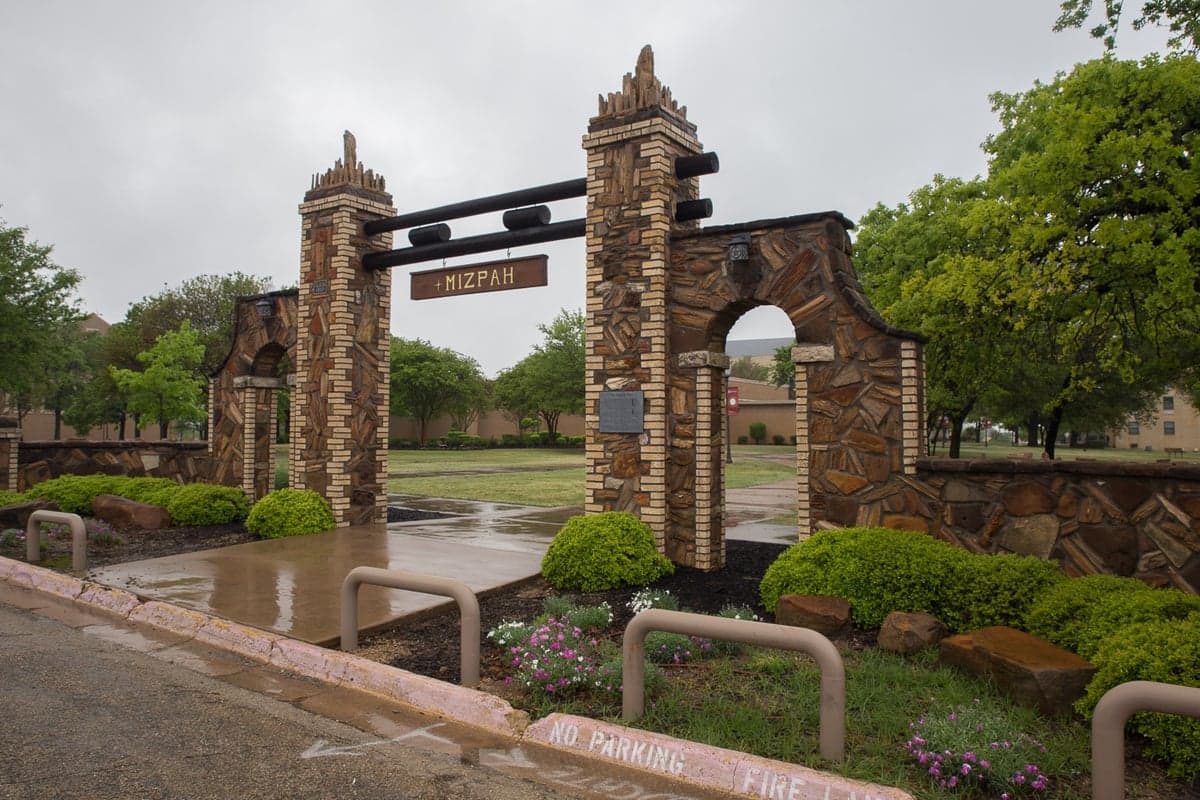
Photo: Wikipedia
Strategic Assessment of Keene, TX
Meaningful friction. Expect exposure to either population pressure, blast zones, or natural disaster risk. Consider buying a retreat property.
What does the Strategic Assessment tell us?
Our Strategic Assessment grades tactical survivability of an area. Major population centers, military targets, fallout zones, natural disasters, and border exposure all drive risk — lower exposure means a more defensible position in a crisis.
This is heavily inspired by Joel Skousen's Strategic Relocation book. Highly recommended you checkout the book ($)What does this tell us?
Our Strategic Assessment grades tactical survivability of an area. Major population centers, military targets, fallout zones, natural disasters, and border exposure all drive risk — lower exposure means a more defensible position in a crisis.
This is heavily inspired by Joel Skousen's Strategic Relocation book. Highly recommended you checkout the book ($)Strategic Pillars
Key Distances
Regional Safe Places
Below is our recommended "safe zones" in Texas and the surrounding area based on our strategic heuristics. For most people, it's unrealistic to live in a “safe zone” full-time due to work, family or other personal reasons. They tend to be more rural. However, many of these areas are perfect for second homes and retreat properties that double as a vacation home or even a short-term rental.

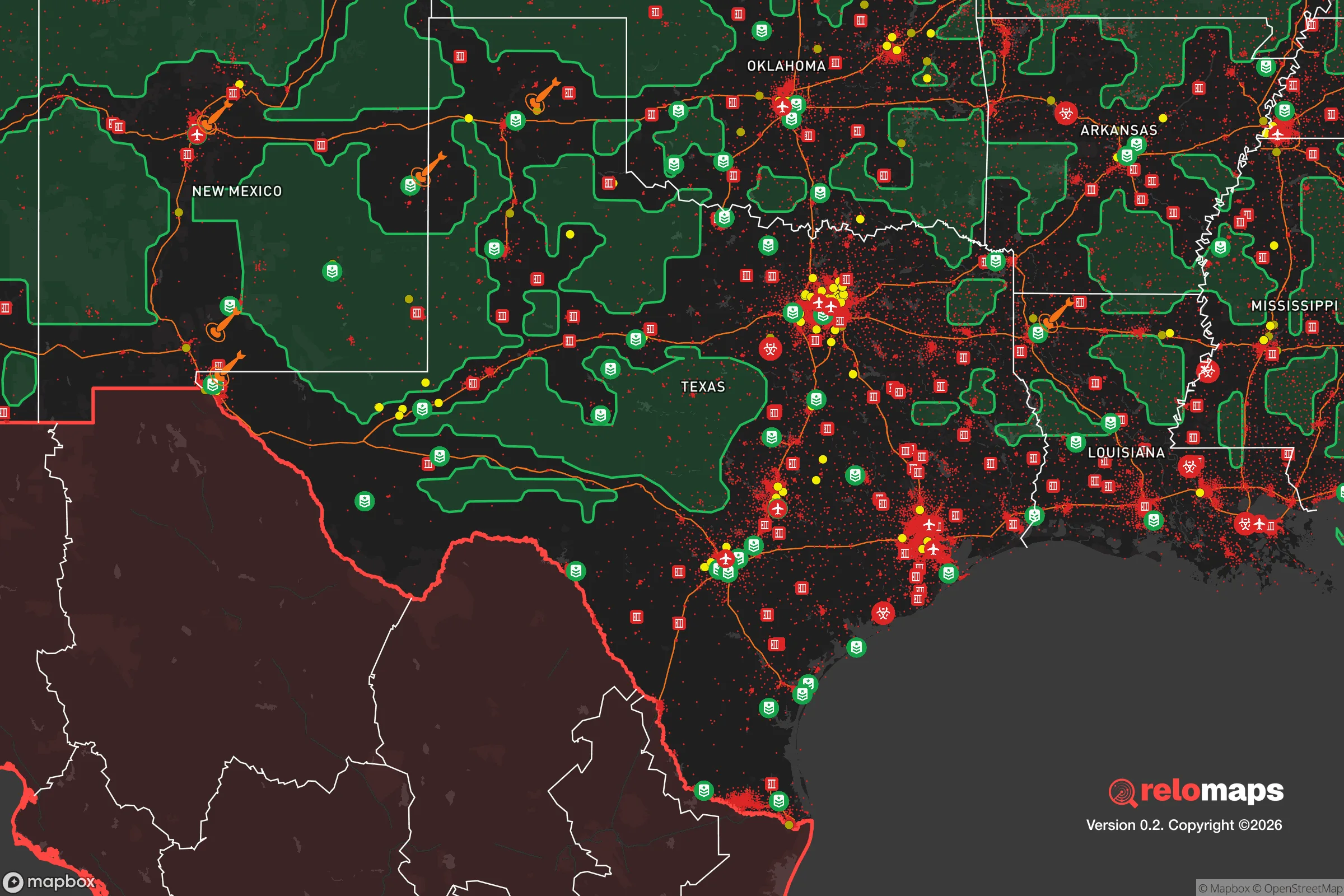


Important Note: For informational purposes only. This does not mean nothing bad ever happens in the green zones. Please use common sense. This is based on public data and modeled with AI. We tried to take a conservative approach but mistakes happen. We update this regularly as new information becomes available.
Solar Generator Recommendations
Backup power matters more here than in safer locations. We've picked three solar generators across budgets and capacity tiers — start with the budget unit if you only need a few essentials, or step up if you want to run a fridge and HVAC for days at a time.
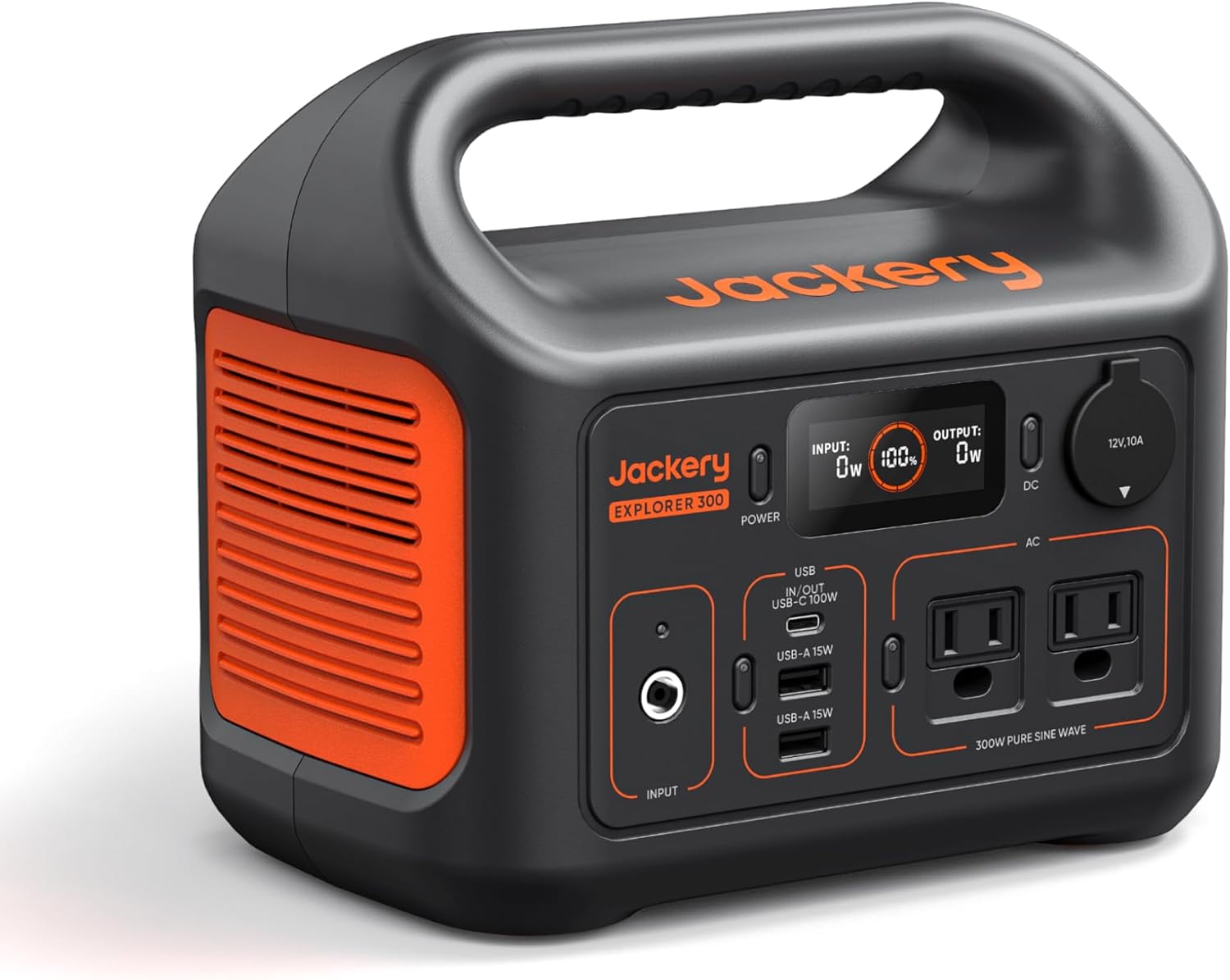
Jackery Portable Power Station Explorer 300
Budget OptionPower on the Go: Weighing only 11 lbs, it's convenient to set up and store with book-sized foldable solar panels

BLUETTI Portable Power Station AC180
Designed for both indoor and outdoor scenarios, AC180 is highly capable as it has a robost capacity and continuous output power.

EF ECOFLOW DELTA Pro Ultra Power Station
Upgraded PickEcoFlow DELTA Pro Ultra is a whole-home energy system designed to grow with your family. Integrated with the Smart Home Panel 2, it scales to meet your evolving energy needs — keeping your home powered, intelligent, and secure through every stage of life.
We earn a commission, at no additional cost to you.
Strategic Assessment Analysis
Keene, Texas, presents a mixed strategic picture for the relocation-minded reader prioritizing resilience and self-sufficiency. Its location in the heart of the Dallas-Fort Worth metroplex offers economic opportunity but places it within a high-risk zone for both natural hazards and man-made threats, including proximity to major infrastructure and potential fallout targets. While the town itself has a small-town feel and a strong community identity, its geographic position demands a clear-eyed assessment of trade-offs between convenience and security.
Geographic position and natural advantages: why location matters for resilience
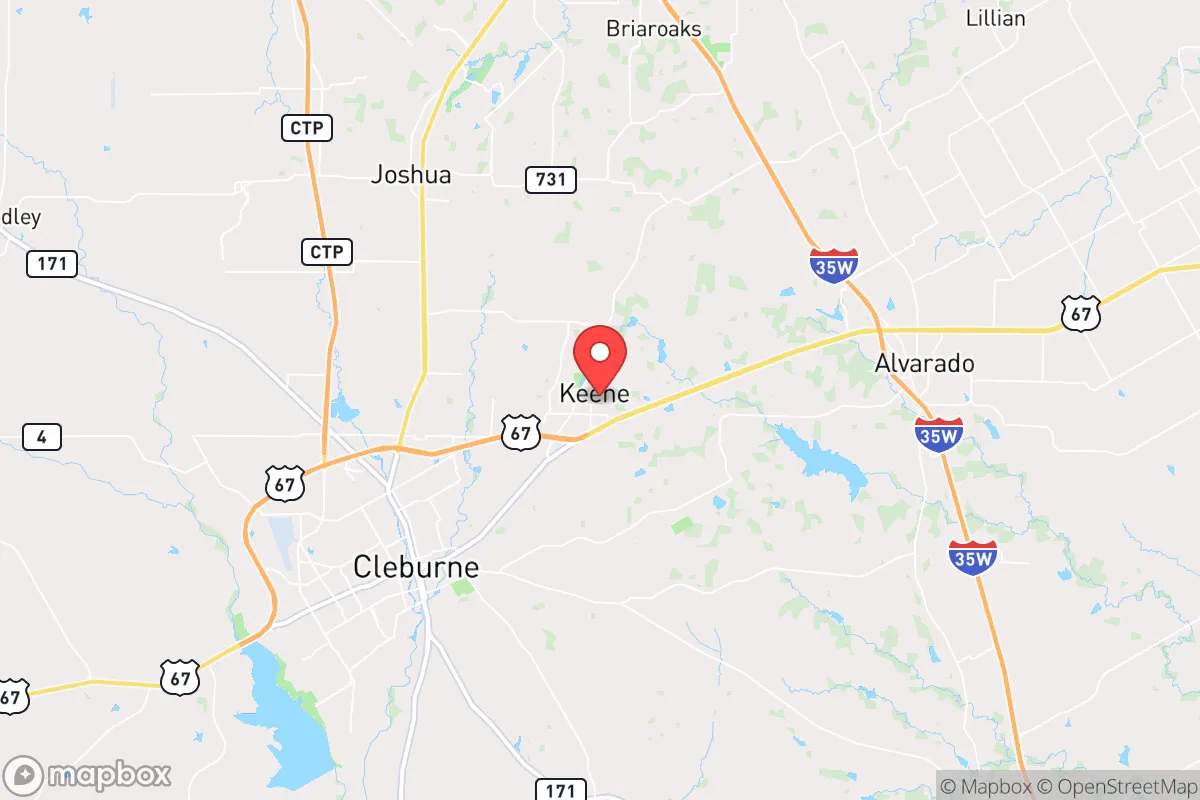
Keene sits in Johnson County, roughly 30 miles south of Fort Worth and 50 miles southwest of Dallas, placing it squarely within the sprawling DFW urban corridor. This position offers the economic and logistical benefits of being near a major metropolitan area — access to multiple hospitals, supply chains, and employment centers — but it also means the town is embedded in a region that is increasingly vulnerable to severe weather. The area lies in the heart of Tornado Alley, and while Keene itself has not suffered a direct catastrophic tornado in recent decades, the broader region experiences frequent severe thunderstorms, hail, and occasional tornado warnings. The terrain is relatively flat, with rolling prairies and scattered woodlands, offering limited natural barriers against storm systems. Flooding is a moderate concern, particularly along the nearby Brazos River and its tributaries, though Keene sits on higher ground than some neighboring communities. The climate is semi-arid, with hot summers and mild winters, which supports some degree of off-grid food production — the growing season runs roughly March through November — but water availability is the limiting factor. The area averages about 35 inches of rainfall annually, but drought cycles are common, and the region's aquifers (primarily the Trinity and Woodbine) are under increasing stress from population growth and agricultural demand.
Risks, exposures, and proximity to fallout-relevant landmarks
The most significant strategic vulnerability for Keene is its proximity to high-value man-made targets within the DFW metroplex. Dallas-Fort Worth is home to two major international airports (DFW and Love Field), multiple military installations (including Naval Air Station Joint Reserve Base Fort Worth and the Army's Fort Cavazos, formerly Fort Hood, about 90 miles south), and a dense concentration of critical infrastructure — oil refineries, chemical plants, rail hubs, and data centers. In a conflict scenario involving strategic strikes, the entire DFW area would be a high-priority target. Keene, at roughly 30 miles from downtown Fort Worth, falls within the moderate-to-severe blast and fallout risk zone for a ground burst on a major city center. The prevailing winds in North Texas are from the south and southeast, which means fallout from a strike on Dallas or Fort Worth would likely drift north and northeast, potentially sparing Keene from the heaviest contamination, but this is far from guaranteed. Additionally, the town is within 20 miles of the Comanche Peak Nuclear Power Plant (near Glen Rose, about 25 miles southwest), a potential target or accident site. The plant's emergency planning zone extends 10 miles, but fallout from a major incident could travel much farther. On the natural hazard side, the area is not prone to earthquakes, tsunamis, or hurricanes, but the risk of extended power outages from ice storms (like the February 2021 event that crippled Texas's grid) is real and recurring. The 2021 storm left millions without power for days, and Keene was not spared — the town experienced rolling blackouts and water pressure issues. This event exposed the fragility of the ERCOT grid and the vulnerability of rural communities within a metroplex that depends on centralized infrastructure.
Practical resilience for a relocator: food, water, energy, and defensibility
For someone serious about self-sufficiency, Keene offers a mixed bag. Water is the most critical constraint. The town's municipal water comes from the Trinity Aquifer and surface water sources, but the region is under a growing water stress. A private well is possible on larger lots outside city limits, but drilling depths can exceed 300 feet, and water quality varies (some areas have high mineral content). Rainwater catchment is viable given the 35-inch annual rainfall, but storage capacity must be substantial to bridge dry spells. The soil in Johnson County is primarily clay-loam, which can be productive for gardening but requires amendment and careful drainage management. The growing season is long enough for warm-season crops (tomatoes, peppers, squash, beans) and some cool-season crops (greens, root vegetables), but the summer heat (often above 95°F) can stress plants without irrigation. Local food production is feasible on a small scale, but large-scale self-sufficiency would require significant land and water investment. Energy resilience is a major concern. The Texas grid's isolation and vulnerability to winter storms mean that solar-plus-battery storage is a wise investment for any relocator. Keene gets ample sunshine (about 230 sunny days per year), making solar a practical option. Natural gas is available in town, but propane tanks are common in rural areas and offer a backup for heating and cooking. Defensibility is moderate. Keene is a small town (population around 6,000) with a low crime rate, but it is not geographically isolated — it sits along U.S. Highway 67, a major arterial connecting Cleburne and Fort Worth. This means easy access for supplies but also easy access for anyone fleeing a crisis in the metroplex. The town's layout is typical of a small Texas town: a compact downtown surrounded by residential neighborhoods and some rural acreage. Properties with significant acreage (5+ acres) are available but increasingly expensive, and many are within a short drive of the highway. For a relocator seeking true defensibility, the terrain offers limited natural cover — the land is open and rolling, with few forests or hills to provide concealment. Community resilience is a bright spot: Keene has a strong civic identity, a local police force, and a volunteer fire department, and the town's Seventh-day Adventist heritage (home to Southwestern Adventist University) fosters a culture of mutual aid and preparedness. However, the town's small size means that in a widespread crisis, it would likely be overwhelmed without external support.
The overall strategic picture for Keene is one of calculated trade-offs. It offers the economic and social benefits of proximity to a major metroplex while retaining a small-town character and a community oriented toward preparedness. However, its location within the DFW blast and fallout zone, its dependence on a fragile energy grid, and its limited water resources make it a less-than-ideal choice for someone prioritizing maximum resilience and self-sufficiency. For a relocator who values community, access to urban amenities, and a lower cost of living, and who is willing to invest in off-grid infrastructure (solar, well, rainwater catchment, food storage), Keene can be a viable base. But for those seeking true strategic depth — distance from major targets, abundant water, defensible terrain, and isolation from population centers — the area falls short. The key is to go in with eyes open: Keene is a compromise, not a fortress.

* Values derived from national, state, county, city and local statistics and may differ in a specific area. Last updated: 2026-10-17T17:11:59.000Z
Narrative content on this page is AI-generated and may contain mistakes. Verify any details that matter before acting on them.
ReloMaps may earn a commission from affiliate links at no extra cost to you.

