Photo: Wikipedia
Political ClimatePolitical Climate in Kansas
Political Environment in the State
Kansas is a solidly Republican state with a Cook PVI of R+9, but don’t let that single number fool you into thinking it’s a monolith. Over the past 10-20 years, the state has seen a real tug-of-war between its deep-red rural roots and a growing, more progressive influence from its two main metro areas. The dominant coalition is still conservative, anchored by the vast agricultural and small-town regions, but the trajectory has been anything but stable—think of it as a pendulum that swung hard right under Governor Sam Brownback in the 2010s, then snapped back toward the center with the election of Democratic Governor Laura Kelly in 2018, only to see the legislature remain firmly in GOP hands. The result is a state that feels politically schizophrenic at times, but for a conservative-leaning family or individual, the long-term trend is still favorable, provided you pick your county wisely.
Urban vs. rural divide
The political map of Kansas is a textbook study in the urban-rural split. The entire eastern third of the state, anchored by Johnson County (suburban Kansas City), is the real battleground. Johnson County used to be reliably red, but it’s been trending purple—and even blue in some precincts—as it fills up with out-of-state transplants and younger professionals. In 2020, Joe Biden actually carried Johnson County by a slim margin, a huge shift from 2012 when Mitt Romney won it by 12 points. Meanwhile, Wyandotte County (Kansas City, KS) and Douglas County (Lawrence, home to KU) are deep blue, driving the state’s leftward pressure. On the flip side, the rest of the state is overwhelmingly red. Sedgwick County (Wichita) is a bellwether—it leans Republican but is competitive, while rural counties like Sherman County in the west and Allen County in the southeast routinely vote 80%+ GOP. The divide isn’t just about geography; it’s about culture. Drive an hour west of Topeka, and you’re in a world where the Second Amendment is a religion and the local school board is more worried about critical race theory than funding. The metro areas are where the political fights happen, but the rural counties are where the GOP’s majority is built.
Policy environment
Kansas’s policy environment is a mixed bag for conservatives, but the overall direction is still pro-freedom compared to neighboring states like Missouri or Colorado. The tax structure is the headline: after the Brownback tax cuts (2012) that slashed income taxes and led to budget crises, the legislature partially reversed them in 2017 by raising rates and closing loopholes. Today, the state income tax is a flat 5.7%—not great, but not terrible. Property taxes are moderate, and there’s no state tax on Social Security benefits, which is a big plus for retirees. On regulation, Kansas is generally business-friendly, with a right-to-work law and a relatively light regulatory touch on energy and agriculture. Education policy is a flashpoint: the state has a school choice program (tax credits for private school scholarships) but it’s limited, and the Kansas Supreme Court has repeatedly forced the legislature to increase K-12 funding, which drives up property taxes in some districts. Healthcare is a sore spot—Kansas has not expanded Medicaid under the Affordable Care Act, which keeps premiums higher for those buying on the individual market but also keeps the state from taking on more federal dependency. Election laws are solid: voter ID is required, and the state has clean voter rolls. No widespread mail-in ballot chaos here. For a conservative, the policy environment is a net positive, but the constant court battles over school funding and the lingering tax hangover from the Brownback era mean you can’t get complacent.
Trajectory & freedom
Is Kansas becoming more or less free? The honest answer is: it depends on the issue. On gun rights, Kansas is a beacon. In 2021, the legislature passed a constitutional carry law (HB 2058), allowing permitless concealed carry for anyone 21 or older. That’s a clear expansion of personal liberty. On parental rights, the state passed a Parents’ Bill of Rights in 2022, requiring schools to notify parents about curriculum changes and medical services—a direct response to the woke school board movements you see in blue states. On medical autonomy, Kansas voters overwhelmingly rejected a proposed constitutional amendment in 2022 that would have removed the right to abortion, meaning the state’s courts still protect some access, but the legislature has since passed restrictions like a 22-week ban and parental consent requirements. That’s a mixed bag for pro-life conservatives—the courts are a problem, but the legislature is fighting. On property rights, Kansas is generally strong, with no statewide rent control and relatively low eminent domain abuse. The biggest threat to freedom right now is the state’s reliance on federal funding—about 30% of the budget comes from Washington—which creates a long-term dependency that could be leveraged for federal mandates. Overall, the trajectory is positive on most fronts, but the Kansas Supreme Court remains a wildcard, especially on education and abortion.
Civil unrest & political movements
Kansas is not a hotbed of civil unrest, but it has its flashpoints. The most visible in recent years was the 2022 abortion amendment fight, which saw massive grassroots organizing on both sides—pro-life groups like Kansans for Life turned out heavily, but the pro-choice side won by a 59-41 margin, largely driven by suburban women in Johnson County. That vote was a wake-up call for conservatives: the suburbs are not safe. On the left, you have organized activist groups like the Kansas People’s Action and the Mainstream Coalition, which push for progressive policies in the legislature and local school boards. On the right, the Kansas Republican Assembly and county-level GOP groups are active, especially on election integrity and school curriculum issues. Immigration politics are relatively quiet—Kansas is not a border state, and the immigrant population is small, but there have been localized tensions in places like Garden City and Dodge City, where meatpacking plants have drawn a significant Hispanic workforce. No sanctuary city policies exist, and the state has cooperated with federal immigration enforcement. Election integrity controversies flared up after 2020, with some rural counties demanding hand-count audits, but nothing like the chaos in Arizona or Georgia. The biggest visible flashpoint a new resident would notice is the culture war in public schools—school board meetings in Olathe and Shawnee Mission have been packed with parents fighting over library books and gender ideology. It’s a sign that the fight for freedom is happening at the local level.
Projection
Looking ahead 5-10 years, Kansas is likely to remain a red state, but the margin will shrink. The demographic shift is real: Johnson County is growing fast, and it’s trending left. Meanwhile, rural counties are losing population. That means the GOP will have to work harder to hold the legislature and the governor’s office. The wildcard is in-migration: if the trend of people fleeing blue states like California and Illinois continues, Kansas could see a net inflow of conservatives looking for lower taxes and more freedom. Places like Wichita and Manhattan (home to Kansas State and Fort Riley) are already seeing growth from out-of-state movers. The state’s economic base—agriculture, aviation (Textron, Spirit AeroSystems), and logistics—is stable but not booming, which could limit the kind of explosive growth that turns states purple. The most realistic projection is that Kansas stays R+5 to R+7 by 2030, with the legislature remaining GOP-controlled but the governor’s race becoming a toss-up. For a conservative moving in now, you should expect to see more cultural battles in the suburbs, but the rural and small-town areas will remain solidly red for the foreseeable future. The key is to pick your county—if you want a deep-red environment, look at Riley County (Manhattan) or Butler County (east of Wichita). If you want more amenities and are willing to fight for your values, Johnson County is the front line.
Bottom line for a new resident: Kansas is a good bet for a conservative family or individual who wants a state that respects gun rights, parental authority, and limited government, but you can’t take it for granted. The suburbs are shifting, the courts are unpredictable, and the tax situation is still recovering from the Brownback experiment. If you’re willing to get involved locally—school boards, county commissions, precinct committees—you can have a real impact. If you just want to live and let live, pick a rural county and enjoy the peace. Kansas is still a place where your vote matters, your voice is heard, and your freedoms are mostly intact. Just keep an eye on Johnson County—that’s where the future of the state is being decided.

Most Conservative Cities in Kansas
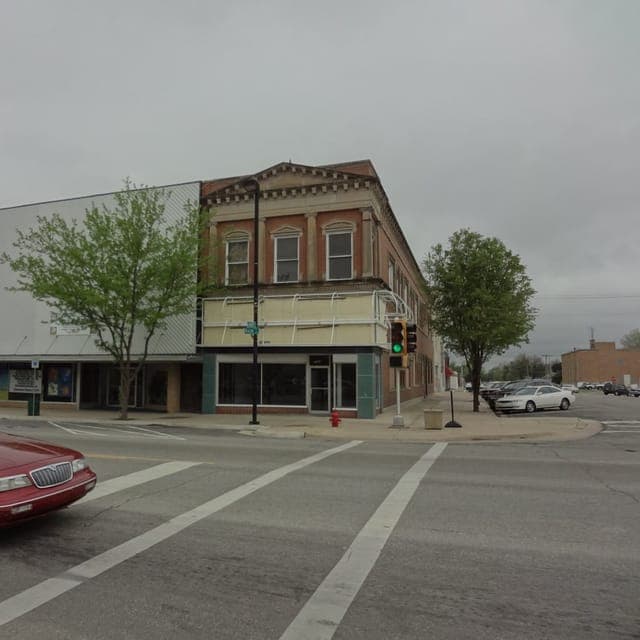

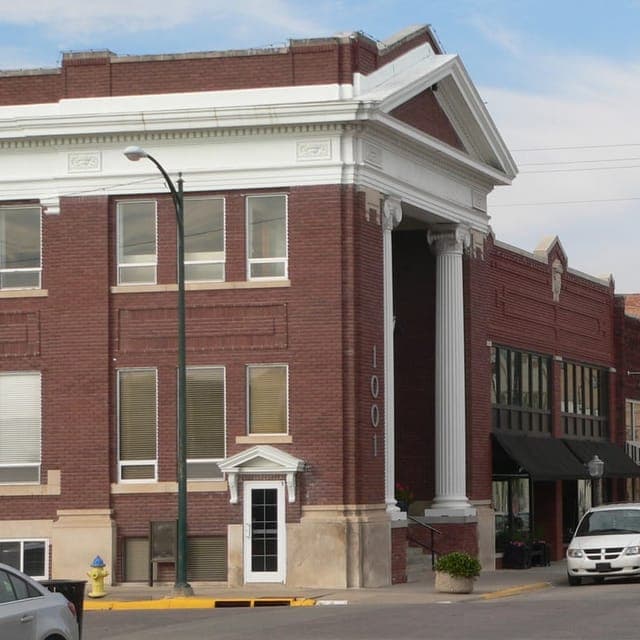
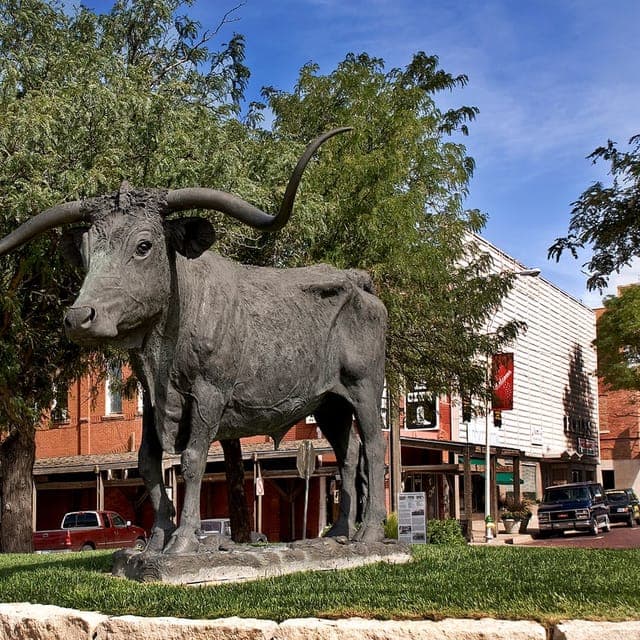
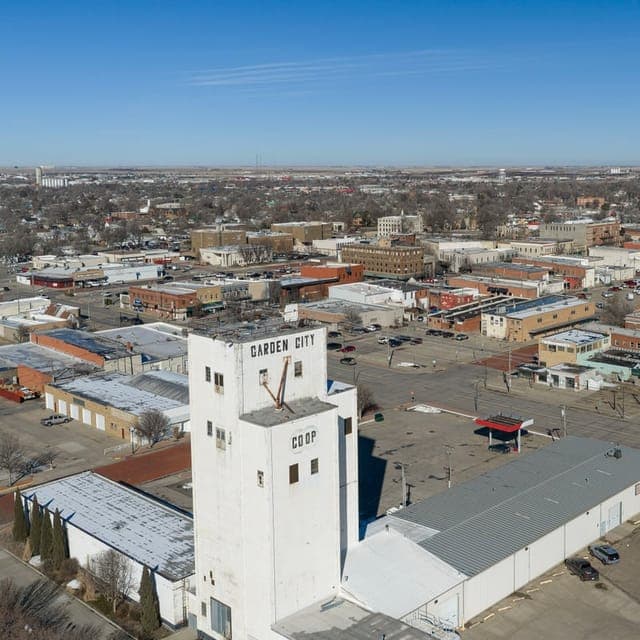
Most Liberal Cities in Kansas


* Values derived from national, state, county, city and local statistics and may differ in a specific area. Last updated: 2026-04-18T22:32:12.000Z
Narrative content on this page is AI-generated and may contain mistakes. Verify any details that matter before acting on them.
ReloMaps may earn a commission from affiliate links at no extra cost to you.

