Photo: Wikipedia
Personal Sovereignty in Kansas
Viable for self-reliance. Generally workable, though some barriers may limit total independence.
What does Personal Sovereignty tell us?
Personal Sovereignty measures your capacity for self-reliance and independence with minimal government friction. Higher scores mean fewer barriers between you and the way you want to live... but it assumes you have the space you need and good neighbors.
What does this tell us?
Personal Sovereignty measures your capacity for self-reliance and independence with minimal government friction. Higher scores mean fewer barriers between you and the way you want to live... but it assumes you have the space you need and good neighbors.
State Policy
Energy independence: Self-sufficient (80% of energy produced in-state)
Personal Liberty
Homesteading

Personal Liberty Analysis
Kansas offers one of the strongest environments for personal sovereignty in the central United States, particularly for those who prioritize minimal government interference in daily life, self-defense rights, and the ability to live off the land. The state’s constitutional and statutory framework consistently favors individual autonomy over collective mandates, making it a strategic relocation target for conservatives, preppers, and homesteaders seeking to escape the encroaching regulatory state found in coastal and urban enclaves. While no state is a perfect libertarian utopia, Kansas ranks favorably on tax burden, gun rights, and property freedom, though the degree of sovereignty varies significantly between liberal-leaning cities like Lawrence and Kansas City and the deeply conservative rural counties that dominate the rest of the state.
Tax burden and regulatory posture: How Kansas compares to surrounding states
Kansas maintains a relatively light tax and regulatory footprint compared to its neighbors, particularly Missouri and Colorado, though it is not as aggressively low-tax as Texas or South Dakota. The state income tax is a flat rate of 5.7% as of 2025, with no local income taxes in most jurisdictions, and property taxes average around 1.3% of assessed value—moderate but not burdensome for rural landowners. Sales tax can climb to 10% in cities like Wichita and Topeka, but rural counties such as Wallace and Greeley keep combined rates under 8%. For preppers and homesteaders, the key advantage is Kansas’s right-to-farm laws, which shield agricultural operations from nuisance lawsuits and local zoning overreach. However, regulatory posture is not uniform: Johnson County (suburban Kansas City) has stricter building codes and environmental regulations than places like Sedgwick County or the open plains of western Kansas. If you want maximum regulatory freedom, target counties west of Salina, where county commissions are more likely to defer to individual property rights.
Self-defense and gun law specifics: Constitutional carry and castle doctrine in practice
Kansas is a gold standard for gun rights, with constitutional carry fully in effect since 2015—no permit required to carry a concealed handgun for anyone legally allowed to possess a firearm. The state also has a strong castle doctrine and Stand Your Ground law, with no duty to retreat in any place you are lawfully present. This is not theoretical: in rural areas like Hays and Dodge City, law enforcement actively supports armed self-defense, and local sheriffs rarely prosecute defensive gun uses that are clearly justified. The only significant restriction is that open carry is prohibited in cities with populations over 15,000 that have opted out via local ordinance, so check municipal codes in Lawrence, Manhattan, and Overland Park. For preppers, the ability to stockpile firearms and ammunition without state-level registration or magazine capacity limits is a major draw. Kansas also has preemption laws that prevent cities from enacting their own gun bans, though the Lawrence City Council has repeatedly tested those limits. If you want the most gun-friendly environment, stick to counties like Barber, Comanche, or Sheridan, where local officials are openly hostile to federal overreach.
Self-reliance and homesteading viability: Lot sizes, zoning, and off-grid feasibility
Kansas is one of the most homesteading-friendly states in the Midwest, particularly for those seeking off-grid self-sufficiency. Outside incorporated city limits, zoning is virtually nonexistent in most counties, meaning you can build a cabin, install solar panels, drill a well, and set up a septic system without bureaucratic approval—provided you meet basic state health codes. Lot sizes for rural residential parcels start at 1 acre in many counties, but you can find 5- to 40-acre tracts in places like Norton, Phillips, and Smith counties for under $2,000 per acre. Off-grid living is fully legal in unincorporated areas, though you must comply with state well-water testing and septic standards. The catch is that some counties, particularly those near military bases like Fort Riley (Geary County) or near Wichita (Sedgwick County), have more restrictive zoning for “rural subdivisions” that can limit tiny homes or RV dwellings. For maximum autonomy, look at the High Plains region—counties like Hamilton, Kearny, and Stanton have minimal building codes and a culture of self-reliance. The state also has a “right to dry” law that prohibits HOAs from banning clotheslines, and no state-level ban on rainwater collection, though local water districts may impose restrictions in drought-prone areas.
Personal liberties: Parental rights, medical autonomy, speech, and property
Kansas has become a battleground for parental rights and medical autonomy, with a conservative legislature that has passed laws protecting parents’ authority over their children’s education and healthcare. The state’s Parents’ Bill of Rights, enacted in 2023, requires school districts to notify parents of any curriculum involving sexuality and to obtain consent before administering mental health screenings. This is a significant advantage over states like California or New York, where parental rights are routinely subordinated to state mandates. On medical autonomy, Kansas has no vaccine passport requirement and no state-level mask mandate authority, though individual hospitals and private businesses can impose their own rules. The state’s response to COVID-19 was among the most restrained in the nation, with Governor Laura Kelly’s emergency orders repeatedly blocked by the legislature. Free speech is broadly protected under the Kansas Constitution, which has been interpreted more expansively than the First Amendment in some cases, particularly regarding political speech and religious expression. Property rights are strong, with a constitutional amendment requiring just compensation for any regulatory taking that reduces property value by more than 20%. However, the state’s power of eminent domain for economic development projects remains a concern—check local land use plans in fast-growing areas like Johnson County.
Overall, Kansas offers a level of personal sovereignty that is rare in the modern United States, particularly for those willing to live outside the urban corridors of Lawrence, Kansas City, and Wichita. The state’s combination of constitutional carry, minimal rural zoning, strong parental rights, and a flat tax structure makes it a viable destination for preppers, homesteaders, and conservatives seeking to insulate themselves from federal overreach. It is not as aggressively deregulated as Alaska or New Hampshire, but it is far more accessible and affordable, with land prices that remain a fraction of those in the Mountain West. For the strategic relocator who values autonomy over convenience, Kansas is a solid bet—provided you choose your county wisely and stay clear of the few pockets of progressive governance that still exist within its borders.

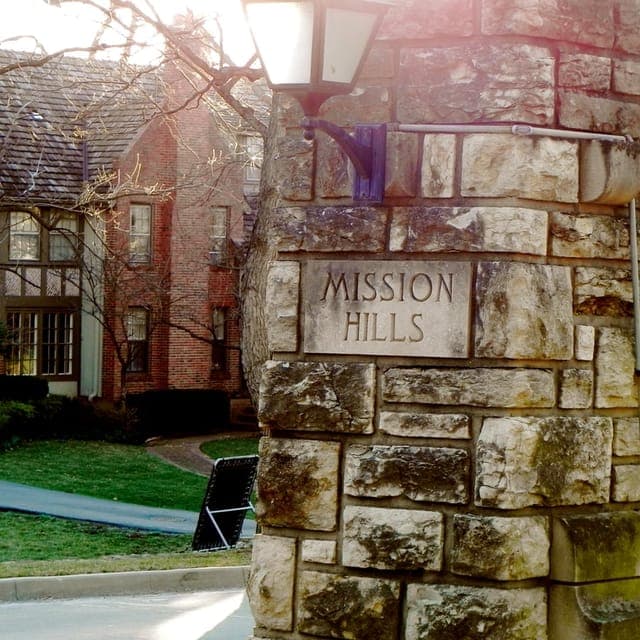
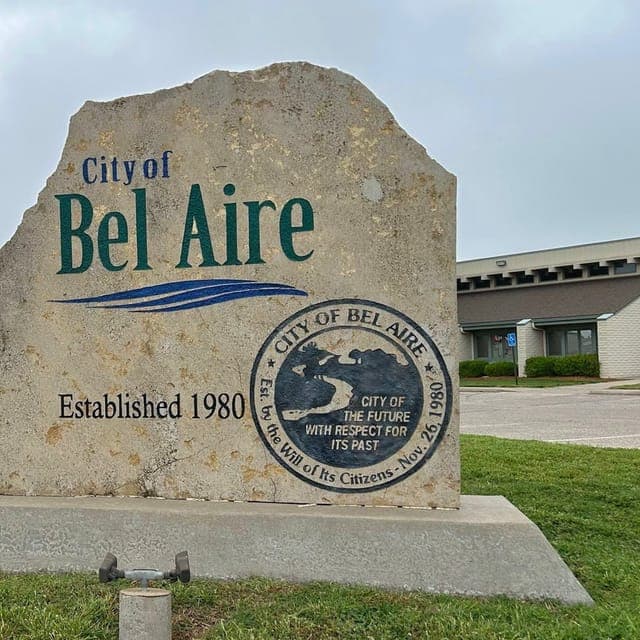
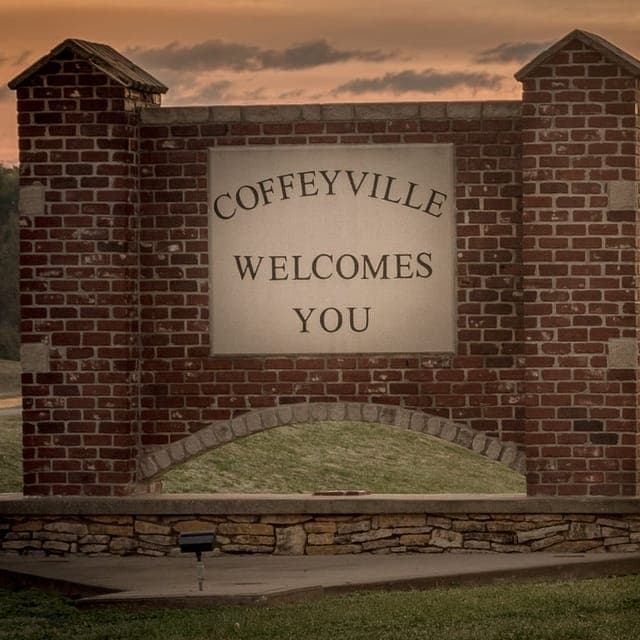
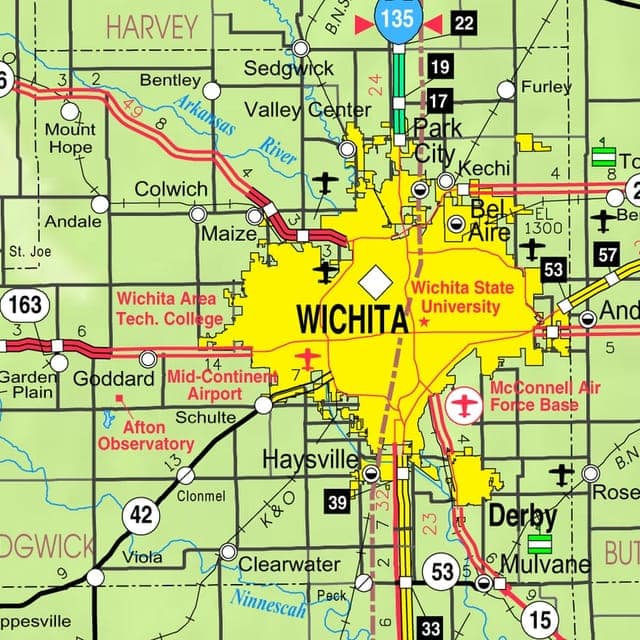
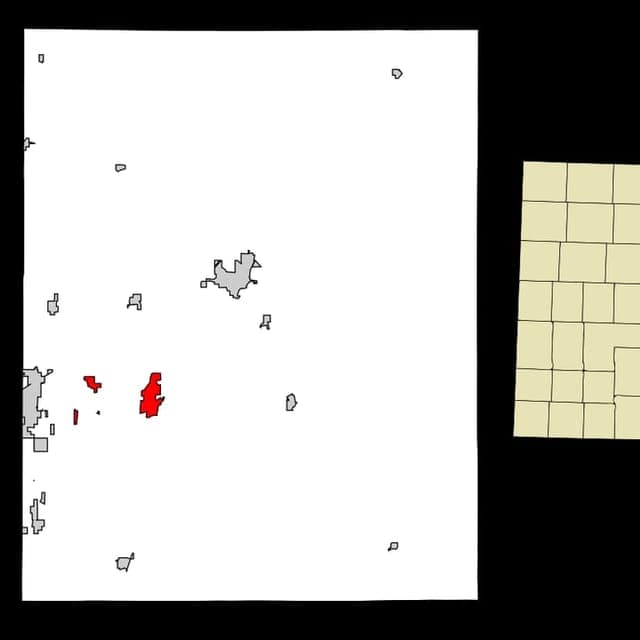
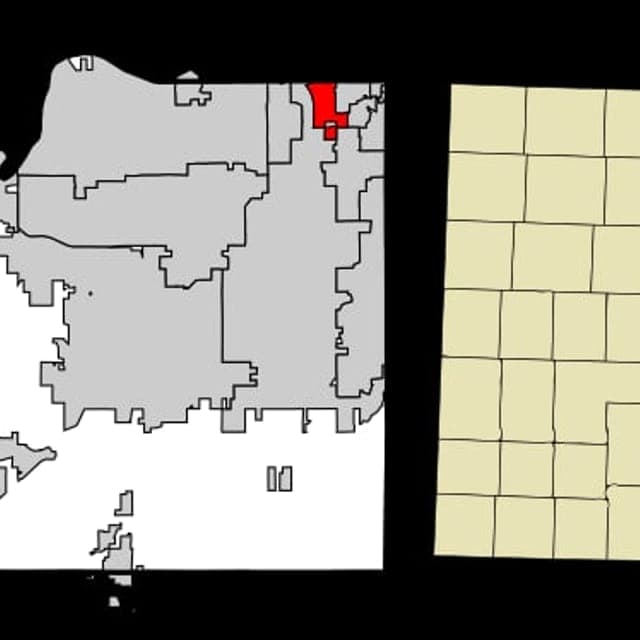
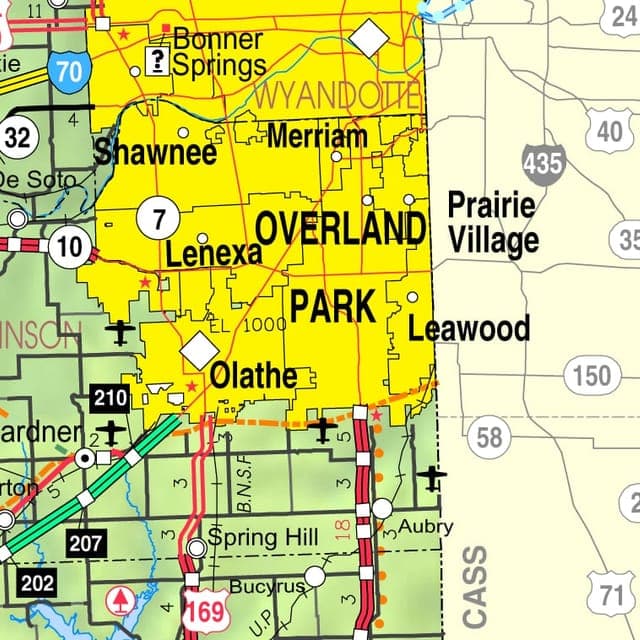
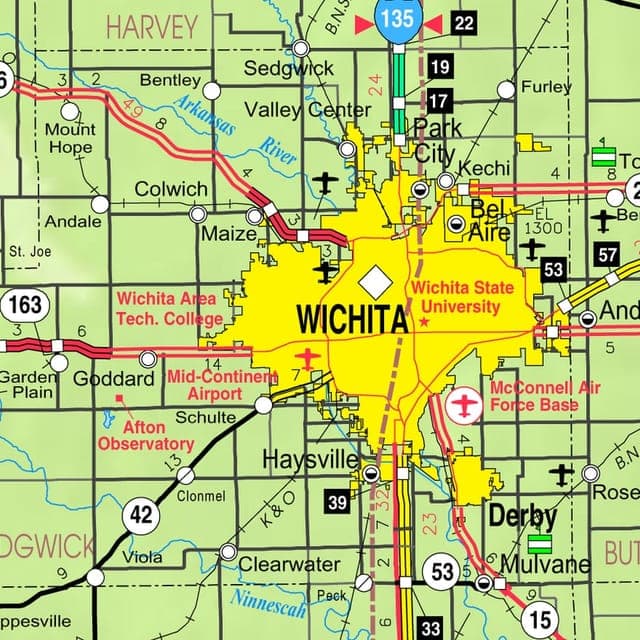
Top Cities for Personal Sovereignty in Kansas

* Values derived from national, state, county, city and local statistics and may differ in a specific area. Last updated: 2026-04-18T22:32:12.000Z
Narrative content on this page is AI-generated and may contain mistakes. Verify any details that matter before acting on them.
ReloMaps may earn a commission from affiliate links at no extra cost to you.

