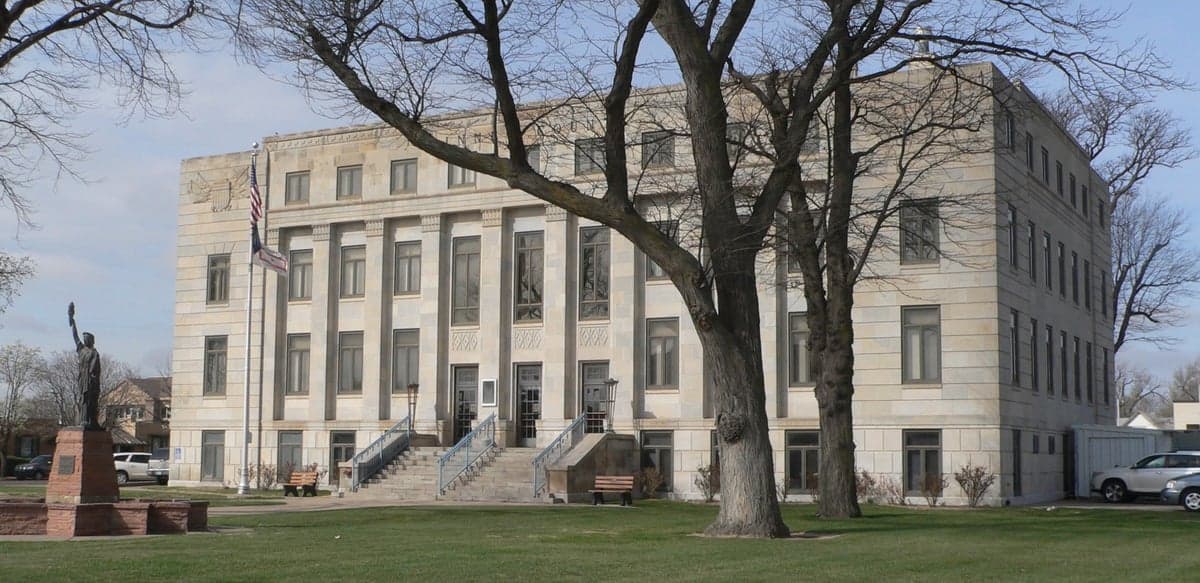
Photo: Wikipedia
Strategic Assessment of Finney County
Strong survivability profile. Good buffer from population centers, with manageable environmental and tactical risks.
What does the Strategic Assessment tell us?
Our Strategic Assessment grades tactical survivability of an area. Major population centers, military targets, fallout zones, natural disasters, and border exposure all drive risk — lower exposure means a more defensible position in a crisis.
This is heavily inspired by Joel Skousen's Strategic Relocation book. Highly recommended you checkout the book ($)What does this tell us?
Our Strategic Assessment grades tactical survivability of an area. Major population centers, military targets, fallout zones, natural disasters, and border exposure all drive risk — lower exposure means a more defensible position in a crisis.
This is heavily inspired by Joel Skousen's Strategic Relocation book. Highly recommended you checkout the book ($)Strategic Pillars

Key Distances
Strategic Assessment Analysis
Finney County, anchored by the city of Garden City in southwestern Kansas, presents a compelling strategic profile for relocation-minded individuals and families who prioritize resilience, self-sufficiency, and distance from major metropolitan vulnerabilities. The area’s core advantage lies in its geographic isolation from the nation’s primary population centers and critical infrastructure corridors, combined with a robust local agricultural economy that provides a built-in buffer against supply chain disruptions. For a reader assessing long-term preparedness, Finney County offers a rare combination of low population density, abundant local food production, and a position far removed from the most likely targets of large-scale disruptions, whether natural or man-made.
Geographic position and natural advantages for long-term security
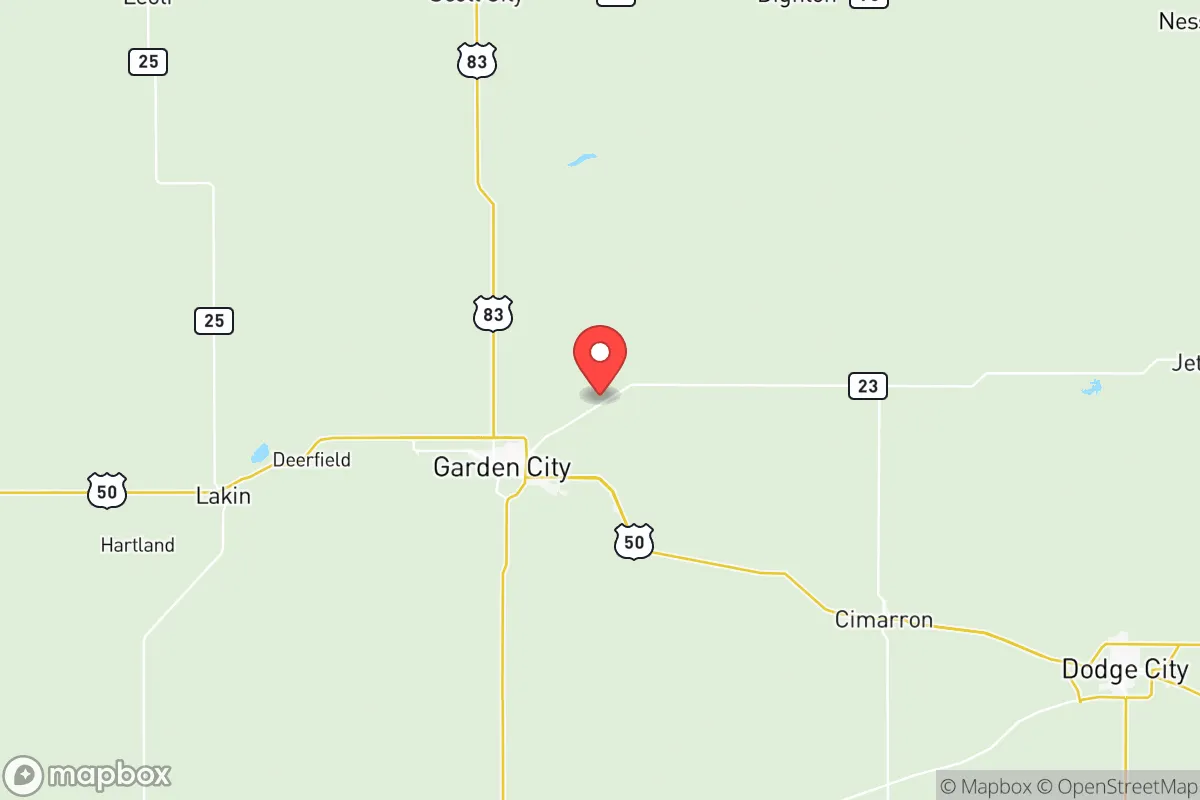
Finney County sits in the High Plains region, roughly 200 miles west of Wichita and over 300 miles east of Denver, placing it well outside the immediate fallout zones of any major metropolitan area. The county’s flat, open terrain provides excellent long-distance visibility—a practical advantage for situational awareness—and its location in the Arkansas River valley offers a modest but reliable water source. The local climate is semi-arid, with an average of 20 inches of precipitation annually, which supports dryland and irrigated farming without the flood risks common in eastern Kansas. The Ogallala Aquifer, accessed via center-pivot irrigation, underpins the region’s agricultural output, making the county one of the top producers of beef, corn, and wheat in the state. This natural resource base means that Finney County is one of the few places in the continental U.S. where a relocator could reasonably expect to source fresh food locally year-round, even during a prolonged disruption. The nearest major military installation is McConnell Air Force Base near Wichita, roughly 200 miles east, and the closest major refinery is in El Dorado, Kansas, about 180 miles away—both far enough to be irrelevant to local risk profiles.
Risks, exposures, and proximity to fallout-relevant landmarks
Finney County’s primary risk profile is dominated by natural hazards rather than man-made threats. The area lies in Tornado Alley, and while Garden City itself has a lower tornado frequency than central Oklahoma or north Texas, severe thunderstorms, hail, and straight-line winds are annual realities. The county is not located near any nuclear power plants—the closest is Wolf Creek Generating Station near Burlington, Kansas, over 250 miles east—nor is it near any major chemical storage facilities, oil refineries, or major rail hubs that would be high-value targets in a conflict scenario. The only notable infrastructure within the county is the Garden City Regional Airport, a small commercial and general aviation field, and the local grain elevators and feedlots that are part of the agricultural economy. There are no interstate highways running through Finney County; U.S. Highway 50 and U.S. Highway 83 are the primary routes, which limits the area’s attractiveness as a transit corridor for large-scale military or industrial movements. The nearest major rail line is the BNSF Railway’s main transcontinental route, which passes through Dodge City, about 50 miles east, but this is not a concentration of hazardous material traffic that would pose a direct risk to Finney County residents. For a relocator concerned about fallout from a national-level event, Finney County’s distance from every Tier 1 strategic target—Washington D.C., New York, Los Angeles, Chicago, Houston—is its single greatest defensive asset.
Practical resilience for a relocator: food, water, energy, and defensibility
Finney County’s practical resilience is anchored by its agricultural self-sufficiency. The county is home to the Garden City Company feedlot, one of the largest cattle-feeding operations in the U.S., and the surrounding farmland produces millions of bushels of corn and wheat annually. For a relocator, this means access to local meat and grain markets that are less vulnerable to national supply chain disruptions. Water availability is the critical variable: the Ogallala Aquifer is being depleted at a rate that concerns state water managers, but for the near-to-medium term, the county’s irrigation infrastructure is robust. Garden City’s municipal water system draws from both groundwater and the Arkansas River, and many rural properties have private wells. Energy resilience is moderate: the county is served by Sunflower Electric Power Corporation, which operates the Holcomb Station coal-fired power plant just north of Garden City. This plant provides a stable, baseload power source that is less susceptible to the grid instability seen in regions reliant on renewable intermittency. For off-grid or semi-off-grid living, the area’s abundant sunshine makes solar a viable supplement, and natural gas is widely available for heating. Defensibility is a mixed picture: the open terrain offers clear sightlines but limited natural cover. However, the low population density—roughly 10 people per square mile—means that a determined relocator with a rural property can achieve significant physical separation from neighbors. The county’s law enforcement presence is concentrated in Garden City, with the Finney County Sheriff’s Office covering the rural areas; response times in remote parts of the county can exceed 30 minutes, which is a factor for self-defense planning. For a family prioritizing food security and energy independence, Finney County offers one of the most practical environments in the Great Plains, provided they are comfortable with the trade-offs of rural isolation and extreme weather.
The overall strategic picture for Finney County is one of high resilience with manageable trade-offs. Its isolation from major population centers and critical infrastructure makes it a low-priority target in any national-scale disruption, while its agricultural base provides a tangible buffer against food and economic shocks that would devastate more urbanized regions. The primary vulnerabilities are natural—tornadoes, drought, and the long-term depletion of the Ogallala Aquifer—rather than man-made, which aligns well with the priorities of a relocator focused on preparedness rather than escape from immediate threats. For a single individual or family willing to adapt to a semi-arid climate, limited cultural amenities, and a conservative, agrarian community, Finney County represents a defensible, self-sufficient base of operations that is difficult to match elsewhere in the continental United States. The key is to secure a property with a reliable water source and to invest in storm shelter infrastructure; with those two elements in place, the county offers a strategic position that is both practical and sustainable for the long haul.

* Values derived from national, state, county, city and local statistics and may differ in a specific area. Last updated: 2026-07-17T01:56:51.000Z
Narrative content on this page is AI-generated and may contain mistakes. Verify any details that matter before acting on them.
ReloMaps may earn a commission from affiliate links at no extra cost to you.

